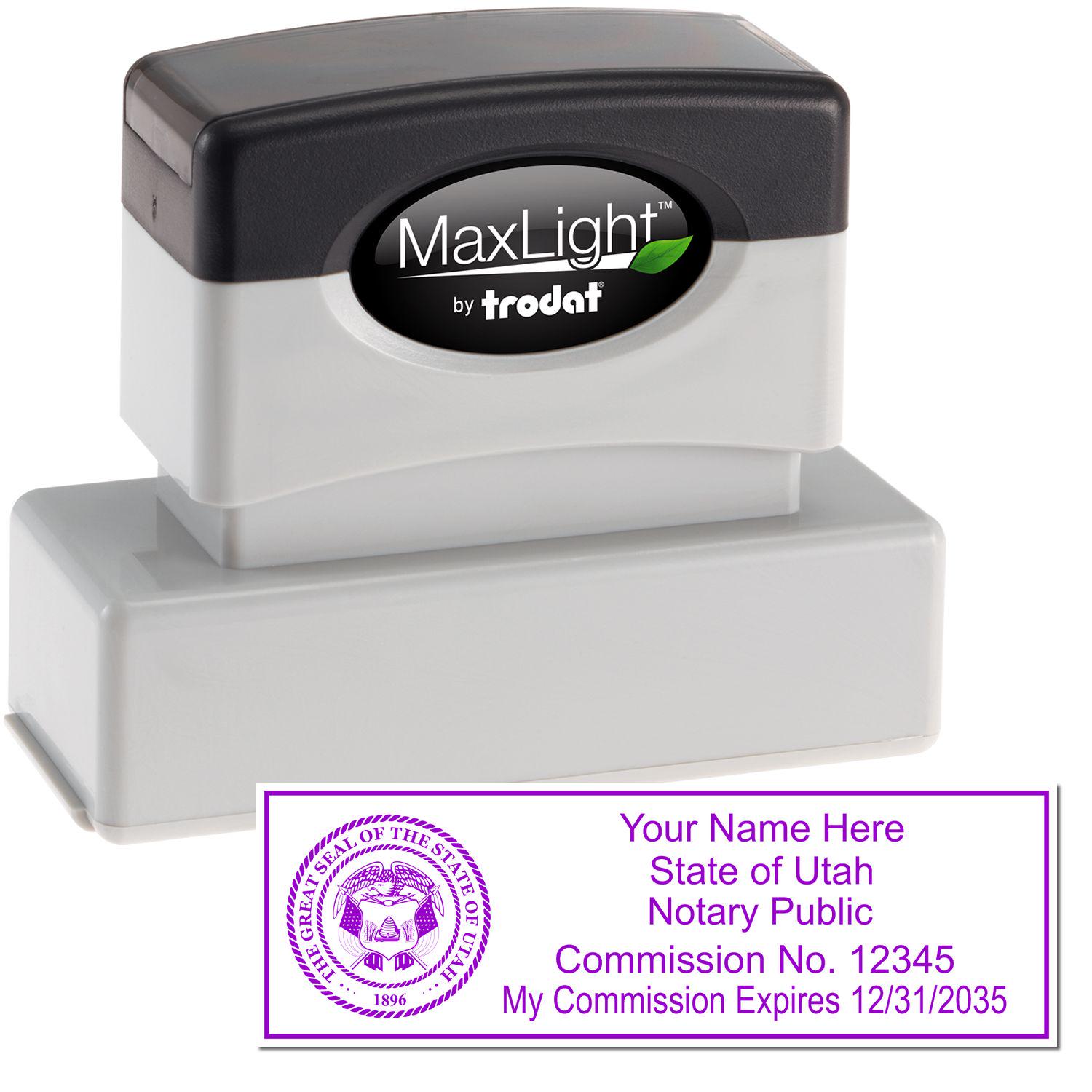
If you plan to serve as a notary public in the Beehive State, you will quickly discover that your Utah notary stamp and seal are among the most important tools in your toolkit. Having the right stamp and seal not only helps you fulfill legal obligations, but also makes your job easier, faster, and more professional. Whether you have just been sworn in or you are simply looking to upgrade your supplies, the following tips will guide you toward a more confident and efficient notary experience.
Understand the Basics
A Utah notary stamp and seal provide an official mark that authenticates signatures, validates documents, and proves your authority as a notary public. Every state has slightly different rules, and Utah is no exception. By understanding these basics, you will ensure that you choose the supplies that match statewide standards and reflect the professionalism you want to convey.
Why You Need a Notary Stamp
Your notary stamp gives you a visual and legal way to confirm that you have witnessed the signing of a document. When you apply the proper stamp, you confirm that you have verified the identity of the signer and that the signature is legitimate. Without a clearly legible stamp, a notarial act can be called into question, which can cause legal complications and damage your credibility.
- A crisp impression demonstrates professionalism.
- It speeds up document verification processes.
- It helps avoid disputes regarding the authenticity of the notarial act.
What the Law Says in Utah
Utah law requires that every notary public use an official seal or stamp. The seal must include specific details, such as your name and the words “Notary Public” and “State of Utah.” The design and format can vary, but it is crucial to meet minimum size and content requirements. Failure to comply with these legal standards can invalidate your notarizations and expose you to penalties.
- Check your commission certificate to see the exact name you must display.
- Use fonts and sizes that preserve clarity.
- Verify that the supplier you choose knows Utah’s requirements.
Consider Your Stamp Options
Once you know you need a reliable Utah notary stamp and seal, it is time to dive into the specific types of stamps available. Each style has distinct advantages, so think about factors like how often you perform notarizations, the environment in which you work, and your preference for ink quality.
Self-Inking vs. Pre-Inked
Self-inking stamps have a built-in ink pad that automatically re-inks the die after every impression. When you press down, the stamp rotates onto the ink pad before transferring the ink onto the page. Pre-inked stamps, on the other hand, contain ink within the stamp body itself and release it through microscopic pores.
- Self-Inking:
Best for high-volume stamping.Requires ink refills or cartridge replacement after a certain number of uses.Delivers a consistent, crisp impression, but may need occasional cleaning to avoid smudging.
- Pre-Inked:
Extremely clean impressions, often sharper details.Tends to hold ink longer before needing a refill.Slightly slower stamping action, since they require a bit more pressure for a clear imprint.Either choice can be excellent if made with a reputable supplier. Some notaries prefer one over the other based on comfort, stamping speed, or budget. With either option, double-check the impression size and layout to ensure that all required text fits neatly.
Traditional Rubber Stamps
Traditional rubber stamps require a separate ink pad, which you press the stamp onto before applying it to the document. They are often cost-effective and can be replaced easily. However, they may be less convenient, especially if you work in multiple locations.
- Inexpensive initial cost, but you must replace ink pads.
- Not as portable if you frequently travel.
- A solid choice if you only notarize occasionally or prefer a classic stamping feel.
Explore the Notary Seal
In addition to a Utah notary stamp, you might consider a notary seal embosser. Seals create a raised impression on the page, providing another layer of authenticity. Whether you need a seal embosser depends on state requirements and personal preference. In many cases, an embosser is not strictly required by Utah law, but it can reinforce your professionalism.
Embossers vs. Stamps
Embossers press an image directly into the paper’s fibers, producing a raised or indented mark. Stamps simply apply ink on top of the page. Some notaries use both methods: an embosser for an official look and a stamp for clear readability. Here are some pros and cons to help you decide:
- Embossers:
Visually impressive and difficult to duplicate.May be harder to read on photocopies.Bulky to carry and can tire your hand if you process a high volume of documents.
- Ink Stamps:
Simple to use and easy to replace.Clear on photocopies and scans.Less visually striking compared to an embossed mark.If you already have a stamp, adding an embosser can elevate your notarial acts. However, if you handle mostly electronic documents or rarely notarize official paper documents, a single high-quality stamp may be sufficient.
Check Material and Durability
Because you rely on your Utah notary stamp and seal daily (or at least frequently), it is wise to invest in quality materials. A sturdy frame, whether plastic or metal, ensures your stamp can handle repeated use without breaking. Similarly, choose an ink that is fade-resistant, water-resistant, or both.
- Plastic frames:
Lightweight and budget-friendly.Good for moderate use.Look for high-quality plastics that do not crack easily.
- Metal frames:
More durable but heavier.Ideal for notaries who process numerous documents each day.Typically last years, making them a solid long-term investment.When it comes to ink, you want a vibrant color, often black, to ensure clarity. Also, confirm the re-inking process. Self-inking and pre-inked stamps can typically be re-inked in minutes, while traditional rubber stamps simply require a new ink pad if the old one dries out.
Good durability also applies to embossers. If you opt for an embosser, find one built from sturdy metal that can handle the pressure of repeated use. Pay special attention to the handle design, because a comfortable grip can save your hands from fatigue, especially during longer notary sessions.
Personalize Your Approach
Even though the state sets guidelines for what your stamp or seal must say, you still have room to personalize your tools. For example, you could select a color that complements your business brand, or you might prefer a classic black or blue that conveys a more conservative image. A personal touch does not mean ignoring regulatory requirements. Instead, it is about striking a balance between creativity and local law.
Some notaries like to include their logo, if their state allows it, or choose a stylish font that still meets clarity standards. Even the type of handle you pick can reflect your personality. Round, rectangular, or square stamps might all be acceptable, but they create a different visual effect.
- Double-check if the design meets Utah regulations.
- Keep text readable, since smudged or squished letters nullify the purpose.
- Identify any optional elements that boost your professional appearance without cluttering the design.
This blend of compliance and creativity helps you stand out and reinforces the idea that you take your role seriously. It also makes your stamp or seal easier to identify and less likely to be confused with someone else’s.
Partner With a Trusted Supplier
Selecting a supplier is a big part of choosing your Utah notary stamp and seal. Working with an experienced provider ensures you will get a compliant, high-quality product. Family-owned and operated since 1964, Acorn Stamps has been delivering top-tier Utah notary stamps and seals with stellar customer service for 60 years. Whether you need a basic self-inking stamp or a precision-crafted embosser, making sure the details match Utah regulations is paramount.Look for a business that offers:
- Expertise in Utah Requirements
They should understand size, text, and layout laws.They must stay informed on any legislative updates.
- Quality Assurance
Check if they test stamps for crisp impressions.Look for warranties or guarantees on frames and embossers.
- Fast Turnaround Times
A prompt delivery process is crucial if you need your stamp quickly to begin notarizing.Good suppliers often ship within a day or two, especially if you have a routine design.
- Friendly Customer Service
Helpful support matters if you have questions about legal compliance.They can recommend optimal stamp or seal styles based on your usage.
- Sustainable Commitment
If eco-friendly materials or refill systems matter to you, ask about them.A responsible supplier should be transparent about their manufacturing processes.When you choose Acorn Stamps, you can expect consistent communication, fast service, and products that stand up to daily use. Because each stamp and seal is designed with your comfort and convenience in mind, you can focus on performing your notarial duties instead of worrying about broken handles or unclear impressions.
Why a Reliable Supplier Matters
Ordering through a recognized brand means you reduce the risk of late deliveries or subpar materials. Some discount suppliers might not prioritize compliance, which can leave you scrambling if your stamp’s design does not meet statewide regulations. With a proven vendor, you can trust that they already understand the nuances of Utah law, eliminating guesswork.
A reliable supplier also ensures you have immediate help if you do encounter a problem. Suppose your stamp arrives misaligned or your seal is too large. Customer support can quickly rectify the issue. Imagine how disruptive it would be to discover a flaw just as a client needs an urgent notarization. With a reputable provider, especially one with decades of experience, you can skip those stress-inducing scenarios.
Finally, a trusted partner often has loyalty discounts or bulk pricing structures. If you plan on ordering multiple stamps, replacement ink, or an additional embosser, you might qualify for special rates, making it more cost-effective in the long run.
FAQs About Utah Notary Stamp And Seal
Here are five common questions about selecting, caring for, and using your Utah notary stamp and seal:
Do I really need both a stamp and an embosser in Utah?
Utah law requires that you use an official seal or stamp that includes specified details. An embosser is not strictly required, but many notaries like to use both. The embossed effect adds an extra layer of authenticity, while the inked stamp makes documents easier to photocopy or scan. If you only choose one, an inked stamp is generally sufficient.
How long does a typical notary stamp last?
A high-quality stamp can last for thousands of impressions. Some self-inking or pre-inked stamps can handle thousands of clear imprints before needing an ink refill. If you work with a sturdy supplier like Acorn Stamps, you can usually rely on your stamp for the entire duration of your commission, provided you handle it properly and refill when necessary.
What if my name changes or my commission expires?
If your name changes, you will need a new notary commission and an updated stamp that accurately reflects your legal name. When your commission expires, you must renew it if you plan to continue performing notarial acts. In both cases, you will need to obtain a new stamp or seal that meets Utah’s guidelines using your current, valid commission information.
Can I customize my stamp design beyond the state’s requirements?
Yes, as long as it does not conflict with Utah’s legal specifications. You can select different ink colors, shapes, or handle types, and you may incorporate minimal additional text or graphics if it does not obscure the required information. Always confirm with your state’s notary office or a reliable supplier to ensure you maintain compliance with regulations.
Are there any limitations on where I can use my Utah notary stamp?
You can only provide notarial services within the borders of Utah, unless you have specific authorization for acts crossing state lines. Always sign the notarial certificate on documents in your official capacity and apply the stamp in the presence of the individual whose signature you are notarizing. For any interstate or remote online notarizations, ensure you follow Utah law and any relevant cross-jurisdiction regulations before stamping.
By choosing the right Utah notary stamp and seal, you can serve the public more effectively, present a professional image, and protect yourself from legal issues. From selecting the most comfortable handle to verifying that the text meets statewide requirements, every detail matters. When you partner with a company like Acorn Stamps, you also gain the peace of mind that comes with 60 years of experience and a genuine commitment to helping notaries navigate their responsibilities.
Remember that your chosen tools reflect the quality and reliability of your services. Whether you decide on a pre-inked stamp, a sturdy metal embosser, or a self-inking design with custom touches, working with a family-owned supplier ensures you receive friendly, knowledgeable guidance. Over time, you may upgrade or replace your supplies, but the foundation of a well-chosen stamp and seal will serve you well throughout your notarial career.