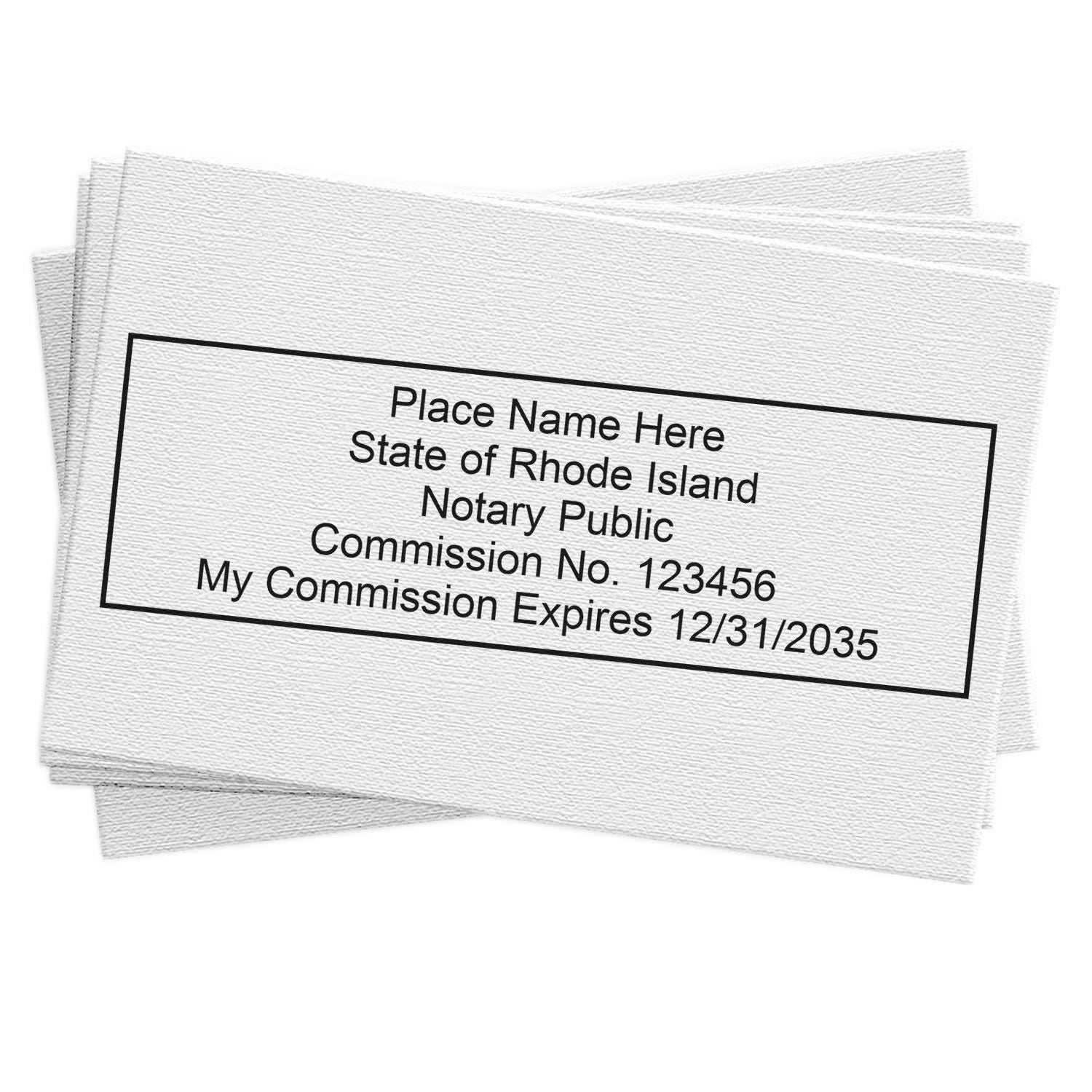
If you’re preparing to become a Rhode Island Notary Public or looking to update your supplies, understanding Rhode Island notary stamp requirements is crucial. A notary stamp is more than just an ink impression, it’s an official representation of your authority and a guarantee of authenticity for important documents. In this guide, you’ll learn exactly what’s required by law, how to choose the right stamp or seal, and how to maintain it properly. You’ll also find insights on renewing your commission and tips on purchasing notary supplies from a reputable provider like Acorn Stamps, a family-owned company that has specialized in Rhode Island notary stamps and seals for 60 years.
Keeping everything in compliance not only protects you legally but also ensures that your clients trust your services. Below, we’ll break down the essentials so you can confidently meet Rhode Island’s notary regulations and provide top-notch service to your community.
Understand the Rhode Island Notary Commission
Before you purchase your notary stamp, it helps to know precisely what the role entails and how you become commissioned under Rhode Island law.
The Role of a Notary Public
As a Rhode Island Notary Public, you act as an impartial witness to the signing of official documents. Your responsibilities often include:
- Verifying the identity of those signing
- Ensuring signers are acting willingly
- Administering oaths or affirmations
- Witnessing and certifying the authenticity of signatures
You are an essential safeguard within the legal system, helping prevent fraud and guaranteeing that signers understand the documents they’re endorsing.
Commissioning Process
To become a notary in Rhode Island, you must typically:
- Meet the state’s eligibility criteria, such as being at least 18 years old.
- Fill out an application, often available on the Rhode Island Secretary of State’s website.
- Pay applicable fees.
- Take an oath of office, if the state requires one.
Your commission remains valid for a specific term, after which you need to renew. During your term, you must maintain a valid, compliant stamp or seal as part of your day-to-day notarial duties.
Follow Rhode Island Seal Requirements
Your stamp or seal must align with Rhode Island notary stamp requirements to be considered valid. Having an incorrect or non-compliant stamp can invalidate the very documents you’re trying to authenticate.
Rhode Island Statute Overview
Rhode Island’s notary laws typically call for a clear, legible seal. The seal usually contains:
- Your official name, exactly as it appears on your notary commission
- The words “Notary Public”
- The words “State of Rhode Island” (or a variation required by law)
Make sure you understand any recent updates to the legislation so you’re always using a compliant stamp. If you’re unsure, consult the Rhode Island Secretary of State or a trusted adviser to confirm the details.
Required Elements
In general, your seal or stamp should be affixed to every official document you notarize. While some forms might also require additional information, like an expiration date, your seal must remain the undisputed identifier of your notarial act. Depending on the type of documents you frequently handle, you might also need to notate your commission number or other details. Double-check whether your state has restrictions on the shape or layout of your stamp so you can order the correct type from the start.
Choose Your Notary Stamp
When you’re ready to buy or update your notary stamp, you’ll find multiple styles at your disposal. Each offers different advantages, so you can pick the one that works best for your workflow.
Self-Inking or Pre-Inked
Self-inking and pre-inked stamps both leave a crisp, professional imprint. However, their mechanisms differ:
- Self-Inking: Features a built-in ink pad that re-inks the die after each use. Generally lasts for thousands of impressions before you need to refill the pad.
- Pre-Inked: Holds ink within the stamp’s body. You might get even more impressions out of a pre-inked model, and it often delivers sharper, more precise marks.
For high-volume notarial work, a self-inking or pre-inked stamp can save you time. Both options are quick to use and reduce smudging, compared to a separate ink pad.
Embossing Tools
An embosser creates a raised impression on the page. While embossers look elegant and official, some Rhode Island documents may specifically call for an ink-based stamp to ensure clarity and legibility on photocopies or electronic scans. However, a traditional embossed seal is still valued by many notaries for its professional appearance and security. If you choose an embosser, consider also having an inked stamp on hand in case you need to accommodate documents requiring a more visible mark.
Use and Maintenance Tips
No matter which stamping device you pick, keeping it in good condition is critical. A well-maintained stamp ensures each notarial act meets the legal requirement for clarity.
Proper Storage
- Keep your stamp in a cool, dry place to protect the ink reservoir.
- Store your stamp away from prying eyes or unauthorized use.
- After stamping, wait briefly before stacking or moving the document to avoid smudging.
Re-Inking Best Practices
- Follow the manufacturer’s instructions for refilling or replacing the ink pad.
- Use the recommended brand of ink to preserve clarity.
- Replace worn-out parts (like the die or pad) before your stamp becomes
Illegible, documents must have a clean print to hold up legally.Regular upkeep lets you provide consistent, professional notarial services. If your impression fades or becomes irregular, address it right away so you don’t risk rejecting important documents due to an unclear seal.
Renew Your Notary Commission
Rhode Island typically grants notary commissions for a set term, and you must renew before your term expires. Keep track of your expiration date, because letting it lapse can disrupt your work and force you to repeat steps in the appointment process.
Deadlines and Paperwork
- Mark your calendar: Note your commission expiration date.
- Gather any required forms well ahead of time.
- If you need to show proof of education or testing, schedule it promptly.
A timely renewal helps you provide continuous service to clients, employers, or community members who rely on your notarial acts.
Penalties for Non-Compliance
Falling out of compliance can lead to a range of penalties, from fines to permanent revocation of your notary license. In addition, documents notarized while your commission is invalid could be deemed worthless in legal proceedings. By renewing on time and continually meeting Rhode Island notary stamp requirements, you protect both your professional reputation and the integrity of the documents you authenticate.
Select a Trusted Supplier
Buying the right notary supplies is easier when you work with a provider that knows Rhode Island’s regulations. With so many online and in-person stores, you’ll want to choose one that guarantees accurate, compliant products.
Why Acorn Stamps?
For many Rhode Island notaries, Acorn Stamps is the go-to choice. Here’s why:
- Top Supplier of Rhode Island Notary Stamps and Seals: You’ll get stamps specifically designed to match Rhode Island notary laws.
- Stellar Customer Service: If you have questions or concerns, you’ll be guided by friendly experts who understand the intricacies of notary regulations.
- Super Fast Turnaround: Speed matters when you’re ready to start notarizing. Acorn Stamps ensures your notary supplies arrive quickly so you can get to work right away.
- Family-Owned and Operated Since 1964: With 60 years of experience, Acorn Stamps has built a reputation for quality and trust, a legacy that benefits you every step of the way.
Choosing a reliable vendor not only saves you time and hassle but also takes the guesswork out of complying with Rhode Island’s requirements for notary stamps and seals.
5 Frequently Asked Questions
Below are some of the most common questions Rhode Island notaries have about their stamps, seal requirements, and overall responsibilities. These answers can help you stay in good standing and provide professional service.
Do I Need Both an Ink Stamp and an Embosser?
Rhode Island law generally requires an ink-based stamp with specific identifying information. An embosser is optional and may be added for aesthetic or security reasons, but an ink stamp is usually necessary for legal clarity and for copies to show the seal properly.
How Often Should I Re-Ink My Stamp?
This varies depending on usage. Check your stamp’s impression regularly. If the impression starts to fade or become uneven, it’s time to re-ink or replace the ink pad. Proper maintenance will extend the life of your device and ensure sharp detail on every notarial act.
Can I Continue Using My Old Stamp After Reappointment or Renewal?
That depends on whether any details, such as your name or commission expiration date, have changed. If your information remains the same, you may continue using the same stamp. Otherwise, you’ll need to order a new one that reflects your updated commission.
What Happens if My Stamp Is Lost or Stolen?
Immediately secure any unauthorized use by reporting it to your local authorities and the Rhode Island Secretary of State. You may also need to replace your stamp quickly and record the incident for your own records. Fast action helps protect your notary commission and the public from fraudulent activity.
Can I Use a Stamp From Another State?
No. You’re required to use a Rhode Island-compliant stamp that meets all state mandates, including specific wording. When you order from a trusted supplier like Acorn Stamps, you can be confident that your device will align with local regulations and include all the necessary elements.
By keeping these FAQs in mind and following state guidelines, you’ll maintain an active, compliant notary practice. Fulfilling Rhode Island notary stamp requirements isn’t just about checking a box, it’s about showing your commitment to protecting the public, upholding the law, and delivering peace of mind to those who rely on your notarial expertise. Staying informed is a part of your professional duty. Regularly review state guidelines and keep your supplies updated. With a reliable partner like Acorn Stamps, you’ll always have a friendly, knowledgeable team supporting your mission to provide high-quality, accurate notarial services.