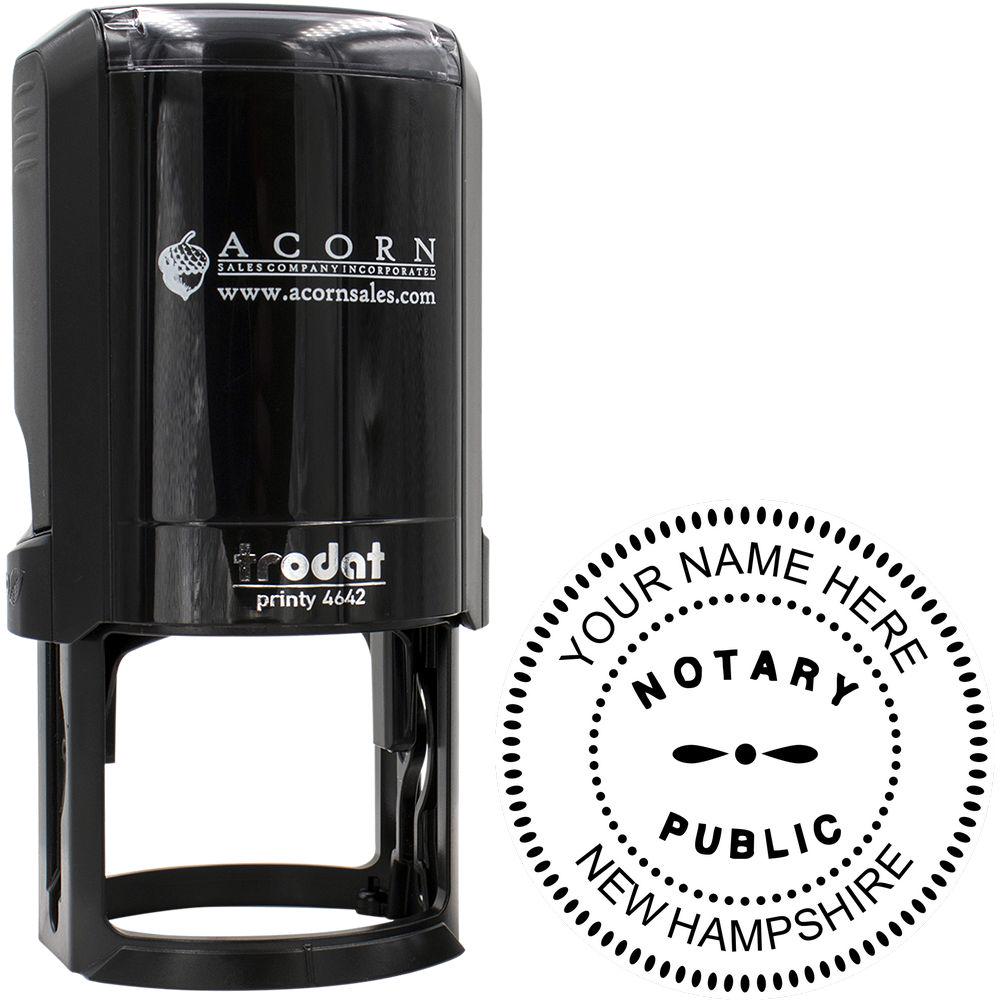
Understand the Importance of Your Notary Seal
When you become a New Hampshire Notary Public, your notary seal quickly becomes one of your most important tools. It is much more than a simple stamp or embosser. It signifies your official role as a state-appointed official, ensuring that documents are properly authenticated and free from any fraud or tampering. By following New Hampshire notary seal requirements, you uphold the trust the public places in you and confirm the legality of each notarized document.
A properly executed notary seal helps verify your identity and communicates that documents are notarized according to state guidelines. Even a small oversight, like a missing element on your seal impression, can create serious legal repercussions or cause delays. A well-designed, clear notary seal protects your reputation as a competent and reliable notary.
Know the Basic Requirements
Before you order your seal, it is crucial to understand exactly what information the state of New Hampshire expects on your device. While specific details can change over time, you will generally need to include:
- Your name exactly as it appears on your commission
- The words “Notary Public”
- The word “New Hampshire”
The state does not necessarily dictate a precise seal shape or ink color. However, the impression must remain clear and legible on any notarized document. Some notaries in New Hampshire prefer a round design, while others opt for a rectangular layout. In either case, the seal impression needs to be placed near your notarial certificate or signature.
You will also want to confirm your commission’s number and expiration date requirements. While New Hampshire does not always mandate having the commission number or expiration date on the notary seal, adding them can save you time when filling out official forms. When in doubt, stay updated by consulting the New Hampshire Department of State’s Notary Public laws or official guidelines.
Choose the Right Type of Notary Seal
Selecting the style and format of your seal is where the guidelines meet personal preference. There are two primary types of seals in common use: embossers and rubber stamps. Both have their advantages, so you will want to pick one that aligns with your workflow and the preferences of people you serve.
Embossers
Embossers use pressure to create a raised impression on the paper. Many notaries enjoy the professional look of an embossed seal. Because it is physically impressed onto the page, an embosser can add an extra layer of protection against document fraud. However, embossed text may not always scan or photocopy clearly. For that reason, some offices prefer the inclusion of an inker to darken the raised seal and ensure it appears on a copy.
Rubber Stamps
A rubber stamp seal prints your notary information in ink. If you use a high-quality stamp with crisp edges, it is typically clearer for reproduction. A stamp is also faster to apply—an important benefit if you frequently handle large volumes of notarizations. Just be sure your stamp uses permanent ink that does not smear or fade.
Balancing Professionalism and Convenience
Most notaries find that either an embosser or stamp will satisfy all legal requirements. Some, however, choose to have both devices on hand. You might enjoy the timeless, formal appearance of an embosser but appreciate the quick clarity of a stamp. By keeping both options in your notary kit, you can adapt to any situation, ensuring you meet every aspect of New Hampshire notary seal requirements in a prompt and professional manner.
Ensure Proper Embossing or Stamping Technique
Even with a perfectly designed notary seal, improper technique can lead to unclear or incomplete impressions. You never want a court or client to question whether your seal was valid. Here’s how to apply your seal correctly and effectively:
- Place your document on a firm, flat surface before stamping or embossing. Avoid rubbery or uneven tabletops that may lead to blotchy marks or partial impressions.
- If you use an embosser, press firmly and hold it for a moment to ensure the raised text is sharp. If possible, place the embosser slightly away from thick binding edges or corners that prevent even pressure.
- For a rubber stamp, aim for a gentle but direct placement. If you push too hard, ink may bleed. If you do not press firmly enough, your seal may appear too light or partially missing.
- Consider investing in an embosser inker if you rely solely on an embosser. This inker will darken the embossed seal, which helps scanning and photocopying.
- Allow a couple of seconds for the ink to dry before handling or folding the document. This precaution can prevent smudges that compromise legibility.
A well-executed seal impression assures recipients that your notarization is valid and easy to read. Over time, you will find a technique that reliably produces crisp results, protecting your effort and professionalism.
Avoid Common Mistakes
Small oversights, even if they seem trivial, can end up violating New Hampshire notary seal requirements or risking your credibility. To avoid pitfalls, pay special attention to these common mistakes:
- Forgetting to Update Information
If you legally change your name or your notary commission is renewed, you might need a new notary seal. Using an outdated tool can invalidate the documents you notarize and lead to legal complications.
- Failing to Consult the Latest Regulations
State regulations can shift over time. If you are not aware of changes, your seal might not meet new guidelines. Always double-check the current requirements, especially when you renew your commission.
- Poor Seal Maintenance
Stamps and embossers wear out over time. A faint or partially missing impression can raise doubts about its authenticity. If your seal starts producing compromised images, it is time to replace or re-ink it.
- Incorrect Placement
Placing your seal in the wrong section of a document can lead to confusion. If it overlaps critical text or sits too far from the signature line, it may be rejected. Always place your seal near your notarial certificate and your signature.
- Neglecting Security
You are responsible for protecting your notary seal. Letting someone else borrow or use your seal can lead to serious legal issues. Keep it stored in a locked area when not in use, and never leave it unattended in a public setting. By being mindful of common pitfalls, you help ensure each notarized document is completed properly and stands up to scrutiny.
Maintain and Protect Your Seal
Your notary seal is a long-term investment, and regular upkeep can extend its life significantly. Proper maintenance also helps you avoid costly mistakes that might arise from a poorly functioning seal. Here are a few tips to protect your device and your reputation:
- Clean the Seal Regularly
Dust or residue can accumulate on a stamp’s surface, causing blurred or incomplete imprints. A soft cloth and mild cleaner can help remove dirt without damaging the stamp’s text.
- Store It Securely
Keep your seal in a dedicated box or pouch, away from potential hazards like spilled drinks or direct sunlight. This extra layer of care helps maintain ink quality and prevents accidental impressions that could be misused.
- Replace Ink Promptly
If you use a stamp, the ink will eventually run low or dry out. Replace it as soon as you notice fading. Using a good-quality ink refiller ensures consistent and legible impressions.
- Check the Embosser’s Pressing Mechanism
Over time, an embosser can become misaligned or lose sufficient pressure. If the impression is not firm and even, have the device adjusted or replaced. Remember, the ultimate goal is to produce a crisp, correct impression every time you notarize. Consistent results are an essential sign of your professionalism.
Rely on Acorn Stamps for Quality and Service
When you are ready to order or replace your notary seal, look for a supplier who understands the importance of meeting New Hampshire notary seal requirements accurately. At Acorn Stamps, we take pride in helping you find exactly the right product for your needs. We are a family-owned and operated business with 60 years of service, going back to our start in 1964. That legacy shines through in our attention to detail, stellar customer service, and super fast turnaround times.
We offer a full range of options, from traditional embossers to high-quality self-inking stamps. Each product is carefully crafted to ensure your seal impression meets all New Hampshire specifications. Our knowledgeable team is always available to walk you through the selection process and answer any questions you might have about compliance.
If you already have a seal but suspect it is wearing out, our replacement seals are designed to keep you current. Whether you need a revised seal to reflect a name change, an updated commission renewal, or a brand-new device for a fresh notary commission, we have you covered. When you partner with Acorn Stamps, you can trust that your variable text, like your name and license details, will be accurate on every seal we produce.
By working with a top supplier of New Hampshire notary stamps and New Hampshire notary seals, you protect the integrity of your notarizations and maintain the highest standards of professionalism. Our nearly six decades of experience help ensure that each customer is met with personalized care and dependable products.
Frequently Asked Questions
Below, you will find some of the most commonly asked questions about New Hampshire notary seal requirements. If you do not see your specific concern addressed here, feel free to reach out directly for more guidance.
Do I Need Both a Stamp and an Embosser?
It is not mandatory to have both. Some notaries find that one tool is sufficient if it meets all legal requirements. However, having both can be advantageous. An embosser provides the timeless raised impression that some individuals expect, while a rubber stamp is more convenient for quick, clear copying.
Can I Use Any Ink Color for My Notary Stamp?
New Hampshire does not specify an exact ink color for your notary stamp, but it must be clearly legible. Most notaries use a standard ink color like black or blue. Bright or neon inks may be considered unprofessional or difficult to read in certain situations, so stick to darker tones to ensure clarity.
What Happens If My Name Changes During My Commission?
If your legal name changes, due to marriage, divorce, or any other reason, you will typically need to notify the state and order a new seal. Using a seal that does not match your exact commission name could invalidate notarizations and lead to complications.
Are Electronic Seals Allowed in New Hampshire?
Electronic notarizations are becoming more common in some states. While New Hampshire law recognizes certain aspects of remote or electronic notarization, it is important to verify whether an electronic seal is acceptable for your specific case. Regulations around electronic seals vary, so consult official state guidelines before you proceed.
5. When Should I Replace or Renew My Seal?
Replace your seal whenever it no longer produces a clear impression or when the text changes (such as an updated commission expiration date). If your commission is nearing its expiration, double-check all guidelines to confirm whether you need to update your seal with your new commission information.
By taking note of these insights, and partnering with a reputable supplier like Acorn Stamps, you can help ensure every notarized document you sign carries the authority and reliability that New Hampshire residents expect. Staying informed on your notary seal requirements is a proactive step to avoid mistakes, save time, and maintain a stellar professional reputation.