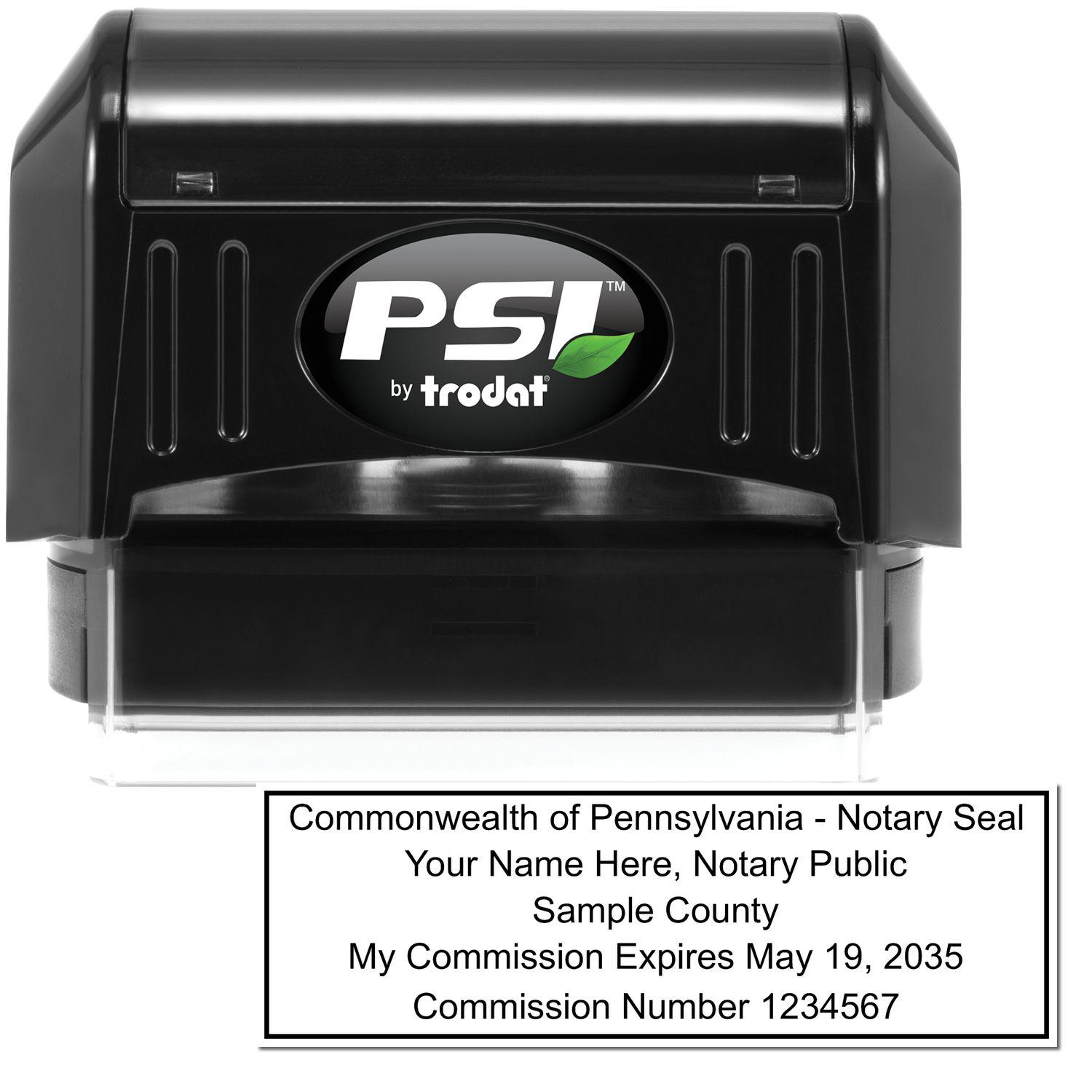
Pennsylvania notary seal requirements can sometimes feel daunting, especially if you are new to the profession or have not glanced at the rulebook in a while. Yet understanding these requirements is crucial to your notarial responsibilities. It is not only about complying with state regulations but also about ensuring that every document you notarize is valid and recognized. Below, you will find practical tips and insights to help you clarify what you need to do, when to do it, and why it matters. Whether you are about to purchase your very first Pennsylvania notary stamp or simply need a refresher, these friendly guidelines will help you stay on track.
Understand The Basics Of Pennsylvania Notary Seal Requirements
When you become a notary in Pennsylvania, one of your main responsibilities is to affirm the authenticity of signatures and documents in a legal context. To do that effectively, you need a notary seal (often a stamp) that adheres to specific state requirements. But what are the basics?Form and Shape
- Pennsylvania requires that your notary seal be a rubber stamp (though an embosser can
- also be used as a supplement, if you prefer). The stamp typically contains:
- Your name as it appears on your notary commission
- The words “Notary Public” or “Notarial Seal”
- The phrase “Commonwealth of Pennsylvania”
- The county in which you maintain your office
Legibility Requirements
- Each detail must be clear and readable. You want the seal impression to appear neat on every document, so there is no confusion about the identity of the notary who performed the service.
Expiration Date
- In Pennsylvania, you will also include your commission expiration date within your seal information. This ensures that the person reviewing the notarized document knows you are actively commissioned at the time of notarization.
Compliance With Latest Regulations
- Requirements can change over time, so it helps to check the Pennsylvania Department of State’s website periodically to confirm your seal meets current guidelines.
In short, your notary seal is a snapshot of your credentials. It provides anyone reading the document with confidence that the notarization was performed by a commissioned notary in good standing.
Apply Your Stamp Correctly
Even the most well-designed seal will not help you if it is not applied properly. Proper application is about consistency, clarity, and ensuring that you meet all the formalities required by Pennsylvania law.
Positioning And Legibility
You want to stamp your seal on or near the notarial certificate or acknowledgment wording. There should be no overlap with signatures, text, or important portions of the document. If the seal partially covers writing, that might raise concerns about interference or illegibility.
- Do Not Stamp Over Other Seals: In some documents, there may be existing stamps or official seals. Try to place your seal where it has its own space, free from existing marks or text.
- Use Smooth Surfaces: If the page is wrinkled or textured, the seal might come out unclear. A smooth, firm surface helps keep your seal crisp.
Avoid Fading Over Time
Stamp pads eventually run out of ink or produce uneven impressions. If your seal becomes faint, it may be rejected by a recording office or another legal authority. Keep an eye on ink levels to ensure every impression is dark and bold.
- Use High-Quality Ink: Check that you are using an ink specifically designed for notary stamps to prevent smudging or fading.
- Replace Worn-Out Stamps: Over the course of your commission, the rubber may degrade or lose its sharpness. Once you notice inconsistencies, it is time for a replacement.
Documentation Details
After stamping, you sign your name the same way it appears on your commission. This step is vital to tie your signature, your seal, and your notarial certificate all together in a unified record of authenticity.
Maintain Proper Records
While the main focus might be on your seal, it is just as important to keep accurate records of your notarizations. Pennsylvania law requires you to maintain a notary journal or register, which goes hand in hand with proper seal usage.
Recording Essentials
Every notarization you perform should be recorded with the following details:
- Date and time of notarization
- Type of notarization (acknowledgment, oath, affirmation, etc.)
- Description of the document
- The signer’s name and signature
- The form of identification presented (such as driver’s license, passport, etc.)
Not only is this routine required by law, but it can also protect you if a notarized document is ever called into question. Your engraved memory might fade, but your journal holds precise details.
Linking Your Seal To Your Journal
Whenever you stamp a document, make a corresponding entry in your record book. This ensures a chain of evidence that shows:
- You performed the service.
- You affixed your official seal.
- A valid ID was provided.
Consistent journaling reflects your commitment to ethical practice. Should legal disputes arise, your record will provide impartial proof of the notarization details.
Keep Your Notary Seal Secure
Maintaining the security of your notary seal is not only part of Pennsylvania notary seal requirements, but a critical aspect of your duty to protect and preserve public trust. An unauthorized person using your seal could cause serious legal troubles for you and the individuals affected.
Physical Security Measures
Authorities expect you to keep the seal under your exclusive control. Here are some suggestions:
- Locked Storage: Keep your seal in a locked drawer, safe, or lockbox when not in use.
- Controlled Access: Ensure no other person—even family or close colleagues—has free access to your stamp.
- Never Leave Unattended: If you have to step away momentarily, take your seal with you or lock it up.
Reporting Loss Or Theft
If your notary seal is lost, stolen, or somehow compromised, report it immediately to the Pennsylvania Department of State. You will need a new seal and possibly an updated commission record, depending on the situation. Acting quickly can protect you from liability if someone attempts to misuse your seal.
Choose A Trusted Supplier
When it comes to purchasing your Pennsylvania notary stamp or seal, not all suppliers are created equal. Because your stamp is central to validating documents, the product’s quality can make a big difference.
Why Go With Acorn Stamps
At Acorn Stamps, we understand the importance of delivering clear, durable, and fully compliant Pennsylvania notary seals. Our family-owned and operated business has been around since 1964, providing 60 years of service to notaries across the country. We pride ourselves on:
- Stellar Customer Service: Whether you need guidance ordering your seal or have a quick question about your commission, our team is here to help.
- Super Fast Turnaround: We know that time is of the essence. Prompt production and shipping mean you can count on timely deliveries.
- Expert Compliance: We stay up to date with Pennsylvania regulations, so you don’t have to worry about whether your seal meets official requirements.
Aside from stamps, we also provide accessories such as ink refills, replacement pads, and stamp cases. That way, everything you need for your commission is at your fingertips.
Avoiding Common Mistakes
As you shop for your notary seal, remember:
- Double-Check Your Information. Make sure you enter your name and commission expiration date exactly as they appear on your official commission.
- Choose The Right Format. Pennsylvania typically endorses self-inking or pre-inked stamps for legibility. Verify that the seal format you choose illustrates every mandatory piece of information.
- Quality Over Price. While it may be tempting to purchase the cheapest seal online, it could wind up costing you more in replacements, not to mention the hassles of a low-quality impression.
By aligning with a reputable provider like Acorn Stamps, you will have peace of mind every time you notarize documents.
FAQs
Below are five commonly asked questions to further clarify Pennsylvania notary seal requirements. If you do not see your query here, always feel free to reach out to professional associations or check official state resources for additional guidance.
Do I Need A Special Ink Color For My Pennsylvania Notary Seal?
Pennsylvania law does not specify an exact ink color for the notary seal. Black ink is the most commonly chosen color, but some notaries prefer blue to differentiate the notary seal from black-ink signatures. The key is making sure the impression is dark, clear, and legible.
How Often Should I Replace My Notary Stamp?
There is no strict rule about how often to replace a notary stamp, but it is wise to watch for signs of wear. If your seal starts producing faint or fuzzy impressions, or the text is no longer crisp, you should replace it immediately. Some notaries find they need a new stamp every few years, while others manage longer.
Is My Pennsylvania Notary Seal Valid In Other States?
Your Pennsylvania notary commission is valid only within Pennsylvania. Documents you notarize in Pennsylvania can be used in other states, but you cannot perform a notarial act in another state with your Pennsylvania commission unless you have reciprocity (which is not common). Always check local regulations if you find yourself working or traveling outside your home state.
What Happens If My Stamp Is Lost Or Stolen?
If your notary seal disappears for any reason, you must take immediate action. Report the loss or theft to the Pennsylvania Department of State. They will guide you on next steps, which typically involve getting a replacement seal and possibly providing an official statement about the incident. By reporting it quickly, you help protect yourself from potential misuse.
Do I Need Separate Stamps If I Also Perform E-Notarizations?
Electronic notarizations may require a form of digital seal or electronic signature that differs from your physical seal. While a physical seal is still necessary for paper documents, e-notarizations use secure digital platforms approved by the state. Check with the Pennsylvania Department of State for their current rules on eNotary certification.
A well-maintained and properly used notary seal is one of your most essential tools as a Pennsylvania notary. Understanding the ins and outs of Pennsylvania notary seal requirements—from choosing the right supplier to protecting your stamp from misuse—ensures you fulfill your professional duties accurately and confidently. By staying informed and using high-quality supplies, you will protect your clients, yourself, and the integrity of every document you notarize. If you have further questions or need assistance selecting your next stamp, you can always reach out to trusted suppliers like Acorn Stamps for reliable guidance. Here is to many trouble-free notarizations and a successful career as a Pennsylvania notary!