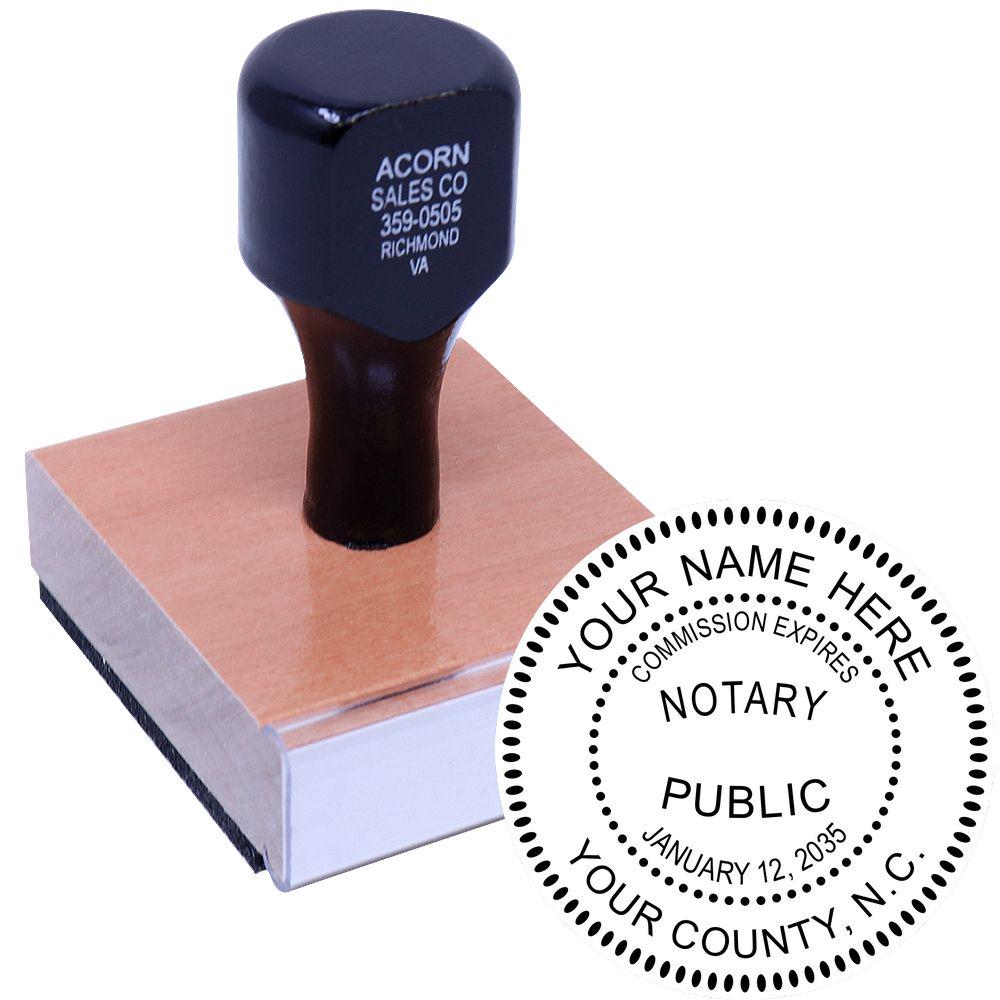
Are you a newly commissioned Notary Public in North Carolina or a seasoned professional looking to refresh your notarial skills? Either way, understanding the ins and outs of your NC notary stamp and seal is essential. From the legal requirements to the different types of notary supplies, this guide walks you through the fundamentals so you can notarize documents with confidence. Below, you will learn about official requirements, the best supplies, and practical tips for using and maintaining your stamp and seal. Let’s dive in.
Understand the NC Notary Stamp and Seal
Your NC notary stamp and seal provide an official mark that validates the authenticity of notarized documents. When you notarize a signature, it is your responsibility to ensure each document meets the requirements set out by North Carolina law. Without a proper stamp and seal, your notarization could be deemed invalid, which can create a messy situation for you and the signer. Beyond merely “marking” a document, your notary stamp and seal also serve as a symbol of trust. They let borrowers, lenders, businesses, and the general public know that a commissioned Notary Public verified the identity of the person signing the document. A notary’s stamp and seal are so vital that North Carolina specifically outlines regulations to protect the public and confirm your official notarial acts.
Recognize NC Stamp Requirements
Before you purchase or use your notary stamp and seal, you need to know North Carolina’s specific guidelines. These requirements ensure consistency across the state, making it easier for signers and third parties to recognize a valid notarial act at a glance.
Dimensions and Layout
North Carolina law stipulates that your NC notary stamp must display certain core elements:
- Your full legal notary name, exactly as it appears on your commission.
- The words “Notary Public.”
- The jurisdiction, typically “North Carolina” or “N.C.”
Your notary commission expiration date or the phrase “My Commission Expires.”The layout should be clear enough so all text is legible upon stamping. If details are crammed or font size is too small, your stamp may be difficult to read, which can lead to confusion and rejection of your documents.
Ink Color and Materials
While North Carolina does not mandate a specific ink color, choose one that reproduces well on copies and scans, such as black or dark blue ink. You also have a choice among different types of materials:
- Rubber stamps are simple, budget-friendly options.
- Pre-inked or self-inking stamps offer cleaner impressions and can be more convenient.
When deciding, consider how frequently you will be stamping. If you notarize documents daily, a self-inking or pre-inked stamp might be your best friend, both for ease of use and for maintaining crisp, consistent impressions.
Explore Different Stamp and Seal Options
Your stamp is not the only element that matters. You may also choose to use an embosser seal for certain documents, especially those requiring extra authentication or aesthetic appeal. Below are common options to consider.
Traditional Rubber Stamps
Traditional rubber stamps require a separate ink pad. You press the rubber surface onto your ink pad, then onto the document. While these stamps can deliver a reliable impression, they are slightly messier compared to pre-inked alternatives. You will also need to keep a fresh ink pad on hand, especially if you travel frequently for signings.
Pre-Inked and Self-Inked Stamps
Pre-inked stamps house the ink within the stamp for cleaner, more precise impressions. Because ink is stored inside, the mechanism typically leads to sharper edges and less risk of ink smudges. Self-inking stamps work similarly but come with a built-in ink pad that re-inks the stamp after each use. Both versions are prized for their convenience and speed, making them perfect for notaries who handle multiple documents daily.
Find a Trusted Supplier
In North Carolina, you have several options to purchase your notary supplies, but the quality and reliability can vary. You want a supplier who not only sells compliant stamps and seals but also understands notarial laws and best practices. Acorn Stamps is a family-owned and operated business that has been providing notary supplies for over 60 years, since 1964.Known for stellar customer service and super fast turnaround times, Acorn Stamps specializes in North Carolina notary stamps and seals. Partnering with a reputable supplier helps you confidently fulfill state requirements without worrying about inferior materials.
Follow Your Ordering Steps
Getting your NC notary stamp and seal may seem overwhelming when you are new to the process. However, the steps are straightforward once you know what to look for. Below is a simple breakdown to guide you.
Gather Your Commission Information
Before ordering, make sure you have:
- Your official Notary Public commission details.
- Your exact notary name as it appears on your commission.
- Your commission expiration date.
Having this information handy speeds up the ordering process and prevents typos or misprints on the final product. Any mismatch between your official documents and your stamp or seal could invalidate a notarization.
Place and Track Your Order
Next, visit your supplier’s website or store. Look for a state-compliant NC notary stamp and seal kit. Once you select the product that matches your commission details, place the order. Most reputable suppliers, such as Acorn Stamps, will process your purchase quickly and offer shipping or fulfillment details. If you have any special requests or deadlines, mention them at checkout or when speaking with the customer support team.
Maintain Your NC Notary Stamp and Seal
After putting effort into obtaining the right notary supplies, you will want to ensure they last. Proper care not only prolongs the life of your stamp and seal but also keeps you compliant with North Carolina regulations.
Secure Storage Practices
Because you bear responsibility for every notarization conducted under your seal, it is critical to store your notary stamp and seal in a secure place. Always lock them in a cabinet, desk drawer, safe, or another secure container when not in use. This prevents unauthorized individuals from using your tools and safeguards your professional reputation. If your stamp or seal were ever used falsely, you could be held legally accountable.
Simple Cleaning and Refills
Over time, dust and small debris can accumulate on or around your stamp. Wipe it gently with a clean, lint-free cloth to remove any buildup. If the stamp pad starts running low on ink, follow the manufacturer’s instructions for refilling to ensure an even impression every time. Pre-inked stamps and self-inking models often have refill bottles designed specifically for each model, so be sure to use the recommended ink to maintain clarity and extend the life of your stamp.
Review Five Common FAQs
How Long Does My NC Notary Commission Last?
In North Carolina, a notary commission is typically valid for five years from the date of issuance. You can find your expiration date on your commission certificate. Make sure to renew before this date, and remember to update your stamp or seal if any wording changes appear in your new commission.
Do I Need Both a Stamp and an Embossing Seal?
The state primarily requires you to use a stamp that includes your name, the words “Notary Public,” your jurisdiction, and your commission expiration date or phrase. An embosser seal is an optional tool that can add a professional touch or an extra layer of security. While not mandatory, some clients or organizations prefer the embossed impression on important legal documents, so having both can be advantageous.
When Should I Update My Stamp?
You should update your stamp immediately if any information in your commission changes. For instance, if you change your legal name, you must apply for an updated commission and use a corresponding stamp. Additionally, if your stamp wears out and becomes illegible, it is essential to get a replacement to ensure your documents stay compliant.
What If I Lose My Stamp?
If your stamp or seal is lost or stolen, take immediate action. Begin by notifying your local authorities if you suspect theft. Then, report the incident to the North Carolina Secretary of State’s office as soon as possible. They can advise you on steps to protect yourself from fraudulent use of your notary credentials. Finally, purchase a replacement stamp from a reputable supplier, like Acorn Stamps, to avoid any downtime in your notarial practice.
Which Ink Color Is Best?
Although North Carolina technically does not require a specific ink color, most experts recommend black ink because it reproduces sharply for copies, scans, and electronic images. Dark blue is also common if you want a subtle variation. The key is to choose a color that contrasts clearly with the document’s paper.
Conclude With Confidence
Your NC notary stamp and seal are the backbone of every notarization you perform. From verifying the validity of your documents to giving your clients peace of mind, these small but mighty tools play an enormous role in your position as a Notary Public. By understanding state requirements, selecting high-quality stamps or seals, and following best practices for maintenance and security, you are setting yourself up for notarial success.
Should you need a reliable partner for your supplies, Acorn Stamps is here to serve you. Family owned and operated since 1964, they have decades of experience helping North Carolina notaries stay prepared with top-quality products and fast, friendly service. Take the time to invest in the right stamp and seal today so you can notarize with confidence for years to come.
Remember, staying proactive with your commission details, storage, and maintenance keeps your professional reputation intact and safeguards the legal integrity of every document you notarize. You are now well-equipped to carry out your duties with professionalism and care, making each notarization a seamless experience for you and your clients.