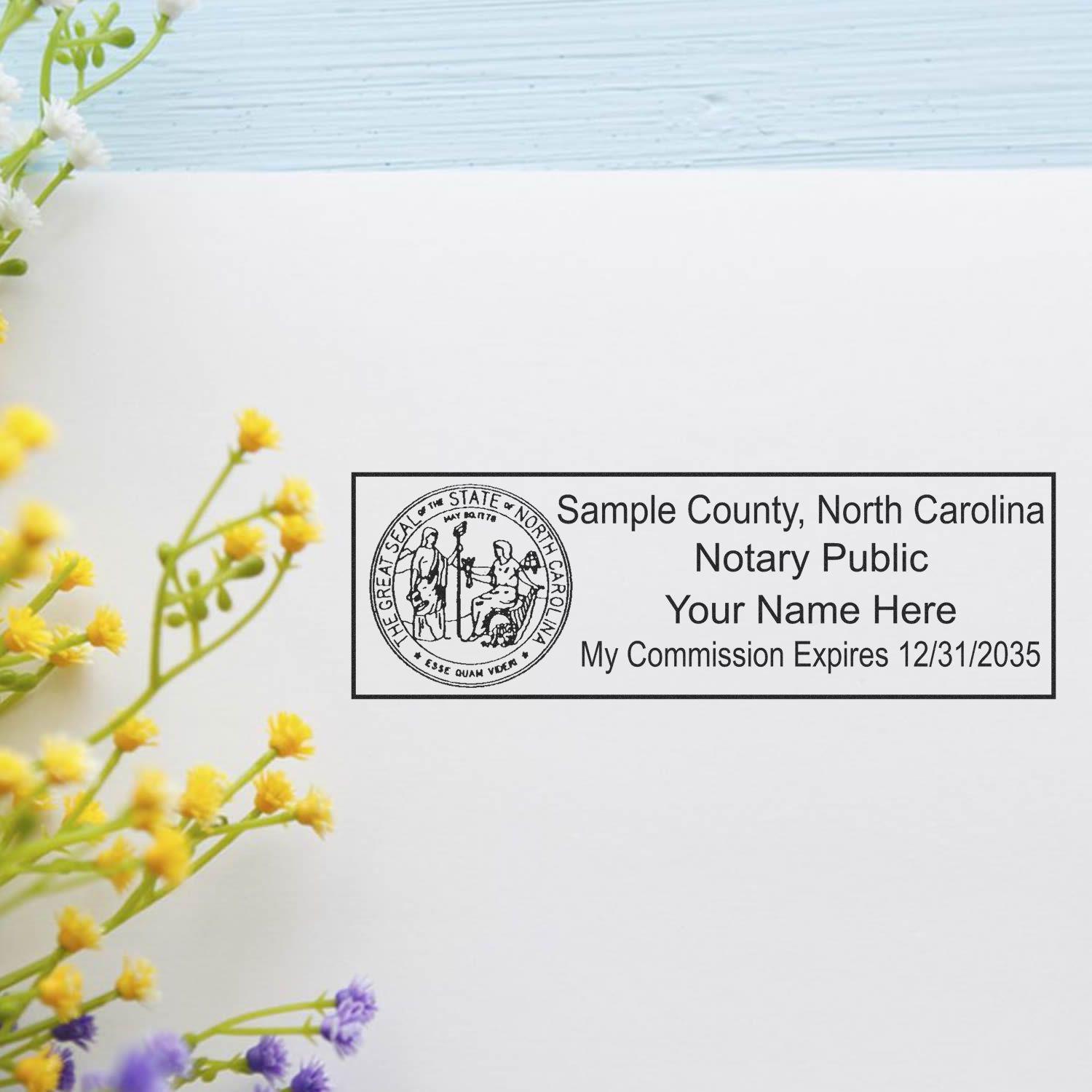
Your North Carolina notary seal is more than just a stamp of approval. It serves as a powerful symbol of your authority as a notary public and ensures that every document you notarize meets the standards set by the state. By using an officially recognized seal, you protect yourself, your signers, and the integrity of the notarization process. Below, you will learn how to get your seal, choose the right materials, and use it with confidence in your day-to-day duties as a North Carolina notary public.
Understand The Importance Of Your North Carolina Notary Seal
Many legal and financial documents depend on notarial acts to remain valid, which means your North Carolina notary seal is a crucial part of the process. It verifies the authenticity of signatures, prevents fraud, and maintains accurate records for all parties involved. The presence of your seal, along with your signature, signals that you have confirmed the signer’s identity, willingness, and mental capacity.
Your seal carries weight throughout the state and sometimes beyond. Whether you are notarizing real estate transfers, trust documents, or affidavits for court proceedings, your seal ensures legitimacy and helps guarantee each document will hold up under scrutiny. If you ever find yourself questioned on the validity of a notarized document, having a clear, compliant notary seal is one of the best ways to demonstrate that you performed your duties correctly.
Why It Matters For You And Your Clients
- Establishes your compliance with North Carolina notary regulations
- Acts as a visible indicator of your expertise and credibility
- Protects you in cases of legal inquiries about the notarization process
- Helps clients feel secure that their documents are handled properly
When you think of the notary seal as an integral part of your role, rather than just another office supply, you set yourself up for success. Fully understanding how it works and why it matters will empower you to serve your community with clarity, confidence, and true professionalism.
Key Elements Of A North Carolina Notary Seal
Every state has its own guidelines for notary seals, and North Carolina is no exception. Ensuring you have the right information on your stamp or embosser is essential. The following elements typically appear on a properly designed North Carolina notary seal:
- Your Name: This should match the name on your commission exactly. If there is any discrepancy, you risk invalidating the notarized document and confusing signers who rely on the name on file.
- The Phrase “Notary Public”: This clearly indicates your position and function.
- The Name “North Carolina”: Including the state name shows where your commission is valid.
- Optional Information: Depending on your style, you can include your county or notary commission expiration date. Some notaries choose to add these details for clarity, but verify whether this is required by current state guidelines.
Formats To Consider
- Self-Inking Stamp: Contains built-in ink and produces clean, consistent impressions.
- Pre-Inked Stamp: Holds ink within the stamp surface, making it more durable while delivering sharp stamps.
- Embosser: Imprints raised text onto paper without using ink. Some documents may prefer or require an embossed seal for added security and visual impact.
Always confirm your seal meets state requirements before you begin notarizing. The rules can change over time, and you do not want to discover too late that your seal is missing an essential piece of information.
Selecting The Right Notary Seal
When choosing a seal, consider its ease of use, clarity of the impression, and durability. You want a tool that will create crisp marks every time, serve you for the length of your commission, and remain cost-effective.
Factors To Evaluate
- Impression Quality: Look for a brand or style known for producing sharp impressions. If the seal is too light or smudged, documents may be questioned.
- Durability: A robust design saves you money in the long run. A cheaply made stamp or embosser might break or lose clarity after repeated use.
- Ink Longevity: If you prefer a self-inking or pre-inked model, pay attention to how long the ink supply will last. Some stamps provide thousands of impressions before needing a refill.
- Comfort And Portability: You will likely use your seal numerous times a day. A seal that fits nicely in your hand or travels well in a small case is ideal.
Common Mistakes To Avoid
- Buying a seal that does not list “North Carolina” or “Notary Public”
- Using an outdated seal design not recognized by current state regulations
- Choosing a style you find cumbersome or hard to operate
- Overlooking the significance of correct spelling and name format
Taking the time to pick the right North Carolina notary seal now can save you from future headaches. You will handle your notarizations smoothly, and your clients will appreciate the professional look of a clean impression on every document.
Step-By-Step Guide To Obtaining Your Seal
Acquiring your North Carolina notary seal usually follows a few clear steps. Here is a general guide, though always confirm the latest rules on the official state website or by contacting the North Carolina Secretary of State’s office directly.
- Complete The Notary Application: Begin by filling out your official notary public application through the North Carolina Secretary of State. You will need to meet certain requirements, such as being at least 18 years old, residing or working in North Carolina, having a high-school diploma or equivalent, and passing a notary course (if required).
- Await Approval And Commission: Once your application is approved, you will receive a commission valid for a specific term. You must not notarize any documents before this commission officially starts.
- Purchase A Notary Seal: After receiving your commission, you can buy a seal that meets the state’s requirements. At this point, you will want to decide on the stamp or embosser type.
- Double-Check The Seal’s Information: Carefully confirm your name, the words “Notary Public,” the state name, and any additional details you want included.
- Keep A Notary Journal: While not every state mandates a journal, maintaining one is a best practice for recording your notarizations. It can also help protect you in case of legal questions.
Tips For A Smooth Process
- Read all state guidelines thoroughly to avoid omissions.
- Keep copies of your commission documents, in case you need to reference them later.
- Enroll in required instructional courses early to streamline the commissioning timeline.
- Never use your seal until your commission term has officially started.
Once you have your seal in hand, you are ready to begin performing your duties. It might feel somewhat official all at once. Remind yourself that every notarial act you perform is a public service and a vital component of trustworthy documentation.
Best Practices For Using Your Seal
When it comes to performing notarial acts with your North Carolina notary seal, consistency and caution are your best allies. Here are some practices that will help you maintain professionalism:
- Verify Identity: Before you place your seal on any document, make sure you have confirmed the signer’s identity with acceptable ID. This step is critical for preventing fraud.
- Inspect Document Readiness: Ensure all required fields on the document are filled out properly, and confirm the signer understands the content and implications of what they are signing.
- Place The Seal Clearly: Give yourself enough room on the paper to place your seal properly. A cramped corner can lead to overlapping text or a partial impression.
- Keep A Record: Document each notarization in your journal, including the signer’s name, date, document type, and any identification details.
- Store Your Seal Securely: Treat your seal with the same care as you would a form of ID. Keep it in a locked drawer or area where only you have access.
Safety Precautions
- Avoid letting others handle or borrow your stamp or embosser.
- If your seal becomes misplaced, report it to the authorities and replace it immediately.
- Check that your seal impressions remain legible over time. If the stamp becomes worn, consider replacing it quickly.
An effective notary practice is about more than just possessing the right tools. You also need a comprehensive approach to how you employ them. By committing to careful and consistent usage, you ensure every notarized document holds up in legal and professional settings.
Maintaining And Renewing Your Commission
Once you have a functional North Carolina notary seal and an active commission, you will want to keep up with the requirements to maintain and renew your status. This is a continuous process that keeps you aligned with state standards.
Staying In Compliance
- Track Expiration Dates: Watch the expiration date on your commission, whether you include it on your seal or not.
- Keep Up With Education: Some counties or circumstances may require additional courses or refresher training. Even if not mandatory, optional continuing education can keep you well-informed.
- Adhere To Record-Keeping: If you use a notary journal, check it regularly for completeness, quality of your entries, and any patterns that need attention.
Renewal Steps
- File Renewal Paperwork: Near the end of your current commission, file a renewal application with the North Carolina Secretary of State.
- Update Seal If Needed: If your name or other details change, or if you just want a new design, order a fresh notary seal.
- Continue Using Best Practices: Maintaining high standards reflects well on both you and the North Carolina notary community.
Renewals help ensure that each notary remains trustworthy and knowledgeable. With each new commission cycle, you have the opportunity to reflect on any changes in state regulations, refresh your materials, and refine your approach for performing notarial acts with confidence.
Where To Buy Your North Carolina Notary Seal
Selecting the right seal provider can make a big difference in quality and convenience. You want a supplier who understands North Carolina’s notary requirements and offers reliable, long-lasting products. One popular option is Acorn Stamps, a family-owned and operated business that has been helping notaries for over 60 years. Acorn Stamps focuses on delivering high-quality North Carolina notary stamps and seals with super fast turnaround. Their dedicated customer service team can guide you through the ordering process, ensuring your seal meets all state specifications.
Whether you choose a self-inking stamp or an embosser, confirming the supplier’s expertise in local notary guidelines is essential. You deserve the peace of mind that comes with a properly formatted notary seal and a brand that stands behind its products. Keep your commission’s specifics at hand, so the ordering process is as efficient as possible. Once you have your brand-new seal, you will be fully equipped to serve others as a trusted North Carolina notary public.
Frequently Asked Questions
What If My Name Changes During My Commission?
If your name changes because of marriage, divorce, or other legal reasons, you must update your notary information with the North Carolina Secretary of State. From there, you need a new seal that reflects the correct name. Make sure you stop using the old seal once the updated one arrives.
Do I Need To Keep A Journal In North Carolina?
While state law does not always require a journal, maintaining one is a recommended best practice. It offers a detailed record of every notarial act, which can protect you in case of a dispute. A well-kept journal includes the signer’s name, type of document, date, and method of identification.
Can I Use My Notary Seal Outside Of North Carolina?
Your commission is valid only within North Carolina. If you notarize a document for use in another state, it may still be legally recognized, but you must physically perform the notarial act within North Carolina. Always follow the guidelines of any state where a notarized document is ultimately filed or presented.
How Often Should I Replace My Notary Seal?
You should replace your notary seal if it becomes worn or fails to produce a clear impression. Additionally, if the state modifies seal design requirements or your own details change, order a new stamp or embosser right away. High-quality stamps often last for thousands of impressions, while embossers generally endure for years with proper care.
What Happens If My Seal Is Stolen Or Lost?
Immediately report a lost or stolen seal to your local law enforcement and contact the North Carolina Secretary of State’s office if required by law. This protects you from potential misuse of your seal. You will then need to order a new seal containing the same commission information.
By understanding each aspect of your North Carolina notary seal, you can fulfill your duties with professionalism and peace of mind. Every step, from choosing the right materials to following best practices for storage, helps ensure you remain compliant and effective. Whether you notarize documents daily or only a few times a month, that seal remains a vital safeguard for the public you serve. When you are searching for a reliable supplier, consider Acorn Stamps for a seamless ordering experience. Once you have your seal ready, you are all set to handle your notarial responsibilities in the Tar Heel State with confidence and integrity.