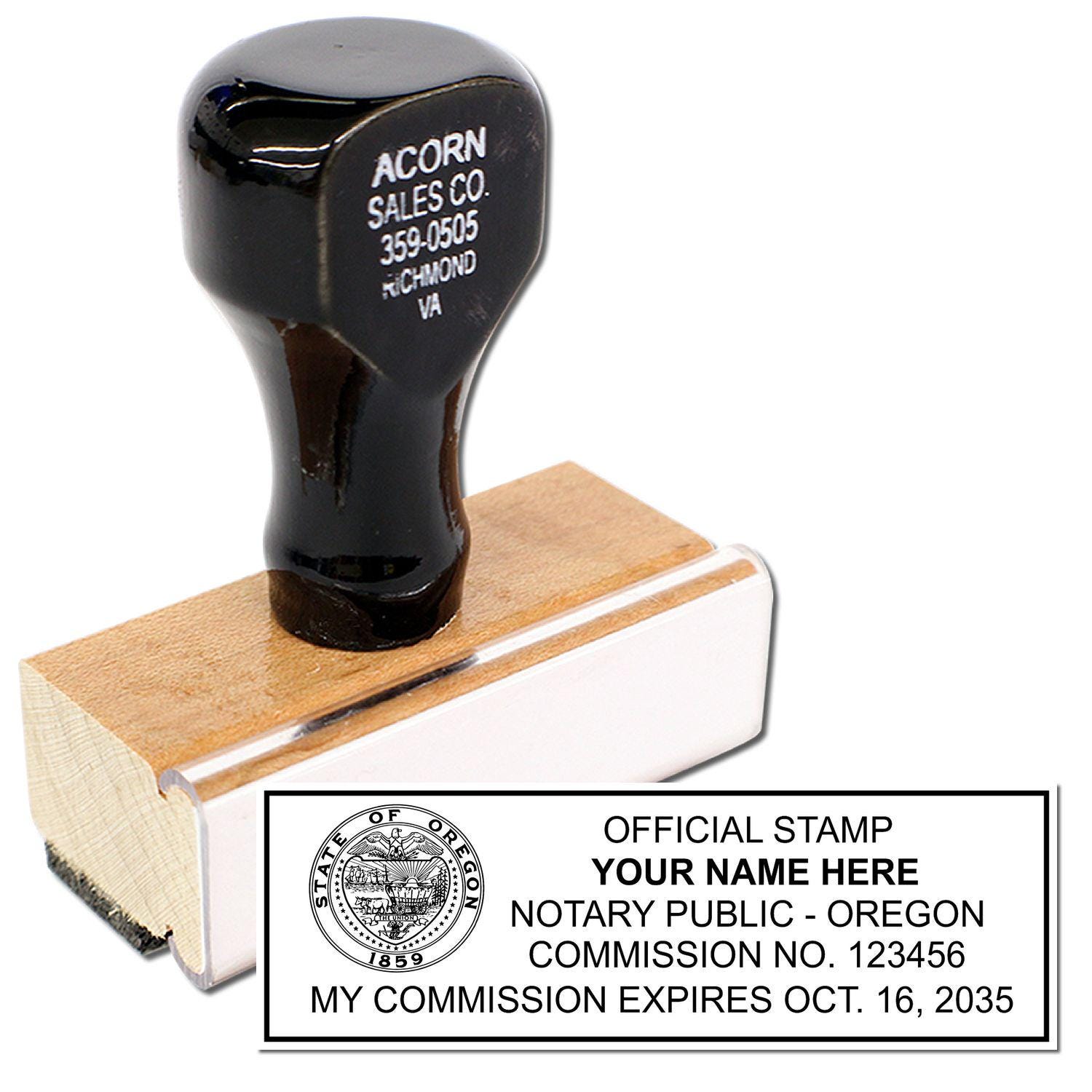
Securing your Oregon notary supplies is essential for carrying out your responsibilities as a notary public. Whether you just received your notary commission or have been signing documents for years, having the right tools on hand ensures you can notarize smoothly, follow state guidelines, and represent your clients in the most professional way possible. In this article, you will learn about the must-have items for Oregon notaries, best practices for using them, and tips on choosing a reliable supplier. By the time you finish reading, you will have a clearer idea of which supplies will best support your success as an Oregon notary public.
Understand Oregon Notary Basics
Before diving into the specific supplies you need, it helps to understand the key responsibilities and guidelines that shape your role as an Oregon notary public. You are trusted to verify identities, confirm document authenticity, and maintain impartiality throughout the process. Fulfilling these expectations properly involves more than just having a stamp. You also need to understand the following:
- How Oregon law structures your notary commission
- The types of documents you will be notarizing
- Recordkeeping standards required to stay compliant
- The importance of acting as a neutral witness without personal interest
By mastering these fundamentals, you set a strong foundation for your notary work. This knowledge informs which supplies you will rely on most and how frequently you will need to replace or update them.
Key Responsibilities for Oregon Notaries
- Confirming Identities:
You must verify the identity of any person signing a document in your presence. This typically involves checking valid identification.
- Administering Oaths and Affirmations:
Certain documents require an oath or affirmation. As a notary, you will deliver these in accordance with Oregon regulations.
- Screening for Willingness and Awareness:
Beyond identification, ensure signers are acting of their own free will and understand the content of the document they sign.
- Completing Notarila Certificates:
You will fill out certificates (or attach them, when needed) that confirm the notarial act. This process typically involves a signature, date, and an official seal or stamp.
Having the correct Oregon notary supplies on hand allows you to handle each of these responsibilities effortlessly.
Oregon Notary Stamp and Seal
Your notary stamp and seal are the mainstays of your notarial toolkit in Oregon. These items offer a visible sign of authenticity and confirm the legitimacy of the documents you notarize.
What Goes on an Oregon Notary Stamp
In Oregon, your notary stamp must meet specific guidelines determined by the Secretary of State. Typically, your stamp or seal should include:
- Your official name exactly as it appears on your commission
- The words “Notary Public - Oregon”
- Your commission expiration date
- Optional design elements or borders, as long as the mandatory text remains visible and clear
Because these elements are strictly regulated, it is helpful to choose a supplier familiar with Oregon’s notary rules. When you order a new stamp, confirm that the layout and information adhere to state standards.
Importance of a Proper Seal Impression
Whether you use an inked stamp or embossed seal, the final mark on the document needs to be crisp and readable. Illegible or improperly placed seals can cause documents to be rejected. For best results:
- Press firmly and evenly when stamping
- Keep your stamp pad clean if using a traditional rubber stamp
- Test your seal on scrap paper regularly to check for clarity
Embosser Versus Stamp: Which One to Choose
A notary embosser physically crimps the paper to leave a raised mark, whereas a notary stamp applies ink. Many Oregon notaries prefer a stamp because it is typically clearer in photocopies. However, an embosser can still play a role in your notary practice.
Advantages of a Stamp
- Quick, consistent impressions
- Easily visible on photocopies
- Durable designs can produce thousands of impressions
Because Oregon law often requires a clearly legible seal, a traditional ink stamp is typically considered standard practice to meet those requirements.
Advantages of an Embosser
- Elegant, professional appearance
- Difficult to tamper with
- Does not require re-inking
Some Oregon notaries keep an embosser on hand for ceremonial or decorative use, such as when officiating weddings or working with historic documents. If you choose to use an embosser for standard notarial work, be sure it meets the state’s visibility and readability standards. You might also combine an embosser with an ink overlay to ensure clarity in scanned or copied documents.
Must-Have Accessories for Oregon Notaries
Beyond your notarial stamp or seal, there are several other Oregon notary supplies you will depend on to stay fully prepared. Consider incorporating these items into your toolkit so you can work smoothly in any setting.
1. Notary Journal
Keeping a consistent record of your notarial acts is vital, both for your own accountability and for the protection of everyone involved in the transaction. A notary journal:
- Documents every document notarized, along with the date and signer information
- Helps you track repeated signers or suspicious activities
- Serves as proof if a notarization is questioned at a later date
Look for a journal with numbered pages so it is easier for you to reference prior entries and guard against tampering. Oregon does recommend (though not always requires) thorough recordkeeping. Even if the state’s rules change, maintaining a quality journal is a sign of professionalism.
2. Reliable Ink Pad (If You Use a Rubber Stamp)
If you opt for a pre-inked or self-inking stamp, you will have less need for a separate ink pad. However, if you work with a traditional rubber stamp, make sure you have a well-inked and clearly marked pad in a color that meets Oregon’s guidelines. Blue or black ink is usually recommended because it is easy to read and photocopy. Check your ink regularly to ensure bold and clear stamping.
3. Secure Locking Case or Bag
Protecting your gear is more than a matter of convenience. Oregon notary stamps and seals must stay under your direct control, because misuse can open you up to significant liability. A locking case or travel bag:
- Prevents unauthorized access to your stamp, seal, and journal
- Keeps your supplies safe while you travel between appointments
- Organizes all your tools in one place
When you are not using your notary supplies, make sure they are locked away. This simple habit can help you avoid headaches and ensure you always know where your tools are.
4. Replacement Ink or Embosser Foil Stickers
If you use a self-inking stamp, keep a spare ink cartridge handy to ensure you never run out on a busy day. For embossers, you may want to have adhesive gold or silver foil stickers on hand. These stickers provide a clear surface for the raised impression and can make the embossed seal easier to read on photocopies.
5. Photo ID Reference Guide
While not strictly required, a small reference guide helps you confirm the validity of various identification cards you might encounter. Oregon notaries often see driver’s licenses, passports, and state ID cards. A guide can show you where to look for expiration dates, security features, and other important details. This is especially useful if you move around the state or encounter out-of-state IDs.
Additional Tips for Effective Notarization
Owning the right supplies is a big step forward, but knowing how to use them effectively ensures you provide smooth and reliable service. Here are some pointers to keep your notarial acts on track:
- Always verify the spelling of the signer’s name on their ID matches the name on the document
- Position your seal or stamp in a spot where it will not overlap text, signatures, or other stamps
- Double-check for completeness, ensuring that the signer’s part of the document is entirely filled out before notarizing
- If an error slips through, follow Oregon’s guidelines on voiding or correcting entries in your notary journal
You might also consider gently reminding your clients to bring valid, unexpired ID documents to the appointment, so you can avoid any last-minute cancellations.
Choosing the Right Supplier
When you want quality, reliability, and peace of mind, select a provider with a track record of success in creating Oregon notary supplies. This is where Acorn Stamps stands out. As a family-owned and operated company since 1964, with six decades of experience, Acorn Stamps prides itself on:
- Knowledge of Oregon notary requirements
- Stellar customer service that helps you find exactly what you need
- Super fast turnaround times so you can start notarizing without delay
- Competitive pricing that respects your budget
Whether you need a replacement seal or you are ordering your very first set of supplies, Acorn Stamps can guide you through the process. They understand the importance of delivering consistent, crisp impressions on every page. Working with a trusted supplier means you can focus on your duties and spend less time worrying about worn-out or incorrect materials.
Frequently Asked Questions
Below are five common questions about Oregon notary supplies that can help you further refine your notary practice.
What Are the Basic Supplies I Need to Start as an Oregon Notary?
You will want at least three key items to begin notarizing: a state-compliant notary stamp or seal, a notary journal for recordkeeping, and a secure bag or container for storing your supplies. Many notaries also invest in extra ink or embosser stickers for backup, as well as a reference guide for verifying ID types.
How Often Should I Replace My Notary Stamp?
This largely depends on how often you perform notarizations. A stamp can typically last thousands of impressions before the ink becomes too light or the rubber wears down. A self-inking or pre-inked model might require new ink pads or cartridges at regular intervals. Inspect your stamp impressions periodically. If you notice it fading or smudging, it is time to refresh or replace your stamp.
Are Embossers Mandatory in Oregon?
No. In most cases, a traditional ink stamp that meets Oregon’s requirements is sufficient. However, some notaries keep an embosser for special signatures or ceremonial events. If you do opt to use an embosser for official notarial acts, ensure the raised impression is clearly visible in both original and photocopied documents.
Can I Share My Notary Stamp With Another Notary?
In Oregon, you are responsible for keeping your notary stamp or seal under your direct control. Allowing others to use or borrow your stamp opens you up to liability and potential disciplinary action. Each notary public should have their own dedicated stamp that matches the exact name on their commission.
How Do I Choose a Reliable Place to Buy Oregon Notary Supplies?
Look for a supplier with a strong reputation, knowledge of Oregon’s notary regulations, and responsive customer service. You will also want to consider turnaround times and product durability. Acorn Stamps excels in all these areas, offering personalized assistance, family-owned expertise, and fast shipping so you can stay focused on your notary duties.
Conclusion
Having the right Oregon notary supplies ensures you can confidently handle every notarization with efficiency and professionalism. From a reliable stamp or embosser to a detailed notary journal, quality tools help you meet Oregon’s standards while meeting your clients’ expectations. By partnering with a trusted supplier like Acorn Stamps, you gain access to knowledgeable support, fast turnaround, and products crafted with your needs in mind.
Take stock of your current toolkit and identify what might be missing or due for an upgrade. By investing in the essentials now, you will be ready to serve your community and build a notary practice that clients trust and recommend.