Whether you are brand-new to the notary profession or looking to refresh your skills, understanding Oregon notary requirements is your essential first step. As a prospective Oregon notary public, you hold a unique position of trust. By adhering to the state’s regulations, you can protect yourself and the public you serve. Below, you will find a comprehensive overview of the key steps involved in meeting Oregon’s notary guidelines, along with practical tips to set you on a path of confidence and success.
Understand Oregon Notary Qualifications
Meeting the basic eligibility criteria for Oregon notary requirements is your first stop. While these rules lay the foundation for your notarial practice, they also ensure you are properly vetted, so those who rely on your services can have full confidence.
Residency Or Place Of Employment
- You must live in Oregon or have a regular place of employment within the state.
- This helps make certain you stay informed on legislation and updates from the Oregon Secretary of State.
Minimum Age
- You must be at least 18 years old.
- This ensures that you can be held legally responsible for your notarial acts.
Good Moral Character
- You are required to disclose any convictions or legal concerns in your application.
- The Oregon Secretary of State reserves the right to deny your application if your character is deemed questionable.
English Proficiency
- Being able to read and write English is essential, ensuring that you can carry out your duties with clarity and accuracy.
Before you fill out any applications or order notary supplies, make sure you meet these simple but important requirements. If you don’t, you risk running into delays or even a denial of your notary commission.
Complete Your Notary Training
Once you confirm that you are eligible, your next step is to get proper training. Oregon law requires you to complete a state-approved educational course if you are a new applicant or if your commission has lapsed.
Why Training Matters
- Accuracy And Confidence
A structured education program teaches the correct execution of various notarial acts, which includes jurats, acknowledgments, and oaths.
- Legal Compliance
You gain an understanding of state-specific regulations that govern how you perform your duties, including recordkeeping and authorized identification methods.
- Reduction Of Risk
Mistakes in notarizations can lead to legal or financial liability. A solid foundation in Oregon notary requirements helps you avoid the pitfalls that come with misinformation or guesswork.
Typical Training Format
- Online Modules
Many courses are offered online, making it simple to complete them at your own pace. Check the Oregon Secretary of State’s website for an up-to-date list of approved providers.
- Hardcopy Materials
Textbooks or printed guides may be included to reference as you master the basics. These often include practice exercises to test your knowledge. Completing the course and passing any associated tests is a critical milestone. Save any certificates or documentation that prove you have met Oregon’s educational requirement because you may need them during the application process.
Get Your Oregon Notary Commission
After your training is finished, you can apply for your Oregon notary commission. This is the official permission from the state that licenses you to provide notarial services.
Application Process
Fill Out The Forms
- Visit the Oregon Secretary of State website to submit your notary application.
- Provide the personal information requested and disclose any legal concerns.
Pay The Application Fee
- Fees vary over time, so check the current pricing to avoid surprises.
- Always keep any proof of payment records in case documentation is ever requested.
Take The Oath Of Office
- In some cases, you may be required to take a formal oath. Instructions are generally part of the application process.
Await Approval
- The review process may take a set number of days or weeks, depending on state timelines. Keep an eye on any official notifications or emails.
Tip: Stay Organized
Make digital or hardcopy backups of all forms, payment receipts, and training certificates. Maintaining organized records now can prevent headaches later.Being commissioned officially designates you as an Oregon notary public. At this point, you are authorized to perform notarial acts, but you still need the proper supplies before you can begin.
Acquire The Right Supplies
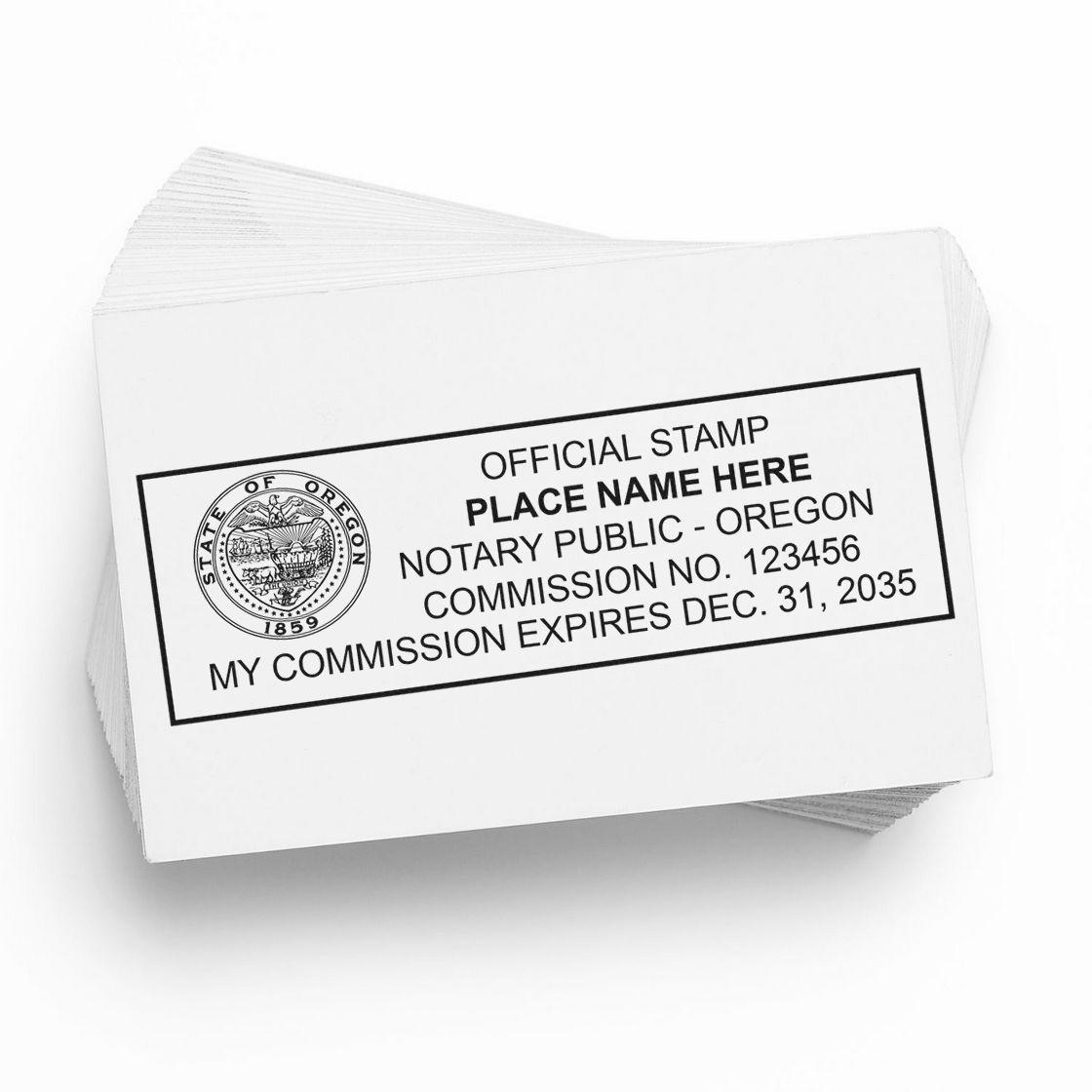
Having the correct notary supplies on hand ensures that each notarial act is legitimate, properly certified, and easy to verify. When you think of Oregon notary requirements, obtaining a reliable seal or stamp is crucial. In addition, you will likely need a notary journal to log your transactions.
Seals And Stamps
The Oregon Secretary of State requires every notary to include specific details in the seal impression. These typically include your name, the words “Notary Public,” “State of Oregon,” and your commission expiration date. This information validates the authenticity of a document and confirms that you are the notary who performed the service.
- Embossers vs. Ink Stamps
Some notaries prefer an embosser that creates a raised seal, while others prefer a self-inking or pre-inked stamp for quick use. Whichever you choose, make sure it meets the official design requirements.
- Where To Find Quality Supplies
Look for a reputable provider with a track record of excellent service and fast turnaround. Acorn Stamps is a top supplier of Oregon notary stamps and seals, and we have proudly been family owned and operated since 1964. That is over 60 years of meeting notary needs. You can count on stellar customer service and quick delivery times to get your commission up and running without delay.
Notary Journal
Oregon notaries are strongly advised (and in certain instances required) to keep a chronologically bound journal. This ensures that any legal question raised about a notarized document can be resolved by reviewing the notarial record.
What To Record
- Date and time of each notarial act
- Type of notarial act performed (acknowledgment, jurat, oath, etc.)
- Identification method used (driver license, passport, credible witness)
- Signature of the person whose document is being notarized
Tips For Consistency
- Enter each transaction as soon as possible, ideally while the signer is still present. This precaution reduces errors and maintains a clear audit trail.
With the right supplies in hand, you can begin serving the community as an Oregon notary public. However, there are a few more points to keep in mind about daily operations and state regulations.
Fulfill Your Recordkeeping Obligations
Recordkeeping is a critical part of the Oregon notary requirements that protects both you and the public. By maintaining accurate records, you help safeguard against fraud and create a transparent trail of your official acts.
Secure Document Storage
Treat your notary journal, seals, and stamps with special care, as they can be misused if they fall into the wrong hands. Consider these practical security steps:
- Keep your notary seal in a locked drawer or container.
- Store your journal in a locked cabinet, away from unauthorized access.
- Never lend your notary supplies to anyone, even a trusted coworker or assistant.
Proper Disposal
If you ever need to destroy old journals or outdated seals, follow state guidelines to do so responsibly. Generally, shredding or otherwise rendering documents unreadable protects the confidential data of past transactions. When in doubt, consult the Oregon Secretary of State or the official notary resources they provide for the recommended steps.
Maintain Legal Compliance
Staying compliant with Oregon notary requirements involves more than just completing a course and stamping documents. It means keeping up with new laws, abiding by strict ethical guidelines, and keeping personal biases in check as you carry out official duties.
Avoid Common Pitfalls
Notarizing Documents Without Personal Appearance
- Oregon notary law usually requires the signer to appear in person before you to verify identity and willingness.
- Remote notarization may be allowed under specific circumstances, but check current statutes before offering it.
Failing To Check The Signer’s Identification
- Always verify that the person signing the document is who they claim to be.
- Acceptable forms of ID typically include driver licenses, official IDs, and passports.
- Keep consistency in how you review and log identification details.
Notarizing For Family
- Oregon law does not always prohibit notarizing for relatives, but it strongly recommends against doing so if you have a financial or personal interest in the document.
- When in doubt, politely explain that the ethical standard is to avoid potential conflicts of interest.
Stay Updated On Rules
The Oregon Secretary of State’s office may update or revise regulations, so bookmark their official website and check it regularly. Many professional notary associations also provide updates and training resources. Maintaining membership in such an organization can keep you informed of legislative changes and best practices.
Renew Your Commission On Time
Your notary commission in Oregon has an expiration date. If you want to continue serving your community without interruption, mark your calendar for renewing well before that date.
Renewal Steps
- Check Renewal Requirements
At least a few months before your expiration, see if you must retake any training or exams.
- Complete The Application
Follow the same process as outlined for new applicants, but specify that this is a renewal.
- Order A New Notary Seal
If your commission number or expiration date changes, you will need updated supplies to reflect the new information.
Tip: Avoid Service Gaps
If your commission expires, you lose your legal authority to notarize documents. Any acts you perform during this gap may be declared invalid. A timely renewal, combined with continuous professional education, helps you maintain your standing as a reliable notary public.
Frequently Asked Questions
How Long Does It Take To Become An Oregon Notary?
You can typically complete your training in a matter of hours or days, depending on the course provider you choose. After you submit your application and required documentation, the state may need several weeks to process everything. Planning ahead and gathering all necessary forms reduces potential delays.
Can I Perform Remote Online Notarizations In Oregon?
Oregon has specific rules that allow certain remote online notarizations under defined circumstances. However, these regulations are updated periodically, so you should check the Oregon Secretary of State website or trusted professional associations for the most current guidance.
What Happens If I Move Within Oregon?
If you relocate but remain in Oregon, update your address with the Secretary of State. This will keep your commission valid and ensure official correspondence is sent to the correct location. Failure to update your address promptly can lead to missed renewals or important notices.
Who Do I Contact For Official Questions?
Your primary resource for Oregon notary requirements and official information is the Oregon Secretary of State. You can also connect with notary associations or training course providers for additional help. Stay cautious with third-party websites that may not always have the most recent information.
Do I Need A Bond Or Insurance?
While Oregon does not mandate a surety bond, bonding and errors-and-omissions (E&O) insurance offer extra protection. These optional policies can safeguard you financially if someone claims that you were negligent while performing a notarization. If you decide this route is beneficial, be sure to select a trusted insurance provider who understands notarial work.
Acquiring and retaining your Oregon notary commission involves a series of steps, from verifying your eligibility and attending training to purchasing your seal and journal. By committing to thorough recordkeeping, maintaining compliance, and renewing your commission before it expires, you demonstrate dedication to this trusted public office. Whether you need a quick turnaround on your Oregon notary stamp or want personalized customer service, consider turning to Acorn Stamps. We are proud to be family owned and operated since 1964, eager to help you meet Oregon’s notary standards with confidence and ease.
By following these guidelines, you will be well on your way to building a reputable notary practice in Oregon. Your community will benefit from a professional they can rely on, and you will enjoy the satisfaction of contributing to the integrity and security of important legal transactions.