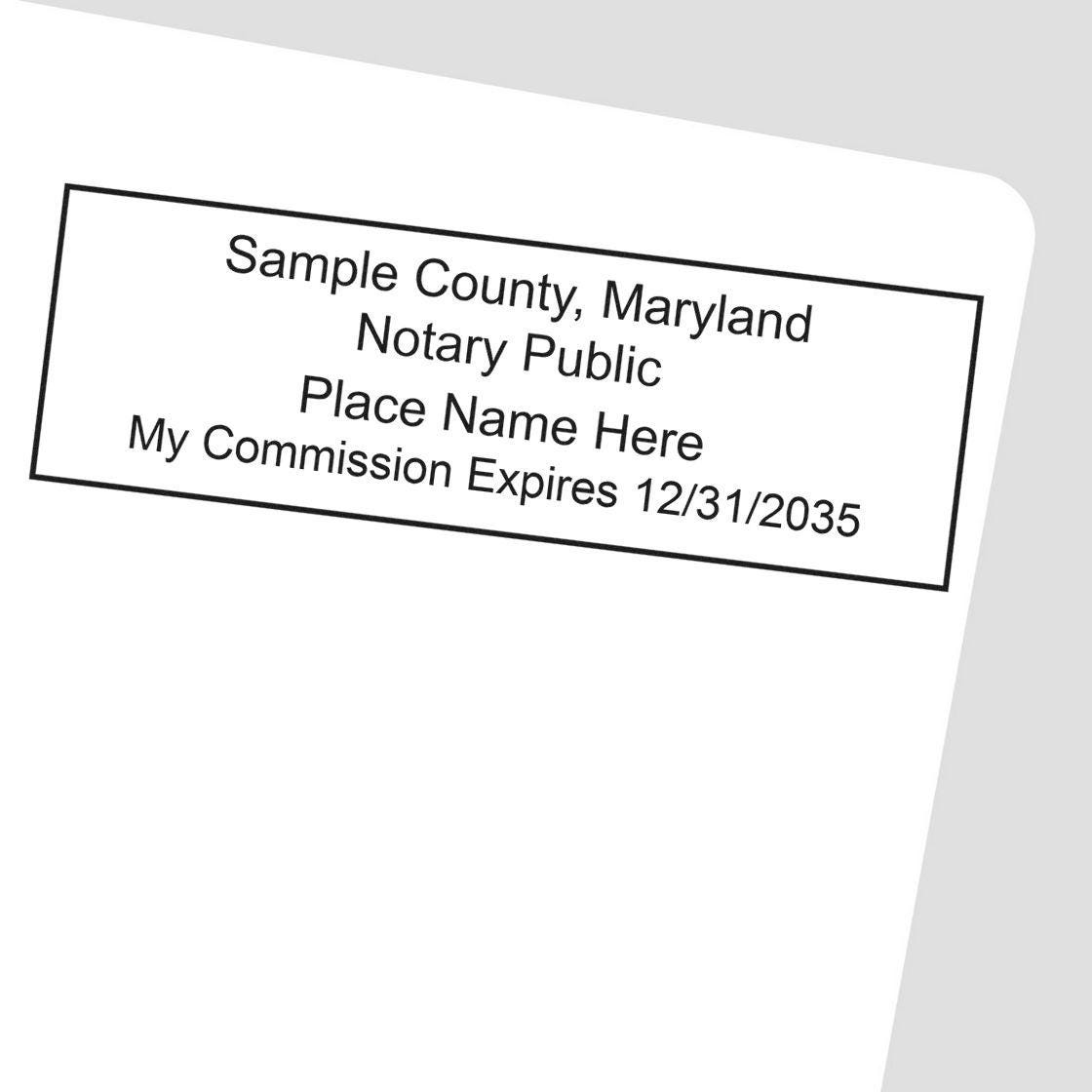
When you become a notary public in Maryland, your Maryland notary stamp becomes an essential tool in performing your duties. It’s not only a legal requirement but also a symbol of trust. Whether you’re just getting started or looking to replace your current stamp, choosing the right one helps ensure smooth notarizations, verifies authenticity, and maintains compliance with state regulations. In this guide, you’ll discover everything you need to know about selecting, using, and maintaining your Maryland notary stamp so you can confidently fulfill your responsibilities.
Recognize the Importance of Your Notary Stamp
Your stamp plays a critical role in validating the documents you notarize. People and organizations rely on you to confirm that they’ve signed and understood the documents in question. When you use your notary stamp, you’re embedding an official seal of legitimacy.
- Enhances document credibility: The stamp proves that a licensed notary public supervised the signing process.
- Reduces chance of fraud: Each unique Maryland notary stamp leaves a distinct impression that prevents document tampering.
- Reinforces accountability: By using a stamp that meets state guidelines, you demonstrate adherence to professional standards.
Choosing a high-quality stamp is more than a matter of aesthetics. It directly affects your daily workflow and the impression you leave on clients.
Key Requirements for a Maryland Notary Stamp
While your personal preferences matter, the state maintains specific rules for notary stamps. If you’re not aware of these requirements, you could risk noncompliance or the rejection of important documents. Here’s what you need to keep in mind.
Official Specifications
Maryland guidelines require your notary stamp to include certain details so all notarized paperwork is easily identifiable. Generally, your stamp should feature:
- Your exact notary public name, as commissioned.
- The words “Notary Public.”
- The county or city in which you’re commissioned.
- Your commission expiration date.
Your notary identification number isn’t always mandatory in Maryland, but some choose to include it for an added layer of traceability. Check the Maryland Secretary of State website for the most up-to-date regulations.
Placement and Usage
You’ll need to stamp your seal close to your signature on every notarized document. Avoid overlapping text or signatures, and make sure the impression is legible and clear. In Maryland, it’s best practice to:
- Use dark-colored ink, typically black or blue, so the imprint is easy to read.
- Test your stamp impression before using it on official paperwork to avoid smudges or fading.
- Keep your commission information updated on your stamp. If you renew your commission or change your name, replace or update the stamp promptly.
Following these guidelines protects you from potential disputes and ensures the documents you notarize hold up under legal scrutiny.
Types of Notary Stamps Available
Today’s market offers several types of stamps, each providing unique features and benefits. Understanding the differences will help you pick a stamp style that suits your pace and environment—whether you’re handling a few notarizations a month or managing a busy practice.
Traditional Rubber Stamps
Traditional rubber stamps remain a budget-friendly choice. You’ll need a separate ink pad to press before stamping, so they might feel slightly more time-consuming than other options. However, these stamps can still leave a sharp, consistent impression when paired with a good ink pad.
- Cost-effective and widely available.
- Easy to replace or customize.
- Requires an external ink pad, which can be cumbersome if you’re traveling frequently.
Self-Inking Stamps
Self-inking stamps are popular for their no-mess, user-friendly design. The ink pad is built into the stamp housing, so you simply press down and get a clean impression.
- Quick and efficient for high-volume notarizations.
- Lasts for hundreds or even thousands of impressions before re-inking.
- Reduces risk of ink pad misplacement.
If you’re constantly on the go, self-inking stamps can save you time and effort, keeping your process efficient.
Pre-Inked Stamps
Pre-inked stamps typically use a sleek technology to deliver sharper, more detailed impressions. Since the ink is infused into the stamp’s internal reservoir, each imprint is crisp.
- Offers the cleanest possible imprint.
- Often yields more impressions than self-inking stamps before needing a refill.
- Ideal for a professional look, but might price slightly higher than other types.
Pre-inked stamps can be an excellent investment if you want long-lasting performance and the highest-level clarity for your notary imprint.
Choosing the Best Ink Color and Design
While standard black ink remains the go-to choice, you might consider blue as an alternative since it provides a clear contrast on documents often printed in black. The key is to use a color that clearly shows your seal on photocopies and scans. When deciding on the design itself, ensure your name and commission information are spelled correctly. Pay attention to the typeface, spacing, and shape of the border. The best stamp design is one that aligns with Maryland’s specifications while still reflecting your personal or professional style.
- Consider brand reliability: Reputable manufacturers hand-verify the details to avoid spelling and layout errors.
- Keep it simple: Overly ornate designs might compromise legibility.
Why Acorn Stamps Is a Top Choice
If you’re seeking a high-quality Maryland notary stamp, Acorn Stamps stands out for several reasons. Our family has been in the stamp business for 60 years, offering notaries like you a trusted source for both stamps and seals. Here’s what sets us apart:
- Family Owned and Operated Since 1964: You’ll benefit from our long-standing commitment to craftsmanship and customer satisfaction.
- Stellar Customer Service: We guide you from the moment you place your order until you receive your stamp. Your questions are answered quickly, and concerns are resolved with care.
- Super Fast Turnaround: Get your stamp delivered as soon as you need it, which is crucial when unexpected notarization requests come in.
- Compliance You Can Trust: We keep track of Maryland regulations so you don’t have to worry about the finer details.
Our extensive experience serving Maryland notaries means you can rely on our knowledge, professionalism, and efficiency throughout the entire process.
Tips for Proper Stamp Usage and Maintenance
A high-quality stamp will make your job easier, but you’ll still need to take care of it. Regular maintenance helps extend its life and ensure clear impressions.
Securing Your Stamp
Your notary stamp is a legal tool, so you should store it securely. Keep it in a locked drawer or a personal safe, particularly if you share an office. Unauthorized use of your stamp could lead to document fraud or legal complications. Simple steps like labeling a storage case and informing colleagues of the stamp’s location (only if they need that information) keep your notary practice transparent and protected.
Re-Inking or Replacing
Eventually, every stamp runs out of ink. As soon as you notice your impressions are faint or incomplete, it’s time to add more ink or order a replacement ink pad. If you have a self-inking or pre-inked stamp, make sure to follow the manufacturer’s instructions on re-inking properly.
- Keep extra ink on hand if you perform frequent notarizations.
- Clean the stamp surface periodically to remove any buildup of residue.
- Double-check your commission dates. If they’re about to change due to a renewal, you’ll want to update your stamp.
With practical maintenance habits, you can keep your Maryland notary stamp in top shape, ensuring every impression stays professional and valid.
Frequently Asked Questions
Are Maryland Notaries Required to Use a Specific Color of Ink?
Maryland does not enforce one universal ink color, but black or blue are the most common and recommended. These colors stand out on copies and scans, and they’re generally accepted by organizations and government agencies.
How Long Does a Maryland Notary Commission Last?
A Maryland notary commission typically lasts for four years. Once your commission period is up, you must renew through the Maryland Secretary of State’s office to continue performing notarial acts. That’s also the time to order a new stamp reflecting the updated expiration date.
Where Can I Order a Replacement Stamp Quickly?
If you need a replacement stamp fast, you can order from Acorn Stamps. Thanks to our super fast turnaround, we can handle urgent orders without sacrificing accuracy or quality. We ensure your new stamp meets all state requirements so you can quickly get back to work.
Can I Get My Notary Stamp Customized?
Yes. You can personalize your stamp with design options that remain compliant with Maryland’s regulations. Just make sure you retain the official elements, such as your name, “Notary Public,” and your commission’s expiration date, to avoid any legal issues.
Do I Need a Notary Seal Embosser?
Although the Maryland Secretary of State doesn’t always require a raised seal embosser, some notaries prefer it for added prestige and an extra layer of authenticity. It can be particularly valuable when handling specialized documents that rely on visible raised seals. If you choose to use an embosser, pair it with your inked stamp for a comprehensive approach to fraud protection.
Final Thoughts
Selecting the best Maryland notary stamp doesn’t have to be complicated. By understanding state requirements, exploring the available stamp types, and considering your specific workflow, you’ll find a reliable stamping solution that meets your notarial needs.
When you’re ready to invest in a new stamp—or upgrade your existing one—Acorn Stamps offers decades of expertise, a commitment to Maryland compliance, and a user-friendly ordering experience. Whether you prefer the traditional feel of rubber stamps or the effortless efficiency of self-inking styles, our team supports you from selection to delivery, ensuring you’re equipped to handle all your notarizations with confidence. Put these tips into practice, and you’ll have a clear, professional stamp imprint every time. By maintaining and safeguarding your Maryland notary stamp, you’re not only preserving the integrity of your notarized documents but also upholding the trust your community places in your role.