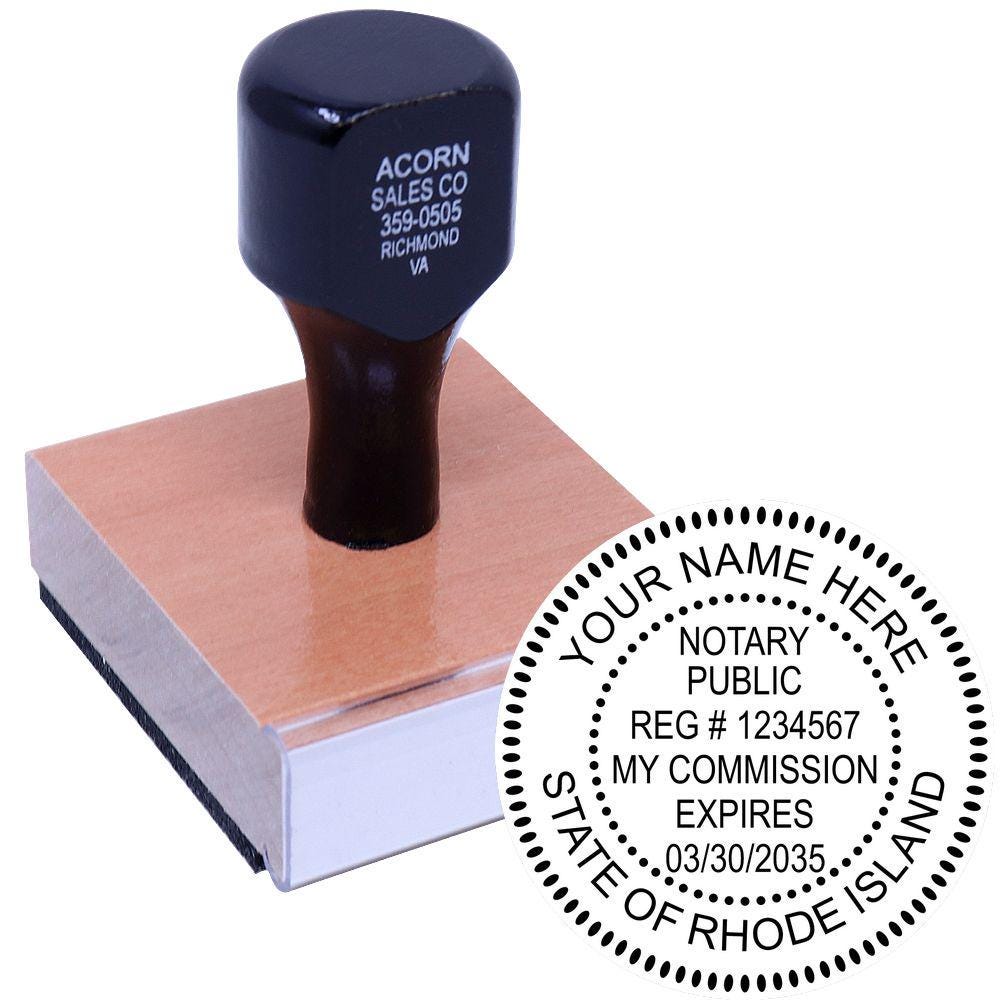
Rhode Island notaries like you carry significant responsibilities, and the tool you choose to authenticate documents matters more than you might think. A reliable Rhode Island notary seal embosser not only helps you fulfill your duties accurately but also adds a layer of professionalism to every page you touch. Whether you are just starting out as a notary public or looking to upgrade your current tools, selecting the right embosser can streamline your workflow and enhance the security of the documents you notarize.
In this article, you will discover how embossers work, explore key features to consider, and learn helpful tips for day-to-day use. You will also find insights into how a family-owned business like Acorn Stamps can make a difference in your notarial experience. By the end, you will understand how to keep your embosser in top condition, use it effectively, and confidently serve the public with a properly executed seal.
Recognize Your Notarial Responsibilities
Before you decide on a Rhode Island notary seal embosser, it is important to understand what your role encompasses. As a Rhode Island notary public, you are commissioned by the state to act as an impartial witness to the signing of important documents. Your responsibilities include verifying the identity of signers, confirming their willingness to sign, and ensuring there is no fraud or coercion involved.
The Importance of a Clear Impression
- A clear and distinct raised seal on documents signals the authenticity of your notarization.
- Crisp impressions minimize the risk of someone questioning the validity of the notarial act.
- Courts and agencies often look for evidence of a properly embossed seal when verifying a document’s legitimacy.
Dealing With Common Documents
You might witness signatures on everything from real estate deeds and powers of attorney to affidavits and corporate contracts. In each case, your embosser is used to authenticate and personalize the document with your official seal. Without a reliable seal:
- Vital information, such as the date of notarization and your commission details, may be unclear.
- Legal challenges could arise if your impression is faint or illegible.
By clearly marking each notarized document, you provide a reassuring guarantee that the signing process was conducted correctly. Knowing your responsibilities sets a solid foundation for choosing the right embosser.
Understand the Range of Embossers
A Rhode Island notary seal embosser comes in various styles and sizes. While they share the same goal, creating a raised impression of your official seal, their designs and portability differ. When you begin your search, you will likely encounter these common types:
- Handheld Embosser
Compact and easy to carry. Ideal if you regularly travel to perform notarial services. A handheld embosser typically fits well in a small bag or briefcase, making it convenient for your on-the-go needs.
- Desktop Embosser
Sturdier design that rests firmly on a flat surface. If you work in a fixed office space, a desktop embosser offers a comfortable grip and consistently clean impressions.
- Long-Reach Embosser
Engineered for maximum versatility, with a deeper throat for positioning your seal further into a document. If you handle legal papers requiring impressions away from the edge, a long-reach model helps ensure there is no awkward folding or partial stamping.
Matching the Embosser to Your Work Style
Your selected style should fit how and where you typically notarize documents. If most of your work is done in a single location, a sturdy desktop design reduces hand strain and provides a clear impression every time. However, if you make house calls, a smaller handheld version may be more practical. Some notaries keep both a desktop and a handheld embosser on hand, so they are always prepared.
Explore Key Design Features
Not all embossers are created equal, and certain features can significantly affect your day-to-day experience. When comparing options, pay special attention to these design elements:
1. Ergonomics and Grip
An embosser that fits comfortably in your hand or sits securely on your desk can reduce fatigue and help you apply a consistent amount of pressure. Ergonomic grips and non-slip components protect your wrist and ensure each impression is crisp.
2. Quality of Materials
Look for durable components made of metal or high-quality plastic that can withstand continuous, repeated use. Lower-grade materials might crack, resulting in uneven impressions or tool failure over time. A robust embosser frame tends to last longer, saving you money in the long run.
3. Raised Vs. Inked Seal
While embossers traditionally create a raised seal, some models come with attachments that apply ink to the raised portion. This can make your seal easier to photocopy or scan. Consider whether you will be dealing with digital document uploads and how frequently your clients might require photocopies. If you handle many digital or scanned documents, an inked seal element may be beneficial.
4. Personalization Options
Your Rhode Island notary seal embosser is more than just a tool, it is a reflection of your professionalism. Select a customization style that adds your name, commission number, and official notary title in readable text. The font and layout you choose should create a seal that stands out while meeting state requirements for clarity and accuracy.
Maintain Your Embosser for Longevity
Once you invest in an embosser, taking the right steps to care for it ensures you will enjoy smooth, consistent impressions for years to come. Proper maintenance benefits both you and the public you serve, as a well-kept embosser reduces the likelihood of stamping errors or misreads.
Regular Cleaning
- Use a soft cloth to wipe away any dust or buildup around the die area.
- Gently remove small debris with compressed air, readying the surface for crisp impressions.
- Avoid harsh chemicals that could damage the metal or plastic parts. Mild soapy water is typically sufficient for cleaning the exterior.
Proper Storage
- Keep your embosser in a protective case if possible, especially if you travel often.
- Store it somewhere with stable temperatures and low humidity. Excess moisture can cause rust or warping of certain components.
- Exercise care if you leave it on your desk. An accidental drop could bend the embosser, resulting in uneven stamping.
Preventive Inspections
- Give the internal mechanisms a quick check every few weeks, ensuring screws and pins remain tight.
- Squeeze the handles or press the lever to feel for any irregular resistance. If something seems off, consult a professional repair service or replace worn-out parts immediately.
- Confirm that the seal imprint is aligned properly and produces a clean, complete shape.
Regular upkeep preserves your investment and keeps your tools compliant with Rhode Island’s notarial standards.
Get Support From Family-Owned Experts
When you want a reliable Rhode Island notary seal embosser, you deserve a supplier who understands both notary laws and exceptional customer service. At Acorn Stamps, we take great pride in being a family-owned and operated business since 1964. We have built our reputation by focusing on these core values:Expert GuidanceOur knowledgeable staff understands the ins and outs of Rhode Island notary regulations. We can help you confirm that your embosser meets state requirements, so you can serve the public with confidence.Fast Turnaround TimesDeadlines are a reality of notarial work. We strive to provide quick service, ensuring that you get your embosser in hand without unnecessary delays. This focus on efficiency extends to our entire ordering process, from initial consultation to final delivery.Stellar Customer ServiceClear communication, friendly assistance, and a willingness to go the extra mile have defined our approach for over 60 years. Whether you have a question about your embosser or need help choosing the right design, we are here to offer honest, knowledgeable support.Committed QualitySince 1964, Acorn Stamps has steadily maintained high standards for material quality and craftsmanship. We are proud to stand behind our products so you can be sure of long-lasting performance.By partnering with a trusted, family-owned supplier, you can focus on your primary responsibility: notarizing documents and ensuring their legitimacy. From product selection to delivery, the right partner can help keep your notarial practice running smoothly.
Practical Tips for Everyday Use
Using your Rhode Island notary seal embosser properly becomes second nature with a bit of practice. Even if you have worked as a notary for years, reviewing a few best practices can improve your workflow and keep you prepared for unexpected challenges.
Develop a Consistent Technique
- Grip the embosser firmly but avoid applying excessive force. An even squeeze is more likely to yield a clear, uniform impression.
- Align the document precisely so that the seal is properly placed in the designated space. A misaligned seal can raise doubts about the document’s authenticity and may require you to start over.
- Consider practicing on test sheets until you feel confident with your pressure and alignment.
Keep Required Supplies Nearby
- Have blank certificates, pens, and ink pads (if relevant) ready on your desk. Running out of a critical item during an appointment can cause frustration or delays.
- Maintain a system for organizing completed documents. You do not want to lose track of which papers have or have not been embossed.
- Use a small container or folder to collect common notarial tools. This ensures you will not misplace your embosser under a stack of paperwork.
Handle Unique Paper Types
Occasionally, you may encounter documents printed on thicker card stock, textured papers, or delicate materials. To avoid damaging the paper:
- Adjust your pressure accordingly. Thicker materials need a bit more force, while fragile pages require a gentle touch.
- Use a stable, flat surface under the page so the impression is evenly distributed.
- Test on a sample, if possible, to confirm the clarity of the raised seal before applying it to the official document.
Stay Updated on State Requirements
Rhode Island’s notary rules can evolve. Be sure to check the official state website for news on changes that might affect how you use your seal. Whether a new guideline involves placement, design, or recordkeeping, you want your practice to align with the latest regulations. Staying informed protects both you and the public who rely on your notarial acts.
Five FAQs About Rhode Island Notary Seal Embosser
Below, you will find quick answers to some of the most commonly asked questions about your Rhode Island notary seal embosser. These can guide you in maintaining professional standards and help you troubleshoot common concerns.
Can I use only a notary stamp instead of an embosser?
Rhode Island generally allows notaries to use both stamps and embossers. However, many notaries prefer an embosser because the raised seal is highly recognizable and more difficult to replicate fraudulently. Always confirm you are following state guidelines regarding the official seal’s format and usage.
How often should I replace or re-ink my embosser?
Unlike an ink stamp, an embosser does not require regular re-inking. You should replace parts or upgrade your embosser if you notice wear that affects the clarity of the impression. Regular checks will help you catch issues before they become severe.
Is my embosser design legally required to have special wording?
Rhode Island typically stipulates that the seal include your name, the words “Notary Public,” and the state’s name. In some cases, you may need to incorporate your commission number or appointment expiration date. It is best to review the latest guidelines to ensure your seal is compliant.
Can I lend my embosser to someone else if they need it?
No. Your embosser is a personalized, regulated item tied specifically to you. Lending it out can create legal complications and potentially compromise the integrity of notarized documents. Keep your embosser (and stamp, if you have one) secure at all times.
Where should I position the seal on a document?
Usually, the seal is placed near your notarial certificate or signature block, but it should not overlap text in a way that makes the content unreadable. If you are unsure, check for a designated seal area on the document or consult your notary handbook for best placement practices.
By staying informed about these core concerns, you can maintain a high standard of notarial service and protect the public trust.
A well-chosen Rhode Island notary seal embosser can significantly enhance your efficiency, professionalism, and compliance. Once you have selected an embosser that offers a comfortable grip, durable construction, and accurate customization, you will enjoy the confidence of producing crisp, valid seals on every document.
Remember to clean and inspect your embosser regularly, especially if you perform a large number of notarizations or work in various locations. If you ever have questions or need a replacement part, connecting with a trusted supplier like Acorn Stamps ensures you will receive friendly advice and quick service. You will also benefit from their 60 years of expertise, eliminating guesswork and helping you navigate any notarial changes Rhode Island might introduce.
The next time you apply your seal, take a moment to appreciate how each carefully embossed impression confirms a legitimate, well-executed notarial act. By choosing high-quality tools and refining your technique, you empower yourself to serve the public in a way that safeguards the integrity of every document you handle.