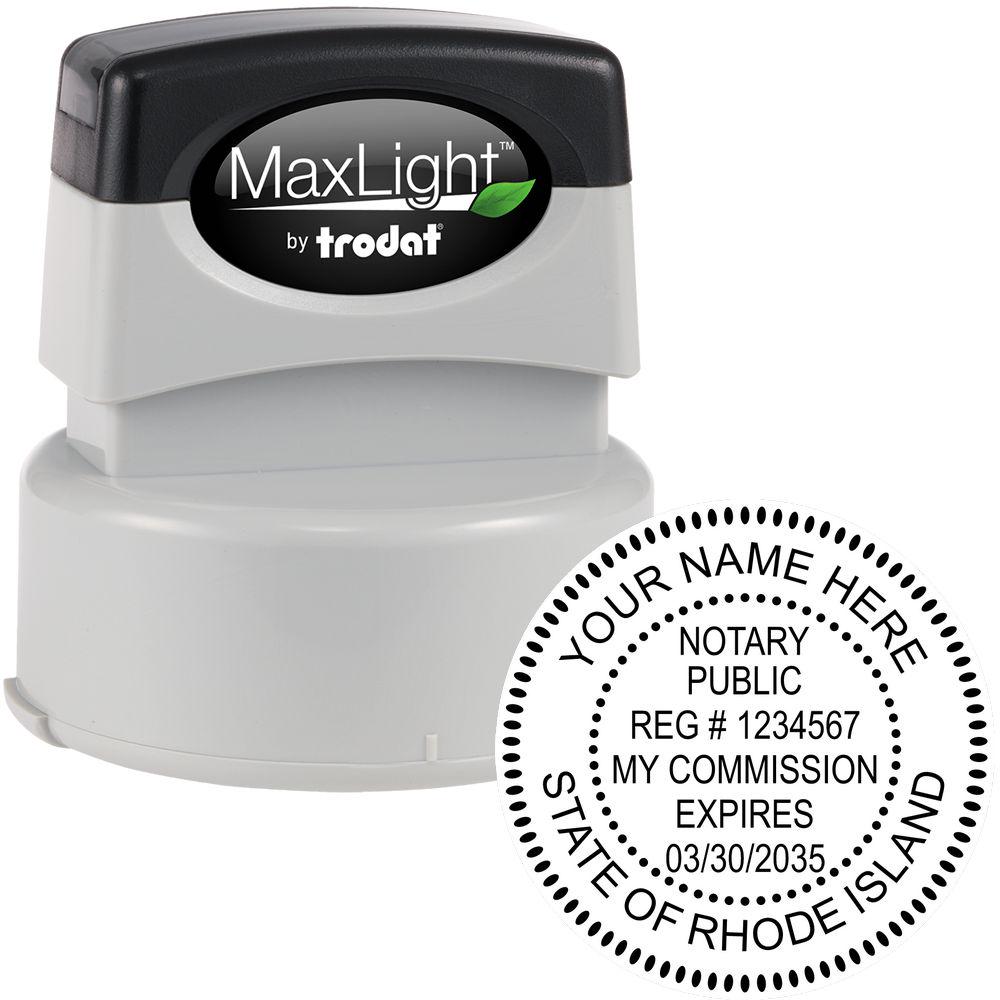
If you recently became a Rhode Island notary public, you may be wondering why a Rhode Island notary stamp and seal are so crucial. These two tools confirm the authenticity of your documents, boost your professional credibility, and help you meet state regulations with confidence. Below, you will learn how these items work, what rules you need to follow in Rhode Island, and how to properly maintain a stamp and seal for long-lasting reliability. By the end of this article, you will be able to use your notary supplies skillfully and even share your know-how with other notaries in the state.
Understand The Rhode Island Notary Role
Rhode Island notaries hold a unique position of public trust. As a notary, you are commissioned by the state to act as an impartial witness for signing important documents, verifying identities, and helping to prevent fraud. Whenever someone needs their signature notarized, you step in to confirm:
- The signer’s identity and willingness to sign.
- The authenticity of the signature.
- That all parties understand the document’s purpose.
Beyond simple verification, you also support the legal system by reducing the potential for forged documents or false claims. In Rhode Island, a notarial act must meet specific guidelines outlined by state law. Your role is to keep up with these regulations, so every notarization remains valid and recognized in court. Without an official Rhode Island notary stamp and seal, you cannot properly finalize any official documentation.
Importance Of Public Service
As a Rhode Island notary, you provide a valuable public service. By facilitating the signing of contracts, affidavits, deeds, and other documents, you help residents and businesses alike. The notarial process simplifies property transactions, estate planning, and even legal disputes. When people see your stamp and seal, they know their paperwork is in good hands, which fosters trust in both you and the legal system.
Accountability And Professionalism
A core principle of being a notary public is maintaining professional conduct. As you verify identifications and record each act in your notarial journal, you ensure that every transaction is documented properly. This record-keeping lends an added layer of security to any signing, providing a transparent history if a notarial act is ever questioned later. By taking your responsibilities seriously and familiarizing yourself with Rhode Island notary laws, you protect the public from fraud and support a stable, fair legal environment.
Benefits: Rhode Island Notary Stamp And Seal
A Rhode Island notary stamp and seal are more than just office supplies. They are vital tools that establish your credibility and help ensure that each document you notarize is legally sound. Whether you are new to notary work or have been commissioned for years, these benefits highlight why you should never overlook the importance of keeping your stamp and seal current and in good condition.
Visible Proof Of Authority
When you place a notary stamp and seal on a document, you provide clear evidence of your authority. This mark verifies:
- You have met Rhode Island’s requirements to become a commissioned notary.
- Your commission is active and valid.
- The notarized document meets state guidelines for authenticity.
Recruiters, businesses, and legal professionals look for this visible proof to ensure they are working with a legitimate notary public. Having a readily recognizable Rhode Island notary stamp and seal shows that you are both conscientious and well-prepared to handle important legal paperwork.
Professional Consistency And Trust
A uniform stamp and seal design across your notarized documents fosters a sense of reliability. If a client sees the same official notary mark each time, they gain confidence in your expertise. This consistent presentation emphasizes that you follow established procedures and understand the specific regulations of your commission.
Improved Fraud Prevention
Your stamp and seal, used in conjunction with your notarial journal, work as a protective barrier against document fraud. Each time you notarize, you:
- Check the identity of the signer.
- Verify the signer’s willingness.
- Note the transaction in a log (if required).
- Affix your unique notary stamp and seal.
All these steps, especially when combined with the distinctive impression of your seal, make it nearly impossible for someone to manipulate the document or pass it off as a fake. The authenticity of your stamp and seal can be verified quickly if the document’s legality is ever called into question.
Know The Legal Requirements
To maintain your responsibilities as a Rhode Island notary, you need to stay informed about the latest laws and regulations. Rhode Island has clear guidelines for how your stamp and seal should look, what information they include, and how they must be used. Although official regulations may evolve, the best way to stay compliant is to review current statutes at the time of your notarial commission or renewal.
Required Elements
Rhode Island typically requires that your notary stamp and seal include:
- Your name as it appears on your commission.
- The words “Notary Public.”
- The words “Rhode Island.”
- Your commission expiration date (depending on state guidelines).
Double-check your state’s notary handbook or official website for updates. If there are any changes, it is your obligation to order a new stamp or seal reflecting the latest information.
Placement And Usage
Once you have an approved Rhode Island notary stamp and seal, you must use it only for valid notarial acts. You should never lend your stamp or seal to anyone else. Keep in mind:
- Each notarized document requires you to imprint your stamp and seal near your signature.
- Make sure your stamp impression is clear and legible, as illegible stamps can lead to document rejection.
- Do not backdate your stamp or seal. The date must reflect the actual day of notarization.
Commission Renewal
In Rhode Island, your notary commission is valid for a set term. You usually must renew before the commission expiration date to keep your powers as a notary. This often means ordering a new stamp or seal that includes your updated expiration date. Prompt renewal prevents any lapse in your notarial authority, allowing you to continue your duties without interruption.
Choose The Right Supplier
When it comes to selecting your Rhode Island notary stamp and seal, you want a reliable, high-quality supplier who understands the state’s requirements. That is where Acorn Stamps comes in. Acorn Stamps has been family-owned and operated since 1964, with 60 years of experience providing notary supplies and other stamping products to professionals across the country. The company is known for stellar customer service, super fast turnaround times, and a thorough understanding of notary laws in Rhode Island.
Why Acorn Stamps Stands Out
- Top Supplier Of Rhode Island Notary Stamps And Seals: Because notary rules vary by state, Acorn Stamps ensures that each product meets Rhode Island’s specific requirements for form and design.
- Family-Owned And Operated: A business with a long history often values personalized service. You can expect friendly, knowledgeable guidance, especially if you are new to the notary world.
- Stellar Customer Service: Have questions about your order? Acorn Stamps offers prompt support to address all your concerns.
- Super Fast Turnaround: Orders typically ship quickly, minimizing downtime so you can continue notarizing without delay.
What To Look For In A Supplier
If you decide to shop elsewhere or simply want to confirm that you are choosing the best provider, keep an eye out for the following features in a notary supply company:
- Clear indication of Rhode Island compliance.
- Quality materials that produce crisp, lasting impressions.
- A straightforward return or replacement policy if your stamp or seal is defective.
- Competitive pricing that aligns with your budget.
When your supplier meets all these criteria and demonstrates a dedication to customer satisfaction, you can trust that your Rhode Island notary stamp and seal will arrive promptly and serve you well for a long time.
Maintain Your Stamp And Seal
Prolonging the life and effectiveness of your Rhode Island notary stamp and seal requires proper care. By making routine checks and adjustments, you ensure clean, precise imprints every time. Moreover, consistent maintenance helps you avoid potential mistakes that could compromise a notarial act.
Keep Them Clean And Protected
Ink and dust can build up on a stamp pad, leading to smudged impressions or faint prints. To keep everything functioning properly:
- Store your stamp in a protective case or pouch so the pad stays free of lint or particles.
- Clean the rubber or metal surfaces gently with a soft cloth. You can use a mild cleaner if ink residue is particularly stubborn.
- Periodically test your stamp on a scrap piece of paper to check for clarity.
For your seal embosser (if you use one), keep the metal dies dry. Wipe them down if they accumulate any moisture or debris.
Never Share Your Tools
Your Rhode Island notary stamp and seal are uniquely yours, and you are responsible for their correct use. Letting someone else use them, even temporarily, can lead to fraudulent activity or allegations of improper notarization. If you work in an office with other notaries, keep your seal in a secure, locked location to prevent unauthorized access.
Replace When Worn
Over time, a stamp pad’s ink may run low or the impression may fade because of wear on the rubber text plate. If your embossed seal no longer creates a crisp, raised effect, it is time to replace the insert. Since it is critical that your stamp and seal remain sharp and legible, do not hesitate to reorder from a trusted supplier like Acorn Stamps as soon as you notice reduced quality.
Avoid Common Notary Mistakes
Even experienced Rhode Island notaries can make errors that undermine the validity of the documents they notarize. By reviewing the following common mistakes, you can make sure each notarial act stands up to legal scrutiny.
Incomplete Notarial Certificates
One of the most frequent errors is forgetting to fill in all required fields in the notarial certificate. Always double-check for:
- The signer’s name as it appears on their ID.
- The correct date of notarization.
- Your official signature.
- Your stamp and/or seal in the designated space.
Leaving out any of these elements can cause the document to be rejected. Keep a checklist in your notary journal or near your workstation to ensure you never forget these critical details.
Misidentifying The Signer
Rhode Island notaries must be certain that the person in front of them is actually the signer named on the document. If you fail to confirm the signer’s identity with a valid photo ID, you place both yourself and the signer at risk. A best practice is to compare the signature, check the photo, and ask for additional proof if something appears off.
Not Following State Regulations
With the legal framework frequently changing, you could unwittingly violate a state requirement. For instance, you might use an outdated stamp that includes incorrect information or forget to update your commission expiration date. Stay aware of your renewal schedule and Rhode Island’s notary rules. Consider subscribing to updates from the Secretary of State’s office or any local notary association, so you will be first to know when regulations are updated.
Frequently Asked Questions
Here are five common questions you might have regarding your Rhode Island notary stamp and seal:
Do I need both a stamped and an embossed seal in Rhode Island?
It depends on state guidelines and personal preference. Rhode Island law generally requires a stamp but may also allow or encourage an embossed seal for additional security. Check the current regulations or consult a trusted supplier like Acorn Stamps for guidance.
How often should I renew my Rhode Island notary stamp and seal?
You must renew your commission before it expires, which typically occurs every few years. Whenever you renew your notary commission, you should also order a new stamp or seal to keep your information up to date.
Can I use my Rhode Island notary stamp and seal for documents in other states?
Your commission authorizes you to notarize only within Rhode Island. However, if you are presented with out-of-state documents within Rhode Island, you can notarize them as long as you follow Rhode Island’s notarial regulations.
What should I do if my stamp or seal is damaged?
Immediately replace a damaged stamp or seal to avoid unclear or invalid imprints. While you wait for a replacement, do not notarize any documents to prevent potential legal challenges.
Where can I find high-quality Rhode Island notary supplies?
Acorn Stamps is a leading source for Rhode Island notary stamps and seals, offering competitive pricing, fast turnaround, and outstanding customer support. You can also look into other reputable suppliers who follow Rhode Island’s strict design guidelines.
These questions cover some of the most pressing concerns you may face as a Rhode Island notary public. Staying informed and choosing reliable suppliers for your notary materials will ensure that your work remains compliant and trusted. By maintaining your stamp and seal, renewing on time, and carefully following Rhode Island notary regulations, you will continue serving your community with confidence and professionalism.