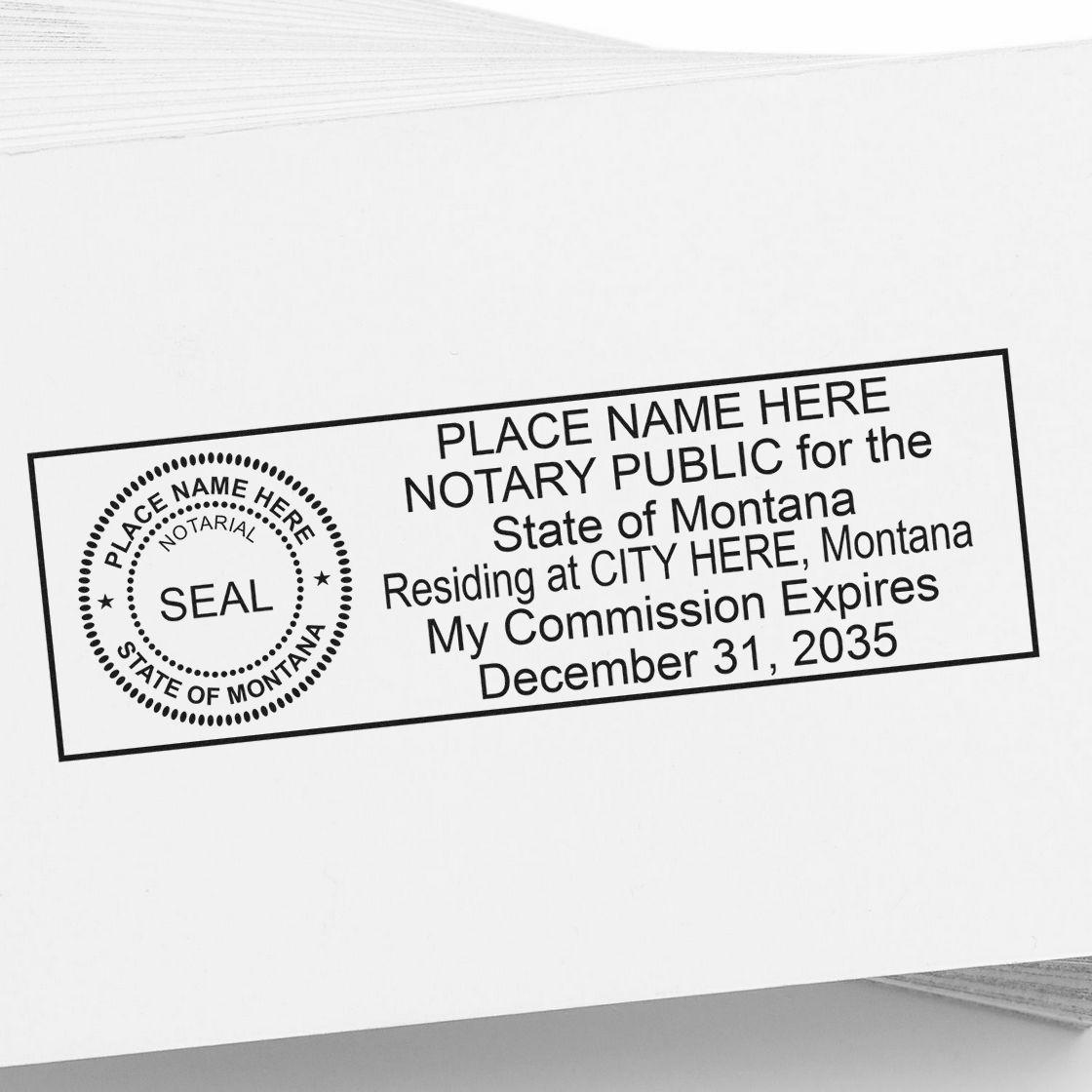
If you’re a Montana Notary Public, selecting the right MT notary seal can feel like a small decision. But in practice, your seal is a cornerstone of your professional identity. Not only does it validate signatures and official documents, but it also reflects your unique style and adherence to Montana’s legal requirements. If you’ve ever wondered about the best seal type, optimal design, or how to ensure it lasts, this guide will walk you through everything you need to know.
Know Montana Notary Requirements
Before you shop for a notary seal, it’s important to confirm that you meet Montana’s basic standards. Making sense of the legal requirements can eliminate guesswork and help you focus on the features that truly matter.
Review State Law Guidelines
Montana law specifies certain elements that must appear on your seal impression. These commonly include:
- Your name exactly as it appears on your notary commission
- The words “Notary Public for the State of Montana” or a similar official designation
- Your notary commission expiration date
Staying within these guidelines helps verify that your seal is valid and compliant. Even if you purchase a seal from a top supplier, always double-check that the text and layout match your official commissioning documents to the letter.
Confirm Size and Format Requirements
While Montana law grants notaries a degree of freedom in choosing seal size, there are still rules about readability and clarity. Your seal must be legible, so a cramped or overly ornate design can be problematic. If you’re unsure about acceptable dimensions, check your notary commissioning certificate or the secretary of state’s website for current guidelines. That way, you can confidently choose a seal that is both compliant and easy to read on the documents you’ll notarize.
Explore Different Seal Options
When it comes to the actual physical seal, you’ll have a few distinct options. Each style offers unique benefits, so think about your setting, volume of notarizations, and personal preference when you weigh the choices.
Self-Inking Stamps
Self-inking stamps feature an internal ink reservoir that re-inks the stamp surface automatically after each use.
- Advantages: Quick to use, minimal mess, easy to replace ink cartridges
- Considerations: You might need to refresh or replace the ink pad over time, especially if you notarize frequently
This choice is popular among notaries who work in higher-volume environments because each impression is consistent and neat. If you’re notarizing on multiple documents each day and prefer speed over nostalgia, a self-inking stamp might be a perfect fit.
Pre-Inked Stamps
Pre-inked stamps store ink within the stamp body itself. On average, they tend to produce crisp, vibrant impressions.
- Advantages: Exceptionally clear imprint, often last for thousands of uses before needing a refill
- Considerations: Slightly slower to re-ink between impressions compared to self-inking stamps
If you’re looking for a professional look with each stamp impression, a pre-inked seal is worth considering. However, factor in a little downtime for re-absorption after repeated stamping on a busy day.
Traditional Rubber Hand Stamps
Traditional rubber hand stamps require a separate ink pad that must be kept clean and re-inked regularly.
- Advantages: Classic appearance, tactile process that some prefer
- Considerations: Less convenient if you’re always on the move, plus you must carry both stamp and ink pad
If you value tradition or rarely notarize documents outside your primary workspace, a rubber hand stamp could be ideal. This old-school approach may sound inconvenient to some, but it can feel more personal if you appreciate heritage and charm.
Evaluate Shape and Layout Preferences
MT notary seals can come in various shapes, most commonly circular or rectangular. Some professionals care a great deal about how that seal appears on paper. Although it’s usually a matter of taste, certain factors might influence your choice.
Circular Seals
Circular notary seals often measure between 1.5 and 2 inches in diameter. You might see design elements ringing the perimeter with your name and commission details in the center.
- Classic aesthetic recalls traditional wax seals
- Stands out on official paperwork
- Less likely to smudge if sized properly
Rectangular Seals
Rectangular seals typically resemble return address stamps or traditional line stamps.
- Efficient use of space on documents
- Easy readability if text is horizontally aligned
- Streamlined appearance that might match modern brand styles
In the end, both shapes are equally valid for Montana notarial work. Your primary goal is ensuring the layout meets state rules and the impression is crisp. Whether you go round or rectangular, make sure the text stands out clearly.
Consider Comfort and Ease of Use
Beyond your aesthetic preferences, think about how a seal feels in your hand. If you’re stamping dozens of documents in a single day, a heavier model could fatigue your wrist, while a lightweight plastic option might be more comfortable.
Grip and Durability
Some metal-bodied stamps are built to withstand thousands of impressions. They often come with ergonomic handles to reduce strain. If you expect high-volume usage, investing in a sturdy, comfortable stamp can save you from repetitive-motion discomfort later on.
Portability Matters
Do you frequently notarize documents outside your usual office setting? If you’re mobile, visiting clients, hospitals, or real estate signings, you’ll want a seal that’s easy to carry around. Self-inking or pre-inked stamps often fit nicely into a small pouch or pen case, making them a top choice for traveling notaries.
Pay Attention to Ink Quality and Color
You may assume black ink is your only choice, but some notaries like to use blue or other colors to keep the seal distinct from the signatures on the page. Just be sure your selected color meets Montana requirements (if any) and is accepted by the institutions you work with most. Some agencies insist on black for scanning purposes. Others prefer shades that stand out from typical text.
Re-Inking Frequency
Even the best inks will eventually run low. A high-quality self-inking or pre-inked stamp will come with easy refill instructions. Keep extra ink vials on hand so you don’t find yourself running dry at a crucial moment. If you use a rubber hand stamp, keep a backup ink pad or two on standby.
Think About Branding and Personal Style
Your seal doesn’t have to be purely functional. A notary seal can deliver a bit of professional flair, especially when designed thoughtfully. Many suppliers allow you to choose from different fonts, border styles, and decorative flourishes, as long as they remain within Montana’s legal guidelines.
Balancing Personality and Professionalism
Choose a style that aligns with your personal brand without overshadowing the functional purpose. Too many embellishments could crowd the layout, potentially blurring important details like your name or the words “Notary Public.” A tidy balance can showcase your professionalism in a memorable way.
Trust a Reputable Supplier
Selecting the right MT notary seal goes beyond design. You want a supplier who understands Montana law and offers customer support if something goes amiss. At Acorn Stamps, for example, you’ll find high-quality Montana notary stamps and seals plus the peace of mind that comes from working with a trusted company.
About Acorn Stamps
Family owned and operated since 1964, Acorn Stamps has spent 60 years serving notaries nationwide. Their team understands Montana-specific requirements for notary seals, freeing you from the worry of incorrect layouts. Also, if your seal wears out, they’re known for stellar customer service and fast turnaround times for replacements. That responsiveness can mean the difference between delayed documents and smooth business operations.
Why Quality Matters
It might be tempting to cut corners, but a low-quality stamp or seal can break prematurely, leak ink on important paperwork, or produce fuzzy impressions. By investing in a dependable supplier known for precision, you’ll avoid headaches (and potential liabilities) down the line. Consistency and clarity in your seal impressions protect you, the public, and every client who relies on your authenticity.
Maintain Your Seal for Longevity
Once you’ve chosen the perfect seal, commit to a maintenance routine so it lasts. Whether you’re using a self-inking, pre-inked, or traditional rubber stamp, proper care helps ensure each impression remains crisp and professional.
Cleaning Tips
- Use a lint-free cloth: A gentle wipe removes excess ink and prevents buildup around the edges.
- Avoid harsh chemicals: They may erode rubber or plastic components. Stick to mild soap and warm water for cleaning.
- Store in a cool, dry place: Extreme heat or humidity can influence ink consistency and reduce the lifespan of your stamp.
Replacing Ink Pads or Cartridges
For self-inking or pre-inked stamps, watch for faded impressions, this signals it’s time for a refill or a new ink pad. Keep your refill instructions or manual in a handy spot, so you can quickly swap ink without disassembling the entire stamp.
Inspect for Wear
Rubber surfaces can degrade over time, especially if you’re stamping multiple documents each day. If your seal starts smudging or the edges appear warped, contact your supplier for a replacement. Ensuring your seal remains in top shape helps protect you from future compliance issues.
Tips for First-Time Notaries
If you’re newly commissioned, the world of seals, stamps, and official documents may feel overwhelming. A few best practices can simplify the learning curve:
- Practice Impressions
Before you stamp an official paper, do a few practice impressions on scrap paper. Make sure the text is entirely legible.
- Create a Checklist
Along with verifying ID and completing your journal entry, confirm that your seal’s impression is placed in a visible, unobstructed spot on the document.
- Keep a Backup
Mishaps happen. A second stamp, especially a smaller or more portable one, ensures you’re never caught off guard if your primary seal malfunctions.
- Stay Current on Regulations
Notary laws can change. Keep an eye out for any regulatory updates regarding seal design, size, or content so you can stay compliant.
Common FAQs
Below are five frequently asked questions about choosing and maintaining your MT notary seal. Reviewing these details can help you avoid common pitfalls and make a more informed decision.
How Often Do I Need To Replace My Seal?
Most notary seals are built to last for thousands of impressions, but you might need a new one if the die wears down or if the impression becomes hard to read. Consider checking it annually for signs of wear.
Can I Use a Different Ink Color?
Montana law typically requires that your seal be clear and legible. Black is a common default, but some public offices may allow blue or other colors. Always confirm with your primary clients or relevant authorities before switching.
Are Electronic Seals Valid in Montana?
Montana recognizes electronic notarization for certain documents, but a physical seal is still expected for traditional notarizations. If you’re considering remote online notarization, check the latest state regulations to ensure full compliance.
Is the Embossed Seal Still an Option?
Embossed seals lend a classic look, but some people find them cumbersome. They can also be difficult to photocopy clearly. If you opt for one, make sure you also have an inked stamp on hand in case you need a legible inked impression.
Where Should I Store My Seal?
Keep your seal in a secure location, such as a locked drawer, when it’s not in use. Since you’re liable for any improper use of your seal, it’s essential to store it safely to maintain professional integrity.
Final Thoughts
Choosing the right MT notary seal is about more than just following the law, it’s about expressing your professionalism, keeping your workflow efficient, and ensuring documents are notarized properly. By knowing Montana’s regulations, weighing the differences between stamp types, and selecting a trusted supplier like Acorn Stamps, you’ll be well on your way to a successful notarial practice. A top-quality seal and thoughtful maintenance routine can boost your confidence in each notarization you perform. Embrace that confidence, and step into your next signing with the assurance that your seal reflects your commitment to excellence.