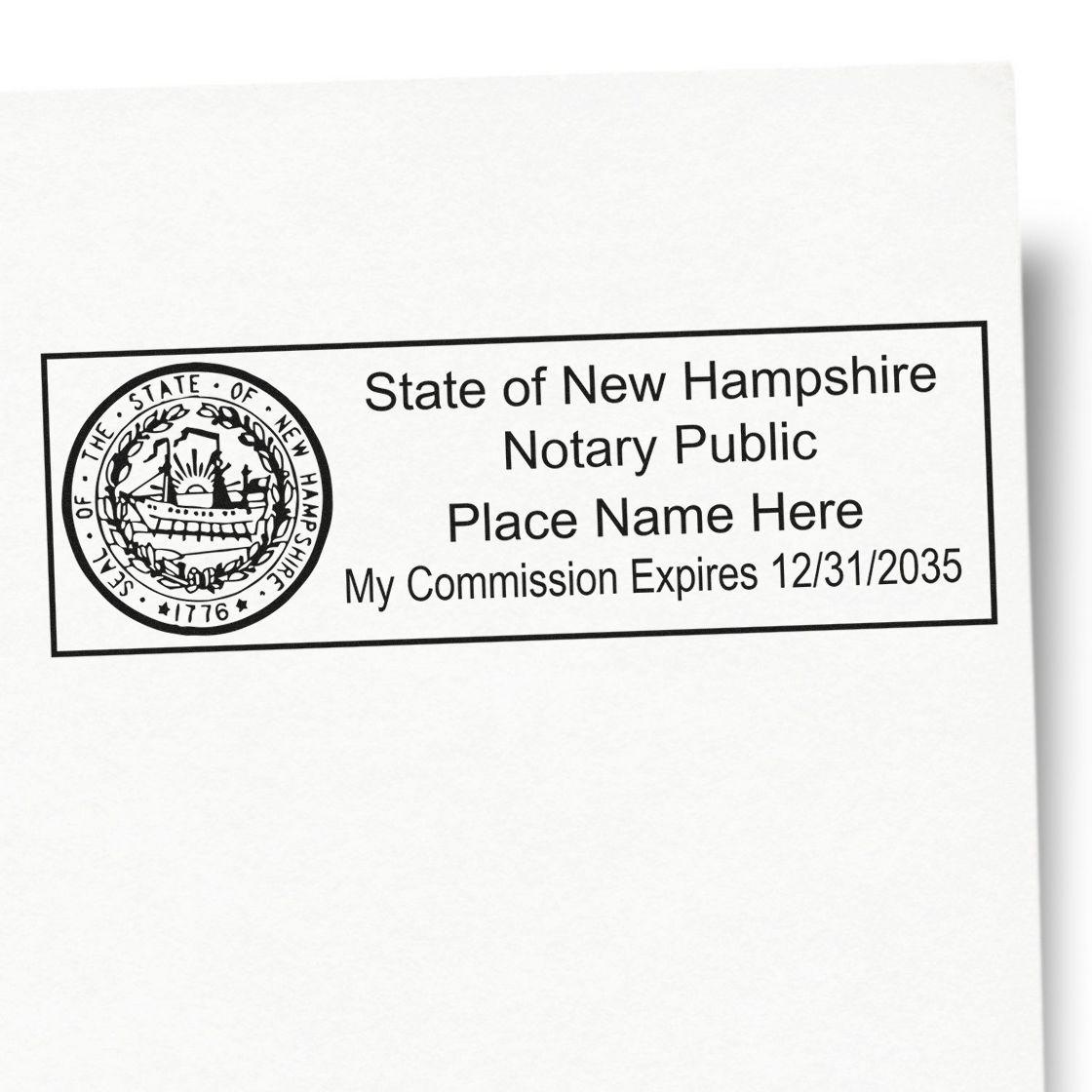
Natural light may not matter as much when you are shopping for a NH notary seal, but it definitely helps to shed light on all your options. Becoming a notary in New Hampshire is an honorable step, filled with responsibilities that require attention to detail. One of the most crucial details is selecting the right NH notary seal for your official use. This guide will walk you through everything you need to consider when choosing your seal, from understanding state requirements to caring for your stamp or embosser for the long haul.
Know the Basics of the NH Notary Seal
Before you decide which NH notary seal feels right for you, it helps to understand the core requirements set forth by the state. As a notary public, you will be placing your official mark on documents that need authentication. The seal confirms your authority to witness signatures, administer oaths, and perform other notarial acts.
- The New Hampshire Secretary of State outlines certain guidelines to ensure all notarial impressions are official and consistent.
- The seal is typically round and includes specific text such as your name, the words “Notary Public,” and “New Hampshire.”
- You must use the seal on every official document you notarize, alongside your signature and commission expiration date.
Meeting these requirements helps maintain the trust your role demands. Think of your seal as the anchor that ties your identity, authority, and accountability together. When documents cross state lines or come under scrutiny, the seal remains a clear proof of your authenticity.
How the Seal Represents Your Commission
Your notary commission is like a calling card, and the seal is its visual imprint. When placed correctly on a legal document, the seal and your signature work in tandem to verify the validity of the notarization. This responsibility can feel like a lot, but it is also incredibly rewarding, your role fosters trust in personal and business transactions.
Why the Format and Legibility Matter
If you have ever tried to read a barely visible seal on an important form, you already know how frustrating that can be. A crisp, clear impression is not just a nice perk. It is vital for legal acceptance. Whether you choose an ink-based stamp or a raised-emboss impression, the final result should be easy to read and match the state’s requirements.
If it is too light or off-center, your notarized document might be questioned by authorities or declined by a client. That is one reason why many notaries turn to high-quality tools and a reputable supplier, so they can trust the clarity and durability of their official seal.
Compare Different Seal Formats
When it comes to a NH notary seal, you can generally choose between two main types: stamps and embossers. While both formats achieve the same goal, verifying your authority and validating official documents, they differ in the style and user experience they offer.
Self-Inking Stamps
A self-inking stamp usually comes with an internal ink pad. This design lets you place your seal quickly, without the need for a separate ink pad. Here are some reasons you might find a self-inking stamp appealing:
- Speedy Application: You can press down once, and the ink is immediately applied.
- Clean and Convenient: The internal pad means you do not have to fuss with extra items on your desk.
- Re-Inkable: Most self-inking stamps let you replace or re-ink the pad when impressions start to fade.
This is a popular option for notaries who notarize multiple documents per day. It is straightforward and keeps up with a busy schedule. Because the stamp is typically more compact, it also travels well if your role requires mobility.
Traditional Rubber Stamps
On the other hand, a traditional rubber stamp uses a separate ink pad. This classic approach may appeal to you if you enjoy controlling the amount of ink used or if you already have a favorite ink brand. Some notaries also appreciate the tactile aspect of this method.
- Budget-Friendly: Often a bit less expensive upfront.
- More Aesthetic Choices: You can pick from different ink pads and experiment with ink colors, though you should always confirm that alternate colors meet official guidelines.
- Simple Maintenance: If the ink fades, all you need is a new pad or a refill of your preferred ink.
Choosing a separate ink pad adds one extra item to your routine, but it can feel more personal. If you enjoy a slower, more careful approach to stamping, this might be the perfect fit.
Embossers
An embosser creates a raised impression on the paper. It presses your custom design into the page, leaving a tactile impression that you can feel with your fingertips. While it may not deposit any ink, this format is often seen as traditional and sophisticated.
- Professional Aesthetic: Many find the three-dimensional seal to be more formal.
- Permanent Mark: Once embossed, the impression cannot bleed or fade, making it a long-lasting choice.
- Requires More Pressure: You will need to apply firm, even pressure to get a sharp result.
Embossers are preferred in certain industries, especially where a more classic presentation is valued. If you like the timeless look, an embosser might be an ideal option. You could also pair an embosser with an inked seal so that the notary mark is both visible and tactile.
Consider Personality, Budget, and Workflow
Selecting a NH notary seal is a personal choice. You want to feel comfortable and confident each time you stamp or emboss a document. To make the most informed choice, think about your typical environment, the volume of documents you handle, and your own style preferences.
Balancing Function and Flair
Notaries sometimes overlook the aesthetic side of their seal, but it can play a surprisingly big role in day-to-day satisfaction. If you enjoy elegant touches, an embosser’s raised imprint might become your signature style. If efficiency is paramount, a self-inking stamp could be your best friend.
That said, budget naturally enters the conversation. While any seal used in New Hampshire must follow official guidelines, designs can vary in price. Perhaps you are just starting your commission. In that case, you might opt for a classic, cost-effective rubber stamp and upgrade later. If you are a seasoned notary public looking to refresh your kit, investing in a premium self-inking stamp or an embosser may be your next step.
Matching Your Daily Workflow
Think about how many notarial acts you perform each day. If you expect to notarize a few documents a month, you might not need the heavy-duty convenience of a self-inking stamp. On the other hand, if you assist dozens of clients daily, you will appreciate a tool that keeps pace with you.
- High Volume: Self-inking stamps are quick, user-friendly, and do not require repeated inking.
- Moderate to Low Volume: Traditional rubber stamps are reliable and can be more fun to personalize.
- Formal or Ceremonial Documents: Embossers have a polished look that adds an air of formality.
Try to envision how your seal will fit into your routine. For instance, a traveling notary might prefer a portable embosser that can be placed in a small case, or a self-inking stamp that slips into a briefcase. Meanwhile, a notary who works from a fixed location might find that a traditional stamp with a separate ink pad works just fine.
The Importance of Legibility and Compliance
No matter your choices regarding flair and format, the seal has to be legible, meet the official requirements, and produce a clean result every time. Even the slightest smudge or fade can raise eyebrows. You want to reassure clients or colleagues with the utmost professionalism. Ensure that any design or style element does not interfere with the clarity of your name, the words “Notary Public,” and the state.
Maintain Your Seal for Longevity
Choosing the right NH notary seal is only half the equation. The rest involves proper upkeep, so that every impression you make is crisp and acceptable. Even if you purchase a fantastic seal, it requires a little ongoing maintenance to preserve its effectiveness.
Best Practices for Stamps
Stamps generally have a shelf life determined by their ink pad and the alignment of the stamping mechanism. Proactive care can extend that lifespan significantly.
- Store in a Cool, Dry Place
Avoid direct sunlight, which can dry out the ink. Keep the stamp head away from dust or debris.
- Re-Ink as Needed
Monitor the clarity of your seal. If you see fading in the letters or border, add fresh ink or replace the pad entirely. Use ink specifically designed for stamps. Random office supplies may clump or smear.
- Clean Gently
Use a damp cloth or a stamp cleaning solution. Never submerge the stamp in water. Instead, dab lightly around the edges.
Best Practices for Embossers
Embossers work by applying pressure through a metal die. Even if they do not use ink, they still need occasional attention to remain in top shape.
- Inspect the Metal Plates: Sometimes debris can get lodged if you store the embosser in a bag or desk drawer. Periodically remove any particles.
- Check for Alignment: Over time, the plates can shift slightly, leading to uneven impressions. If you notice off-center or partial embossing, adjust the positioning per the manufacturer’s instructions.
- Keep a Steady Grip: Ensure you apply even pressure each time. Too much force can damage intricate details, while too little pressure results in faint impressions.
A small amount of preventive care goes a long way. When your seal remains in good condition, you are one step closer to fulfilling your responsibilities promptly and professionally.
Why Acorn Stamps Is Your Go-To
With so many choices on the market, it helps to have a trusted supplier you can return to year after year. That is where Acorn Stamps comes in. Family owned and operated since 1964, Acorn Stamps has offered 60 years of service to notaries in New Hampshire and beyond. Whether you favor self-inking stamps or traditional embossers, you will find a wide selection designed specifically for NH notary seal needs.
What Makes Acorn Stamps Different
- Top Supplier: Acorn Stamps is recognized for producing top-quality New Hampshire notary stamps and seals. The products are crafted with attention to detail for crisp, clear impressions.
- Fast Turnaround: If you need your notary seal in a hurry, they take pride in their super fast processing. This can be a lifesaver when your commission is about to start or when you notice your current seal has worn out.
- Stellar Customer Service: You are never left in the dark about your order. Friendly support guides you through the decision process, ensuring your final choice meets the state guidelines and personal preference.
- Personalized Help: Maybe you want your embosser in a lightweight handheld design, or you are looking for a sleek self-inking stamp with a modern look. They will walk you through each possibility with patience.
Because notarial needs can vary from one person to the next, it is reassuring to rely on a specialized company that understands the demands of the position. Over the decades, Acorn Stamps has continually refined its products, guaranteeing you the best combination of quality and convenience. You might be new to notarial duties or renewing your old seal. Either way, partnering with a dependable supplier streamlines your experience.
Frequently Asked Questions
Below are five common questions new and experienced notaries often ask about NH notary seals. Should you have a unique situation not addressed here, remember that state-specific regulations may also help guide you.
Do I Need Both a Stamp and an Embosser?
You only need one official seal that meets New Hampshire’s requirements. However, some notaries choose to carry both. The stamp serves as the official seal, while the embosser adds that extra formal touch for certain documents.
How Often Should I Re-Ink My Stamp?
It depends on usage. If you start noticing faded impressions or incomplete details, it is time to re-ink or replace the pad. On average, self-inking models may be re-inked every few thousand impressions.
Can I Customize the Design of My Notary Seal?
Your NH notary seal must include specific text, but you do have some room for style, particularly around layout or border designs. Ensure your customization does not obscure any of the legally required elements, such as your name and the words “Notary Public.”
Is One Seal Format More Official Than Another?
All recognized seal formats (self-inking, rubber stamp, or embosser) are equally valid if they adhere to state requirements. The differences are more about personal preference, legibility, and practicality.
What Happens If My Commission Name Changes?
If you change your name during your active commission, you will need to update your official seal. The simplest approach is to follow state guidelines for a name change and then order a new stamp or embosser.
Choosing the perfect NH notary seal might feel like a minor detail, but it represents a crucial facet of your role as a trusted authority in legal and business matters. By weighing your options, self-inking stamp, traditional rubber stamp, or embosser, and keeping it well maintained, you will be ready for every notarial act that comes your way. And should you want a reliable partner in this process, Acorn Stamps offers high-quality products backed by 60 years of experience and a friendly, knowledgeable team. Good luck with your notary journey, and remember that the right seal makes your commission shine.