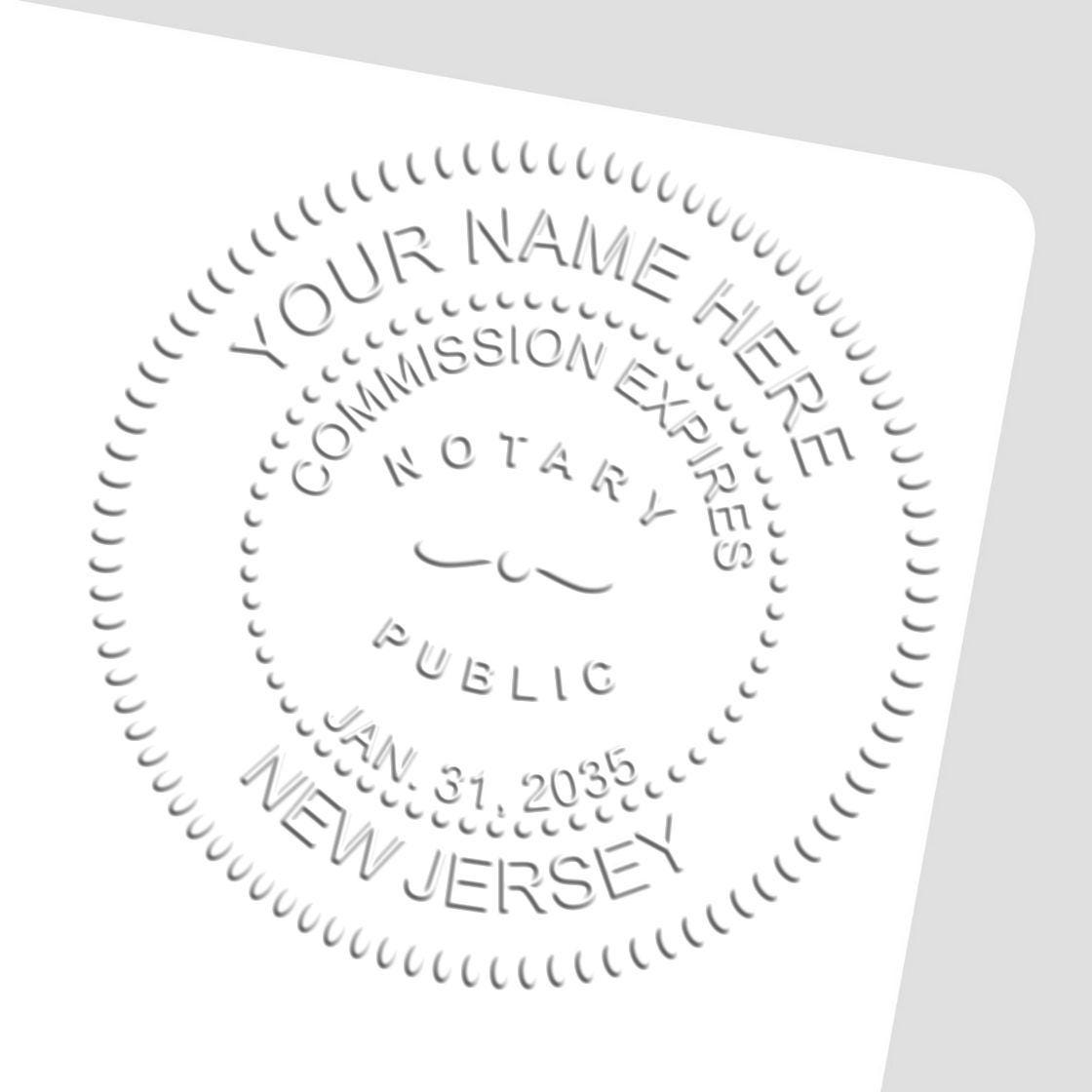
Understand the Importance of a NJ Notary Stamp
You know that serving as a New Jersey notary public puts you in a position of trust. Whether you are authenticating signatures, administering oaths, or verifying documents, you play a key role in maintaining legal integrity throughout the state. But if you are new to the process, you might be wondering what you need to get started. A crucial piece of your toolkit is the NJ notary stamp. It is more than just a rubber stamp, it is an official representation of your authority. Choosing the right stamp—and knowing how to use it properly—can make your notarial duties faster, easier, and fully compliant.
In this guide, you will learn everything you need to know before buying a New Jersey notary stamp. From basic legal requirements to key shopping tips, the following sections walk you through each stage of the decision-making process. By the end, you will feel confident selecting a stamp that both meets requirements and aligns with your professional style.
Recognize Your Notary Responsibilities
Being a New Jersey notary public empowers you to serve the community by verifying documents and preventing fraud. The duties you carry out can significantly impact individuals and organizations alike. Depending on the type of documents you notarize, you could be:
- Confirming identities for real estate transactions.
- Administering oaths to witnesses in legal proceedings.
- Authenticating signatures on critical legal documents.
Your NJ notary stamp is the official mark that illustrates your notarial act was done correctly under New Jersey law. Fulfilling these responsibilities means much more than applying some ink to a piece of paper. It signifies you have verified the identity of the signer, confirmed their willingness to sign the document, and acted in alignment with your state’s laws.
Know New Jersey’s Stamp Requirements
Before purchasing your NJ notary stamp, you need to understand the legal requirements set forth by the state. While you should always verify the most current notary statutes, there are a few core elements your stamp needs to include. In most cases, your stamp or seal must show:
- Your name exactly as it appears on your notary commission.
- The phrase “Notary Public, State of New Jersey.”
- Your commission expiration date, if required by law (some notaries prefer to include this for added clarity).
These details help ensure that any notarized document you sign can be properly traced back to you. If a document is challenged in court, your legal stamp proves it was executed in compliance with state rules. By confirming all mandatory details ahead of time, you will have peace of mind that your stamp meets New Jersey’s official guidelines.
Double-Check Your Commission Name
When ordering your stamp, pay close attention to how your name appears on your notary commission certificate. Even the slightest misspelling or alternative middle initial can invalidate the notarial act. If your official notary commission states your name as “Jane M. Doe,” make sure that is precisely what you provide when ordering your stamp.
Include “Notary Public” and State Designation
Your stamp must clarify that you hold the position of notary public in New Jersey. That is why the specified text frequently includes “Notary Public, State of New Jersey.” This language helps prevent confusion if someone reads your stamp in a multi-jurisdiction setting.
Understand the Different Stamp Types
Once you have confirmed what must appear on your stamp, the next step is deciding which style best suits your workflow. In New Jersey, you have a few different options for notary stamps:
Self-Inking Stamps
Self-inking stamps come with a built-in ink pad. Each time you press the stamp onto paper, the rubber die re-inks automatically. This design allows you to snap out multiple impressions quickly, making self-inking stamps a suitable choice if you notarize documents frequently. Their ink refills are typically easy to replace when they start to run low.
Pre-Inked Stamps
Like self-inking stamps, pre-inked stamps also bring you speed and convenience. However, the stamp's ink is embedded within the die itself, rather than housed in a separate pad. Pre-inked stamps often yield crisp, clean imprints and can last for thousands of notarial acts before re-inking becomes necessary.
Traditional Rubber Stamps
Traditional rubber stamps might remind you of older office settings, but they still have a place in modern notary work. They require a separate ink pad, which allows you to swap ink colors if situations require it. Even though they are sometimes less convenient, rubber stamps are time-tested and reliable for occasional or infrequent notarial tasks.
Explore Additional Notary Supplies
An NJ notary stamp is essential, but you might also want to consider other tools that support your notarial duties. Having a well-prepared notary kit can help you stay organized and maintain professional standards.
- Embossing Seal: Some notaries like using an embossed seal in conjunction with their stamp. Though not always mandatory, it can add a formal look and additional layer of authenticity to documentation.
- Notary Journal: A journal (or record book) is highly recommended to keep track of your notarial acts. In New Jersey, while not always required by law, maintaining a journal helps you document the details of each notarization.
- Ink Refills: If you opt for a self-inking or pre-inked stamp, plan on having a supply of compatible ink refills. This ensures every stamp remains crisp and legible.
Notary Embossing Seals
An embossing seal creates a raised impression on paper. Many official organizations appreciate the symbolism of this classic approach. Even though digitally processed documents have become the norm, an embossing seal can be an excellent addition if you regularly notarize high-stakes paperwork, like real estate deeds or estate documents. Just confirm that adding an embossed seal meets your state's notarial guidelines.
Keeping a Notary Journal
Your notary journal is your personal record. It includes details like:
- Date and time of the notarial act.
- Type of document notarized.
- Full name and signature of the individual whose signature you notarized.
- Type of identification you verified.
If any question arises about a notarized document’s legitimacy, your journal can serve as a reliable reference, minimizing confusion or potential disputes. Keeping an updated journal demonstrates professionalism and attention to detail—traits that help you stand out as a trustworthy notary.
Comply With New Jersey Regulations
State regulations can change over time, so it is important to stay in the loop. By regularly reviewing the latest notary laws, you can confirm you are adhering to current standards regarding your NJ notary stamp and sealing procedures.
- Check for updated notarial certificate wording.
- Stay aware of new requirements for remote notarizations or e-notarizations.
- Participate in continuing education to maintain your commission status.
Every notary public in New Jersey is accountable to the Department of the Treasury, which may update guidelines or processes. Reviewing any changes helps you avoid inadvertently using outdated stamps or procedures.
Consider Where to Buy Your Stamp
While you can purchase notary stamps through a variety of chain office supply stores and online platforms, not every vendor offers the same level of quality and professionalism. Since your NJ notary stamp is integral to your role, opting for a trusted and specialized supplier can spare you headaches later.
Why Choose Acorn Stamps
For over 60 years, Acorn Stamps has been a top supplier of New Jersey notary stamps and New Jersey notary seals. What started as a small family-owned operation in 1964 has grown into a go-to resource for notaries who appreciate stellar customer service and super fast turnaround. Because notary requirements vary across different jurisdictions, Acorn Stamps understands the specific needs of New Jersey notaries.
- Family Owned and Operated: When you make a purchase from Acorn Stamps, you are supporting a family business with a long-standing commitment to notaries.
- Stellar Customer Service: Experts are on hand to help you ensure your stamp meets state requirements and is spelled exactly as stated on your commission.
- Super-Fast Turnaround: For busy notaries on tight deadlines, Acorn Stamps strives to deliver your order promptly, so you can begin notarizing right away.
- Reliability: Every stamp is built to strict quality standards, helping you produce sharp, professional marks on every document.
Evaluate Quality and Durability
Your notary stamp will be used on a wide variety of documents, from basic affidavits to crucial property transactions. Durability and clarity matter. A smudged or faded impression could cause confusion or even lead to rejected documents. To make sure you get a stamp that stands up to heavy use:
- Look for sturdy materials.
- Check manufacturer guarantees or warranties.
- Read reviews from other New Jersey notaries.
Ink Quality
Quality ink reduces the chance of smudging and ensures your stamp impression remains crisp after repeated use. If you are notarizing official documents like affidavits or mortgage deeds, clarity is paramount. Self-inking and pre-inked stamps often come stocked with high-quality ink designed to resist smears, but you can always upgrade to premium ink refills if you want extra fade resistance.
Replacement Parts and Accessories
Even the best stamps can wear out over time, so check whether your supplier offers easy-to-install replacement pads (for self-inking stamps) or quick refill kits (for pre-inked stamps). Having access to these accessories can extend the life of your stamp and guarantee consistent results.
Shop With Confidence
There is a lot to consider when buying your NJ notary stamp, but the process should feel manageable once you know what you are looking for. By reviewing official guidelines, exploring different stamp types, and prioritizing a reputable provider, you will have a reliable stamp in your hands before you know it.
If you want to streamline the process, Acorn Stamps delivers everything you need—correct New Jersey wording, fully personalized impressions, and a range of high-quality notary supplies. Supporting a family-owned business that has served notaries for over six decades adds extra peace of mind. Whether you are renewing your commission or just starting out, a properly designed stamp ensures you can confidently perform your vital role as a New Jersey notary public.
FAQs About Your NJ Notary Stamp
Below are some of the most frequently asked questions that many new and seasoned notaries have about purchasing and using a New Jersey notary stamp:
Do I need to update my stamp if I move to a different address within New Jersey?
Generally, your NJ notary stamp references your legal name and your commission details rather than your home or business address. If your name remains the same and your commission is still valid, you typically do not need a new stamp. However, make sure you notify the state of your address change so you receive any official updates.
What if my commission name changes because of marriage or a legal name change?
In New Jersey, if your legal name changes, you must update your notary commission accordingly. Once the updated commission is approved, you need to order a new stamp with your new name spelled exactly as on your revised commission documents.
Are embossing seals required along with the stamped impression?
New Jersey does not typically require the use of both an ink stamp and an embossing seal, unless a specific document or other jurisdiction calls for it. However, many notaries choose to use an embosser for extra security and professionalism.
How often should I replace my notary stamp?
You can keep using your stamp as long as it continues to produce a legible and accurate impression. If it starts to fade or the rubber die begins to wear, it is time for either a replacement or a simple re-inking (if applicable).
What happens if my stamp impression is rejected for being illegible?
If a public office rejects your document due to an unclear stamp, you may need to re-notarize and resubmit. Always verify that your stamp is crossing the t’s and dotting the i’s properly. If the issue persists, consider ordering a new stamp for clearer impressions.
Buying a new NJ notary stamp can feel like a big step, especially if you are serious about building a long-term notary practice. By covering the essentials—your commission details, New Jersey compliance, and quality manufacturing—you will be fully prepared to carry out notarial duties with confidence.
Remember, the right supplies can enhance your professional reputation and make each notarization more efficient. When in doubt, partnering with a trusted supplier like Acorn Stamps can offer reassurance that your stamp meets the highest standards. Happy stamping!