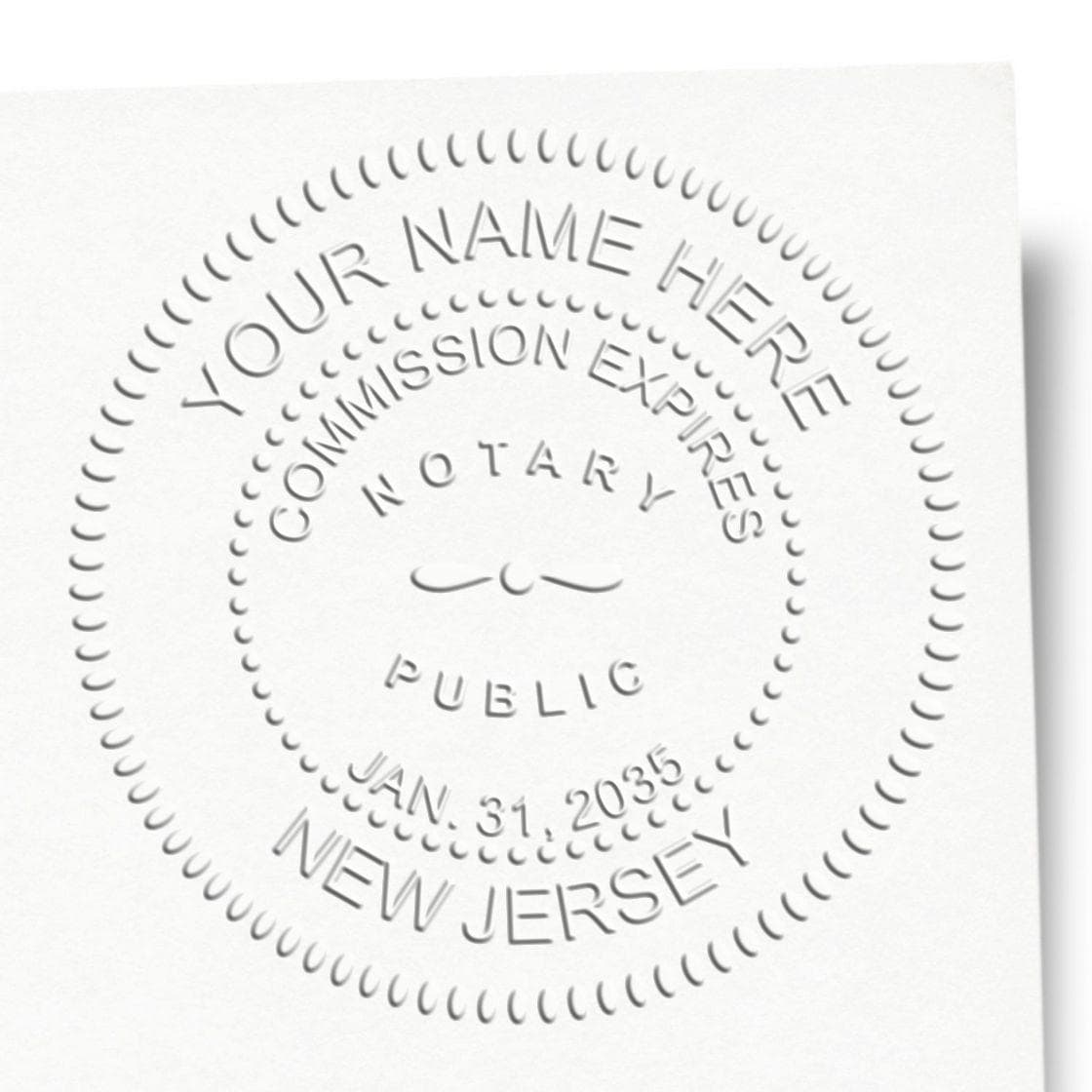
In your role as a New Jersey Notary Public, your NJ notary stamp and seal form the cornerstone of your professional work. They validate the authenticity of your notarial acts, signifying that every signature and document you handle meets the state’s official requirements. Whether you are newly commissioned or have been renewing your commission for years, understanding the importance of these tools is key to protecting yourself and the individuals you serve. This guide walks you through what you need to know about selecting, using, and maintaining a New Jersey notary stamp and seal.
Understand the Basics of Your Notary Duties
Before diving into the specifics of your NJ notary stamp and seal, it helps to review the essential responsibilities you hold as a notary in New Jersey. You are authorized by the state to:
- Verify the identity of signers.
- Witness signatures on documents.
- Administer oaths and affirmations.
- Ensure that paperwork is executed according to New Jersey law.
Each time you notarize a document, you help safeguard critical transactions and legal agreements. Your stamp and seal confirm to third parties that you are a legitimate state-appointed official who has authenticated the signatures. While the exact words you place on your seal can vary, the overall function remains consistent: your stamp or seal is an official mark that lends credibility and authority to your work.
Compliance Requirements for NJ Notary Stamp and
Seal
New Jersey law outlines guidelines for how a notary’s stamp and seal should look and how it should be used. These requirements exist to maintain a standard of quality and reduce the risk of confusion or fraud. Some key points include:
- Identification Information
The stamp or seal should contain your name as it appears on your notary commission, along with the words “Notary Public” and “State of New Jersey.”
- Legibility
The text on your stamp or seal must be clear and easy to read. Should your stamp impression ever appear smudged or illegible, you might need to re-stamp or re-seal the document before finalizing it.
- Expiration Date
While it is not mandatory for all notaries to display their commission expiration date on the stamp or seal, many notaries choose to include this information because it helps recipients verify the commission’s validity at a glance.
- Official Use Only
You must use your notary stamp and seal exclusively for official documents requiring notarization. Proper use ensures consistency with the state’s notarial law and helps maintain public trust in your office.
Confirm any changes to these requirements by checking the most up-to-date New Jersey notary handbook or the official state portal. Keeping current is essential, so you always apply the correct format to every notarial act.
Types of Stamps and Seals
When it comes to choosing a notary stamp or seal, you are not limited to one format. Options differ in their design, shape, and how they transfer ink or emboss an impression on paper. Here are the primary types available:
Self-Inking Stamps
Self-inking stamps use an internal ink pad and can consistently produce clear, crisp imprints. They are quick and convenient—ideal if you notarize documents regularly.
Pre-Inked Stamps
Pre-inked stamps contain ink in the body of the stamp itself. They can create thousands of impressions before the ink runs out. These often produce sharper details than self-inking stamps, though both types are reliable.
Embossing Seals
An embossing seal raises the paper’s surface to produce a distinctive, textured imprint. While aesthetically pleasing, embossers sometimes require more force to make a clear impression. They are typically used in addition to an inked stamp because some institutions find it easier to reference an inked notation.
Pocket Stamps
Pocket stamps are small and portable, making them ideal if you tend to travel for notary services. They can be self-inking or pre-inked, designed to fit neatly in your briefcase or purse for quick access.
Your decision might hinge on personal preference, frequency of notarial acts, and any specific requirements from your employer or the clients you serve. Many notaries keep both an inking stamp and an embosser on hand to accommodate different document types.
How To Choose the Right Stamp
Because your NJ notary stamp and seal are vital to your everyday duties, you want to select the one that best matches your needs. Consider the following:
- Volume of Notarizations
If you find yourself stamping numerous documents in a single day—perhaps in a real estate office or a busy law firm—a self-inking stamp with a refillable pad can be a practical choice for efficiency.
- Storage and Portability
Some stamps and embossers are bulkier than others. If you travel to client locations, a smaller unit with a protective cover may help prevent ink smears or damage to the tool itself.
- Ink Quality
The crispness of your stamp impression reflects on your professionalism. It is also important that the ink can withstand wear over time. Pre-inked stamps often offer high-detail imprints, although modern self-inking stamps have also improved significantly.
- Budget
Although notary stamps are generally affordable, some advanced or high-end models can cost more. However, investing in a durable stamp can save money in the long run because you will likely replace it less often.
- Speed of Replacement
Even well-made stamps and seals might need replacement parts or reinking after extensive use. Make sure you have a plan for quick repairs or replacements to avoid disruptions when your commission is in high demand.
By evaluating your daily tasks and typical workflow, you can narrow down which type of stamp and seal delivers the greatest convenience and reliability.
Proper Usage Guidelines
Once you have settled on a NJ notary stamp and seal, it is important to apply them correctly. Misusing or inconsistently using these tools can lead to legal complications. Below are general guidelines:
- Always stamp or seal your notarial certificate close to your signature, ensuring everything is on the same page as the signer’s acknowledgment.
- Make sure the ink or embossed impression is readable. Avoid stamped impressions that bleed into text or cross page margins.
- If you find an error on a completed notarial certificate, discuss the procedure for corrections with the document owner or a legal advisor. Do not simply restamp or reseal over the error.
- Store your notary stamp or seal separately from personal items to maintain a professional, organized approach.
These steps help to preserve the integrity of the documents you notarize and protect you from future disputes about the authenticity of your work.
Maintaining Your Notary Tools
A notary stamp and seal must remain in good condition to create clear and uniform impressions. Proper upkeep ensures each notarization meets state standards.
Clean the Equipment
- Gently wipe excess ink from the stamp surface or seal to keep the text crisp.
- For an embosser, routinely check the metal plates to ensure they have not bent or accumulated residue.
Refill or Replace Ink
- If you use a self-inking or pre-inked stamp, keep an extra bottle of compatible ink available. Some stamps only work well with specific manufacturers’ refills.
- Embossers do not require ink, but you may need to replace pads that come with certain dual-use embosser kits.
Protect from Heat and Moisture
- Extreme temperatures or humidity may cause ink to fade or smudge.
- Store your stamp and seal in a sturdy case or a location that is neither too hot nor too cold.
Inspect for Wear
- Periodically check for any breakage or misalignment.
- Replace worn-out notary tools promptly to avoid inconsistent impressions.
By dedicating a small amount of time each week to maintaining these tools, you can enjoy a smooth notarization process and keep your documents looking professional.
Where To Get Your Stamp and Seal
Selecting a reputable supplier is just as critical as choosing the right type of notary stamp and seal. You want to be sure your tools meet New Jersey’s requirements and remain durable for long-term use. Family-owned and operated since 1964, Acorn Stamps prides itself on providing top-quality New Jersey notary stamps and seals that fulfill state regulations. After six decades of stellar customer service, Acorn Stamps continues to offer:
- Super fast turnaround, so you can get back to notarizing without delay.
- High-grade materials and precision manufacturing.
- Customer support that helps you choose the perfect tool for your workflow.
Whether you are looking for a self-inking unit, a pocket-sized solution, or a traditional embosser, Acorn Stamps can guide you toward the best products. The company’s longstanding presence in the market serves as a testament to its consistent performance. If you value reliability and efficiency, relying on a well-established supplier is often worth it.
Common Mistakes You Can Avoid
Even experienced notaries can make the occasional slip, but most mistakes are preventable if you remain attentive:
- Stamping Over Text
Always give yourself enough space to make a clear stamp. Overlapping the notarial text or the signer’s details can invalidate the document.
- Forgetting to Sign and Date
Even with a perfect seal, the notarization is incomplete if you forget to sign. Check whether a date is also necessary on each certificate before concluding the session.
- Not Checking ID Thoroughly
Complacency leads to errors. Double-check every signer’s identification documents to ensure accuracy, preventing potential fraud or legal complications down the line.
- Misplacing Your Stamp
A lost stamp can expose you to misuse. You could be held responsible if someone finds and uses your stamp. Always store it securely and out of reach of unauthorized individuals.
- Delaying Renewals
Letting your notary commission expire means you lose the authority to notarize documents. Plan ahead and renew early to ensure the stamp or seal you use remains legitimate.
By staying mindful of how you handle notarizations, you maintain not only your own reputation but also the trust of public places in New Jersey notaries.
Frequently Asked Questions
What Information Must Be On My NJ Notary Stamp Or Seal?
Your stamp or seal should include your name, the words “Notary Public,” and “State of New Jersey.” While the expiration date is not always compulsory, many notaries find it beneficial to include it for clarity. Always confirm you are meeting all current state guidelines when updating or replacing your stamp.
Should I Use An Embosser Or Inked Stamp?
In New Jersey, a stamp with ink is commonly required or at least strongly preferred for clarity. Embossers are often used alongside inked stamps to give a raised impression. If you must choose one, be sure an inked stamp is available because recipients often expect a clearly visible imprint.
How Often Do I Need To Replace My Notary Stamp?
The lifespan of your stamp depends on factors like frequency of use and the quality of the stamp. Some self-inking or pre-inked stamps can last for thousands of impressions before needing a new ink pad or cartridge. Check your impressions regularly and replace the stamp if you see a decline in readability.
Can I Share My Stamp With Another Notary?
No. Your NJ notary stamp and seal are personalized to you and must never be shared. If another individual uses your stamp, you could be legally liable for any fraud or misuse that occurs. Store your notary tools securely, ideally in a locked cabinet or drawer.
Where Can I Get A Reliable New Jersey Notary Stamp And Seal?
You can explore established suppliers such as Acorn Stamps. Known for its quick turnaround, top-grade materials, and 60-year track record of integrity, Acorn Stamps can guide you to the most suitable options for your notary practice. Make sure to choose a provider that understands New Jersey regulations and is committed to delivering high-quality products.
By choosing the right NJ notary stamp and seal, following the law’s requirements, and maintaining your tools properly, you can stand out as a knowledgeable and dependable New Jersey Notary Public. In doing so, you uphold the credibility of notarized documents, instill confidence in your signers, and contribute to the smooth functioning of legal and business transactions throughout the Garden State.