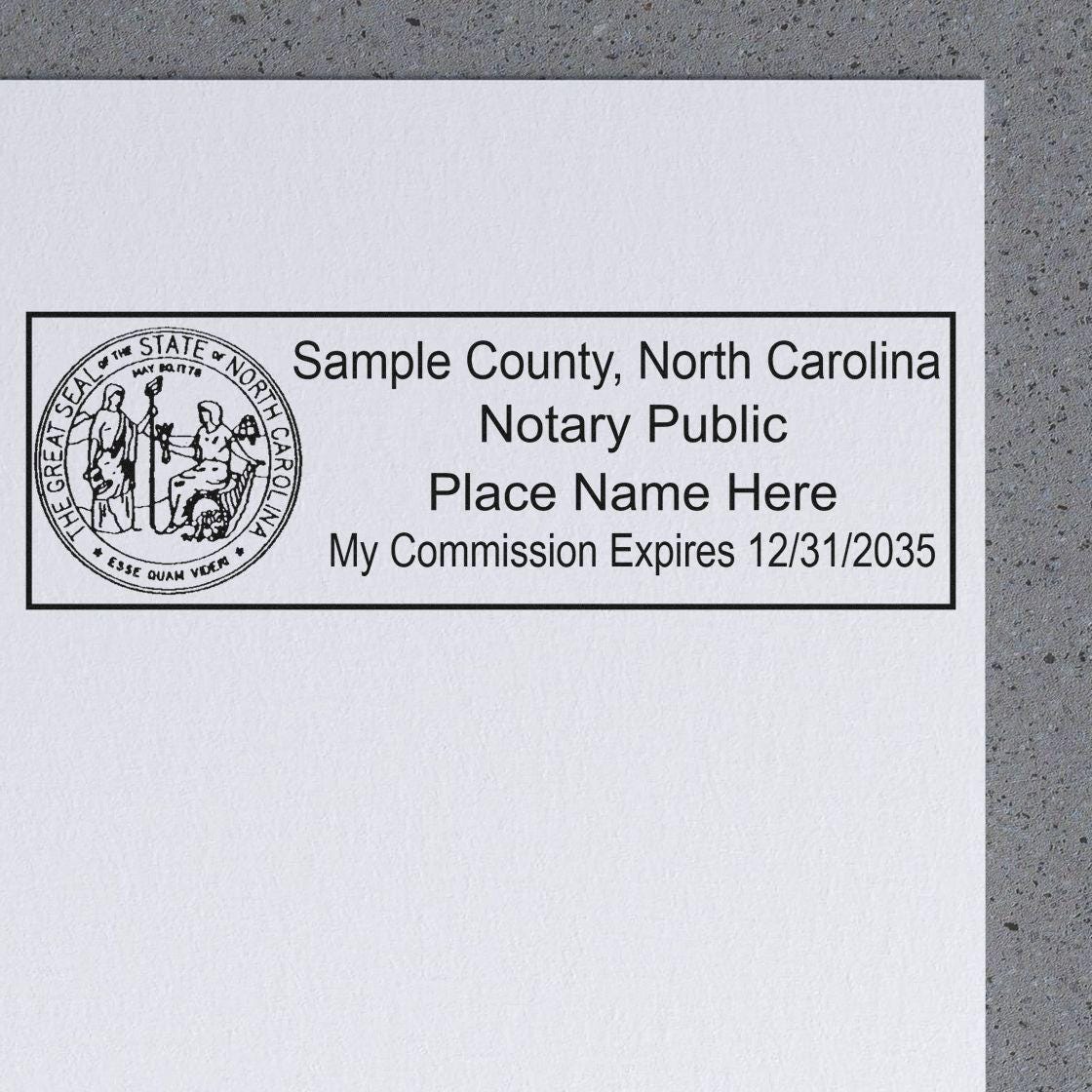
Navigating the various North Carolina notary requirements can feel overwhelming when you first get started. You might wonder how to apply for your commission, which tools you need, and how to stay in good standing with the state. The good news is that once you understand the essentials, the entire process becomes much simpler. Below, you will find an in-depth look at these requirements, along with practical tips, so you can feel fully prepared and confident as a North Carolina Notary Public.
Understand The Role Of A North Carolina Notary
As a North Carolina Notary Public, you serve a vital role in protecting individuals and organizations from fraud. You verify identities, witness signatures, and ensure that people sign documents willingly and knowingly. By fulfilling these responsibilities, you help maintain the integrity of legal and financial transactions across the state. However, the duties and privileges of your notary commission also come with strict guidelines you need to follow every day.
Why Notaries Are Important
- They deter fraud by verifying signer identities.
- They ensure signers are not under duress.
- They validate the authenticity of official documents and records.
Understanding these core responsibilities sets the stage for mastering the notary requirements specific to North Carolina. It also helps you recognize that your role has a direct impact on protecting the public’s trust in vital processes like property sales, business transactions, and legal matters.
Key North Carolina Notary Requirements
North Carolina’s notary requirements focus not just on your initial qualifications but also on your ongoing compliance. You need to meet certain educational standards, understand state laws, and keep up with renewal deadlines.
Age And Residency Criteria
- You must be at least 18 years old.
- You must reside in North Carolina or have a regular place of work or business in the state.
These straightforward residency requirements ensure you remain accessible in the jurisdiction where you perform notarial acts.
Education And Examination
As part of the official procedure, you are required to complete a notary education course approved by the state. This course covers essential laws, practical examples of notarial acts, and the ethical responsibilities you will uphold.
- Instruction covers maintaining accurate records, verifying identities, and administering oaths.
- A final exam demonstrates your grasp of notary laws, best practices, and professional conduct.
Character And Background
While there is no exhaustive background check or fingerprinting across all states, North Carolina does require you to be of good moral character. Generally, you must not have felony convictions or certain misdemeanors that would disqualify you from serving in the public interest.
Applying For Your Notary Commission
Applying for your notary commission can be straightforward, provided you follow the prescribed steps. The process usually involves an application, proof of course completion, and a filing fee.
- Complete The Application: Access the official form from the North Carolina Secretary of State’s website. Fill out your personal details and attach any course completion certificates if required.
- Submit The Fee: Pay the appropriate filing fee stated on the application form. This fee supports administrative costs tied to issuing your commission.
- Take The Oath: Upon approval, you will be directed to your local Register of Deeds office to take the oath of office. This solemn pledge confirms that you will uphold the ethical standards of a Notary Public.
- Obtain Your Commission: After your oath, you will receive your notary commission certificate. Your effective commission date is extremely important. Make note of this date and keep it in your records for renewal purposes.
Pro Tip: Start Early
Complete the application process well before you need to notarize any documents. By getting your commission in advance, you avoid any potential delays that might interfere with work commitments or personal obligations. Early planning also gives you more time to select the best notary tools before you officially begin notarial acts.
Maintaining Your Notarial Supplies
Once you become a commissioned Notary Public, you need to acquire and maintain specific tools. These tools ensure that your notarizations meet North Carolina’s documentation standards and are easily verifiable.
Essential Supplies
- Notary Seal: In North Carolina, you may use an inked rubber stamp or an embosser. Whichever style you choose, make sure it clearly and accurately displays your name, the words “Notary Public,” and “North Carolina.”
- Notary Journal: Although North Carolina does not require a notary journal in every case, keeping a journal is an excellent practice for protecting yourself and your clients. Your journal preserves evidence of each notarization and can help resolve any disputes down the road.
- Commission Certificate: Keep your notary commission certificate accessible. You may be required to present it if anyone challenges your authority or if your identity as a notary is questioned.
Storage And Security
Store your stamp, seal, and journal in a safe location. It is crucial that unauthorized individuals cannot access or misuse these official items. Having a secure storage area—such as a locked desk drawer or safe—protects both you and the people who rely on you to notarize vital documents.
Performing Notarial Duties Ethically
Your second major responsibility, beyond meeting all north carolina notary requirements, is to actually perform each notarial act with integrity. This means verifying identity, checking for willingness to sign, and paying attention to details like date, signature location, and the type of document.
Identify The Signer
Always verify the signer’s identity using legitimate government-issued identification. Acceptable IDs often include a driver’s license, a state-issued ID, or a passport. If the signer lacks standard ID, consult North Carolina guidelines for alternative forms of verification, such as credible witnesses.
Confirm Signer Willingness
Part of your notarial duties involves determining that the signer is not being coerced. A quick, straightforward manner to check for willingness is to ask a few questions about the document they are signing. Are they aware of the nature of the agreement? Do they understand its implications? Their clear, coherent responses help you confirm that they are acting voluntarily.
Record And Double-Check
Lastly, record the pertinent details of the notarization in your journal (even if not strictly required). Make sure you have placed your stamp or seal correctly, and ensure all names match the official IDs. A meticulous approach helps prevent errors that could lead to disputes or even legal liabilities down the line.
Red Flags And Common Pitfalls
While most notarial acts go smoothly, you will occasionally encounter objections or unusual circumstances. Knowing these potential red flags helps you handle them gracefully and maintain your professional reputation.
- Incomplete Documents: Never notarize an incomplete or blank document. The text must be finalized, and any fields left unfilled can become a breeding ground for fraud.
- Requests For Unlawful Acts: If you sense someone is asking you to perform a notarization that is inappropriate or illegal—such as changing dates or forging signatures—refuse the request immediately.
- Unclear Identification: If you cannot verify the signer’s ID or they fail to provide sufficient documentation, you should decline to notarize. This protects you from potential legal issues.
Keep Your Commission Current
In North Carolina, your notary commission expires after a certain period—typically five years. You must renew it before that expiration date if you wish to continue notarizing documents.
Renewal Steps
- Refresh Your Knowledge: You may be required to retake a training course or refresher to remain current with updated laws.
- Submit Renewal Application: Fill out the renewal form detailing your commission and any changes in your personal or business address.
- Pay The Renewal Fee: Similar to your initial application, you will need to pay a renewal fee to maintain your commission status.
- Oath Of Office (If Required): If your renewal process includes an oath, be sure to schedule it before your current commission lapses.
Staying ahead of your renewal ensures that you do not miss any key deadlines. Start the process at least a month or two in advance to give yourself plenty of time to gather any documents or attend refresher courses.
Partner With A Trusted Supplier
Acquiring reliable notary supplies that comply with all north carolina notary requirements is an essential step in your professional journey. You want tools that last, showcase accurate information, and never hold you back when you need them most. This is where Acorn Stamps comes in.
About Acorn Stamps
- Family Owned And Operated Since 1964: With 60 years of service under their belt, Acorn Stamps brings deep expertise to the table.
- Top Supplier Of North Carolina Notary Stamps And Seals: They understand exactly what your stamp and seal must display to meet state standards.
- Stellar Customer Service: Have questions about your order or uncertain which style to choose? You will find helpful guidance from start to finish.
- Super Fast Turnaround: When you need supplies quickly, Acorn Stamps delivers at a pace that supports your busy notary schedule.
Choosing a trusted supplier, like Acorn Stamps, ensures you get a durable stamp or seal that holds up over time and meets every detail of North Carolina’s regulations. Good-quality supplies help you look professional and keep your workflow efficient.
Frequently Asked Questions
Below, you will find answers to five common questions from individuals who want clarity on North Carolina’s notary requirements and best practices.
What Are The Basic Qualifications To Become A North Carolina Notary Public?
You must be at least 18 years old, live in (or have a place of work in) North Carolina, and have good moral character. You also need to complete a state-approved notary course and pass an exam.
Is A Notary Journal Required In North Carolina?
The state does not always mandate a journal, but keeping one is strongly recommended. A detailed record of each notarization can protect you from future legal disputes and maintain accurate documentation of your work.
When Should I Renew My North Carolina Notary Commission?
Most commissions last five years. Start the renewal process at least one or two months before your commission expires to ensure you have plenty of time to complete any educational requirements, submit paperwork, and take the oath if necessary.
Do I Need An Ink Stamp Or An Embosser For My North Carolina Notary Seal?
North Carolina recognizes both. However, an ink stamp is often more practical for day-to-day use because it is easier to read and reproduces clearly on photocopies. Just make sure the seal is accurate and legible.
What Should I Do If Someone Asks Me To Notarize A Document I Am Uncomfortable With?
If the request feels unlawful, incomplete, or suspicious in any way, you have the authority to refuse. Your duty is to uphold integrity above all else, so never notarize a document that does not meet legal and ethical standards.
Navigating North Carolina notary requirements smoothly involves a blend of proper education, compliance with state laws, and practical know-how for day-to-day operations. By understanding the significance of your role, using high-quality supplies from a trusted partner like Acorn Stamps, and staying vigilant for any red flags, you set yourself up for success. You also help uphold the critical honesty and reliability that notaries bring to communities throughout the state. Embrace these guidelines, renew your commission on time, and continue providing a valuable public service for years to come.