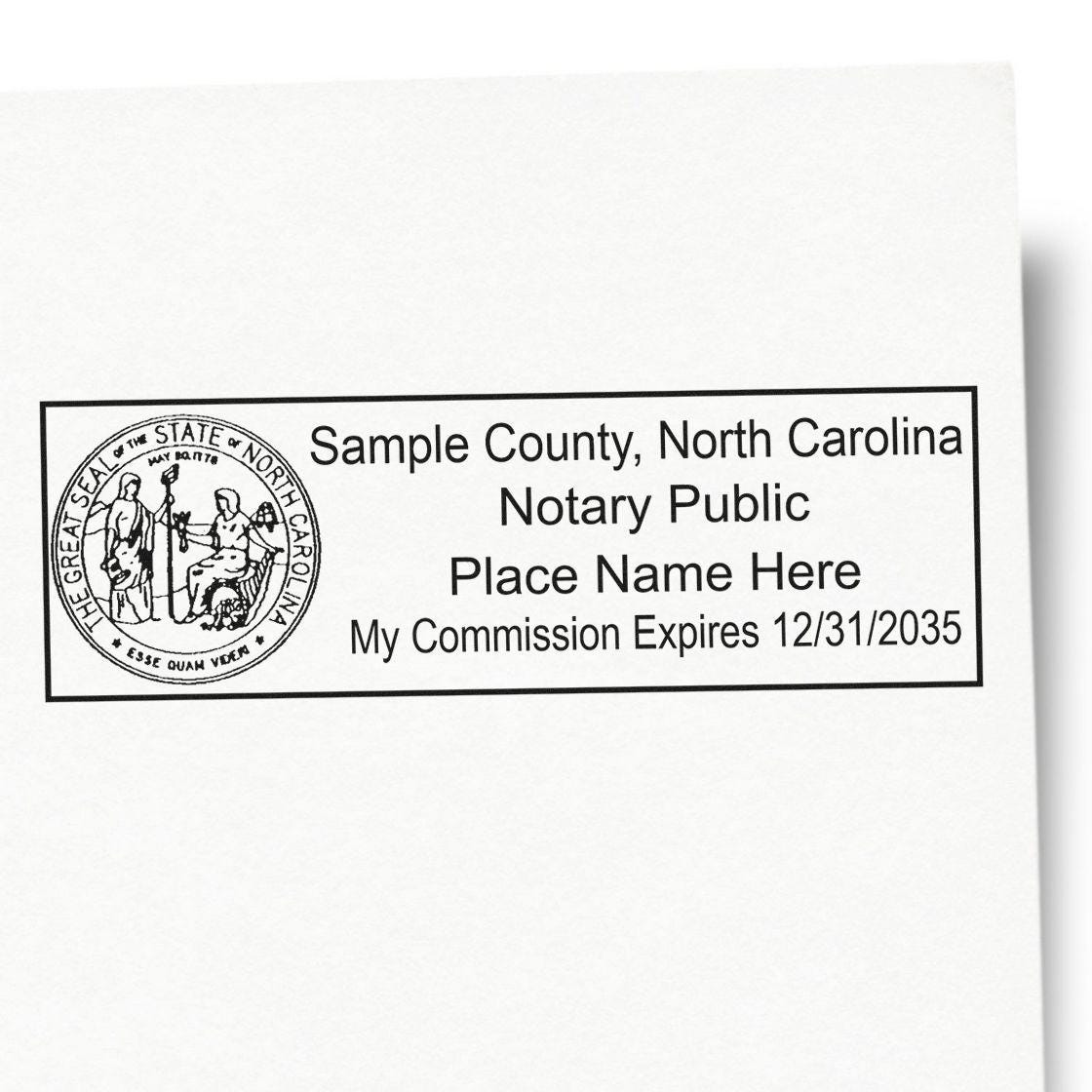
If you serve as a North Carolina Notary Public, you know how crucial an official seal is to your role. A reliable North Carolina notary seal embosser adds a professional polish to every document you authenticate, ensuring that your notarial acts are both valid and trusted. Below, you will find everything you need to know about choosing, using, and caring for this essential tool so you can fulfill your notarial duties with confidence and ease.
Understanding North Carolina Notary Requirements
Being a commissioned notary in North Carolina requires full compliance with state regulations designed to protect citizens and uphold the integrity of official documents. Having a clear understanding of these requirements is key to performing your notarial acts correctly.
Licensing Basics
- Complete the required notary application process through the North Carolina Secretary of State.
- Meet the state’s eligibility requirements, including residency or employment in North Carolina.
- Pass any mandated training courses or exams before receiving your commission.
Once you have your notary commission, you can purchase a notary seal that meets state standards. While stamps are common, many notaries prefer embossers for the classic, raised impression they leave on paper.
Documents That Require Notarization
The types of paperwork that require notarization in North Carolina can vary, but they often include:
- Real estate transaction documents.
- Wills and trust documents.
- Power of attorney forms.
- Professional or business agreements.
When your seal is properly applied to these documents, it lends legitimacy to the signing process and assures anyone reading the document that you, as a commissioned notary, have certified the signer’s identity and willingness.
What Is A Notary Seal Embosser?
A notary seal embosser is a specialized device that crimps the paper, leaving a raised, engraved impression of your official notarial seal. The design includes your name, your commission information, and any elements required by state law. Unlike ink-based stamps that lay ink on the page’s surface, an embosser forms a distinct raised seal you can feel.
Distinguishing Features
- Embossed, three-dimensional imagery.
- Typically made of sturdy metal for consistent impressions.
- Ergonomic handles for easy pressing.
Because an embosser physically presses your seal into the paper, it becomes much harder to tamper with the final mark. In addition, the raised impression often looks more formal and more difficult to replicate without the exact embosser device.
Why Choose An Embosser Over An Ink Stamp
While many people use ink stamps for notarial acts, there are several practical reasons to choose a North Carolina notary seal embosser. Whether you value heightened security, refined aesthetics, or easy compliance with the law, an embosser can be a worthwhile investment in your professional toolkit.
Enhanced Security
The raised seal created by an embosser is tough to reproduce accurately. If someone attempts to photocopy or scan your notarized documents, the embossing will not show up the same way. This makes your originals more secure and reveals any copies that might have been altered or created without authorization.
Professional Appearance
Many notaries enjoy the sophisticated look that an embosser provides. You might find that clients perceive your services as more professional when you leave a crisp, raised impression. This appearance can give you an edge if you frequently handle high-profile or official documentation where presentation matters.
State Compliance
In North Carolina, you can use either a stamp or an embosser that includes the required information. However, an embosser ensures a permanent and clear impression each time. While ink stamps can occasionally smear or fade, an embosser mark remains consistent as long as you maintain your device properly. By choosing an embosser, you reduce the risk of smudged marks that might be difficult to read.
Selecting The Right North Carolina Notary Seal Embosser
When shopping for a notary seal embosser, the variety of options can be overwhelming. Shapes, sizes, and handle designs can differ, but you will want to keep specific criteria in mind: compliance with state rules, comfort, portability, and material quality. Taking a moment to evaluate your options helps ensure you find the right fit.
Confirm State Requirements
Double-check exactly what your seal must include:
- The notary’s name as it appears on the commission.
- The phrase “Notary Public.”
- The state of North Carolina.
- Optional elements, like your county, if desired.
Be sure any custom design you submit to your embosser supplier meets North Carolina guidelines to avoid complications later.
Consider Embosser Type
Embossers often come in two main styles: desk embossers and handheld (or pocket) embossers.Desk Embossers
- Typically heavier and designed for a stationary desktop.
- Provide more leverage for crisp images.
- Ideal if you handle large volumes of documents in one place.
Handheld Embossers
- Lightweight and easy to carry.
- Perfect if you travel to meet clients.
- It may require a bit more effort to create the same pressure, but many are ergonomically designed.
Look For Quality Materials
Sturdiness matters when it comes to an embosser. Look for metal construction, especially for the embossing plates. Plastic components often wear out faster and can lead to fuzzy impressions over time. A durable handle and a strong hinge mechanism make repeated use simpler and more comfortable for your hand.
How To Use Your Seal Embosser
Proper technique with your Northwestern notary seal embosser will produce sharp, clear impressions every time. With repetition, you will develop the consistency you need to maintain professional standards and legible marks.
Position The Document
Open the embosser and slide the corner or edge of the page between the metal plates. Avoid placing the paper too far into the mouth of the embosser, as that can cause misalignment.
Apply Balanced Pressure
Once the paper is positioned, firmly press the embosser handles together. You want enough force to create a distinct raised impression, but not so much that you risk tearing the paper. Practice a few times on a scrap sheet of paper to find the right amount of pressure.
Verify The Seal
Check your impression for clarity. The text and design should be crisp, readable, and free of blotches or distortions. If your embossed image lacks definition, adjust your pressure or reposition the paper. A quick review can save you from having to re-notarize an important document.
Essential Care And Maintenance
Caring for your North Carolina notary seal embosser directly affects the clarity and longevity of your impressions. A poorly maintained embosser can result in partial or unreadable seals, which could lead to questions about the validity of the notarization. Below are tips to keep your embosser in top shape.
Store It Correctly
When you are not using your embosser, store it in a protective case or pouch. Keeping the device in a clean, dry place helps prevent rust on metal components and keeps dust from accumulating. If you frequently travel with your embosser, choose a carry case that prevents the handles from being pressed inadvertently.
Clean The Plates
Residue, paper fibers, and general dust can collect on the embossing plates over time. Use a soft, dry cloth to wipe the plates periodically, ensuring no debris lingers in the crevices. Avoid harsh chemicals, as they can damage the metal or cause it to corrode.
Prolong The Life Of Your Embosser
- Inspect for Loose Screws
Over time, the hardware holding your embosser together might loosen. Give the device a quick check every few months and gently tighten any loose screws.
- Avoid Excessive Force
Pressing harder than necessary may distort the plates, leading to uneven impressions. Practice using just enough pressure and let the device do the heavy lifting.
- Schedule a Tune-Up
If your embosser does not perform as smoothly as it once did, consider sending it to a professional for adjustment. A small tune-up can extend the life of your tool significantly.
Meet Acorn Stamps
When shopping for your North Carolina notary seal embosser, you want a supplier you can trust with the details of your official seal. Acorn Stamps is a top provider of North Carolina notary stamps and notary seal embossers. You can expect stellar customer service, super fast turnaround, and a commitment to quality in every single product. Best of all, Acorn Stamps is family owned and operated since 1964, proudly celebrating over 60 years of service.
Choosing Acorn Stamps means you are partnering with a company that understands the importance of precision in notarial work. Each embosser is crafted with care to ensure consistent, sharp impressions. Whether you require a desk embosser for high-volume tasks or a pocket-style embosser for on-the-go appointments, Acorn Stamps offers a wide range of options that can be personalized to meet your exact needs.
Why Acorn Stamps Stands Out
- Deep Industry Experience
With over half a century of service, Acorn Stamps has grown alongside the notary profession, adapting to new regulations and evolving customer demands.
- Tailored Solutions
Each notary has a unique set of needs. Acorn Stamps allows you to customize your seal for clarity, readability, and professional appeal.
- Fast, Friendly Service
The team at Acorn Stamps knows your time is valuable. With a tight turnaround and responsive communication, you can expect your embosser to arrive when you need it.
- Built To Last
All embossers are created with high-quality materials. You can rest assured that your seal will remain crisp through countless notarizations.Whether you are a seasoned notary or brand-new to the field, partnering with Acorn Stamps can simplify your search for the perfect embosser. Their range of reliable tools lets you approach your work with the confidence that each impression will meet the highest standards.
5 Frequently Asked Questions
Do I Need Both A Notary Stamp And A Notary Embosser In North Carolina?
You are allowed to use a stamp or an embosser in North Carolina, as long as it meets the state’s design requirements. Many notaries prefer to keep both so they can be prepared for different document formats and client preferences.
How Long Does An Embosser Typically Last?
A quality embosser can last for many years if maintained properly. Regular cleaning and storage in a protective case can help it continue producing crisp impressions long after your first use.
What Kind Of Paper Works Best With An Embosser?
Most paper types will hold a clean impression, but standard or slightly heavier-weight paper often yields the sharpest raised seal. Very thin or delicate paper may tear if you press too hard.
Can I Change The Plates On My Embosser If My Commission Information Updates?
Yes. Many manufacturers offer replacement inserts or plates for when your information changes. Make sure you comply with regulations regarding updates to your name, expiration date, or other details on the seal.
Where Should I Place The Embossed Seal On The Document?
You can generally place the seal near your notarial certificate or directly beneath your signature if space permits. Just ensure it does not obscure any text. Keeping the seal in the same spot on every document can help with consistency and clarity.
By choosing a North Carolina notary seal embosser, you invest in both the professionalism and security of your notarial acts. Keeping your device in good shape and following best practices in seal application will help you make your mark with confidence. Through every notarization, your carefully embossed seal stands as a testament to your dedication and reliability as a notary in the Tar Heel State.