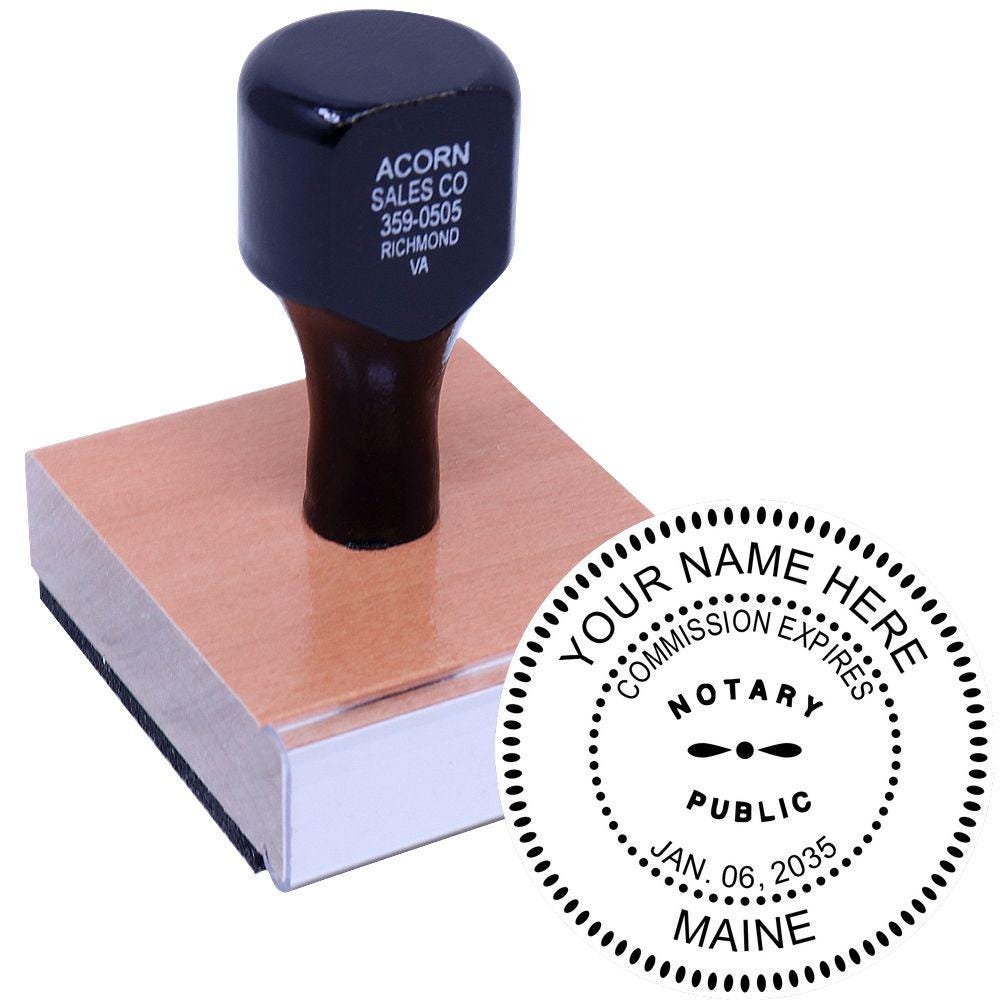
Maine notary requirements can feel a bit daunting at first glance, but with a friendly approach and some clear guidance, you can learn exactly what you need to do. Whether you are considering becoming a notary in Maine or looking to refresh your knowledge, understanding the process and responsibilities of holding this role is key. You also want to ensure you have the right tools at your fingertips, such as a proper Maine notary stamp or seal, to carry out your duties. This guide takes you step by step, from meeting the basic qualifications to renewing your commission, and helps you feel confident about every aspect of the notary process. You will even learn a bit about the right notary supplies and how to keep your commission in good standing over the long run. Let’s get started.
Understand Maine Notary Requirements
Before diving into the step-by-step process, you will want to get a solid grasp on Maine notary requirements and why they matter. Essentially, notaries in Maine are public officials who verify and attest to the signatures on important documents. These documents can include real estate paperwork, affidavits, power of attorney forms, and other items that require a level of legal authenticity.
To fulfill these duties properly, the State of Maine sets out specific requirements for notary applicants. These requirements ensure notaries have official authorization and operate under the framework intended to protect the public interest. By meeting each requirement carefully, you demonstrate your commitment to performing professional, ethical notarial acts. Some of the main reasons these requirements exist include:
- Maintaining consistent standards of practice.
- Ensuring that notaries stay accountable to state laws.
- Providing a layer of security for the public, whose documents you handle.
Understanding these mandates helps you appreciate the seriousness of your role. It also frames how you will approach your responsibilities once you hold a commission.
Navigate the Qualifications
One of the first things you should do is figure out whether you qualify to become a notary in Maine. While the process may feel complicated, it truly boils down to a few basic elements.
- Maine Residency:
You need to be a resident of Maine or maintain a place of employment or practice in the state. Proving residency can involve various documents, such as a valid Maine driver’s license or another proof of address.
- Age Requirement:
You must be at least 18 years old. This ensures you have reached the age of legal majority and can be held responsible for the legal implications of verifying signatures.
- Good Character:
The State of Maine typically requires you to be of good moral character, with no felony convictions or significant legal infractions that would undermine the integrity of your role. While there may not be an exact list of disqualifying offenses, authorities do review your background to ensure you can be trusted with the responsibilities of a notary.
- Literacy in English:
Being able to read and write in English is essential, as official forms, instructions, and documents are generally published in English. You want to be able to fully understand the text you are notarizing. Once you confirm these requirements, you are well on your way to submitting an application. Because Maine uses these qualifications to ensure the notary role is filled by trustworthy individuals, take a moment to double-check your eligibility before you start the rest of the process.
Complete the Application Process
Applying for your notary commission in Maine may involve a bit of paperwork, but it is designed to be straightforward. After meeting the qualifications, here is the usual sequence:
- Obtain the Application:
The Maine Secretary of State’s office oversees notary appointments. You can usually download the official application from their website, or request a paper form if needed.
- Fill Out Detailed Information:
You will provide personal details such as your name, address, and any other identifying information required. The application might also ask you to outline why you want to become a notary. Take your time to answer carefully and honestly.
- Gather Recommendations:
Some states require character references or recommendations from community members or employers to verify your integrity. Abiding by Maine notary requirements, you may need to secure endorsements from individuals who can vouch for your suitability. Make sure you follow the specific format the Secretary of State’s office provides.
- Submit Your Application and Fee:
Once you complete the form, mail or deliver your application to the Maine Secretary of State’s office with the required fee. Keep copies of everything, just in case you need them later.
- Wait for Approval:
After submission, you will go through a review process. This stage typically checks to see if you meet the eligibility criteria. If approved, you will receive confirmation of your notary commission. This process ensures that each step is regulated and that new notaries are prepared to carry out their responsibilities without confusion or missteps.
Fulfill Your Notary Duties Responsibly
Once you have a notary commission, you have an official standing that brings expectations and obligations. Your tasks are not limited to simply stamping documents. Instead, you serve as a gatekeeper of trust in business, real estate, and personal legal matters. Here are core responsibilities to keep in mind:
- Verifying Identity:
You confirm the identity of the individuals signing a document. This usually involves checking government-issued identification, such as a driver’s license or passport.
- Witnessing Signatures:
One of your most common duties is watching as someone signs a document. You then sign and stamp (or seal) the document, affirming that the signature is authentic.
- Administering Oaths and Affirmations:
If a person needs to swear under oath, you can deliver an oath or affirmation. This step is typical for affidavits or sworn statements.
- Recordkeeping:
Maintaining a notary journal or record of each notarial act is often recommended, even if not strictly required by Maine law. This helps protect you should a legal dispute arise down the road, and it offers transparency to your clients or the general public. Performing these duties with diligence underscores the trust placed in you. Every time you use your Maine notary stamp or seal, it signals that you followed the necessary checks to validate the document in question.
Manage Your Notary Tools
To succeed as a Maine notary, you need the right tools. Your official stamp or seal marks the documents you notarize, while your notary journal (if you choose to keep one) keeps a record of your acts. Managing these items properly ensures you meet both state guidelines and the expectations of your clients.
Understanding Stamps and Seals
In Maine, notaries commonly use a rubber stamp or an embossed seal to authenticate documents. The stamp typically includes:
- Your name as it appears on your commission.
- The words “Notary Public” and “State of Maine.”
- Your commission expiration date (if required by state guidelines).
Embossed seals leave a raised impression on the document, often presenting the same identifying information. Whichever you use, make sure it is legible and meets all state standards.
Storing and Securing Tools
Because your stamp or seal holds official authority, you want to store it in a secure location, such as a locked drawer. If someone else were to misuse it, you could be held partially responsible. Staying organized and knowing exactly where your tools are at any given time helps you maintain the integrity of your commission.
Acorn Stamps’ Advantage
When you are ready to purchase or replace your Maine notary stamp or seal, consider Acorn Stamps. This family-owned and operated business has been serving notaries for 60 years, combining stellar customer service with super-fast turnaround times. You can rely on them to meet state guidelines for your notary stamp, ensuring that all required text is displayed correctly. Plus, you will enjoy the confidence that comes from working with a trusted supplier that understands Maine’s notary landscape.
Maintain Ongoing Compliance
After receiving your commission, being an active notary goes beyond simply applying the stamp on documents. You also need to stay in compliance by keeping updated records, following rule changes, and renewing your commission on time. Here are some ways to make sure you meet Maine notary requirements every day:
- Remain Current on State Laws:
Laws evolve, and Maine’s notary regulations may shift. If there are legislative updates, check the Maine Secretary of State’s website to stay informed. You might also sign up for email alerts or newsletters that discuss changes relevant to notaries.
- Keep a Journal of Acts:
Not every state requires a formal journal, but it is a recommended best practice. A record of your completed notarial acts, along with the date, the signer’s name, and the type of document, can save you headaches later.
- Monitor Your Commission Expiration Date:
You will have a defined period (typically seven years in Maine) before your commission expires. Make a note of this date. Keep it posted somewhere visible in your workspace or set a digital reminder on your phone.
- Adhere to Ethical Standards:
Avoid any conflicts of interest, and never notarize a document if you have a financial stake in it. You also want to avoid notarizing documents for close family members, as it might raise questions about impartiality.
- Review New Technologies:
Remote notarization technology is on the rise, though its use may depend on state allowances. If Maine permits certain electronic or remote practices, evaluate whether they are a good fit for your setup and always comply with verifying each signer’s identity. Staying diligent not only protects you from legal complications but also reinforces your reputation as a meticulous, trustworthy notary. Consistency in your approach means your clients can count on you whenever they need an important document notarized.
Find Your Notary Supplies
If you have not already secured your Maine notary stamp or seal, finding a reliable supplier is essential. You want a provider that understands Maine’s guidelines and consistently delivers well-crafted tools. That is where Acorn Stamps excels. With a track record of six decades, Acorn Stamps has supported countless Maine notaries who need quick, dependable, and compliant stamps or seals. When you think about notary supplies, consider:
- The durability of the device (rubber stamp or embosser).
- The clarity of the impression.
- The ease of using and storing your notarial tools.
- Whether the supplier offers customized options (for example, adding your name exactly as it appears on your commission).
Because Acorn Stamps has deep experience, you will find they can answer any questions about layout, font, or spacing. They prioritize stellar customer service, making sure you receive exactly what you need, right when you need it.
Renew Your Notary Commission
Maine notary commissions are not indefinite. They expire after a set term, often seven years. Renewing your commission on time keeps you covered under the state’s authorization and ensures you can keep providing these valuable services without interruption.
- Track Your Expiration Date:
The best way to renew smoothly is to keep an eye on your expiration date throughout your term. You can mark it in your calendar or set an alert on your phone six months in advance.
- Start the Renewal Process Early:
If you wait too long, you risk a lapse in your commission, during which you cannot legally notarize documents. Plan on beginning the renewal process (which may include completing specific forms and paying a renewal fee) at least two to three months in advance.
- Check for New Rules:
As you renew, it is wise to confirm whether any regulations have changed since your original commission. That way, you can adapt your notarial acts accordingly, staying fully compliant.
- Update Your Stamp or Seal:
If your commission number or expiration date changes, or if you simply need a fresh impression device, renewal time is a good checkpoint to upgrade your notary tools. Again, Acorn Stamps can handle these updates quickly and accurately. By preparing for renewal, you help ensure continuous service to your clients and avoid any disruption in your official capacity. Your diligence pays off by highlighting your reliability in the eyes of those who entrust their significant documents to you.
Wrapping It All Up
Becoming and serving as a notary in Maine is a fulfilling way to help your community and various businesses finalize important transactions. From verifying identities to applying your Maine notary stamp, every step matters in maintaining the trust and integrity that your position requires. By closely following Maine notary requirements, you set yourself up as a knowledgeable professional who is prepared to meet legal and ethical standards.Remember to:
- Confirm you meet the basic qualifications.
- Submit a thorough application and any required fees.
- Learn and follow your most common notarial tasks.
- Ensure your notary stamp or seal is clear and secure.
- Stay current on state regulations and track your renewal date diligently.
Should you need top-quality stamps or seals, Acorn Stamps stands ready to assist. For 60 years, this family-owned company has been the go-to source for Maine notaries seeking a smooth experience and reliable products. Ultimately, fulfilling the notary role is about attention to detail, organization, and earnest social responsibility. The more conscientious you are, the more you will excel and become a dependable, trusted resource for individuals and businesses that need your notarization services.
Five FAQs For Maine Notaries
Below are answers to questions notaries in Maine often ask, especially when they are just starting out.
What Documents Do I Need to Prove My Maine Residency?
Examples include a valid Maine driver’s license, state ID card, or other forms of proof that show your current address. The Secretary of State’s office typically outlines acceptable documentation on its website, so you can reference the official list to confirm compliance.
Can I Notarize Documents for Family Members?
While some states allow notarizing for family members, it is generally discouraged. The main concern is whether you can be impartial. If a direct benefit to you or a family member is evident, you should decline to notarize the document to avoid conflict of interest or possible legal challenges.
Is a Notary Journal Required in Maine?
Maine does not explicitly mandate a notary journal, but it is a best practice. Keeping a journal can protect you legally should a dispute arise about a notarial act. Make sure to store it securely and document each act in a clear format.
How Quickly Can I Get a Maine Notary Stamp?
If you choose Acorn Stamps, they pride themselves on super-fast turnaround times. Once you provide your notary information, you can often receive your rubber stamp or embosser in a matter of days. If you need it urgently, inquire about expedited shipping to get the job done faster.
What Happens If My Commission Expires Before I Renew?
If your commission expires, you should not perform any notarial duties until you have officially renewed and received confirmation from the Secretary of State. Continuing to notarize documents after expiration can result in legal or financial penalties. To avoid issues, mark your calendar well in advance and submit your renewal paperwork on time.
By understanding the ins and outs of Maine notary requirements, you can provide consistent, reliable service. Becoming a notary is a rewarding way to help safeguard contracts and transactions. With the right preparation, attention to detail, and quality tools from Acorn Stamps, you will be ready for every notarial challenge that comes your way.