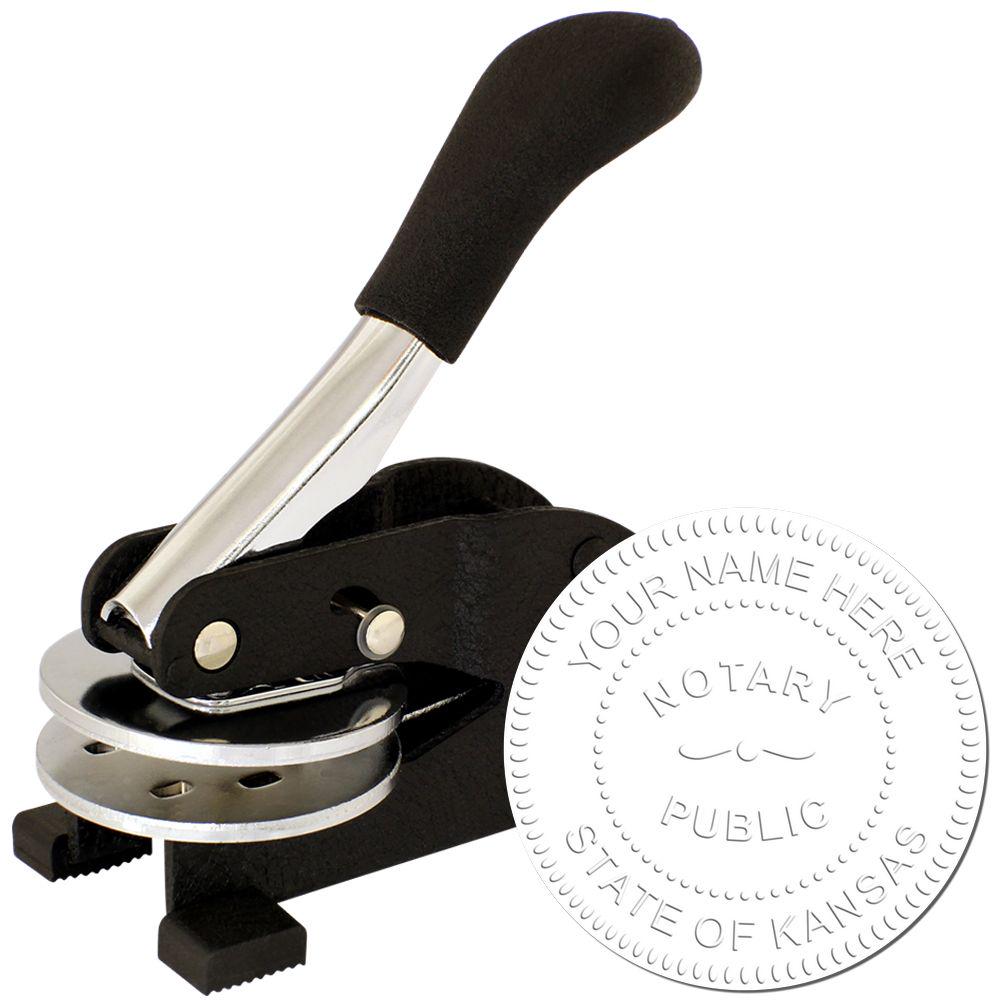
If you are a Kansas Notary Public, you likely know how vital it is to meet all Kansas notary stamp requirements. Whether you are newly commissioned or a seasoned pro, following these rules helps you perform your official duties correctly and avoid complications. In Kansas, the notary stamp or seal provides proof of your authority and ensures that your notarized documents hold legal weight. Below, you will find everything you need to know about choosing, using, and protecting your notary stamp or seal, along with practical tips for renewing your commission and selecting the best supplier.
Understand Your Basic Role
Before diving into your Kansas notary stamp requirements, it is important to recognize what you do as a notary. A Kansas notary’s core responsibility involves verifying the identity of signers, administering oaths, and serving as an impartial witness to the signing process. In other words, you help prevent fraud and maintain trust in official documents. Most of your duties revolve around affirmations, jurats, acknowledgments, and other notarial acts.
- You confirm that the signer’s identification matches the individual in front of you.
- You ensure that the signer understands the document and is signing willingly.
- You record the notarial act in your notary journal when necessary.
- You apply your official stamp or seal to validate the notarization.
Because you have a unique authority within the state, you must also remember your ethical and legal responsibilities. Staying updated on regulations and guidelines helps you serve the public effectively. Additionally, it is good practice to undertake refresher courses or keep track of any changes to Kansas notary laws so that you remain in compliance at all times.
Fulfill Kansas Notary Stamp RequirementsKansas notary stamp requirements revolve around ensuring authenticity, clarity, and compliance with state law. In Kansas, you can use either a rubber stamp or an embosser, as long as the seal contains the necessary details mandated by the state. Commonly required elements include:
- Your name as it appears on your commission
- The words “Notary Public”
- The words “State of Kansas”
- Your commission expiration date, if required by state guidelines
Exact specifications might change over time, so be sure to confirm what is currently required by visiting official Kansas state government resources or checking updates from the Kansas Secretary of State. If you choose a rubber stamp, be sure the text is readable, with letters clearly legible. For an embosser, the raised impression should be sharp and easily visible.
Why These Specific Elements Matter
- Your name: Confirms your identity as the commissioned notary.
- Notary Public designation: Establishes your official role.
- State of Kansas: Indicates you are authorized within a particular jurisdiction.
- Expiration date: Lets the receiving party know if your commission is valid.
When these elements are all in place, any notarized document you handle in Kansas will enjoy better legal standing. Always ensure your stamp or seal matches the full legal name on your notary commission, since inconsistencies can lead to challenges or even rejection of your notarization.
Choose an Approved Stamp or Seal
Selecting the correct notary stamp or seal is not just about meeting technicalities. It is also about ease of use, reliability, and longevity. You have two main options:
- Rubber Stamp: This is often the go-to solution for many Kansas notaries. A self-inking or pre-inked style is convenient, quick to use, and creates a clear impression.
- Embosser: While it may take a bit more force to leave a raised mark, embossers offer a distinctive, professional look. However, you will typically need to darken the embossed image if a photocopy is required, so keep that in mind.
Factors to Consider
- Impression Quality: A fuzzy seal or incomplete embossing stamp can lead to rejections.
- Durability: Daily notarial work puts a lot of wear and tear on stamps. Look for a robust design that stands the test of time.
- Ink Color: While black ink is standard for visibility, some prefer darker blue to differentiate the stamp from the rest of the document.
Double-check that your chosen seal meets all Kansas notary stamp requirements before you purchase. If you are unsure, you can verify your design with the Kansas Secretary of State’s office or reach out to a reputable supplier known for catering to local guidelines.
Maintain Proper Notarial Records
In addition to your notary stamp or seal, you will want to maintain thorough and accurate records of your notarial acts. Though Kansas law does not always make a notary journal mandatory, keeping one is often recommended. It can protect you if your notarizations are ever questioned in a legal context. Key details to note in your journal can include:
- Date and time of the notarial act
- Type of document notarized (e.g., affidavit, contract, deed)
- Name and address (if relevant) of the signer
- Form of identification used
- Signer’s signature and your own notes about the transaction
Having a clear record of your official acts not only strengthens your credibility, but it also offers peace of mind. In the event that someone disputes the authenticity of a notarized document, you can provide your journal entry as proof that you followed correct procedures.
Protect Your Notary Stamp or Seal
One of your most significant responsibilities is ensuring that unauthorized individuals do not access your notary stamp or seal. If someone obtains your stamp and attempts to notarize documents under your name, it can create legal complications and reputational damage, not to mention potential liability issues. Here are a few ways you can minimize risk:
- Store your stamp in a locked drawer or safe outside of business hours.
- Never share your notary credentials or your commission number with anyone other than authorized personnel.
- Avoid leaving your notary seal or stamp unattended on your desk, even if you are momentarily away.
- Regularly inspect your stamp or seal to ensure it is working correctly and has not been tampered with.
If your stamp is lost or stolen, you should inform the Kansas Secretary of State’s office immediately. By doing so, you can protect your notary commission and mitigate any fraudulent misuse.
Renew Your Commission on Time
Keeping an eye on your commission expiration date is critical. When renewal time draws near, you will usually need to undergo an application process, which may include:
- Submitting a renewal form
- Paying the required fee
- Completing an updated oath of office
- Possibly obtaining a new notary bond
It is wise to start your renewal process a few weeks or even months ahead of your expiration date so you can continue operating without interruptions. Once your renewal is approved, verify whether you need to obtain a new notary stamp or seal reflecting your updated commission or expiration date. By staying proactive, you will avoid any lapses in your authority and maintain consistent service to your clients or community.
Avoid Common Mistakes
Even if you have satisfied Kansas notary stamp requirements, mistakes can happen. Common missteps include using a stamp that has incomplete information, failing to update your stamp after a name change, or applying the seal in an area of the document that is difficult to read. Here are some simple measures to combat these pitfalls:
- Double-check your stamp details: Confirm that every element the state requires is included and accurate.
- Be mindful of your signature: Sign exactly as your name appears on your commission.
- Check the stamping area: Place your seal on a clear section of the document so it remains easy to read and does not overlap any text.
- Stay updated: Monitor your commission expiration date and renew on time to avoid unauthorized notarizations.
Mistakes are easier to prevent than to correct. When in doubt, reference Kansas law or consult with the Kansas Secretary of State’s office for clarification.
Choose a Trustworthy Supplier
Finding a supplier that understands Kansas notary stamp requirements can save you ongoing frustration. Since your daily duties rely on a properly functioning stamp or seal, you want high-quality products made specifically for Kansas regulations. This is where Acorn Stamps shines.
At Acorn Stamps, you will find Kansas notary stamps and Kansas notary seals that meet or exceed state requirements. This family-owned and operated business has been serving notaries for over 60 years, ever since 1964. With a reputation for stellar customer service, multiple customization options, and super-fast turnaround times, Acorn Stamps matches the reliability you need. You can rest assured that your official stamp will be produced accurately so that each impression is crisp, legible, and fully compliant.
What Sets Acorn Stamps Apart
- Familiarity with state guidelines: They stay on top of Kansas regulations, ensuring your stamp design is correct.
- Quality assurance: Each product undergoes careful inspections so you can count on consistent performance.
- Customized solutions: Whether you want a pre-inked, self-inking, or embosser, they can guide you toward what works best.
Choosing a trusted supplier like Acorn Stamps means one less thing to worry about, letting you concentrate on the daily responsibilities of notarizing documents.
Frequently Asked Questions
Below are five FAQs to clarify the most common points about Kansas notary stamp requirements and best practices.
Do I Need to Include My Commission Expiration Date on the Stamp?
Requirements regarding the expiration date can vary. While many Kansas notaries choose to include it, confirm current guidelines with the Kansas Secretary of State. Having the date on the stamp can make it simpler for recipients to validate your commission.
Can I Keep Using My Old Stamp After Renewing My Commission?
In most cases, you need a stamp that reflects your updated commission details, especially if your name changed or if the expiration date is now different. Using an outdated stamp creates confusion and may invalidate notarizations.
What Happens If My Stamp Is Lost or Stolen?
Report it immediately to the Kansas Secretary of State’s office and closely follow their instructions. This step helps you limit the chances of fraudulent use of your seal. You will likely need to order a replacement to continue your notarial duties.
Is an Embosser Better Than a Rubber Stamp?
It depends on your preference and how your clients typically use their notarized documents. A rubber stamp is usually faster and more convenient, while an embosser creates a raised seal and adds a more traditional look. Ensure that whichever option you choose includes all required information.
How Often Should I Audit My Notarial Practices?
A quick audit every few months helps you confirm that your stamp, journal entries, and processes are up-to-date. This habit reduces the risk of overlooked changes in the law and ensures you consistently meet Kansas notary requirements.
Understanding Kansas notary stamp requirements is essential for maintaining the integrity of your work as a notary public. With a reliable stamp or seal, proper record-keeping, and attention to your commission renewal deadlines, you strengthen the legitimacy of every document you notarize. By partnering with a reputable supplier like Acorn Stamps, you can confidently deliver professional, hassle-free service to the people who rely on you.