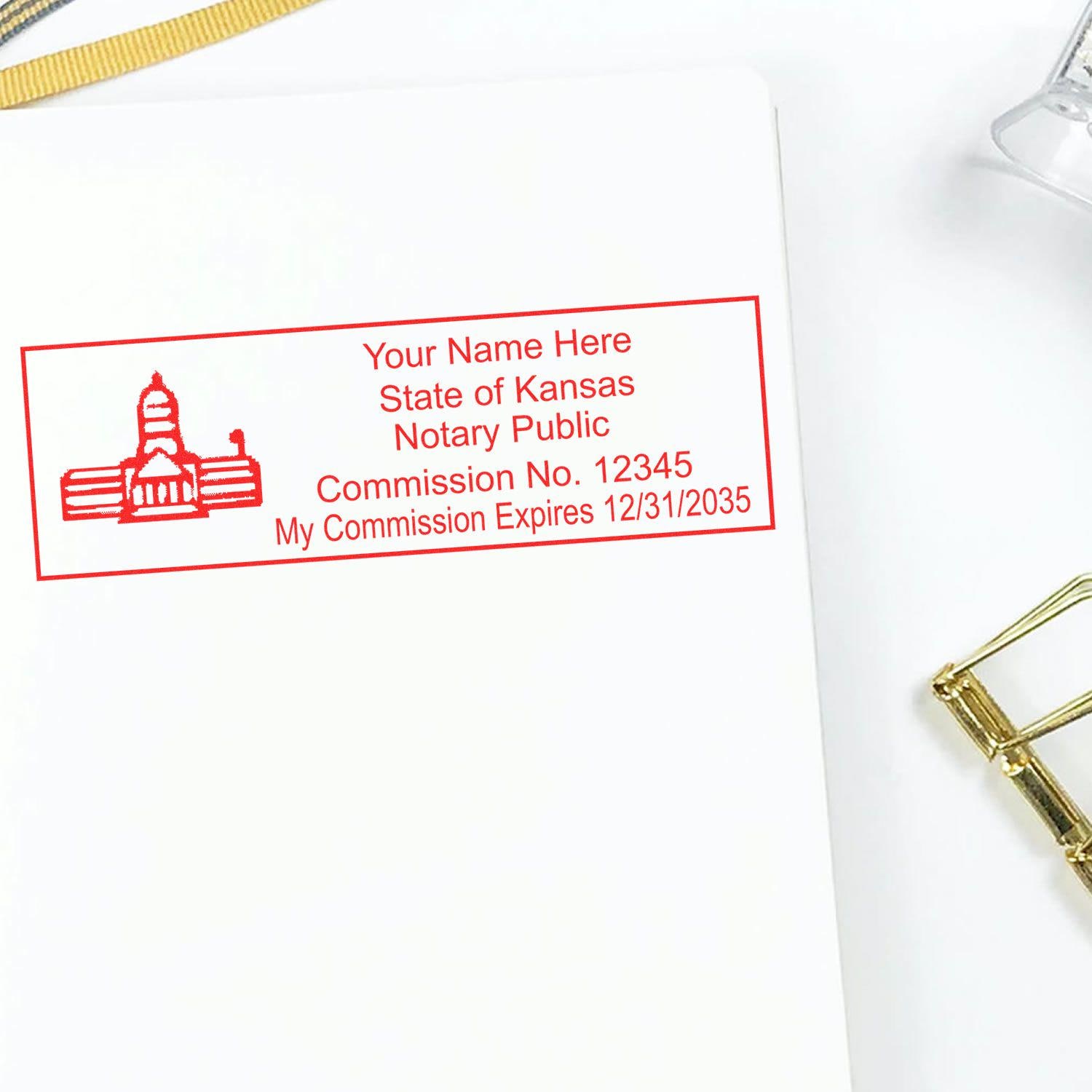
If you are looking to perform notarial acts in the state of Kansas, you already know that having a proper Kansas notary seal is a key requirement. This official device not only validates your authority but also protects the integrity of each document you notarize. By applying a clear and accurate seal, you help assure the public that each signature was verified properly and that the transaction was done in accordance with Kansas law. In this article, you will learn the essential details of what makes a Kansas notary seal compliant, how to acquire one with ease, and how to keep it in top shape throughout your tenure.
Understand the Kansas Notary Seal
A Kansas notary seal is more than just a stamp. It is a tangible mark that signals your credibility and commitment to upholding Kansas state regulations. Whether you are new to the notarial process or simply updating your supplies, it is crucial for you to know why a seal matters and how it works in practice.
Definition and Function
The simplest way to think of a notary seal is as your official “signature” in a stamped or embossed format. Once you have added your seal to a document, you are testifying that:
- You verified the identity of the individual signing the document
- The signer willingly understood and agreed to the document’s contents
- You fulfilled your state’s requirements for performing a notarization
Because so much hinges on this mark of authenticity, your kansas notary seal must be distinctly identifiable and consistently legible.
Legal Standing in Kansas
In Kansas, you must use a seal that includes your exact name, your official title, and the words “Notary Public.” The state requires you to place it on notarial documents to protect against fraud and forgery. Even though Kansas allows some flexibility in design, consistency in the basic components is crucial. If your seal fails to meet these requirements, you risk invalidating notarized documents or facing disciplinary action.
Recognize Why You Need It
You might wonder if a basic signature could suffice for many documents. However, a valid kansas notary seal provides multiple layers of assurance for both you and the people relying on your services. When you use a clear, verifiable seal, your notarial acts stand up against both legal scrutiny and public skepticism.
Security and Trust
Think of your seal as a built-in security feature. It discourages document tampering because the absence of a recognizable notary seal raises immediate red flags. Individuals are more confident in a document’s legitimacy when they see a proper seal. This is especially important when dealing with real estate deeds, affidavits, power of attorney forms, and other high-stakes legal paperwork.
Professional Image
Using an official kansas notary seal adds to your professional reputation. It signals that you have gone through the proper steps to register as a notary public and that you take the responsibilities of your office seriously. By stamping your seal on a completed document, you show you have followed due process. When you pair a well-crafted seal with a professional approach and reliable service, you will bolster your credibility among clients, colleagues, and institutions throughout Kansas.
Choose a Kansas-Compliant Seal
Selecting the right kansas notary seal might seem overwhelming given the various options available, from self-inking stamps to embossers. You will want to ensure your seal meets Kansas regulations while also fitting your personal needs and preferences.
Physical vs. Electronic Seal
Many Kansas notaries still opt for a physical seal, such as a rubber stamp or embosser, because it provides a tangible impression. A rubber stamp is ideal for quick, clear imprints on most paper types. An embosser, on the other hand, creates a raised seal that cannot be easily replicated or photocopied, adding an extra layer of security.
As the digital age advances, some notaries also consider electronic seals. However, before you use an e-seal, verify whether Kansas law allows it for the transactions you handle. Physical seals remain the gold standard for many in-person notarizations, and they remain the most universally recognized way to verify that a notarial act took place.
Style and Design Options
Even though Kansas notary seals must comply with certain guidelines—such as including your name, “Notary Public,” and other required elements—you still have room for design preferences. Some options include:
- Round vs. Rectangular: Either shape is acceptable, as long as you can fit the mandated information
- Ink Color: Many notaries favor black ink because of its clarity. However, certain offices or clients might prefer blue or another contrasting color for greater visibility
- Embosser Orientation: Pocket embossers can be more portable, while desk embossers provide a sturdier platform for consistent impressions
When you choose to order your seal from a dedicated supplier like Acorn Stamps, you can get advice on which size, font, and design best serve your needs. Acorn Stamps has been family owned and operated since 1964, and with 60 years of experience, they provide stellar customer service. Their super fast turnaround means you can get your Kansas notary seal quickly, letting you get back to your duties without delay.
Follow Steps To Buy and Use
Before you begin notarizing documents, you must apply for a Kansas notary commission and obtain a seal. From completing the state’s application to making your first imprint, every stage carries its own importance. By following each step carefully, you will avoid delays and guarantee your compliance with Kansas law.
Where To Buy
Acquiring a kansas notary seal starts with choosing the right place. Some notaries opt for local office supply stores, but going through a specialized vendor like Acorn Stamps ensures you get a seal that meets all official requirements. When you work with a specialty supplier, you can also get helpful insights on how to maintain the crispness of each seal impression. With Acorn Stamps’ long-standing record of customer satisfaction, you can look forward to a straightforward transaction and a seal that aligns with state statutes.
Proper Usage Guidelines
Once you have your official seal in hand, familiarize yourself with proper usage guidelines:
- Position your seal so that all text is fully on the page
- Make sure the imprint is clean, including your name and commission details
- If you use an embosser, gently press the device so you do not tear pages
- Record each notarization in your notary journal (where applicable)
Whether you opt for a rubber stamp or an embosser, practicing a few test impressions helps you confirm clarity, alignment, and legibility.
Avoid Common Seal Mistakes
Small errors with your kansas notary seal can lead to big consequences. Some mistakes might render official documents invalid, underscoring the importance of paying attention to details. Below are two frequent pitfalls you should try to avoid.
Faded or Illegible Imprints
Over time, ink pads dry out or embossers lose their crispness. A partial or faded impression may not display the required words and information clearly, casting doubt on a document’s validity. Regularly inspect your stamping apparatus or embosser for wear and tear. If the image loses sharpness, consider replacing the ink pad or having the embosser’s plates re-engraved.
Misplacing Your Seal
Your notary seal should be accessible to you—and only you—when you need to notarize a document. Allowing someone else to use or store your seal can result in fraudulent notarizations under your name. Should your seal go missing, immediately report it to your local authorities and obtain a replacement from a trusted supplier like Acorn Stamps. Keeping your seal strictly under your control will protect both your reputation and the documents you notarize.
Maintain and Store Properly
A kansas notary seal can provide years of reliable service if you treat it well. Regular maintenance not only keeps your impressions legible but also ensures you are abiding by the best practices for preventing fraud.
Cleaning and Care
For a stamp-style seal, you can occasionally clean the seal face with a cloth dampened with mild soap and water. Avoid using harmful chemicals that might erode the rubber or metal parts. Let the seal fully dry before making another impression, as residual moisture can blur or smudge your stamp.If you use a notary embosser, the metal plates can collect dust, lint, or ink residue. Gently wipe them down with a soft cloth to remove buildup. Be careful not to bend or warp the plates, which could degrade the quality of your impressions.
Safe Storage Solutions
When you are not using your seal, ensure it has a dedicated, secure place. A lockable drawer or cabinet helps you avoid exposure to unauthorized users and potential damage. Embossers, in particular, can be sensitive to impact, so refrain from tossing them into a bag without proper padding. If you travel frequently for your notary duties, a sturdy carrying case is a worthwhile investment to prolong the life of your notary tool.
Frequently Asked Questions
Below are some of the most common questions you might have about your kansas notary seal. Understanding the answers keeps you informed, prepared, and ready to serve your community.
How Do I Apply for a Notary Commission in Kansas?
You must submit an application to the Kansas Secretary of State, which typically includes your personal details, any training requirements, and a filing fee. Once your commission is granted, you can legally authenticate documents and need a kansas notary seal to finalize your notarizations.
Can I Use My Seal Across State Lines?
Your Kansas commission only allows you to perform notarizations within Kansas borders. If you travel or move outside the state, you need to apply for a new commission in that jurisdiction. Always check local regulations before you notarize documents outside of Kansas.
Do I Need Separate Seals for Different Commission Terms?
Generally, you need just one seal containing your active commission expiration date, as mandated by Kansas law. If your commission information changes or you are renewed under a new name, you will have to order a new seal to reflect the updated details accurately.
What if My Seal Is Stolen or Lost?
Immediately report the missing seal to your local authorities. You should also notify the Kansas Secretary of State to alert them to the risk of fraudulent use. Then, replace the seal as soon as possible with a new, properly authorized version. Suppliers like Acorn Stamps can quickly provide you with a replacement once you have updated your official records.
How Often Should I Replace My Seal?
While there is no strict timeline for replacing a seal, it is best to do so when your seal is fading or when the design no longer meets state requirements. If you notice a loss of clarity or if your commission details have changed, it is time for a replacement. Yearly checkups can help you catch wear and tear early.
By choosing a reliable kansas notary seal from an experienced vendor, staying mindful of your stamp’s clarity, and abiding by Kansas rules for usage, you set yourself up for success. Not only do you protect the people who rely on your notarial acts, but you also demonstrate professionalism and inspire confidence in your role as a Kansas notary public.
If you have not already done so, take a moment to review your existing seal, confirm its compliance, and stock up on any replacement parts you need. With proper care and ordering from a reputable supplier like Acorn Stamps, you can be confident your seal will deliver the crisp, official imprint required in your day-to-day notorial activities. A well-maintained kansas notary seal is truly essential for every notary public, ensuring you perform your duties smoothly and uphold public trust in each notarized document.