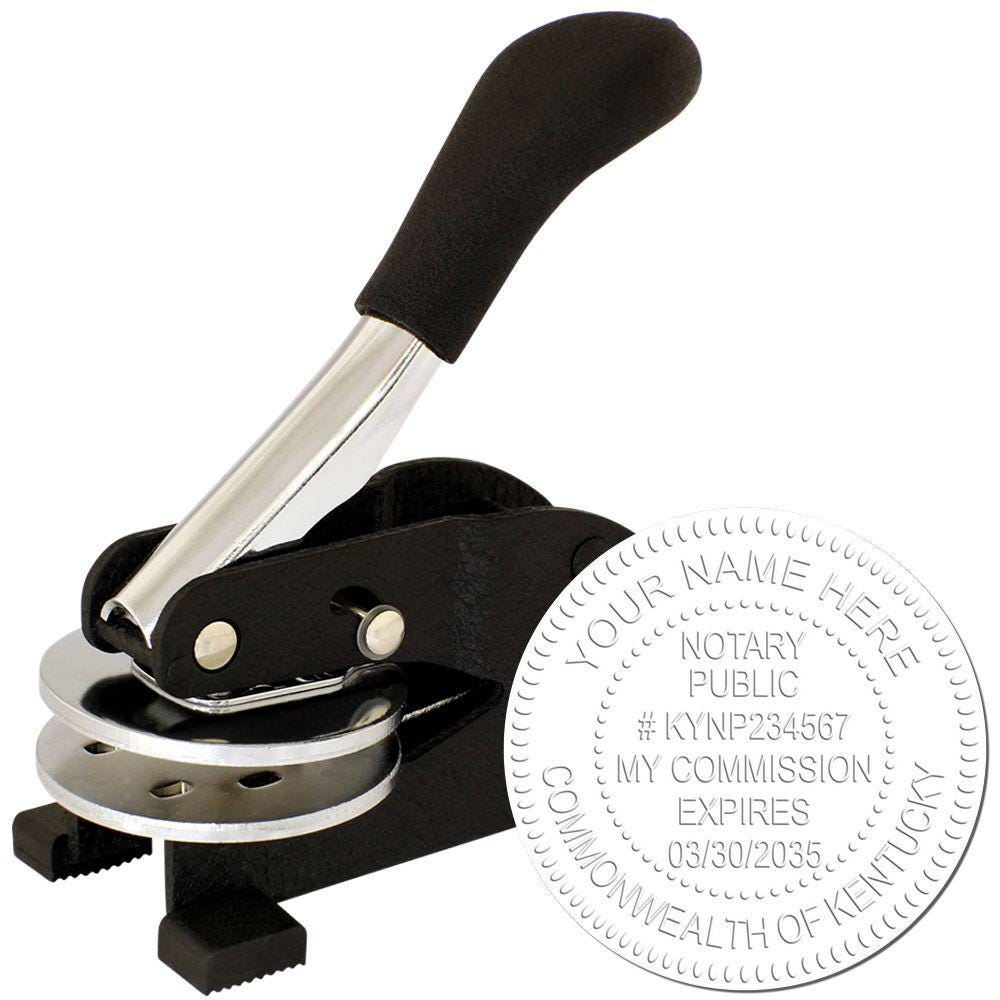
Essential Kentucky Notary Stamp Requirements You Should Know
Understand Kentucky Notary Stamp Requirements
If you are a newly commissioned notary public, you might feel overwhelmed by the variety of regulations and guidelines you need to follow. In Kentucky, there are specific requirements around your official notary stamp or seal, and meeting these Kentucky notary stamp requirements is crucial for ensuring that every document you notarize holds up under legal scrutiny.When you fulfill these standards, you build confidence in your professional responsibilities and help protect the people whose documents you witness.In this article, you will learn about the key elements of Kentucky’s notary stamp regulations, along with practical tips on how to choose the right stamp or seal. You will also discover how to maintain your commission, execute notarial acts properly, and find a trusted supplier for all your stamp and seal needs.By the end, you will feel more comfortable navigating notarial work in Kentucky and will be well-prepared to handle your official duties.
Why Compliancy Matters
Staying compliant with Kentucky notary stamp requirements is not just about following rules. It is about:
- Safeguarding the legal standing of notarized documents.
- Protecting your reputation as a notary by ensuring your work meets state standards.
- Giving peace of mind to clients and signers who rely on you to finalize their important paperwork.
Although the state requirements might appear straightforward, overlooking or misunderstanding them could potentially invalidate a notarized document.By learning the details early on, you ensure that your role as an impartial witness remains effective and that your efforts stand up to legal challenges.
Mandatory Elements
Kentucky law generally requires your notary stamp or seal to include specific elements so that the document is instantly verifiable. These often include:
- Your official name as listed on your commission certificate.
- Your title, typically displayed as “Notary Public, State at Large” when you are authorized to act statewide.
- The words “Commonwealth of Kentucky.”
The exact wording can vary based on your commission type but do confirm the correct format with the office that issued your commission. Kentucky also permits the use of both rubber stamps and embossers, so long as the fundamental elements are present. In most cases, you can choose the style that works best for you.However, the stamp (or seal) impression must be clear enough for photocopying or scanning. This clarity ensures that future legal or administrative processes can properly verify the notarization.
Exceptions And Special Cases
Although Kentucky notary stamp requirements are mostly consistent, there may be occasional updates or exceptions. For example, if you specialize in certain notarial acts or work within specific business contexts, you might need a seal that includes other details, such as a reference to your county.Whenever you renew your notary commission or move to a new address, check with the Kentucky Secretary of State or your local county clerk to confirm there are no additional requirements you need to meet.
Secure Your Notary Commission
Meeting the necessary stamp requirements starts with holding a valid notary commission. Before you ever apply ink to paper or press an embosser onto a document, ensure your commission is in good standing with Kentucky’s regulations. Completing the application process and keeping your status up to date allows you to serve clients without delay or complication.
Application Steps
If you are just starting out, here is an overview of the steps you should expect when applying for your notary commission in Kentucky:
- Complete the application form found on the Kentucky Secretary of State’s website or through your local county clerk.
- Gather any required personal information and identification.
- Submit the application along with the necessary fee.
- Receive confirmation of your approved notary commission.
- Plan how you will obtain your Kentucky-compliant stamp or seal
.Throughout the application process, remember that accuracy is key. Ensure your name and other identifying details match exactly what you intend to appear on your notary stamp. Your stamp must align 100 percent with your commission documentation.
Maintaining Good Standing
Once you have your commission, do not set it and forget it. Keeping your commission in good standing means renewing it on time, alerting the relevant office to any changes in your name or address, and staying aware of any legislation updates. If your commission is near expiry, expect to reapply or renew so there are no gaps in your active status.Likewise, if you move to a different county or change your legal name, updating your commission can be crucial to avoid any conflicts.Remember, your notary stamp must reflect your legal identity as it is officially recognized. Overlooking these seemingly small tasks might create problems if someone questions the authenticity of a document you notarize.
Pick The Right Stamp Or Seal
One of the most important decisions you will make as a Kentucky notary is selecting the type of stamp or seal that best suits you. Since both rubber stamps and embossers are acceptable in Kentucky, it often comes to personal preference. However, it is wise to consider what your typical notarial acts are and where you perform them.
Rubber Stamps Vs. Embossers
Rubber stamps are popular for their convenience, speed, and clarity. They typically include ink that is easy for others to read and photocopy, making them particularly useful for high-volume notary tasks. If you plan on notarizing dozens of documents each week, a self-inking or pre-inked rubber stamp might save you time and reduce the need for frequent re-inking.An embosser, on the other hand, creates a raised impression on the paper itself. This three-dimensional effect looks especially official and can deter fraud by making it more difficult to replicate.However, some embossed seals do not copy or scan as neatly as a rubber stamp. To ensure legal compliance, you might want to pair an embosser with an inked impression of the same design if you anticipate a high volume of photocopies or electronic scans.
Design And Layout Guidelines
Designing your Kentucky notary stamp is simpler than you might think. By law, the stamp must show a clear circle or rectangle containing your official name, commission title, and the words “Commonwealth of Kentucky.”You can incorporate a simple border or decorative flair that highlights your professional image but take care that the essential details remain legible.When examining design options, consider the following:
- Readability:
Go for a font and size that produces a crisp impression.
- Durability:
Pick a stamp that can withstand frequent use or travel.
- Ink Color:
While black is most common, some notaries prefer blue ink to distinguish original documents.If you have any second thoughts about your design options, consult Kentucky’s notary guidelines or speak to a knowledgeable supplier. Taking an extra moment to confirm compliance upfront could save you the hassle and expense of reordering an incorrect stamp.
Follow Proper Document Execution
A clear, accurate seal alone does not complete your duty as a notary. You also have to carry out each notarial act using the correct procedures. Whether you are validating a signature on a property deed or an affidavit, your role is to confirm someone’s identity and willingness to sign, then apply your official seal.
Review The Signer’s Identity
Verifying identity is one of your main responsibilities. Typically, you can rely on a government-issued photo ID, including:
- Driver’s license
- Passport
- Military ID
Once you review the person’s name, photograph, and signature, confirm that all matches the details on the document you are notarizing. In certain cases, you might also need to verify the person’s oath or affirmation that they are willingly signing the document.
Affidavits And Acknowledgments
Kentucky notaries often handle affidavits and acknowledgments. For an affidavit, the signer swears or affirms the truth of the statement in the document. An acknowledgment, by contrast, merely confirms that they signed voluntarily. Knowing the difference helps you administer oaths properly and confirm signers understand the type of notarization required.Always note in your notarial journal (if you keep one) the date, type of document, and any relevant details. Having thorough records helps protect you in case there is ever a dispute about the validity of a notarization you performed.
Trust A Reliable Supplier
Once you have obtained your commission and understand Kentucky notary stamp requirements, the next step is to get your actual stamp or seal. Working with a reliable supplier is critical for ensuring your notary equipment is both durable and fully compliant with state standards. That is where Acorn Stamps can make a meaningful difference.
Why Choose Acorn Stamps
Acorn Stamps is a family-owned and operated business that has proudly served notaries and other professionals since 1964, making it over 60 years of continued service. Throughout decades of operation, Acorn Stamps has earned a reputation for stellar customer service and super-fast turnaround times.As a top supplier for Kentucky notary stamps and Kentucky notary seals, Acorn Stamps is deeply familiar with the state’s requirements and can guide you toward the perfect stamp design.When you choose Acorn Stamps, you receive:
- Guidance to help you verify you have the necessary seal elements.
- Durable products that withstand regular notarial duties.
- Friendly support to answer all your questions, from commission guidelines to stamp care.
How To Order and Turnaround
Ordering your Kentucky notary seal or stamp from Acorn Stamps is simple and convenient. You can typically place your order online or over the phone, providing your exact commission details. Their team will verify your information, confirm your formatting, and ensure that your final product meets state requirements.Thanks to Acorn Stamps’ swift production process, you can expect a short turnaround time. This efficiency means you will not have to put your notarial responsibilities on hold for long. Having the ability to quickly secure a new stamp or replace an old one can be a huge time-saver if you perform a high volume of notarial acts each week.
Stay Prepared for Renewals and Updates
Even after you obtain your stamp, your work is not done. Kentucky requires you to maintain your commission’s status so that your notarization remains legitimate. Keep an eye on renewal deadlines, and reach out to your local county clerk or the Kentucky Secretary of State’s office whenever you have questions about changes to your personal details or commission status. The more proactive you are, the easier it becomes to keep your notary stamp and record in perfect alignment with state regulations.
- Mark your calendar at least a month before your commission expires, so you have time to renew.
- Update your commission whenever there is a significant change to your name or business address.
- Review changes to Kentucky notary laws to make sure your stamp still meets all updated requirements.
- Use a notarial journal to document every act you perform. This can protect you if someone questions your work.
A little organization goes a long way in maintaining a hassle-free notary practice.
Frequently Asked Questions
Below are five common questions to help solidify your understanding of Kentucky notary stamp requirements and ease any lingering concerns.
- Do I Need to Use a Particular Size or Shape for My Kentucky Notary Stamp?
Kentucky law does not strictly mandate a specific shape or size. You can choose a round or rectangular design, as long as it is legible and includes all required details, such as your name, your commission title, and the words “Commonwealth of Kentucky.”
- Is A Notary Journal Required in Kentucky?
A notary journal is not explicitly required by Kentucky law in all circumstances. However, many notaries choose to keep one as the best practice. A written record of your notarial acts can safeguard you if a signer challenges the validity of a document later on.
- Can I Use Both a Rubber Stamp and an Embosser?
Yes. Some notaries prefer to use a rubber stamp for everyday transactions because it produces a clearer impression during photocopying. They might also keep an embosser for added security or for special documents. Just ensure both carry the same essential notary details.
- What Should I Do If My Stamp Becomes Damaged?
If your stamp is lost or damaged, stop using it right away. Order a new one that meets all the Kentucky notary stamp requirements. Continuing to notarize with a distorted or unreadable stamp can cause legal complications for you and for your clients.
- How Early Can I Renew My Notary Commission?
It is wise to start the renewal process several weeks to a month before your current commission expires. This ensures you will not have a lapse in your ability to perform notarial acts. Check with the Kentucky Secretary of State’s office for the most up-to-date renewal guidelines and required timelines.
By following these guidelines and tips, you can quickly bring your notary services in line with Kentucky’s regulations, ensuring that the documents you notarize stand up to scrutiny.
Whether you are just starting out or have been a notary for years, staying informed about stamp requirements, commission renewals, and best practices will help you succeed as a trusted Kentucky notary public. And with a dependable partner like Acorn Stamps by your side, you can enjoy stress-free ordering and top-notch customer service for all your notary supply needs.