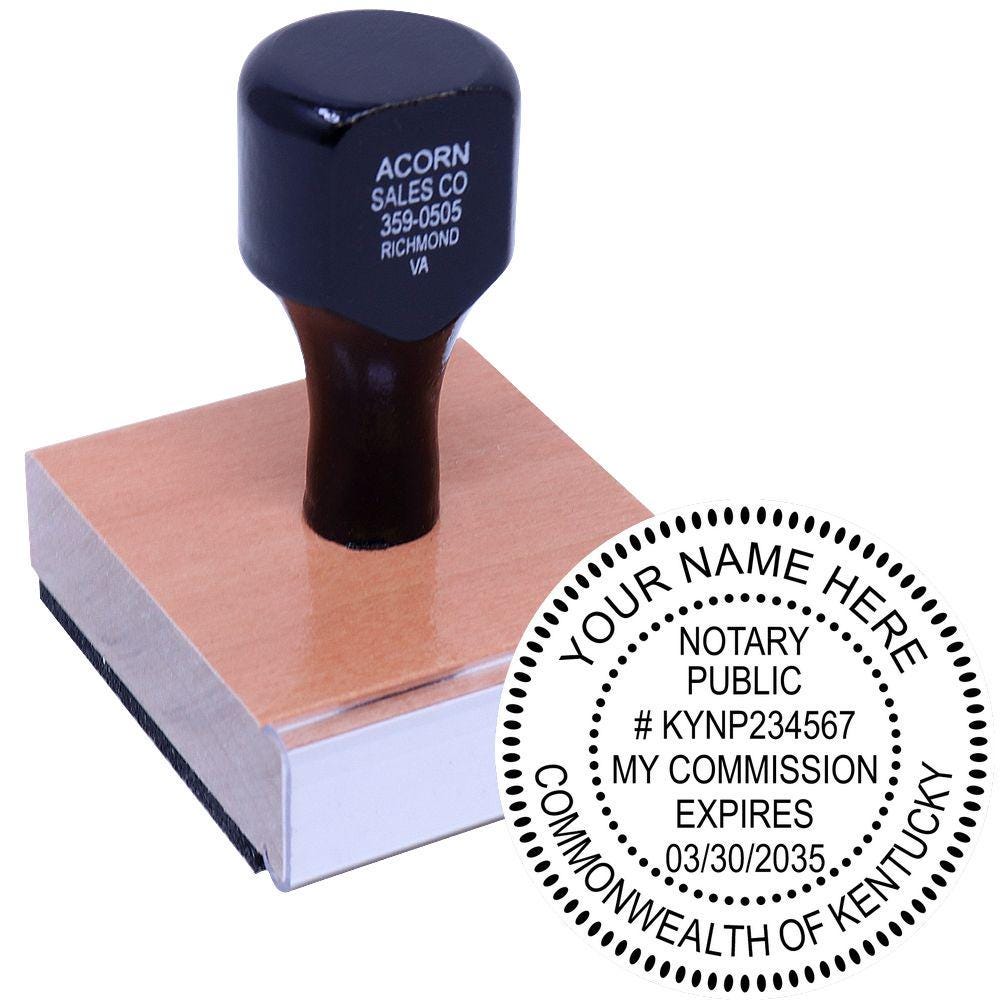
Kentucky Notary Seal: What You Should Know Before Buying
Selecting the right kentucky notary seal is one of the first and most important steps you can take as a notary in Kentucky. It not only validates your role as an impartial witness for document signings but also helps ensure each notarized paper you stamp is legally recognized.
In this guide, you will explore how a notary seal works, review the main requirements in Kentucky, and learn what to consider before you buy your seal. From style options to proper maintenance, this article will walk you through everything you need to know so you can notarize with confidence.
Understand The Purpose Of A Kentucky Notary Seal
A kentucky notary seal is more than just a stamp or embosser. It is a physical mark that affirms the authenticity of a notarial act. Any time you place your seal on a document, you perform a vital step that confirms your identity, your authority to act as a notary public, and the legitimacy of the signatures involved.
Why The Seal Matters
- It prevents fraud by verifying that a certified individual supervised and confirmed each signature.
- It gives official weight to legal and commercial documents, from affidavits to real estate transactions.
- It provides quick verification of your notary status. When someone sees the official design, they know the document has been handled according to state guidelines.
By using a seal that meets Kentucky’s specifications, you reinforce trust in the notarial process. This seal acts as a stamp of your professional commitment and ensures you meet the standards set by state laws.
Meet Kentucky Notary Seal Requirements
In Kentucky, the seal you use must include specific information. You are required to have your name and the words “Notary Public – State at Large” or any variant that Kentucky law deems acceptable for your notary classification.Some notaries prefer using an embosser that imprints a raised mark, while others prefer an inked stamp. Either method is acceptable, as long as it clearly prints all the legally required text.
Common Elements on a Kentucky Notary Seal
- Your name exactly as it appears on your notary commission.
- The official title: “Notary Public – State at Large” or “Notary Public – Special Commission.”
- The words “Commonwealth of Kentucky,” if required by law.
- Any additional mandatory text specified in Kentucky’s notary regulations.
Checking With State Guidelines
Before ordering a new seal or replacing your current one, double-check the guidelines published by the Kentucky Secretary of State’s office. These requirements sometimes change, and staying informed is part of your professional obligation.If you are unsure about the current standards, consult the official notary handbook or contact the notary division in Kentucky for confirmation.
Compare Different Seal Types
With so many options available, choosing the right style is crucial. Each type of kentucky notary seal has unique benefits, and your choice often comes down to personal preference, budget, and practical considerations like storage or frequency of use.
Pre-Inked Seals
A pre-inked seal contains built-in ink that soaks deeply into the stamping surface. You press the stamp onto the document, and it leaves a crisp, highly detailed impression. Pre-inked models often produce cleaner images and last for thousands of impressions before needing a refill.Advantages:
- Very clean, detailed impressions.
- Economical in the long run.
- Less messy compared to traditional ink pads.
Considerations:
- More expensive upfront.
- If the ink runs low unexpectedly, refilling can be time-sensitive.
Self-Inking Seals
A self-inking notary seal is spring-loaded, holding the ink inside an internal pad. Each time you press down, the stamp automatically re-inks itself. This type is known for its speedy use, especially if you notarize multiple documents daily.Advantages:
- Quick, repetitive stamping without re-inking each time.
- Generally cost-effective for high-volume stamping.
- Requires minimal maintenance.
Considerations:
- Ink pads eventually need replacing.
- Can produce slightly less crisp impressions compared to pre-inked models.
Traditional Hand Stamps
Hand stamps rely on a separate ink pad. You press the stamp onto the pad, then onto the document. Although older in style, these stamps remain popular among some notaries who prefer the tactile experience of manually handling the ink.Advantages:
- Lower initial cost.
- Easy to replace pads or switch ink colors.
- Simple mechanism, fewer internal parts that can break.
Considerations:
- More prone to smudging if the ink pad is over-inked.
- Not as convenient for high-volume tasks.
Consider Provider Qualities Carefully
Selecting a supplier for your kentucky notary seal is a key decision that affects your efficiency and professional image. You deserve a vendor who offers good value as well as excellent support. Pay special attention to the following criteria as you compare providers.
Look For Quality And Durability
Your seal should remain functional over time. Cheaper models may pique your interest with a low price, but if they wear out quickly, you will have to replace them more often. Focus on materials like sturdy plastic, metal construction, and inks designed to withstand repeated stamping. High-quality designs also ensure that each impression is legible.
Check Turnaround Time
If you are a new notary eager to start notarizing documents, or you simply need a replacement stamp in a pinch, turnaround time matters. Clear shipping timeframes and easy ordering can help you avoid service interruptions. Some companies provide expedited shipping if you are facing a tight deadline.
Prioritize Customer Service
Questions will arise, especially if you are balancing other tasks with your notary responsibilities. Look for a supplier who values your inquiries. Good customer service can help you choose the right seal size, resolve shipping issues, or understand the best way to store and maintain your seal.At the end of the day, you want a company that treats you like a partner rather than just another order number.
Why Acorn Stamps Excels
When you are ready to purchase your Kentucky notary seal, consider working with a trusted provider like Acorn Stamps. Here is why you might prefer them over other options:
Family Owned and Operated
Acorn Stamps has been family owned and operated since 1964, which means they have spent 60 years refining their craft. They understand the importance of generating a high-quality seal that meets legal requirements while offering personalized service.Because notary work is detail-oriented and time-sensitive, you will appreciate the care and knowledge that comes with their decades of experience.
Super-Fast Turnaround
Waiting on a delayed seal can slow down your notarial duties. Acorn Stamps prides itself on a quick and efficient production process, meaning you can expect your Kentucky notary seal to arrive on time, even on short notice. Their team recognizes your priorities and works to ensure you can continue offering your services without unnecessary delays.
Stellar Customer Service
Whether you are placing your first order or needing a replacement seal, Acorn Stamps offers friendly, responsive customer service. They can help you pick the right seal type, confirm you have included the correct text, and guide you through any technical questions.The goal is to make your purchasing experience as smooth as possible so you can focus on what you do best: providing quality notary services.
Care For Your Seal Long-Term
Once you have your official kentucky notary seal, you will want to keep it in good condition. A well-maintained seal yields precise, clean imprints for years. Follow these simple steps to protect your investment.
Proper Storage
- Keep your seal out of direct sunlight. Extreme heat or cold can damage the outer casing or dry out the ink prematurely.
- Store your seal in a protective case, drawer, or locked area when not in use. This not only prevents dirt and dust from affecting the stamp but also ensures unauthorized individuals cannot misuse it.
Ink Maintenance
- Check ink levels regularly. For self-inking or pre-inked seals, refill the official notary ink as soon as you notice faded impressions.
- If using a separate ink pad, choose a high-quality ink suitable for notary stamps. Inks designed for standard office stamps may not provide the crispness or color consistency required for official documents.
- Keep the ink pad closed or sealed when not in use to avoid evaporation.
Cleaning Tips
- For self-inking or pre-inked models, lightly wipe the stamping surface with a lint-free cloth if debris accumulates.
- For an embosser, occasionally inspect the raised plate to clear any buildup.
- Avoid using harsh chemicals. A soft, damp cloth or specialized stamp cleaner usually suffices.
Guarantee Compliance with Kentucky Rules
Apart from your statutory obligations—like verifying a signer’s identity, ensuring the document is complete, and keeping a notary journal in some cases—using an official seal helps you follow state regulations.
If you ever have a question about compliance, consult the Kentucky Secretary of State’s office or read updated notary handbooks. Staying aligned with state rules prevents errors that can invalidate a notarized document or lead to disciplinary actions.
Review Common FAQs
Below are five frequently asked questions related to obtaining and using a Kentucky notary seal. If you have further concerns, always refer to updated Kentucky notary laws or consult with an expert.
- Can I Use an Embosser Instead of an Inked Stamp?
Yes. Kentucky permits either an inked or embossed seal, as long as it clearly displays all the required information. Some notaries prefer an embosser for its distinctive raised impression, whereas others favor the simplicity of an ink stamp.
- Do I Need to Include My County on My Seal?
Kentucky law typically requires you to list your name and “Notary Public – State at Large” or similar designation on the seal itself. While some states mandate additional details like the county, Kentucky’s guidelines focus on your official title. Always confirm requirements in the most recent notary guidelines.
- How Long Does My Seal Remain Valid?
The seal is valid as long as you maintain an active notary commission. If your commission expires and you renew it, you may continue using your current seal unless the state’s regulations have changed or if your name or title has been modified. If your seal gets worn down or your commission details change, you should replace it.
- How Soon Should I Order A Replacement?
You do not want to wait until your seal produces unclear impressions or breaks entirely. As soon as you notice faint, inconsistent stamping or loose parts, start looking for a replacement to prevent disruptions. Having a reliable seal at all times is crucial for notarizing properly and protecting your professional reputation.
- Why Choose Acorn Stamps For Kentucky Notary Supplies?
Acorn Stamps stands out for its fast turnaround, expert customer service, and many years of experience serving notaries. They understand Kentucky’s specific requirements and can guide you to a seal that matches your commission details. With Acorn Stamps, you can expect a high-quality product built to last, plus the peace of mind of working with a trusted supplier committed to your success.
By taking the time to select a kentucky notary seal that meets all legal guidelines, you protect both your clients and yourself. A properly designed and maintained notary seal reassures signers and helps you fulfill your duties with professionalism.
When you are ready to make your purchase, consider a reputable provider like Acorn Stamps, a family-owned business with 60 years of service to notaries across Kentucky. With the right seal in hand, you will be well on your way to offering reliable and efficient notarizations.