Understand Louisiana Notary Stamp Requirements
You may already know that Louisiana has unique rules when it comes to public documentation, but did you realize just how important it is to follow the exact Louisiana notary stamp requirements? The way you authenticate legal documents in this state can significantly affect the validity of everything you notarize. Your stamp is a specialized tool that confirms your authority, reflects your commission details, and ensures every page you sign holds water in legal or official settings.
Having a clear, up-to-date notary stamp sets you up for success. Whether you are just starting your commission or looking to update your supplies, meeting the state’s standards helps you avoid potential legal troubles. Keep in mind that laws can change over time, so you should always confirm the latest regulations to stay ahead of any updates.
Why Your Stamp Should Be Compliant
You might wonder why a notary stamp is strictly regulated. From the state’s perspective, these guidelines keep a consistent standard for all notaries. That way, attorneys, state agencies, and the public can immediately recognize and trust the markings on documents. If your stamp falls short of the Louisiana notary stamp requirements, notarized documents could be questioned in court, causing delays or even invalidation.
Additionally, ensuring your stamp is easy to read protects you and your clients. When your notary information is front and center, there is less room for disputes. Everything from the date of the notarization to your commission number remains crystal clear. This clarity bolsters the document’s authenticity and helps you move through your notarizing tasks with confidence.
Basic Elements for Louisiana Notary Stamps
Before you buy or update your notary stamp, you need to familiarize yourself with the basic elements that Louisiana law typically requires. Although details might change slightly over time, here are the core features you should keep in mind:
- Your name as it appears on your commission.
- Your notary identification or commission number (when applicable).
- The words “Notary Public,” “State of Louisiana,” or a similar phrase indicating your authority.
- A clear, legible design, usually rectangular or circular, that does not obscure your name or the official text.
Because the notary stamp is an official seal, it should never portray extra symbols or images unrelated to your commission status. The state wants clarity, so you should pick a stamp design that showcases these elements in a professional, easy-to-read layout.
Choose the Correct Stamp Format
When selecting a stamp, you should make sure it fits the size and shape recommendations. This involves considering not just state guidelines, but also what will work best in your day-to-day notarial acts. Some notaries opt for smaller stamps for convenience, while others prefer a slightly larger stamp if they often handle important documents with limited margins or tight spacing.
Rectangular stamps are a popular choice among many Louisiana notaries. They allow enough space for all required text and typically avoid any risk of smearing. You might also consider a circular stamp if it meets your specific needs and the Louisiana notary stamp requirements. Whichever shape you pick, the main goal is readability. You want the stamp to leave a crisp impression on every page.
The Role of Ink Color
In Louisiana, the law does not always mandate a specific ink color for notary stamps, but you still need to ensure your impression stands out. Traditional black and blue tend to be the top choices. They produce a sharp mark that is easy to see, even after photocopying or scanning. Some offices or agencies may request darker ink for official filings, so choosing a standard color can help you avoid rejections or delays.
You should also keep an extra ink pad or additional ink cartridges on hand. Over time, stamps begin to fade, and faint impressions may create confusion or illegibility. By sticking to a reliable brand of ink and checking the clarity of your stamp regularly, you’ll make certain your notary mark remains vibrant and compliant year after year.
Differentiate Your Notary Stamp and Seal
In many states, “stamp” and “seal” are used interchangeably, but Louisiana rules might specify that these can serve slightly different purposes. Remember, your primary stamp is typically the ink-based device used to add a clear impression that includes your name, commission number, and any other required text.
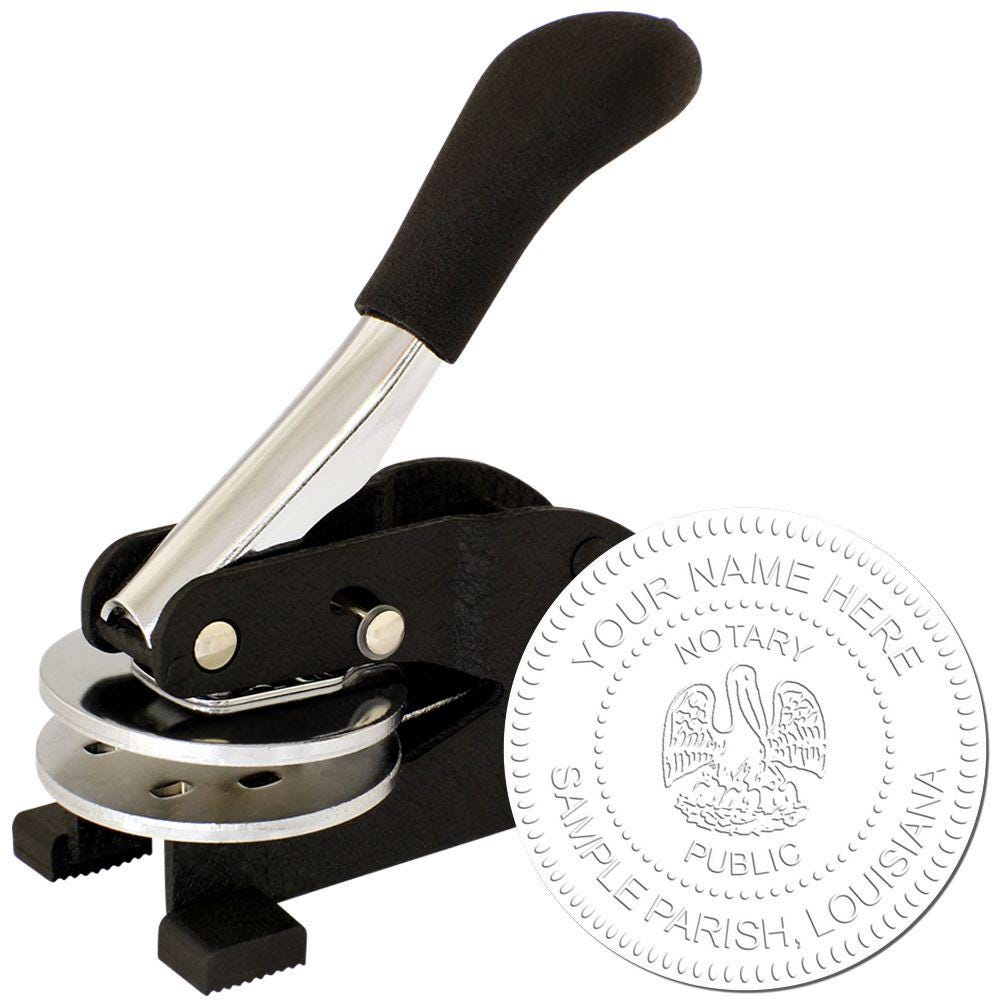
Meanwhile, you might also encounter an embossing seal—especially if you handle more formal or ceremonial documents. This raised impression is often used in certain professional settings, but it is crucial to verify whether Louisiana law recognizes this method as valid on its own or if you still need an inked stamp. While not everyone uses an embossing seal, it can add a decorative, official feel to select documents.
Updating Your Commission Information
As your career progresses, changes to your commission details might arise. Perhaps your address changes, or you need to renew your license. Whenever this happens, you should review your current stamp to ensure it matches the updates the state requires. Failing to update your stamp could mean people question the authenticity of your notarized documents. Keeping on top of these details not only protects you, but it also shows your clients you are reliable. Show them you are dedicated to providing accurate paperwork that meets every standard. If you find any conflict between your official documents and your stamp, correct it immediately. Taking swift action helps you stay in line with Louisiana notary stamp requirements.
Maintain Compliance With State Guidelines
Louisiana sets forth specific regulations regarding how you conduct notarial acts, how you handle client information, and which documents need notarization. These rules include who can request your notary services and how you keep records of your actions. To stay compliant, you should occasionally review the laws and frequently asked questions posted by the Secretary of State or relevant agencies.
Remember, the notary profession is built upon trust. People come to you for an objective stamp of approval. By blending a strong moral compass with consistent adherence to legal guidelines, you build a compelling reputation as a notary public. Make sure you keep your stamp in good condition, follow proper procedures, and maintain up-to-date references for any rule changes.
Potential Pitfalls to Avoid
- Using an expired or outdated stamp: Once your commission expires, you have no authority to notarize documents under your old credentials.
- Not verifying identification properly: State laws usually require you to check an acceptable form of ID.
- Overstepping your authority: As a notary, you are allowed to do specific acts, but you are not an attorney.
- Failure to keep records: While Louisiana does not mandate a notary journal in all cases, failing to record your notarizations might cause confusion or legal issues later.
Meet Key Design Requirements
Once you know what belongs on your stamp, it is also important to keep the design simple and aligned with professional standards. An overly busy stamp can overcrowd vital details. By adhering to the requested elements—like your name and commission number—you highlight what matters most. The stamp should:
- Contain no extraneous logos or pictures that confuse your role as a notary.
- Deliver a clean impression that stands up to repeated use.
- Include text that remains legible in various lighting conditions.
If your stamp is worn out, you risk leaving incomplete impressions or smudges, which could cast doubt on your credentials. Thoroughly review your stamp’s print each time, and replace the pad or the device itself if you notice any deterioration. Staying proactive keeps your stamp consistent with Louisiana notary stamp requirements at all times.
Considering Electronic Notarizations
Louisiana laws also address electronic notarizations. Depending on your line of work, you might want to investigate whether this approach fits your needs. eNotarization often involves specialized software and digital certificates. Although it is not the same as using a physical seal, the goal is still to certify documents legally and transparently. To comply with eNotarization rules, you should verify that the platform you choose meets all state security protocols. Some workplaces may prefer the traditional paper process, but giving clients the option of an electronic notary can enhance your versatility. Always confirm you have the necessary training or optional endorsements before you digitize your services.
Buy From a Trusted Supplier
When it is time to purchase or replace your ink stamp or seal, choosing a reliable, experienced provider is essential. A quick online search might turn up pages of suppliers, but not all of them meet the specific needs you have as a Louisiana notary. The best vendors understand the intricacies of Louisiana notary stamp requirements and cater directly to your profession.
Consider Acorn Stamps
Acorn Stamps is a top supplier of Louisiana notary stamps and seals, with a track record of stellar customer service and super fast turnaround. Family owned and operated since 1964—covering 60 years of service—they know firsthand the importance of accuracy and compliance in your notary tools. When you order from a supplier that has worked with notaries for decades, you can feel confident you are getting products that make your everyday processes smoother.Acorn Stamps offers you:
- Customized stamps to match your exact commission details.
- Durable construction that lasts through countless notarizations.
- Crisp, legible impressions suitable for official documents.
- Knowledgeable staff who can guide you if you have questions about stamp requirements.
Enjoy Fast Turnaround and Expert Guidance
No one likes waiting forever for crucial professionalism tools, especially when you have clients ready to sign important contracts and affidavits. With Acorn Stamps, you can look forward to a quick and efficient production process to keep your operation rolling. If you have questions about the ideal shape or size for your stamp, their customer service team is ready to help you navigate the various options.
Additionally, you will get detailed instructions for stamp usage and care. By sticking to proper techniques and consistent maintenance, you extend your stamp’s life and ensure every impression remains crisp and valid. This level of support can be a game-changer, especially if you are new to the notary field or simply juggling a busy schedule.
Frequently Asked Questions
Below are five common questions Louisiana notaries often ask. These answers aim to help you handle typical concerns about meeting Louisiana notary stamp requirements.
How often should I replace my notary stamp?
You should replace your notary stamp whenever the impression starts to fade or becomes difficult to read. If the text is barely visible, or your commission information has changed, it is time to invest in a new stamp. Most notaries find that a high-quality stamp can last years if maintained well, but always monitor your impressions to decide when you need a replacement.
Is it mandatory to keep a notary journal in Louisiana?
Louisiana does not universally require a notary journal in all circumstances, unlike some other states. However, maintaining one is a good practice. A journal acts as proof of your actions, helps you track notarized documents, and could protect you in legal disputes. When in doubt, keep a record. It underscores your professionalism and accountability.
Can I design my own stamp or add personal flair?
While you may want to personalize your stamp, it is advisable to avoid extra images or slogans that might blur your professional identity. Louisiana law typically requires a straightforward format with clear text showing your name, commission title, and other essential details. Overly decorative stamps risk looking unprofessional and may not comply with the guidelines.
What if I move or change my name?
Any time you have a significant change—like moving or changing your legal name—you must notify the proper authorities and update your notary credentials. Once the state recognizes the change, you should order a new stamp reflecting the correct name or address. Using an outdated stamp can jeopardize the validity of documents you notarize.
Do I need an embossing seal, or is a rubber stamp alone sufficient?
In many Louisiana notary situations, a rubber ink stamp is sufficient. An embossing seal might be a nice addition for formal events or specialty documents, but do not assume it replaces the stamp. Always verify whether an embossed seal is accepted on its own or if state regulations still require an inked stamp for official recognition.
Make Your Notary Practice Strong
Fulfilling Louisiana notary stamp requirements is not just about following rules. It is about sending a trustworthy signal to your clients and the state. Your stamp proves that you take your responsibilities seriously, guaranteeing every document aligns with legal standards. By selecting the correct stamp size, format, and ink color, you ensure clarity and prevent complications down the road.
When you are ready to refresh your notary supplies—or if you are starting from scratch—remember that Acorn Stamps has you covered. With a legacy spanning 60 years and a firm commitment to customer satisfaction, you can trust them to guide you toward the exact product you need. Keep your commission in good standing by making sure your stamp is always up to date, and you will be well on your way to a smooth, efficient notary experience. Your attention to detail not only pays off in the short term, but also positions you as a reliable resource for anyone seeking notarization services in Louisiana.