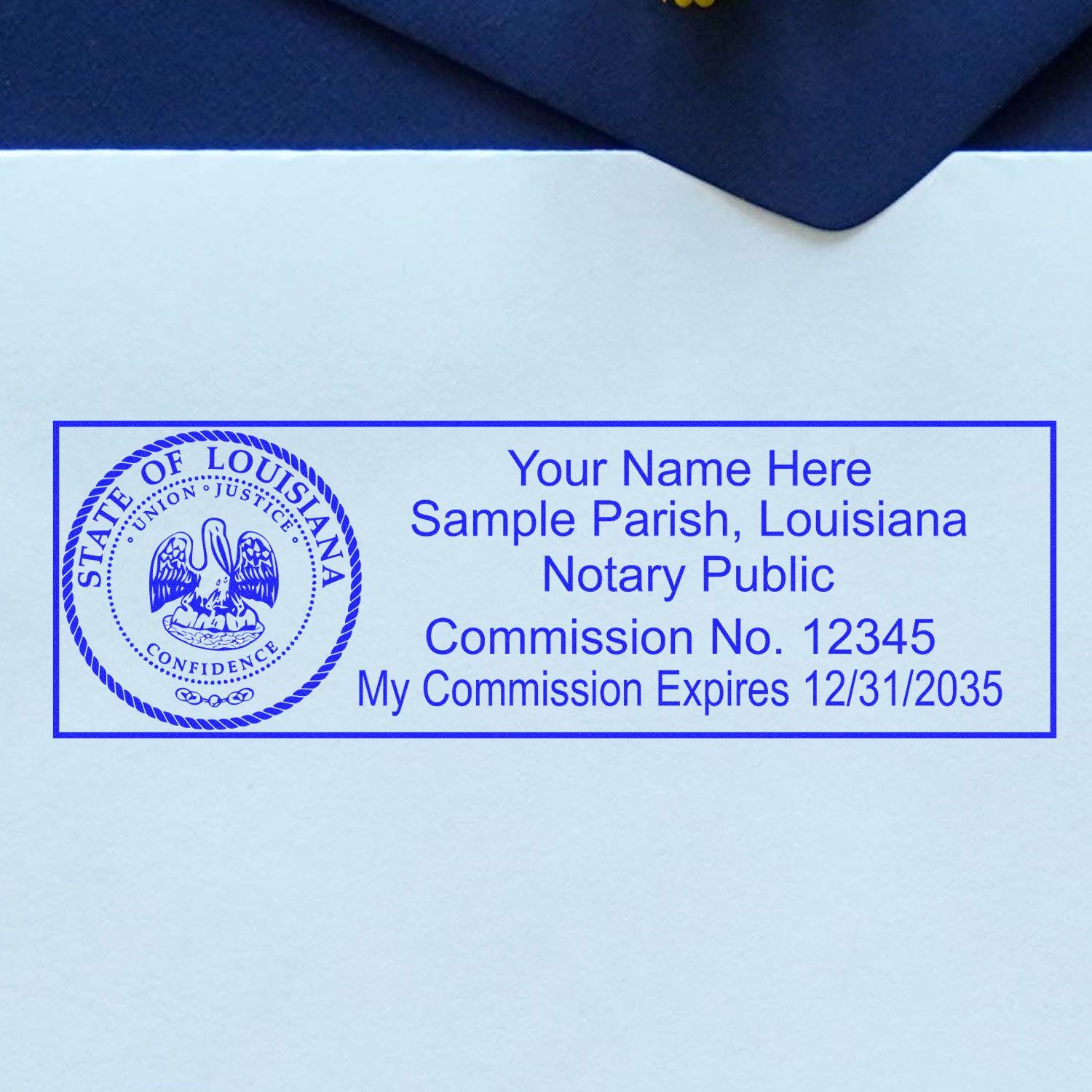
When you become a notary in Louisiana, you're not just stamping paper. Your Louisiana notary stamp and seal serve as essential proof of your authority to witness signatures and administer oaths. Each impression you place on a document conveys authenticity and reassurance for those who rely on that record. Beyond inking your name, you also need to follow state guidelines and keep your notary tools in good condition.
This guide shows you why your notary stamp and seal matter, how to choose the right ones, and what you must do to remain compliant. Whether you're a new notary or simply looking to upgrade your tools, you’ll find practical ideas here for storing, maintaining, and using your stamp and seal confidently. Let’s dive in to discover the essentials of Louisiana notary supplies.
Value Of Louisiana Notary Stamp And Seal
Your Louisiana notary stamp and seal are more than mere office tools. They confirm you’re authorized by the state to certify documents, and every impression signifies credibility. By stamping a contract, affidavit, or other record, you assure others that the paperwork is legitimate and meets state standards. In an environment where authenticity matters, your notary seal builds trust.
Having both a stamp and an embosser offers extra verification. The visual stamp outlines your details, while the embossed impression—difficult to replicate—adds another layer of security. This dual system makes tampering more challenging. Also, meeting Louisiana criteria often means including your name, parish, and commission details on these tools, ensuring each act is documented properly.
Used correctly, your stamp and seal reinforce the integrity of the document you notarize. Clients, business partners, and courts can easily see that a notary public has reviewed the document, which is crucial for official transactions.
Types Of Notary Stamps
In Louisiana, you can choose from different notary stamp styles, each with its own pros and cons. Self-inking stamps have an internal pad that re-inks after each use, making them convenient for moderate to high volumes of documents. Pre-inked stamps hold ink in the stamp surface and produce sharp, clean impressions—ideal for crucial legal paperwork. Traditional rubber stamps call for a separate ink pad, which some find messy, yet they remain a budget-friendly option.
When picking a stamp, think about your daily workflow, your budget for refills, and whether you often travel to meet clients. A self-inking or pre-inked stamp can save time if you handle many documents, while a traditional stamp might remain your go-to if you rarely notarize. Decide on the format that best fits your routine so you consistently create crisp impressions with minimal effort.
Selecting The Right Seal
Alongside your stamp, a seal or embosser is crucial for authenticity. By creating a raised imprint, an embosser delivers an extra layer of security that’s tough to forge. If your client or a court reviews the original document, they’ll not only see the mark but also feel it, adding reassurance that the document is genuine.
You’ll find two primary embosser styles: handheld and desktop. Handheld models are small and easy to carry, perfect for traveling notaries who work at multiple sites. A desktop version, on the other hand, remains stable on your desk and helps reduce hand strain if you frequently emboss high volumes of paperwork.
Before buying, confirm the embosser can include all Louisiana-required details, like your name and parish. Make certain it’s built with strong materials, so it consistently creates crisp impressions. With the right seal, you add a trustworthy finish to anything you notarize.
Complying With State Requirements
Louisiana enforces clear regulations for how you use and maintain your notary stamp and seal. Staying compliant keeps your transactions valid and protects you from legal repercussions. You should ensure each notarial act includes your name and status as a notary, plus the parish where you’re commissioned. Some parishes also demand that you register your notary tools for added security.
Apply your stamp or seal where it’s clearly visible. A neat impression leaves fewer doubts about authenticity. Additionally, maintain an up-to-date log of each notarization, noting the date, type of document, and signers involved. This record can demonstrate your adherence to proper procedures if any question of validity arises.
If you have any doubts, consult official resources or talk to experienced colleagues. Failing to follow state laws could lead to penalties, including loss of your notary commission. Observing the rules builds confidence in your professional abilities.
Tips For Buying Supplies
When buying your Louisiana notary stamp and seal, look for consistent quality and helpful customer care. A good stamp should produce crisp impressions that stand up to repeated use. If you handle several notarizations per day, you’ll need durable products and prompt shipping options.
Some tips include reading customer reviews and checking a supplier’s return policy. If a product underperforms or arrives damaged, you should have an easy way to get a replacement. Warranties can also be a plus, offering reassurance that the vendor stands behind their merchandise.
To simplify your purchase, you might turn to Acorn Stamps, a family-owned business that has serviced notaries since 1964. With nearly 60 years of expertise, they craft sturdy Louisiana notary stamps and seals fast and accurately. They’re known for friendly customer support too, so you can quickly resolve any questions about order customization or shipping times.
Maintenance And Storage Tips
Treat your notary tools well and they’ll stay in fine working order for years. For stamps, use a soft cloth to wipe away ink residue. Check your impressions periodically—if they fade or become uneven, it’s likely time to refill or replace the pad. Proper ink levels prevent smudges that can diminish your professional image.
For embossers, inspect the metal plates now and then. Remove any stray paper bits that might affect clarity. A bent plate will produce faint or incomplete marks, so acting quickly to fix issues safeguards the quality of your notarizations.
Security is equally important. Keep your stamp and seal in a locked desk or cabinet to prevent unauthorized usage. You are personally accountable for each mark made with your tools. Taking these small steps will protect your reputation, your commission, and the documents you handle. Lastly, always store your tools in a cool, dry place, away from direct sunlight.
Conclusion And Key Takeaways
Making your mark as a Louisiana notary requires more than just passing an exam. You need professionally crafted tools that authenticate and protect the rights of everyone who relies on your notarized documents. The Louisiana notary stamp and seal, when properly selected and maintained, become the cornerstone of your notarial work. By ensuring each impression is clear and each embossing stands out, you reflect diligence and uphold the law.
In many ways, your stamp and seal speak for you. They declare that you’ve performed your duties accurately, verified identities, and remained impartial during the signing process. The trust you generate is invaluable for clients and vital for legal transactions. It’s also why the state lays out specific requirements for these tools, so that no question arises about a document’s legitimacy.
Whether you’re starting your notarial journey or already have years of experience, always keep learning. Read up on emerging practices—including electronic notarization—and adapt your tools to meet new demands. When a parish changes its rules or you move to a different area, confirm you’re still in compliance. Above all, take pride in offering professional, reliable service. By following best practices, you’ll solidify your reputation as a trusted Louisiana notary who consistently delivers accurate, secure, and efficient notarizations.
While the foundation of your notarial service lies in your ethics and meticulousness, the tools you use—specifically the Louisiana notary stamp and seal—are what formalize every act you perform. Investing in quality supplies helps you perform your duties with confidence. At the same time, maintaining them properly not only extends their life but also preserves the trust your clients place in your services. By aligning with state regulations, buying from reputable suppliers, and following best practices, you’ll reinforce your position as a dependable notary public for all types of legal or business documents.
Frequently Asked Questions
Why Do I Need A Stamp And A Seal In Louisiana?
In Louisiana, both a stamp and a seal offer heightened protection against fraud. The stamp provides formal details, such as your name and commission information, while the seal embosses the paper, creating a raised impression. This two-tiered approach boosts document security and ensures your notarial acts meet state-defined authenticity standards.
Can I Adjust My Stamp If I Move To Another Parish?
Yes. Louisiana notary stamps typically list your name, commission number (if applicable), and the parish or parishes where you’re authorized to act. If you relocate, you can order a new stamp that reflects the updated parish details. Make sure to double-check any local requirements or guidelines when making changes.
Does The State Require Specific Ink Colors For Notary Stamps?
Louisiana doesn’t mandate one particular color for your notarial stamp, but it’s wise to choose an ink that contrasts well with most paper types. Black or blue ink is usually preferred for clarity. Keep in mind that your seal’s raised imprint is key for added protection, so focus on its visibility too.
What Records Should I Keep Of My Notarial Acts?
Accurate recordkeeping is crucial. You’ll want to note the date, type of document, and the names of all signers involved. If you have multiple parishes listed on your stamp, include which parish you served for that act. These records can protect you from disputes and may be required by law.
How Quickly Can I Get A New Notary Stamp And Seal?
Many vendors offer expedited shipping, but lead times vary. A reputable supplier like Acorn Stamps provides super fast turnaround, often delivering orders within a matter of days. If you anticipate high workloads or can’t afford delays, order well before your old stamp starts to fade or run out of ink.