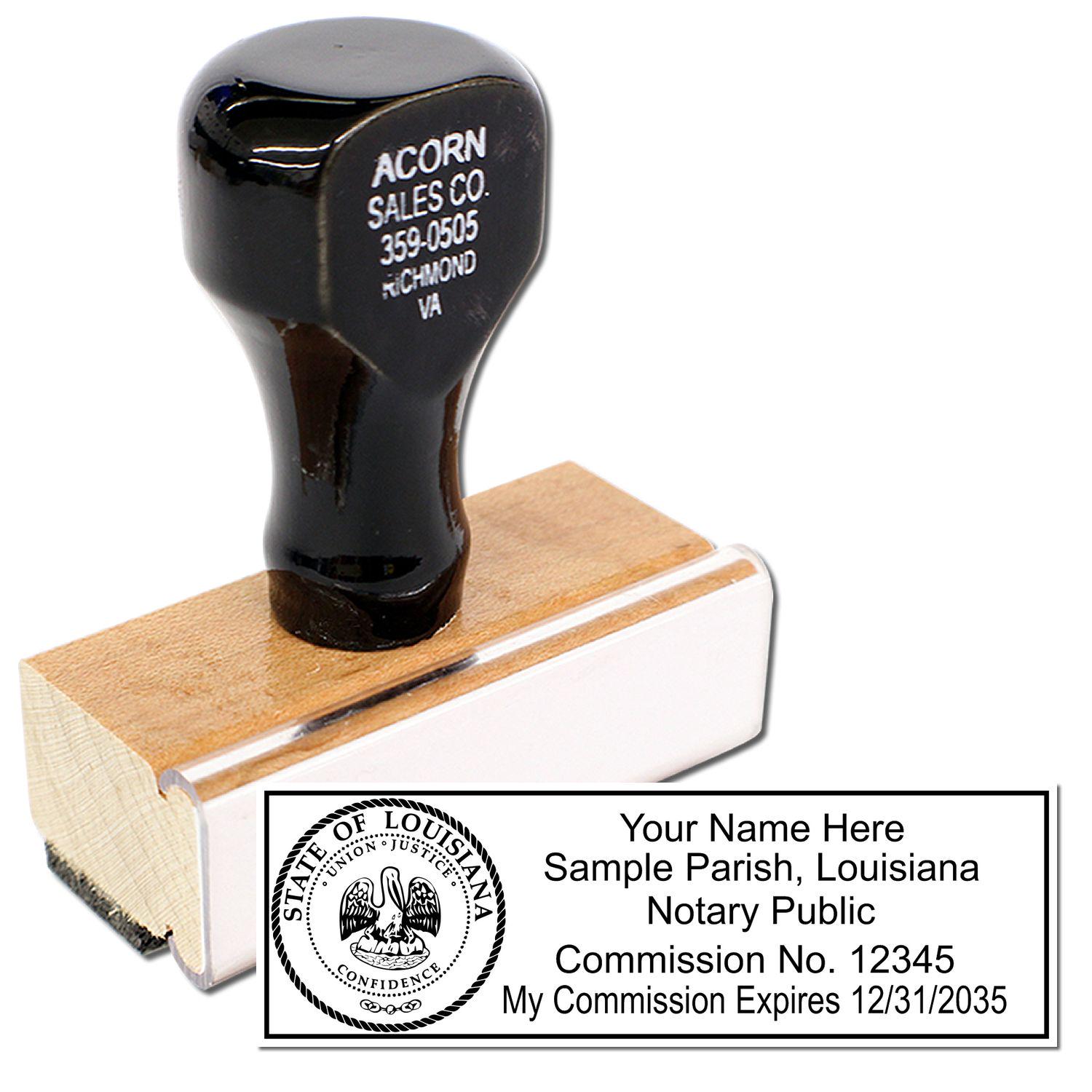
Being a Louisiana notary public means carrying a significant level of responsibility, especially when it comes to meeting all official guidelines. One of the critical aspects you need to understand right from the start is Louisiana notary seal requirements. Your seal is more than just a stamp on paper. It symbolizes your authority and validates each document you notarize. By getting familiar with the essential regulations, you can avoid common seal-related mistakes and maintain a strong reputation in your profession.Below, you will find useful information to clarify exactly what goes into a proper Louisiana notary seal, how to avoid slip-ups, and why choosing the right supplier can make your job simpler. Whether you are fresh out of your notary commission or have been serving for years, you will walk away with new insights into keeping your seal compliant, functional, and professional.
Understand Louisiana Notary Seal Requirements
If you want to protect yourself, your clients, and the documents you authenticate, you should start by reviewing the fundamentals of Louisiana notary seal requirements. Although not all states require the same format or design, Louisiana has its own specifications that you must address. Getting acquainted with these guidelines helps you deliver consistent, high-quality service and avoid legal complications.
Basic Elements To Include
- Name and Commission Details: Your seal typically includes your full legal name, exactly as it appears on your official notary commission.
- State Identification: The inclusion of “State of Louisiana” identifies the jurisdiction in which you are authorized to perform notarial acts.
- Commission Number (If Applicable): Depending on local rules, you might need to incorporate a commission number or identification number into your seal for easy verification.
- Expiration Date (If Required): Some notaries opt to include their commission expiration date to help signers see when the current appointment ends.
These details ensure your seal is recognizable by officials and clients alike. Before finalizing your seal design, you should confirm whether Louisiana requires any extra details or if the above elements are sufficient. The regulations guiding these specifics can vary, so staying aware of the current guidelines ensures you do not miss any critical pieces of information.
Why Compliance Is Crucial
When it comes to notarized documents, every element must be precise. That precision extends to your notary seal. Without a proper seal, your notarization might be rejected, exposing you to potential liability. By adhering to Louisiana notary seal requirements, you can rest easy knowing your documents are valid. This compliance fuels trust among the individuals and institutions who rely on your services.
Key Components Of A Compliant Seal
Once you know that certain information must appear on your seal, you should then think carefully about its shape, size, and overall design. Even details like ink color can make a difference in certain situations. Adhering to these elements sets you apart as a professional who pays attention to every requirement.
Shapes And Sizes
Most Louisiana notaries use a circular or rectangular seal, but sizing can vary depending on personal preference and clarity of the text. The key is to maintain legibility. If the font is too large or too small, it may affect readability and cause confusion. Aim for a balance: your seal should be easy to read without sprawling across the page.
Ink Color
Although black ink is most commonly associated with official documents, some notaries prefer blue or other colors to distinguish original documents from photocopies. That said, black ink remains the safest choice in many situations, especially if you want a crisp, professional look that aligns with official guidelines.
Electronic Seals
A growing number of notaries explore electronic notarization methods, and Louisiana has moved in that direction for certain processes. If you plan on using an electronic seal, be sure to confirm you meet all software and privacy requirements tied to e-notarization in the state. Electronic seals still need to display all the traditional information, just in a digital format.
Common Mistakes To Avoid
Mistakes with your notary seal can lead to a host of problems, from having your notarized documents challenged in court to facing unwelcome scrutiny from regulatory bodies. Thankfully, many errors are preventable with a bit of advanced knowledge.
Using Outdated Information
If you had a name change, moved addresses, or renewed your commission, you might be tempted to keep using your old seal until it wears out. This shortcut, however, can place you at risk of invalidating future notarizations. You must always keep your seal information accurate and current, which might require ordering a replacement seal sooner than you planned.
Incomplete Or Illegible Seal Impressions
Sometimes, you might be in a rush and stamp too lightly or at an odd angle, resulting in a partial impression. An incomplete or blurry seal can lead to questions about the document’s authenticity. Always double-check your stamp before handing a notarized document to a client or official. If you notice streaks in the ink or a barely visible imprint, it is time to re-ink or replace your stamp.
Missing Required Details
When you first receive your notary commission, make a list of every piece of information your seal needs to contain. Then, double-check the final design to verify you did not accidentally omit something like your full name or commission number. A single missing element can invalidate your official seal.
Not Following Placement Guidelines
Where you place the seal impression on a document matters. It should not obstruct text or signatures, but it also must be clear and visible. Overlapping signatures or vital text can create confusion. Position the seal in a dedicated space to avoid overshadowing any critical information.
Selecting The Right Stamp Or Embosser
Not all notary seals are created equal. Your choice of stamp or embosser can influence the appearance of your imprint and the overall professionalism you convey. Selecting a reliable product from a trusted supplier will save you money and hassle over time.
Factors To Consider
- Imprint Legibility
- Durability Of Materials
- Ease Of Use
- Ink Replacement Options
- Turnaround Time From Supplier
When you invest in a high-quality seal, you will minimize misprints and ensure every official document reflects your notarial authority in the clearest way possible. Stamps also come in self-inking variants, which are popular for their convenience and consistent impressions.
Why Acorn Stamps
As you look for the perfect notary seal, you may want a supplier who understands exactly what you need for compliance in your state. Acorn Stamps has been a top supplier of Louisiana notary stamps and Louisiana notary seals for six decades. Family owned and operated since 1964, Acorn Stamps prides itself on delivering stellar customer service and super fast turnaround. By working with an experienced provider like this, you benefit from expert guidance on seal design, high-quality materials, and the peace of mind that comes with a reliable partner.
Proper Placement And Usage
After selecting a well-crafted seal, knowing how and where to apply it on each document makes all the difference. Clear, consistent placements give your notarization a polished look and reassure clients that you have carefully followed Louisiana notary seal requirements.
Recommended Document Areas
- Next To Signature: Placing the seal near your signature underscores the authenticity of your notarial act.
- In A Blank Margin: If signatures or text dominate most of the page, using a clean margin prevents overlap.
- Dedicated Notary Block: Some legal documents come with a specific notarial block. Align your seal there so it does not clash with any preprinted text.
Avoid Smudging Or Overlapping
If you are stamping a stack of documents at once, give each impression a moment to dry to avoid accidental smears. Overlapping any critical details on a form can create confusion for reviewers or lead to the document being rejected. When in doubt, tilt the paper slightly so you can see if there is enough space for a clean impression.
Be Prepared For Unique Paper Types
Even standard ink can behave differently on glossy or heavily textured paper. If you anticipate handling diverse paper stocks, keep a test sheet handy. You do not want to discover mid-way through an important document that your seal ink smears or fails to adhere properly.
Maintaining Your Notary Seal
A well-maintained seal can last for years, giving you consistent, crisp impressions. However, seals do wear out over time and might occasionally need a tune-up. Staying on top of maintenance can save you from re-stamping entire documents or dealing with certain legal disputes.
Clean The Seal Regularly
Dust, ink residue, or other debris can accumulate on your seal’s surface. Gently wipe the surface with a soft cloth whenever you notice any buildup. If ink residue is stubborn, you may need a designated cleaner recommended by your seal’s manufacturer. Consistent cleaning ensures that your seal impressions remain sharp and legible.
Re-Ink As Needed
Self-inking stamps gradually dry out over time. If the stamped impressions become faint, it is time to add new ink. Make sure you only use ink compatible with your stamp model. Mixing the wrong types of ink can erode the stamp pad or clog the mechanism, rendering your seal temporarily unusable.
Update For Accuracy
Whenever your commission details change, or if you renew your notary commission, order a new seal promptly. You do not want to rely on outdated information. Even if you rarely perform notarial acts, your seal must always reflect your current name, commission status, and any other required data.
Safeguard Against Loss Or Misuse
Keep your seal in a secure place to prevent unauthorized individuals from using it. Being proactive about privacy and security is both a professional requirement and a best practice. If your seal is lost or stolen, you should notify the appropriate authorities and obtain a replacement as soon as possible.
Frequently Asked Questions
Below are some common questions notaries in Louisiana ask when they embark on their commission journey or seek to refine their notarial practice. Use these answers as a handy reference whenever doubts arise.
How Many Louisiana Notary Seals Should I Own?
You might find it convenient to have more than one seal, especially if you split your time between multiple locations. Having a backup helps you avoid delays if your primary seal needs maintenance or re-inking. Make sure each seal matches the official information on your commission.
What Should I Do If My Seal Is Lost Or Stolen?
Report the loss or theft immediately to your local authorities and any relevant notary regulatory body. Purchase a new seal with accurate up-to-date data. Keeping detailed records of incidents like this also helps protect you from potential misuse of your notary credentials.
Should I Use An Embosser Or A Self-Inking Stamp?
Both embossers and self-inking stamps have their merits. An embosser creates a raised impression that some clients find especially official. A self-inking stamp, however, is quick, convenient, and usually clearer for photocopying or scanning. Consider the nature of your work and whether the crisp look of an inked imprint or the more formal raised seal best suits your preferences.
Is My Louisiana Notary Seal Valid In Other States?
Your seal identifies you as commissioned in Louisiana, meaning you may only perform notarial acts within the state. Out-of-state recognition usually depends on the receiving state’s laws, but in most situations, you cannot perform official notarial duties outside Louisiana. Checking specific rules in any state you wish to work in is always a good idea.
How Do I Update My Seal If My Name Changes?
You must notify the appropriate state authorities or licensing department about any name change. Subsequently, you should order a new seal that reflects your updated legal name. Continuing to use your old seal may invalidate notarized documents and pose legal complications for you and your clients.
From understanding the fundamentals to putting those guidelines into practice, it is all about ensuring each notarization you perform stands up to scrutiny. Your notary seal is a reflection of your professionalism, so diligent care, proper usage, and regular updates are crucial. With your seal in good shape and in line with Louisiana notary seal requirements, you can focus on the real task at hand: providing top-notch notarial services to your clients.
If you are ready to choose a new seal or upgrade your current one, turn to a supplier that not only provides high-performing products but also understands the significance of precision. Acorn Stamps has helped notaries stay compliant and confident for 60 years, thanks to quality materials, helpful advice, and lightning-fast delivery. Your role as a Louisiana notary public is too important to leave any details to chance. By working with a trusted partner and staying attentive to the details, you will smoothly fulfill your commission requirements and safeguard the integrity of the notarization process.