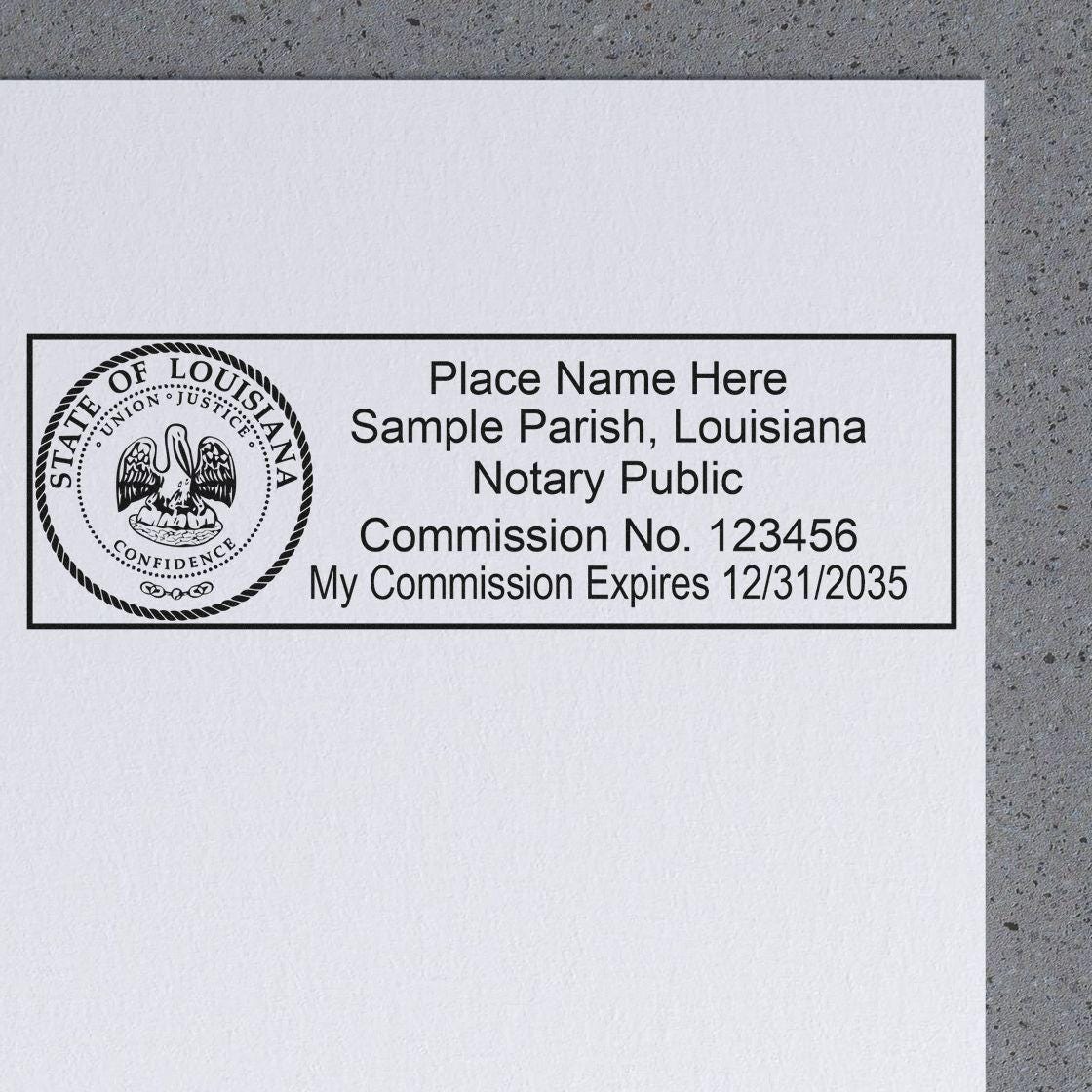
You may have heard that meeting Louisiana notary requirements is one of the first crucial steps to serving as a notary public in the state. Whether you are looking to bolster your professional credentials or start a new career path, understanding these requirements can help you plan your journey with confidence. Below, you will find a comprehensive overview of the qualifications, application steps, and essential tools you will need, as well as tips on how to maintain your commission. By the end, you will feel prepared to move forward with your notary aspirations in Louisiana.
Understand the Importance of Louisiana Notary Requirements
Louisiana’s notary system is distinct from many other states. Once commissioned, you receive statewide jurisdiction to perform notarial acts, and your appointment never expires as long as you follow the renewal and bonding procedures. Because of this unique structure, it is essential to understand the various qualifications and responsibilities that come with the role. When you fulfill every requirement, you can perform your notary duties with clarity and professionalism.
Why Louisiana Has Specific Requirements
- Civil Law Tradition: Louisiana’s legal framework is influenced by civil law traditions, meaning notaries might perform more complex tasks than in common law states.
- Scope of Duties: In Louisiana, you could handle property transfers, affidavits, powers of attorney, and other official documents. These tasks demand thorough knowledge of state regulations.
- Long-Term Public Trust: Your authority as a notary depends on public trust. By ensuring that every notary meets strict eligibility criteria, the state safeguards the integrity of legal documents.
Meet the Basic Eligibility Criteria
Before diving into the application process, you will want to determine if you meet Louisiana’s basic notary eligibility requirements. While specifics can vary slightly, there are a few foundational criteria you should consider. Age and Residency
- You must be at least 18 years old and a resident of Louisiana.
- You must also be a registered voter in the parish where you will file your bond and oath.
Education
- You should have at least a high school diploma or its equivalent.
- Proficiency in English is key, because you will need to read, understand, and draft legal documents.
Good Moral Character
- You are expected to have a clean criminal record. Certain felonies or misdemeanors could disqualify you.
- Honesty and reliability are central to notarial duties.
No Attorney Exclusivity
- Attorneys in Louisiana automatically meet notary eligibility requirements if they are in good standing with the Louisiana Bar Association.
Meeting these basic criteria is the first step. Once you confirm that you qualify, you are ready to move on to the formal application and examination process.
Navigate the Application Process
Once you know you meet the baseline standards, you can start the formal steps to become a Louisiana notary. This process often involves your local parish officials, as well as state-level authorities.
Submit Your Application
- Obtain the Official Forms: You will need to get the Notary Application from the Louisiana Secretary of State’s website or your parish notary office.
- Provide Personal Information: Complete and sign the form, making sure all details, including your full legal name and address, match your official records.
- Verify Your Eligibility Documents: You might need to include a copy of your ID and proof of high school completion or higher.
- Pay the Required Fees: Keep a record of your payment for your application fee.
Conduct a Background Check
Mandatory Screening: You may be asked to authorize a background check.Clean Record Criteria: If any issues arise in your report, you could be asked to provide additional documentation or clarifications.
Get Confirmation
- Review Period: The Louisiana Secretary of State usually takes several weeks to review applications.
- Notice of Approval: You will receive a letter or email notifying you of your next steps, including details on scheduling the notary exam.
Prepare for the Louisiana Notary Exam
Unlike many states, Louisiana has a rigorous notary exam to ensure notaries are fully prepared for their responsibilities. Some refer to it as the “Notary Public Marathon,” but there are many resources you can use to succeed.
Study the Notary Handbook
The Louisiana Secretary of State publishes a notary study guide, which you can purchase and use as your primary study resource. It covers:
- Notarial Duties
- Legal Concepts
- Drafting Legal Documents
- Record-Keeping Practices
Take a Prep Course
You might enroll in a local community college course or an online training program designed for the Louisiana notary exam. These prep classes can walk you through real-life scenarios, giving you the confidence to handle any situation that may appear on the test.
Practice With Sample Questions
- Quizzes and Mock Exams: Practice exams can help you become familiar with the types of questions you will face.
- Time Management: The better you manage your testing pace, the more confident you will feel on exam day.
Exam Day Tips
- Arrive Early: Give yourself time to find your seat and calm your nerves.
- Read Carefully: Make sure you understand each question before answering.
- Manage Stress: Take a moment to breathe and refocus between sections if you feel overwhelmed.
Keep Your Notary Commission Active
Once you have passed your exam, you are close to becoming a fully commissioned notary. However, there are a few more steps you need to cement your status and maintain it long-term.
File Your Notary Bond
Most applicants must file a notary surety bond with the parish clerk of court. The bond helps protect the public in the event of notarial errors or misconduct. Typical bond amounts can vary, so be sure to confirm the requirement with your parish.
Take the Oath of Office
After filing your bond, you will usually need to take an official oath of office. This oath is a formal commitment to uphold the integrity of the notarial profession and follow all Louisiana laws related to notarial acts.
Submit Your Commission Documents
Once you have taken your oath, submit your completed paperwork and bond information to the Secretary of State’s office. Upon confirmation, you will receive your commission certificate. At this point, you are authorized to perform notarial acts anywhere in the state.
Regular Renewals
While Louisiana notaries hold lifetime commissions if they remain in good standing, you typically need to renew or maintain your commission by:
- Staying Current: Monitor communications from the Secretary of State’s office regarding changes in requirements.
- Paying Any Necessary Fees: Certain parishes may have periodic fees to keep your notary records up to date.
Gather Essential Tools and Supplies
Serving as a notary public in Louisiana requires more than just legal knowledge. You will also need the right equipment to notarize documents accurately and professionally.
Louisiana Notary Stamp and Seal
A notary stamp and seal are possibly the most recognizable tools you will use. They are vital for verifying your authority on official documents. When choosing your Louisiana notary stamp and seal, ensure they are made to the precise specifications mandated by state law. Ink color, size, and layout might all be regulated, so pay close attention when placing your order.
Notary Record Book
Maintaining an accurate record of every notarial act is essential for accountability. Some notaries opt for a traditional ledger-style bound book, while others prefer a digital logs approach. Whichever method you choose, record details of each transaction, such as:
- Date, time, and location of the notarial act.
- Type of document notarized.
- Identity verification method used.
- Signatures and thumbprints (if required).
Valid Photo Identification
As a notary, you confirm the identity of signers. Keeping a reference guide on which IDs are acceptable can help you quickly and confidently complete your signings. Acceptable forms typically include:
- Driver’s license or state-issued ID
- Passport
- Military identification
Office Supplies
Even if you work remotely or on-the-go, having these resources will help keep you prepared:
- Extra ink pads or replacement ink cartridges for your stamp.
- Reliable pens that do not smudge.
- Proper filing solutions for sorted documents.
- Secure place to store confidential files.
Rely on Acorn Stamps for Your Notary Needs
When it comes to purchasing a Louisiana notary stamp and seal, you want a reliable supplier who delivers top-quality products. Acorn Stamps is a trusted family owned and operated business that has been around since 1964, offering 60 years of consistent service. Here is why they are a popular choice for Louisiana notaries:
- Stellar Customer Service: You can expect a friendly, helpful approach whenever you need support or have questions about your order.
- Super Fast Turnaround: Time is of the essence when you are starting your notary practice. Acorn Stamps works hard to ensure quick production and delivery, so you can begin serving your clients sooner.
- High-Quality Materials: Your Louisiana notary stamp and seal will be made with precision and durability, meeting state regulations and lasting through frequent daily use.
- Longstanding Expertise: With decades of experience helping notaries across the country, Acorn Stamps has the knowledge to guide you in choosing the tools that work best for your notarial duties.
Whether you are just launching your notary career or renewing your commission, Acorn Stamps can become a trusted partner on your journey.
Five FAQs About Louisiana Notary Requirements
Do I Have to Be a Louisiana Resident to Become a Notary?
Yes. You must live in the state and be registered to vote in the parish where you plan to file your bond and oath.
How Long Does My Louisiana Notary Commission Last?
Louisiana notary commissions do not expire if you remain in good standing. You do need to keep your bond and any parish filings up to date, and promptly address any changes in personal information, like name or address.
Can I Perform Notarial Acts Outside of My Parish?
Yes. Once you are commissioned in Louisiana, you typically have the authority to perform notarial acts anywhere within the state. Make sure you stay current on relevant statutes or administrative rules that may apply in specific parishes.
What Happens If I Move to a Different Parish in Louisiana?
If you move to another parish, you must transfer your commission to that location. Check with the Louisiana Secretary of State’s office for the required steps to ensure you remain in compliance with local and state regulations.
Can I Take the Louisiana Notary Exam Multiple Times If I Do Not Pass on the First Attempt?
Yes. You can usually retake the exam, though you will need to pay the exam fee each time you register. Make sure to use it as a learning opportunity, reviewing any trouble areas to improve your performance on the next attempt.By now, you have a solid understanding of the key aspects of Louisiana notary requirements. From confirming your eligibility and preparing for the notary exam to choosing the right equipment for your practice, you have everything you need to begin your journey. If you have been thinking about getting into the notary field, there is no better time to start. Make sure you stay organized, keep studying, and rely on experienced suppliers like Acorn Stamps for all your Louisiana notary stamp and seal needs. Good luck on your notary path.