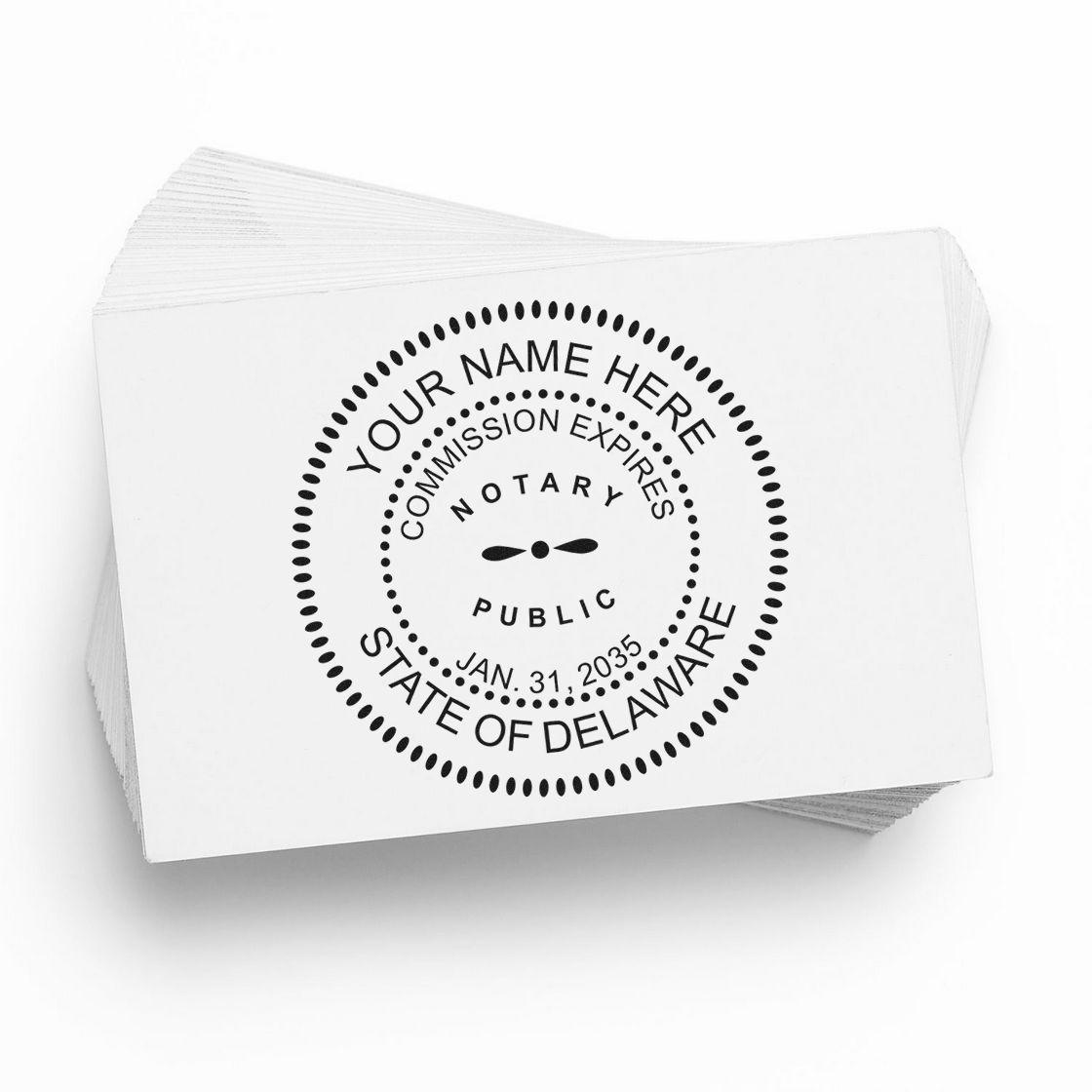
Understand the Delaware Notary Stamp and Seal
When you serve as a Delaware notary public, your official impression comes from your Delaware notary stamp and seal. This small but crucial tool allows you to authenticate important documents, confirm identities, and help deter fraud. At first glance, a notary stamp might seem straightforward—press it onto the paper and you are done. However, there is more to it than just a quick imprint. By learning how to properly use and care for your notary stamp and seal, you ensure your work is trustworthy, professional, and legally valid throughout Delaware.
What the Stamp and Seal Represent
The State of Delaware requires specific details on each notarial impression. That way, anyone examining the notarized record later knows exactly which notary performed the act, when it occurred, and that it met state guidelines. Typically, your Delaware notary stamp includes:
- Your name as it appears on your notary commission
- The words “Notary Public”
- “State of Delaware”
- Your commission expiration date, if mandated
- Any additional elements required by Delaware law
Meanwhile, the seal can be embossed or ink-based depending on your personal preference and compliance requirements. With both the stamp and seal, you reinforce the authenticity of paperwork, from real estate contracts to sworn affidavits.
Why Correct Usage Matters
Precision with your Delaware notary stamp and seal demonstrates your professionalism. It shows you know how to carry out notarial acts properly, which boosts the confidence of clients and recipients of any notarized documents. More importantly, stamping documents correctly also helps to ward off legal disputes. If your notarial impression is clear, complete, and law-compliant, you minimize the chance of questions arising about a document’s legality in the future.
Learn Delaware Notary Requirements
Any time you notarize a document, state regulations shape what you need to do. Delaware notary rules outline who can become a notary, how to use your stamp properly, and which records you must maintain. While this article shares practical tips, it is important to double-check official sources for the most up-to-date notary legislation.
Confirm Your Commission Details
Before you begin stamping, confirm that:
- You have an active Delaware notary commission
- Your name and commission details match the information shown on your stamp
- Your official seal or embosser meets any state size or design requirements
If there are changes to your address, name, or commission details, you will typically need to update your stamp and seal. Keeping your notary information current ensures you do not accidentally void a document through inaccurate or expired details.
Know When and Where to Stamp
Under Delaware law, you may only notarize within the geographic boundaries of the state. Make sure that each notarial act takes place in Delaware and that the document clearly references the state (often as a notarial certificate or a notary block). You should also always personally witness the signing of the document, verify the signer’s identity, and follow any state-mandated record-keeping requirements.
Prepare Your Documents
Before using your Delaware notary stamp and seal, you will want to confirm that the document itself is ready for notarization. Rushing or overlooking small details can create confusion or lead to rejected forms.
Check for Completeness
Always review the document to see if:
- All pages are present and attached together
- There are no blank spaces or partial lines that could be tampered with after signing
- The signer’s name appears exactly as shown on their ID
If you or the signer spot any omissions, have them correct those issues before you apply your stamp or seal. Notaries are not responsible for drafting or editing documents, but verifying completeness helps maintain clarity and reduces the risk of someone altering the document post-notarization.
Confirm the Signer’s Readiness
Ask whether the signer fully understands the content of what they are signing. They should not feel rushed or unsure about any portion of the document. Ensure the signer is alert, aware, and consenting. If you have any doubts about their willingness or capacity to sign, you should halt proceedings until the matter is resolved.
Use Your Stamp Correctly
When you are ready to apply your Delaware notary stamp and seal, technique matters. A clear impression that is easy to read demonstrates your professionalism and upholds Delaware’s notarial standards.
Position the Stamp
Look for a clear area on the document, typically near the notarial wording or notary certificate. Avoid placing the impression over text or near any folds in the paper that might distort the image. A neat, properly placed stamp or seal helps recipients easily spot and verify your credentials.
Apply Firm, Even Pressure
Using a self-inking stamp or an embosser requires a steady hand. If you are stamping:
- Place the notary stamp over the area
- Press straight down with balanced pressure
- Lift the stamp carefully to prevent smudges
For an embosser, align the edges of the seal with the paper’s margin. Then clamp down firmly to create a crisp raised impression. Double-check that the text is properly indented and legible afterward.
Record the Notarial Act
Delaware may require you to maintain a notary journal or log of your notarial acts. Although the exact requirements can vary, you will typically record the date and time of notarization, type of document, signer’s name, and any relevant ID details. Keeping a consistent log safeguards you against future legal challenges and helps confirm that your seal was used lawfully.
Maintain and Store Your Seal
Your Delaware notary stamp and seal deserve proper care. Storing them responsibly not only extends their lifespan but also protects your credibility as a notary.
Cleaning and Shelf Life
Follow the manufacturer’s instructions for cleaning ink residue from your stamp or any dust that may accumulate on an embosser. Proper cleaning ensures each impression remains crisp. Many modern stamps are designed to last thousands of impressions before needing an ink refill or replacement pad. If your stamp starts producing faint or uneven prints, it might be time for new ink or a replacement altogether.
Prevent Unauthorized Use
Keep your notary stamp secure so no one else can use it. If it is misplaced, it can compromise your commission’s integrity. Store your seal in a locked drawer or cabinet, and if you ever find it missing, take steps to report the issue and get a replacement. A routine check that you know the location of your stamp and seal helps you quickly respond to any loss or theft.
Find a Trusted Supplier
When you need a replacement or an update to your Delaware notary stamp and seal, partnering with a reliable supplier can save time and reduce stress. That is where Acorn Stamps shines. As a family owned and operated business since 1964, Acorn Stamps has spent more than 60 years providing Delaware notaries with professional-grade stamps, seals, and fast, friendly service.
Top Qualities of a Good Supplier
- Accurate Craftsmanship: The text on your stamp should match official records perfectly.
- Quality Materials: Ink that dries cleanly with minimal smudging and embossers that stand the test of time are crucial.
- Stellar Customer Service: Helpful reps can guide your purchase, ensuring you select the right style.
- Super-Fast Turnaround: Look for suppliers who process and ship orders quickly so you do not experience unnecessary downtime.
- Dependability: If you need support or replacements, you should feel confident in the supplier’s ability to deliver promptly.
Acorn Stamps excels in all these areas, making them a top supplier of Delaware notary stamps and seals. Whether you need a small refresh or a brand-new set, you will have peace of mind that your order meets the highest standards.
Avoid Common Missteps
Even experienced notaries sometimes fall into simple errors. By staying aware of the most common mistakes, you can keep your record clean and your documents valid.
Placing the Stamp Over Important Text
Make sure your stamp never obscures signatures, dates, or other crucial details. A hard-to-read notarial impression can lead to confusion and potential rejections. Plan where you will place the stamp before pressing it onto the page.
Forgetting the Document Date
Some notarization types require you to note the date you performed the notarial act. Neglecting to enter the exact date or incorrectly matching the date with the signer’s signature can compromise the authenticity of the document.
Overusing the Notary Seal
Reserve your stamp only for legitimate notarization purposes. Using it for purely decorative reasons, or letting non-notaries borrow it, undermines your professional reputation. If someone asks you to stamp a document without a legitimate reason, politely decline.
Failing to Update Expiration
If your notary commission expiration date changes, make sure to update your stamp and seal as soon as possible. Continuing to use an outdated stamp can lead to legal complications or call your verified documents into question.
FAQs About Delaware Notary Stamp and Seal
Below are some commonly asked questions that might help guide you through the practical realities of being a Delaware notary public.
How Often Do I Need to Renew My Delaware Notary Commission?
Your commission expires after a specified term set by the state. You are responsible for renewing your commission before it lapses, which often involves submitting a renewal application. Once renewed, you need a valid stamp reflecting any updated dates.
Can I Use an Embosser Instead of an Ink Stamp?
Yes, many Delaware notaries use an embosser, as long as it follows state requirements. Some notaries prefer the crisp, raised look of an embossed seal, while others like the clarity of ink stamps.
What Happens if My Stamp Fades Mid-Notarization?
You can replace the ink pad before continuing, or have a backup stamp on hand. It is crucial to produce a clean, legible impression every time you notarize. Faint or unreadable stamps can create legal uncertainties later.
Am I Liable if Someone Misuses My Stamp?
Potentially, yes. You are responsible for securing your notary tools against misuse. If you discover theft or loss, contact the proper authorities and Delaware’s notary office immediately. Keeping a journal also helps prove any notarial acts that were properly performed under your name.
Where Can I Purchase a Delaware Notary Stamp and Seal Quickly?
Acorn Stamps is a top supplier known for super-fast turnaround and excellent quality. They offer ink stamps, embossers, and accessories tailored to Delaware notarial standards. You can trust their consistent, reliable service.
Wrap-Up
Your Delaware notary stamp and seal are powerful instruments—treat them with the care they deserve. By understanding how to manage your notarial acts under Delaware law, ensuring your stamp impressions are clear, and working with a reputable supplier like Acorn Stamps, you set yourself up for success. With attention to detail and a strong commitment to ethical practice, you will build a solid reputation that keeps clients coming back whenever they need professional, certified notarization.