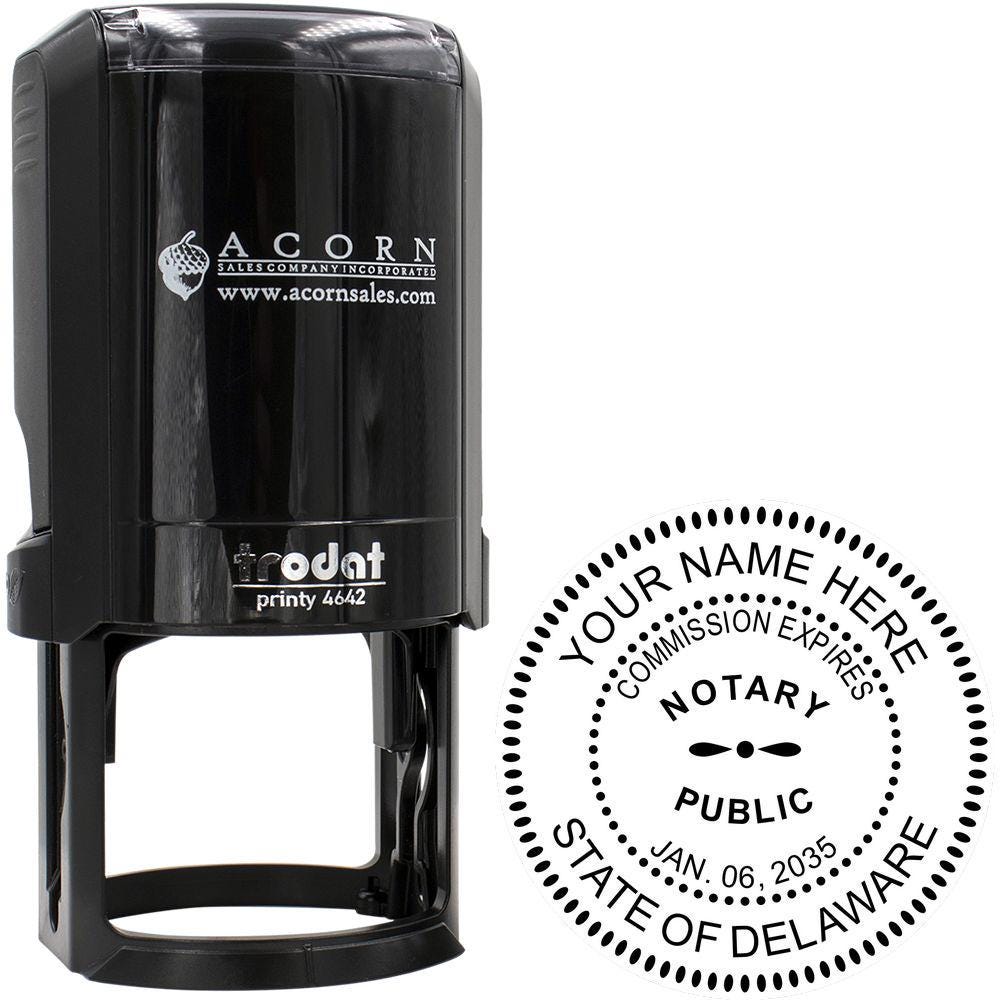
Whether you’re a newly commissioned notary public or simply looking to upgrade your current setup, finding the right Delaware notary seal can make your job smoother, more professional, and more efficient. This article helps you understand how to select the best seal for your specific needs without overspending. You’ll discover different seal types, essential features to prioritize, and practical maintenance tips that keep your notary seal ready for every transaction. Along the way, you’ll also get to know Acorn Stamps—your reliable source for Delaware notary seals—renowned for stellar customer service, fast turnaround, and 60 years of helping notaries across the state.
Understand The Basics Of A Delaware Notary Seal
Before you start exploring the many products on the market, it helps to know a bit about what a Delaware notary seal is and why it matters. As you may already know, the seal is the official marker of your status as a notary public, showing that you’ve verified a signer’s identity, acknowledged their willingness to sign, and confirmed their understanding of the document’s contents. In Delaware, your seal must include specific elements, such as your name and the words “Notary Public” and “State of Delaware.” This seal appears on legal documents ranging from property deeds to affidavits, offering assurance that the agreements are valid and properly notarized. The key to a high-quality Delaware notary seal lies in clarity and durability. You’ll want a seal that consistently produces sharp impressions on various types of paper. Smudges, skips, or faint impressions can raise doubts and even lead to the rejection of important paperwork. In addition to legal compliance, a reliable seal adds a layer of professionalism to every document you notarize. By choosing a dependable model, you can avoid messy re-stamps or the embarrassing need to apologize to a client for a faint imprint. Notaries often focus on the stamp’s design, but the overall build also matters. The mechanism used to deliver ink or emboss a document can mean the difference between a smooth experience and a fussy one. Getting familiar with the basics of how seals work sets you up for a thoughtful purchase that will serve you well for years.
Evaluate Different Seal Types
When investing in a notary seal, you can choose from a variety of designs. Some incorporate built-in ink pads, while others rely on separate ink. Embossers create raised impressions, while self-inking stamps deliver inked outlines. By knowing the types of seals and their pros and cons, you can find the best fit for your daily workload, your budget, and your desired maintenance level.
Self-Inking Notary Stamps
Self-inking stamps feature an internal ink pad that automatically re-inks the stamp’s die after each impression. If you prefer to breeze through daily notarizations without manually re-inking, self-inking is often the way to go. Here are a few considerations:
- Convenience: Since the stamp has an integrated pad, you won’t have to fiddle with separate ink containers.
- Speed: The quick re-inking process means you can complete multiple notarizations swiftly.
- Potential Dry-Out: Over a long period, the ink pad might dry out, which calls for regular replacement or re-inking.
- Crispness: Look for a self-inking stamp with high-quality rubber or polymer die for consistently sharp images.
Pre-Inked Stamps
Pre-inked stamps, while similar to self-inking, rely on a different design. The ink is embedded in the stamp’s surface, so there’s no separate pad. You simply press the stamp onto the page, and the ink transfers directly from the stamp itself.
- Sharp Impressions: Pre-inked stamps typically deliver more precise, darker impressions.
- Low Maintenance: Because ink is stored in the stamp, you won’t need to replace an ink pad regularly.
- Price: Pre-inked stamps can be pricier upfront than self-inking stamps.
- Fewer Missed Spots: The stamp’s design can reduce the risk of half-inked or uneven impressions.
Traditional Rubber Stamps
Traditional rubber stamps use a separate ink pad that you press the stamp against before stamping the document.
- Cost-Effective: Rubber stamps are often the least expensive option.
- More Control: You can swap out different types of ink pads, such as fast-drying ink or specialty colors.
- Slower Process: Using a separate ink pad means extra steps for each notarization, which could slow you down during high-volume days.
- Risk of Smudges: If you’re in a hurry, it’s easy to press too lightly or too hard, leading to potential smears or faint areas.
Embossing Seals
If you appreciate a more traditional or formal look, you may prefer an embossing seal. By pressing two metal plates together, the seal creates a raised impression on the paper. Many Delaware notaries use embossers alongside ink stamps for extra authenticity.
- Professional Appearance: An embossed seal exudes formality and can enhance the perceived importance of a document
- Tamper-Resistant: Raised impressions are difficult to alter.
- Need for Pressure: Some embossers require a fair amount of strength to operate, especially on thicker paper.
- Visibility: Raised text can be harder to photocopy or scan, so you might need an inked stamp as the primary mark on certain documents.
Compare Price Points And Durability
Any discussion of the best Delaware notary seal for every budget must address price differences. You can find budget-friendly stamps, pricier models with premium materials, and everything in between. As you weigh your options, factor in the likelihood of frequent use, how long you expect your stamp to last, and whether you want to pay more upfront for a better-quality product.
- Budget-Friendly: Traditional rubber stamps or simpler plastic self-inking models often do the job well enough for occasional notaries. If your notary work is minimal, a lower-cost model may suffice.
- Mid-Range: Many pre-inked and self-inking stamps fall into this category. They typically offer solid longevity and crisp impressions, hitting a sweet spot between cost and durability.
- Premium: If you do a high volume of notorization or simply want the best tool available, premium self-inking or metal-bodied embossers provide advanced features like ergonomic handles, robust frames, and extended lifespan. These can be more expensive initially but often prove cost-effective over time.
It’s important to consider replacement parts too. Even premium stamps eventually need a new ink pad or internal mechanism. A cheaper stamp might require more frequent replacements, making it less cost-effective in the long run. By finding a balance between cost and performance that aligns with your usage, you can confidently invest in a seal suitable for your situation.
Consider Additional Features
When browsing Delaware notary seal options, you might notice a range of additional features designed to improve user experience. While these extras can add to the cost, they may be worthwhile if they enhance your productivity or satisfaction.
- Ergonomic Grip: Some stamps or embossers come with carefully designed handles that reduce strain on your hand and wrist. If you’re notarizing many documents at once, a comfortable grip prevents fatigue.
- Locking Mechanism: A built-in lock can keep the ink pad closed and protect the die from damage. This feature is especially useful for on-the-go notaries who store their seal in a bag or briefcase.
- Compact Size: Notaries who travel frequently may prefer a smaller, portable stamp. Compact models easily fit in a bag and are usually lighter to carry around.
- Customized Elements: Beyond legal requirements, some seals include optional design touches, such as a border or specific fonts. While not a priority for everyone, a custom look can be a nice bonus if you’re aiming to brand yourself professionally.
Maintenance And Replacement Tips
Maintaining your Delaware notary seal helps you get the most out of it while preventing messy errors. Although different seal types have varied upkeep needs, basic care is simple with a few consistent habits. Store It ProperlyKeep your seal in a protective case or designated drawer, away from dust and direct sunlight. Dust can cling to the stamp surface or embossing plates, creating smudged impressions or uneven raised text.
Check Ink Levels RegularlyIf you use a self-inking or pre-inked stamp, monitor your ink levels. Staying alert to fading impressions typically indicates it’s time to re-ink or replace the ink pad. Verify that you follow the manufacturer’s instructions—using the wrong type of ink can damage the stamp or produce illegible prints.
Clean GentlyOver time, the surface of a stamp can accumulate ink residue. Use gentle soap and water or a specialized stamp-cleaning solution, and allow it to fully dry before using again. For embossers, wipe the metal plates with a soft cloth to remove any paper dust or debris.
Keep A BackupSeasoned notaries often keep a spare seal to avoid downtime if their primary seal needs repairs or re-inking. If you rely on your stamp daily and can’t afford delays, consider having a backup on hand. By following a simple maintenance routine, you’ll ensure that every impression looks clean, crisp, and professional, saving you time and preventing rejections of important documents.
About Acorn Stamps
While researching seal options, you’ve probably noticed that the supplier can be just as important as the tool itself. That’s where Acorn Stamps comes in. Family owned and operated since 1964, Acorn Stamps has spent the past 60 years serving notaries across the country. Their reputation for stellar customer service stems from a genuine commitment to helping customers find the best solutions at every price point. When you order from Acorn Stamps, you’re not just getting a high-quality Delaware notary seal. You also enjoy:
- Super Fast Turnaround: Acorn Stamps understands that receiving your new seal quickly can be critical, especially if you have pending appointments. They pride themselves on getting orders out the door promptly.
- Expert Guidance: Unsure which seal, ink, or embossing style is right for you? Their knowledgeable staff can inform you about state-specific guidelines, help you compare products, and recommend additional accessories if needed.
- Customization Options: If you’d like a particular font or border, Acorn Stamps can often accommodate such requests as long as it doesn’t conflict with state requirements.
- Guaranteed Quality: From self-inking and pre-inked stamps to stylish embossers, the products coming out of Acorn Stamps are designed to leave crisp, accurate impressions. The company’s commitment to quality is a direct reflection of their decades of experience.
By choosing Acorn Stamps for your Delaware notary seal, you can be confident in both the product and the service. Because the company’s roots are in family values, every purchase is backed by personalized care and respect for your professional needs.
Key Takeaways
Delaware Notary Seal BasicsA proper seal includes your name, “Notary Public,” and “State of Delaware,” displayed clearly for legal validity. Types Of SealsYou can pick from self-inking stamps, pre-inked stamps, rubber stamps with external ink pads, or metal embossers.
Budget RangesFrom budget-friendly plastic frames to premium metal builds, choose a seal that matches your usage needs and desired longevity. Maintenance MattersStore your seal properly, keep ink fresh, and clean it periodically for consistently clear impressions. Trusted SupplierAcorn Stamps, family owned since 1964, is renowned for exceptional service, fast delivery, and high-quality notary seals. By focusing on each of these points, you’ll be well-prepared to find the perfect Delaware notary seal that serves you and your clients for years to come.
FAQs
How Much Does A Delaware Notary Seal Typically Cost?
It varies based on the style and quality. You’ll find budget-friendly rubber stamps for around a few dollars, whereas premium self-inking or pre-inked stamps can cost more. If you opt for a metal embosser, the price might be higher, but it often comes with sturdier construction and a more professional appearance.
Is An Embosser Required In Delaware?
Delaware law requires a seal that is clearly legible, typically inked or embossed. Many notaries choose to use both an embossed seal and an ink stamp. However, a single stamped impression is generally sufficient as long as it meets legal clarity and includes the required information.
How Often Should I Re-Ink My Stamp?
That depends on usage. If you notarize documents daily or weekly, you might re-ink every few months. Less frequent usage might get you through a year before a new ink pad or re-inking is needed. Keep an eye on stamp clarity—faded impressions are a telltale sign it’s time for fresh ink.
What Happens If My Seal Wears Out Or Breaks?
It’s wise to keep a backup seal, especially if you rely heavily on your notary commission. If your seal breaks or fades beyond repair, you’ll need a replacement that adheres to Delaware’s notary requirements. Acorn Stamps offers quick turnaround on new orders so you can resume your duties swiftly.
Can I Decorate My Notary Seal With Borders Or Logos?
While adding a border or stylized design can give a unique look, the key point is to keep all Delaware-required text completely legible. As long as the mandatory information is clear and your design choices do not conflict with state guidelines, a little customization is usually fine. If you have questions, Acorn Stamps can help guide you through customization without overshadowing legal requirements. By choosing the right Delaware notary seal and caring for it over time, you create a seamless notarization process that benefits both you and your clients. With user-friendly designs, flexible budgets, and fast service partners like Acorn Stamps, you’re well on your way to a professional and efficient notarial practice.