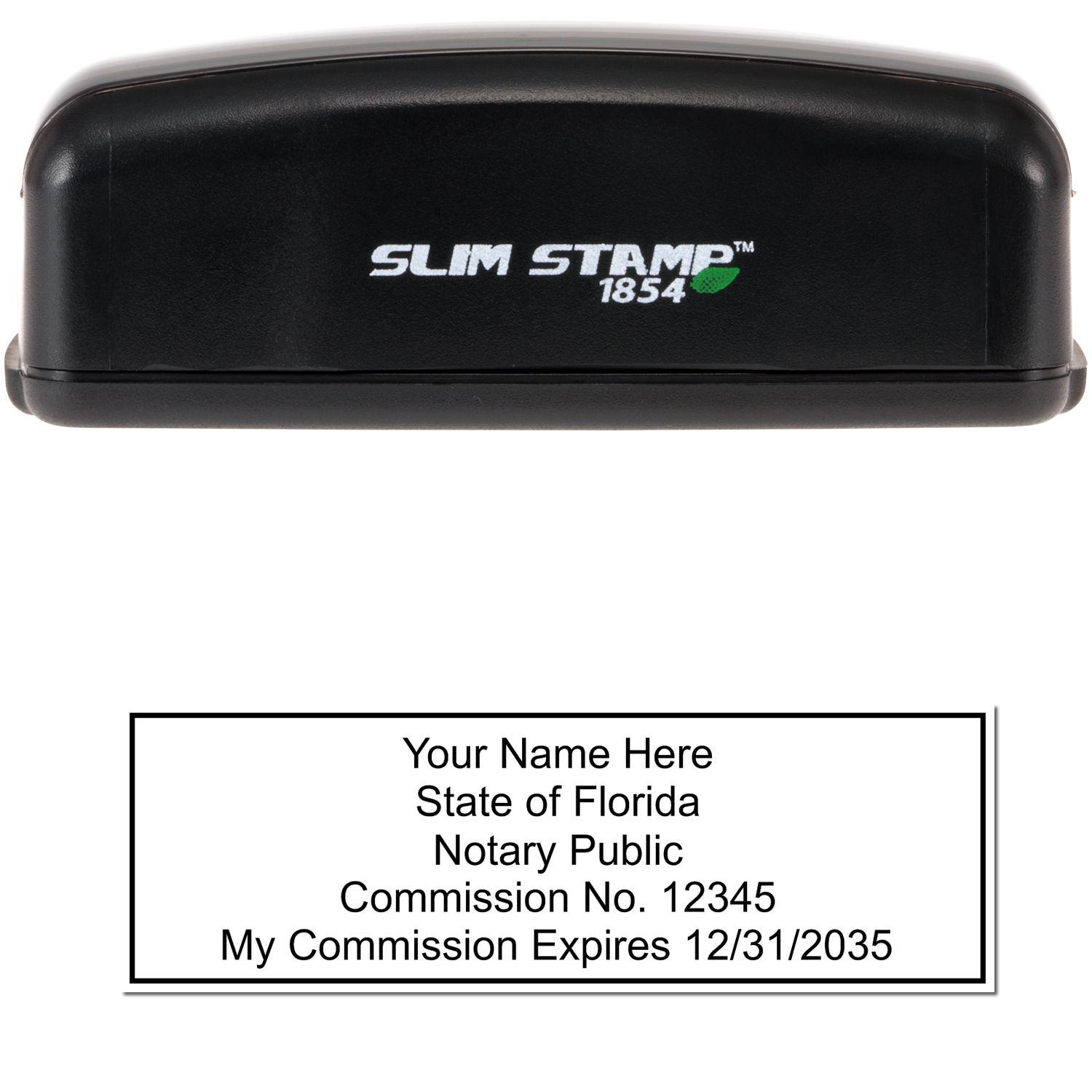
As a Florida notary public, understanding Florida notary seal requirements is one of your core responsibilities. Without the proper seal, you risk invalidating important documents or facing legal repercussions. Below, you will find a helpful guide to what your seal should look like, how to keep it compliant with state regulations, and best practices for consistent notarization. By the end, you will be well-prepared to fulfill your duties and avoid costly mistakes.
Understand Florida Notary Seal Requirements
Florida law requires all commissioned notaries to use a seal when performing official acts. This seal serves as a visible guarantee that you have verified the identity of the signer and followed applicable statutes. Here are the basics you need to know:
- You must use a rubber stamp seal or embosser that is capable of reproducing the required information distinctly and legibly.
- The seal should circle or border the words “Notary Public–State of Florida,” along with your name, commission number, and the commission expiration date.
Using a seal that meets these guidelines establishes your notary acts as valid under Florida law. Ensuring your seal follows these requirements can help you avoid rejected documents and keep your commission in good standing.
Important Details to Include
- Your Exact Name: The name on your seal must match the name on your notary commission certificate. If your name changes, you must update your commission and seal.
- Commission Number: A unique identifier that ties the seal to your official notary records.
- Commission Expiration Date: Let signers and institutions know the validity of your current notary term.
When your stamp or embosser clearly displays this information, it becomes easy for others to verify that your notarization is official.
Explore Key Elements Of The Seal
Beyond the text required by law, there are several design and usage factors that can help you maintain a professional impression. Paying attention to details like color, size, and clarity will keep your seal from appearing cluttered or unreadable.
Ink Color
Florida law does not mandate a specific ink color, but you want to ensure the seal stands out and is easy to scan or photograph. Many notaries prefer black or blue ink for greater clarity on paper documents. Just make sure the color you choose creates a clear impression so details remain sharp.
Size And Layout
Your seal should be large enough to accommodate all critical information without appearing cramped. Most Florida notary stamps have an impression that measures around 1 to 2 inches in diameter. This range ensures your information remains visible but does not overwhelm the space around the signature.
Readability
You are encouraged to select a font style that is legible in both printed and digital formats. Ornate or extra-small typefaces can cause confusion if the seal is photocopied or uploaded online. Focus on clarity. A simple, clean format ensures clients can easily see your name, your commission number, and the words “Notary Public–State of Florida.”
Avoid Common Pitfalls
Even experienced notaries occasionally run into errors regarding their seals. If you are familiar with possible pitfalls, it becomes much easier to avoid them.
Illegible Or Faded Impressions
Over time, stamp ink can dry out, or the embossing plate can weaken, leading to unclear impressions. Make it a habit to test your seal regularly, especially if you do not use it frequently. If you notice fading or partial impressions, change the ink pad or replace your embosser.
Missing Or Incorrect Information
Forgetting to update your seal after a name change or a commission renewal is one of the most frequent mistakes. Always verify your seal’s text against your latest notary commission certificate. If any detail is missing or outdated, order a new seal right away.
Using A Special-Effects Seal
Some notaries mistakenly opt for decorative or stylized seals that do not comply with Florida’s official format. While those have a certain aesthetic appeal, they might not meet legal criteria. Save the creativity for marketing materials and keep your official seal in line with state regulations.
Choose The Right Seal Format
Selecting the right seal format influences how smoothly you can notarize documents. In Florida, you have two main options to consider: a rubber stamp or an embosser.
Rubber Stamp
A rubber stamp is the easiest and most common choice. It clearly imprints all required information and works with many types of ink. By choosing a high-quality stamp, you typically avoid smudges and can produce a crisp impression on any standard document.
- Quick and easy to use
- Creates a legible imprint
- Can be used with different ink colors
Embosser
An embosser creates a raised, tactile imprint on the page. Despite looking more traditional, embossers can be harder to read on photocopies and scans. You are allowed to use an embosser in Florida, but only if it meets the basic requirements:
- Clearly displays “Notary Public–State of Florida,” your name, commission number, and expiration date.
- Produces a raised impression that remains legible on copies.
Many Florida notaries keep both a rubber stamp and an embosser on hand to accommodate various client preferences.
Partner With A Trusted Supplier
Choosing a seal provider is a critical step. You want to ensure your seal meets every legal obligation and does not require constant reordering due to low quality. At Acorn Stamps, we specialize in Florida notary stamps and Florida notary seals you can rely on.
- Top supplier of notary seals across the state.
- Family owned and operated since 1964, with over 60 years of experience.
- Stellar customer service and super-fast turnaround.
Our priority at Acorn Stamps is to help you perform your duties confidently and efficiently. By selecting a reputable supplier, you reduce the risk of formatting errors and outdated designs. You also gain peace of mind knowing you can reorder quickly if you ever need an updated stamp.
Stay Organized For A Smooth Notarization
Once you have a properly formatted seal in hand, keep it secure and maintain accurate records. Although Florida does not legally require a notary journal, many notaries in the state still use one to protect themselves from liability issues. Carefully tracking each notarial act helps confirm you followed all necessary steps and used your seal correctly.
Tips For Organized Record-Keeping
- Note The Document Type: Make a quick note of each paper or transaction you notarized.
- List Signer’s Information: Jot down who signed, along with their identification type.
- Record The Date And Time: This can clarify timeline disputes if they arise.
- Document The Fee: If you charged for your notary services, record how much.
Staying organized is not just about compliance, but also about ensuring your peace of mind. Should a question arise about your notarizations, records help prove you acted responsibly and followed Florida rules.
Frequently Asked Questions
Do I Need To Purchase A New Seal If My Name Changes?
Yes. If you change your legal name, Florida law requires updating your notary commission and seal to reflect the change. Make sure all published details on your seal match your commission certificate exactly.
Is An Embosser Alone Enough For Florida Notaries?
Technically, you can use an embosser as your only seal. However, you should ensure that your embosser meets all legally required elements and produces a readable impression. Because some embossers may not appear as clearly on scans, many notaries prefer a rubber stamp or keep both on hand.
When Does My Florida Notary Seal Expire?
The seal does not expire on its own, but it will display your commission’s expiration date. Once you renew your commission, you need a seal that indicates the new commission term. Outdated information on your seal can invalidate notarized documents.
Can I Use Novelty Stamps For My Seal?
No. You must stick to designs that follow Florida notary seal requirements (name, commission number, expiration date, and the words “Notary Public–State of Florida”). Decorative or stylized seals may not fulfill these standards and can create complications for you and your clients.
Where Should I Store My Notary Seal?
Always keep your seal in a secure place, such as a locked drawer or case, away from unauthorized users. While you should have convenient access when you need it, limiting access prevents misuse or fraudulent notarizations performed under your name.
By following the outlined requirements, selecting the right stamp or embosser, and storing your seal securely, you will stay on the right side of Florida notary regulations. Remember, your seal is more than a stamped impression on a page. It represents your professional commitment to authenticating documents and upholding public trust throughout the state.
When you are looking for a fresh commission seal or updating your existing one, Acorn Stamps is here to guide you. With our decades of experience, fast turnaround, and family-oriented approach, you can keep your notary practice running smoothly and focus on what matters most—serving the public with confidence.