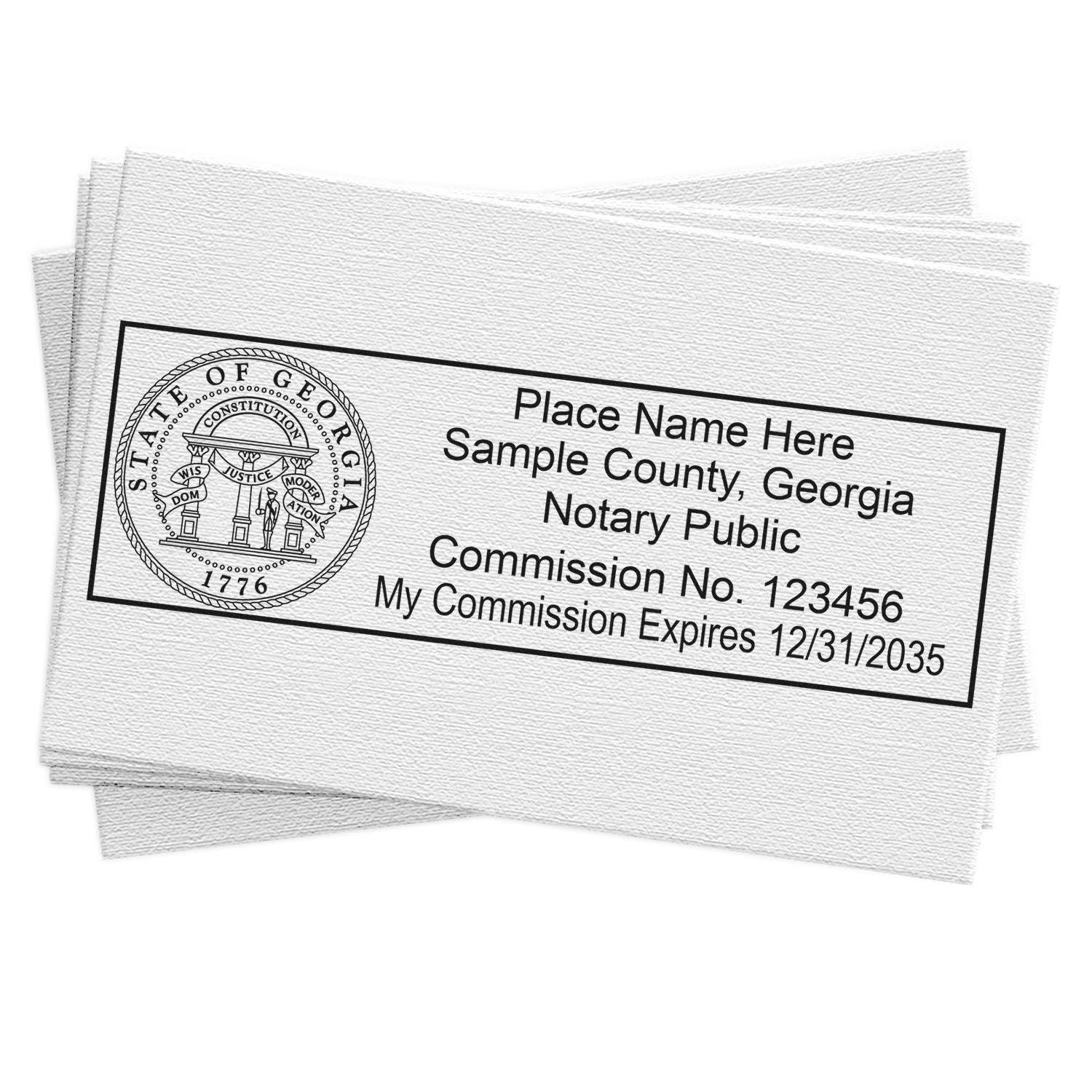
Understand GA Notary Stamp And Seal
If you’re a notary public in Georgia, you already know how important accuracy and professionalism are in every document you sign. But if you’re just getting started or looking to upgrade your existing supplies, the GA notary stamp and seal might feel like a complicated world to navigate. Learning more about the requirements, different product types, and best practices will help you make the right decisions for your notarial duties. In this guide, you’ll discover the ins and outs of choosing, using, and caring for a Georgia notary stamp and seal to ensure your work remains polished and compliant.
The Role of a Georgia Notary
Before diving into the specifics of the stamp and seal, it helps to understand your broader purpose as a Georgia notary. You serve as an impartial witness to important legal transactions, verifying identities and ensuring parties sign documents willingly and knowingly. Whether you’re officiating a property transfer or authenticating a power of attorney, your stamp or seal represents both your legal authority and your commitment to protecting the public from fraud.
Why a Stamp And Seal Are Crucial
You might wonder: is a stamp really that important? The short answer is yes. Your GA notary stamp and seal are not mere accessories. In Georgia, an official mark on a notarized document states that you have followed all proper procedures, that the signer’s identity was verified, and that the contents of the document were acknowledged. If your mark is missing or invalid, you risk legal complications and a potential challenge to the document’s authenticity. By having the right notary stamp and seal, you reinforce the legitimacy of every transaction you witness.
Know The Legal Requirements
While the role of the notary is universal in many respects, each state imposes unique requirements regarding stamps, seals, and the manner in which notarization must occur. In Georgia, you’ll want to stay on top of these specific regulations to avoid mistakes or delays.
Georgia-Specific Regulations
In Georgia, notaries must use an official seal or stamp on any notarized document. The seal usually includes your name, the words “Notary Public,” your county of appointment, and the state name “Georgia.” The exact design can vary based on personal preference and vendor offerings, but it has to be clearly visible and legible on all documents. Many notaries opt to include an expiration date or commission details for added clarity. Although Georgia does not mandate the use of an ink stamp only (some notaries use embossers), an ink-based seal ensures your mark is easily photocopied or scanned.
Authorized Placement And Use
Placing your GA notary stamp and seal in the correct spot is as important as what it looks like. Typically, you’ll place the stamp or seal near your signature on the certificate or jurat portion of the document. You need to ensure the impression is clear and fully within the page’s margins, avoiding text or critical content. If you accidentally overlap essential wording, the document could be rejected. Focusing on good placement habits from the start helps maintain a clean, professional appearance.
Explore The Different Options
Deciding which type of notary stamp or seal to buy can be overwhelming. Your choice should fit smoothly into the kind of notarial work you do: whether you’re mobile and need convenience, or you work from an office and demand durability over everything else.
Traditional Wooden Stamps
Traditional wooden stamps require a separate ink pad and can last for decades with proper care. They lend a classic look and can be a great choice if you’re aiming for that vintage feel on documents. However, they may be less convenient for travel since you’ll have to remember to bring your separate ink pad and ensure it’s not dried out.
Pre-Inked And Self-Inking Stamps
To simplify your notarial process, you can go with either pre-inked or self-inking stamps. Both are compact, which makes them easy to transport if you’re meeting clients in various locations.
- Pre-Inked Stamps: The ink is housed in the stamp itself, offering crisp impressions. You’ll find they’re quieter to use compared to self-inking stamps because you don’t have that mechanical clicking sound.
- Self-Inking Stamps: These rely on a self-contained ink pad inside the stamp body. Each time you press down, the die flips onto the pad before marking the paper. This design tends to be slightly louder, but re-inking or replacing the pad is usually simple.
Embossing Seal vs. Rubber Stamp
Although Georgia notaries most commonly use ink-based stamps, you can also choose an embossing seal. This raised impression can add an extra sense of prestige to official documents. Keep in mind, however, that embossed marks can be harder to photocopy. If your clients or state offices frequently scan and reprint forms, a rubber ink stamp will produce a more consistent and scannable image. Ultimately, decide which method best aligns with the nature of your notarial work and your clientele’s needs.
Choose The Right Provider
After figuring out which type of GA notary stamp and seal is best for your workflow, the next step is choosing where to purchase it. Not all suppliers are created equal, so it pays to do a bit of research.
Beyond The Price Tag
It’s tempting to buy the cheapest option available, but consider longevity, clarity of the impression, and customer support. Lower-quality stamps may produce blurry markings or wear down faster, costing you more in the long run. Make sure any vendor you select offers products specifically designed to meet Georgia’s notarial rules, so you won’t have to worry about non-compliant stamps. Also, confirm they have a solid return or replacement policy in case you receive a defective product.
How Acorn Stamps Stands Out
When you’re shopping for your GA notary stamp and seal, consider a trusted family-owned business like Acorn Stamps. With 60 years of dedicated service since 1964, Acorn Stamps has established a reputation for high-quality notary supplies and stellar customer service. Being family operated, they take pride in providing a personal touch to every order. Here’s what sets them apart:
- Top supplier of Georgia notary stamps and seals
- Super fast turnaround times and dependable shipping
- Personalized assistance to ensure your stamp meets Georgia’s requirements
- A track record of reliability spanning over six decades
Work with a provider that values accuracy, ease, and affordability. This ensures you can focus on your notarial responsibilities instead of worrying about your supplies.
Care And Maintenance Guidelines
Once you have your GA notary stamp and seal in hand, it’s up to you to ensure they stay in peak condition. Properly maintained tools will help you avoid streaky or unclear impressions, which can invalidate your documents.
Storage Tips
Where you store your notary supplies matters. Keep your stamp or embosser in a clean, dry location away from direct sunlight. Moisture and heat can degrade the rubber or the internal ink supply, cutting the lifespan of your stamp short. If you use a wooden handle stamp, make sure the ink pad is also stored properly with its lid tightly capped to prevent evaporation.
Ink And Replacement
All stamps lose ink eventually, but proper refilling or pad replacement can extend their life significantly.
- Pre-Inked Stamps: These are often refilled by removing a small cap on the stamp body and adding ink. Always use the manufacturer-recommended ink to avoid smudges or inconsistent impressions.
- Self-Inking Stamps: Replace or re-ink the internal pad every few thousand impressions. Watch out for any sudden drop in clarity or partial stamping. That’s a sign your ink pad is running low.
- Embossers: Regularly check the die and clip for any signs of wear or misalignment. Gentle cleaning helps remove debris that might affect the raised imprint.
By following the recommended care tips, you’ll get the most out of your GA notary stamp and seal, ensuring clarity and professionalism each time you notarize.
Frequently Asked Questions
Do I Need A Separate Notary Stamp And Embosser For Georgia?
You’re not required to use both. An ink-based stamp (self-inking, pre-inked, or rubber stamp with a separate pad) is typically sufficient for Georgia notarial acts. An embosser can be an optional addition if you’d like added formality or if certain documents request it, but it’s not mandatory.
What Information Must My GA Notary Stamp Include?
At minimum, your stamp or seal should include your name, the state name (Georgia), and the words “Notary Public.” Many Georgia notaries also opt to include their county of commission and expiration date to make it even more clear and professional.
Can I Use A Notary Stamp From Another State?
No. If you hold a Georgia notary commission, your stamp has to meet the requirements set forth by the state of Georgia. Bringing in a stamp that’s been customized for another state or jurisdiction can cause confusion or lead to invalid documents.
How Soon Can I Execute Notarizations With My New Stamp?
You can begin using your GA notary stamp and seal as soon as you receive your commission paperwork and have obtained your official supplies. Make sure you’ve signed your certificate of appointment if required, and follow all local guidelines on handling official documents.
Where Can I Buy Quality Georgia Notary Supplies?
While several online and physical stores carry notary products, Acorn Stamps stands out for exceptional quality and personalized customer service. This family-owned company has been serving notaries for over 60 years, providing fast turnaround times and meticulously crafted stamps and seals that consistently meet Georgia’s legal standards.
By leveraging the proper GA notary stamp and seal, you solidify your authority, maintain compliance with Georgia law, and make every notarized document look professional. When you combine these robust supplies with diligent care and precise execution, you’ll be well on your way to a rewarding and successful notarial practice.