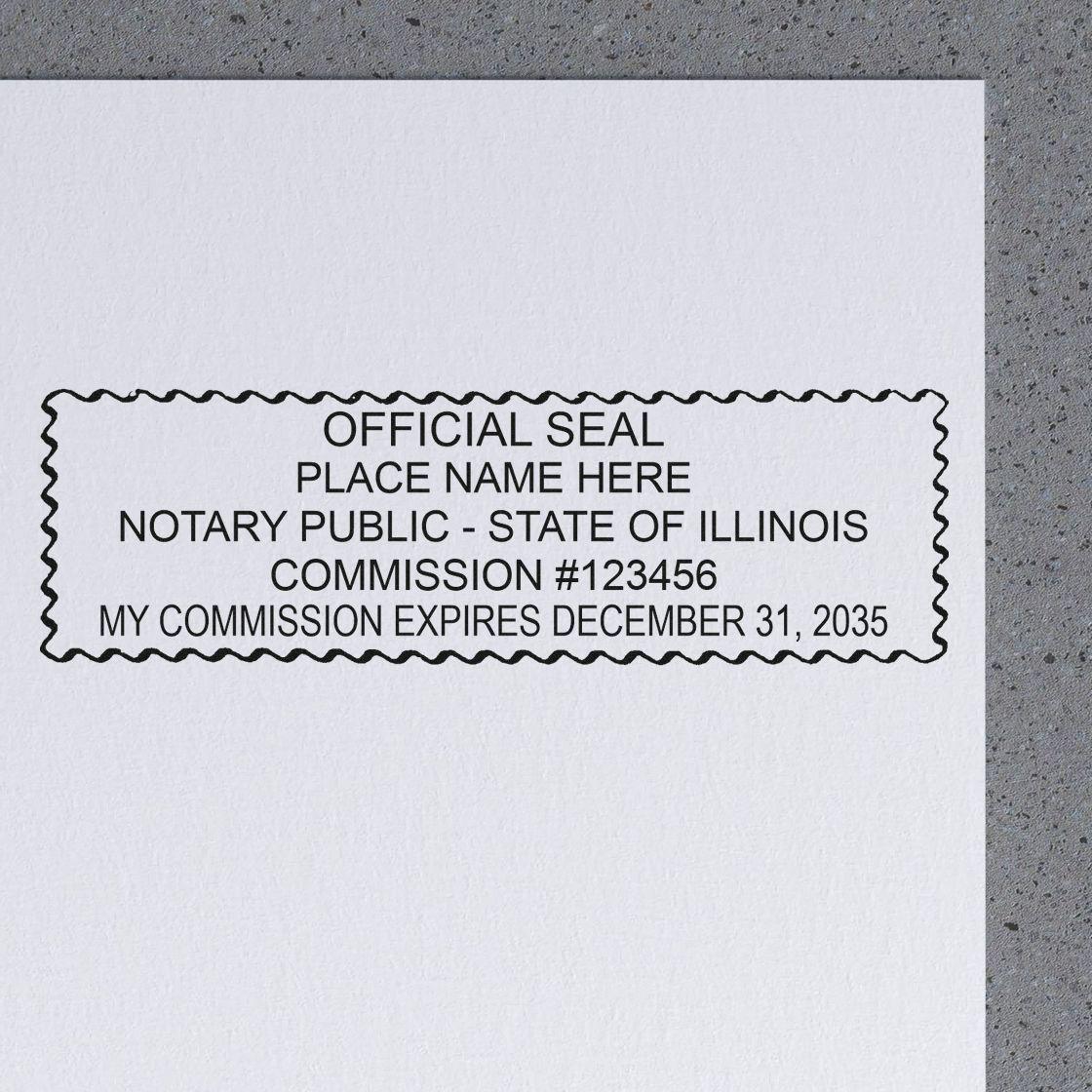
You know how important a proper Illinois notary seal can be for your notarial acts, but with so many options and requirements to navigate, finding the right seal may feel overwhelming. By understanding state regulations, selecting a quality design, and working with a reliable supplier, you ensure your notarial impression is professional and meets every legal standard. Below, you will find practical tips to guide you on this essential journey, along with helpful insights on caring for your seal and improving your overall notary practice.
Understand the Importance of an Illinois Notary Seal
A notary seal is more than just a stamp or embossed emblem. It plays a crucial role in authenticating your notarized documents. By providing proof of your authority, an Illinois notary seal validates that you have followed proper procedure and are commissioned to perform notarial acts within the state. In many cases, a document lacking the correct seal may be rejected or deemed incomplete by legal or financial institutions.
Why the Seal Matters
- Legitimacy: Government agencies, courts, and businesses rely on the notary seal as formal verification that a notary public witnessed and validated the transaction.
- Professionalism: Your seal represents your commitment as a notary public. The quality, clarity, and consistency of your seal can communicate to clients that you handle every task with care.
- Personal Accountability: By applying your seal, you confirm that the information included is correct and that you have adhered to Illinois regulations.
Key Features of a Valid Seal
- Correct Layout: Illinois typically requires the notary’s name, the words “Notary Public,” and “State of Illinois.”
- Readable Text: Make sure your seal’s text is legible, so anyone handling the document can easily make out every letter.
- Consistent Application: Every impression should look the same. Crooked or inconsistent stamping could raise doubt about the authenticity of the document.
Comply With Illinois Regulations
While an Illinois notary seal is your official marker, it must meet certain legal requirements. You need to confirm that your notary seal closely follows the guidelines set by the Illinois Secretary of State. These guidelines specify how your name should appear, the exact wording required, and the overall format to maintain consistency across all notarial seal uses in the state.
Required Information
Illinois law generally requires your seal to include:
- Your exact name as it appears on your notary commission.
- The phrase “Notary Public, State of Illinois.”
- Any other text or image mandated by the state, such as your commission expiration date.
Staying up to date on these requirements is critical. Even small changes, such as a newly required phrase or design element, could invalidate your existing seal. Always check with official state resources for any regulatory updates that affect your seal’s design.
Format and Design
Modern notaries have many format choices. Some seals resemble traditional stamps, others use a round or rectangular design, and you can opt for self-inking or pre-inked versions. Whatever style you choose, be sure the words are in the correct order and that the overall appearance adheres to Illinois’s legal standard. Avoid cramming extra text or using fancy fonts that may compromise clarity. The seal must be crisp, clear, and easy to read on any size document.
Decide Between Stamp Or Embossed Seal
If you are new to notarial work or simply looking to upgrade your equipment, you have two main options for an Illinois notary seal: the classic stamp or a raised-embossed impression. Each choice has pros and cons depending on your personal preferences and what types of documents you regularly notarize.
Pros and Cons of a Stamp
- Convenience: Using a notary stamp is usually faster. You simply press it onto the paper, and you’re done.
- Easy to Store: Stamps are compact and can be kept in a bag, desk drawer, or briefcase without needing special protection.
- Less Authenticity Concerns: Stamps can be more easily duplicated, though a reputable supplier will use secure manufacturing techniques to reduce the risk.
Despite the simplicity of a stamp, always ensure the impression carries clear text. A faded or partially inked seal might not be accepted by some institutions.
Benefits of an Embossed Seal
- Professional Look: Embossed seals leave a raised imprint that feels official and traditional.
- Harder to Replicate: Imitating an embossed impression can be more difficult, which may offer an added layer of security for your documents.
- Aesthetic Appeal: The raised effect stands out, which many signers appreciate when they see important documents.
Embossed seals do require more force to create a clear impression, so be sure your hand strength is sufficient if you plan on using one frequently. Storing the embosser in a protective case also helps it stay clean and prevents accidental damage to the embossing plates.
Shop Smart For Your Illinois Notary Seal
As you look for notary supplies, it is vital to find a supplier that specializes in Illinois notary seals. You want high-quality materials made according to Illinois law. By shopping with an experienced provider, you reduce the risk of running into compliance issues and enjoy a smoother ordering process. While you might find cheaper or generic options online, they may fail to fulfill legal standards or might not last as long as a seal tailored to Illinois requirements.
Compare Reliable Suppliers
Because your notary seal must meet state regulations, you should opt for companies known for their notary expertise. When comparing suppliers:
- Read Customer Reviews: Watch for comments from other Illinois notaries, as they often give hints about product reliability or shipping speed.
- Check Customization Options: If you want a personalized seal with your name, commission details, or an expiration date, confirm that the company can accommodate it.
- Look for Illinois-Specific Knowledge: Suppliers that routinely serve notaries in your state are more likely to understand the latest legal guidelines and design formats.
Tips for Identifying Quality
Quality notary seals typically come from businesses that scout durable plastics, high-grade metals, and fade-resistant ink. If going with a self-inking stamp, look for one that provides sharp imprints for thousands of uses. Meanwhile, if you prefer an embosser, be sure the handle and plates can withstand repeated pressing without warping.
Small features like a snug-fitting dust cover for a stamp, or a sturdy case for an embosser, also reflect a commitment to quality. While it may seem like a minor detail, these protective accessories can extend the life of your seal significantly.
Maintain and Replace Your Seal
A notary seal is an investment that you rely on every time you witness or authenticate a signature. With proper maintenance and timely replacement, your seal can stay in excellent working condition throughout your commission.
Proper Storage
To preserve the clarity of your Illinois notary seal, always keep stamps in a cool, dry place. Extreme heat or moisture can damage their ink pads and reduce the sharpness of the imprint. If you choose an embosser, be sure to store it upright in a protective box. This keeps lint, dust, and debris away from the plates and helps prevent any accidental bending of the mechanism.You might also consider these suggestions to protect your seal equipment:
- Clean the edges: Wipe away any lingering ink or paper residue after each use.
- Avoid direct sunlight: Prolonged exposure can cause certain inks to dry or fade prematurely.
- Keep them secure: Since your seal is a powerful legal tool, store it in a locked drawer or case to prevent unauthorized use.
When to Order a Replacement
A well-made Illinois notary seal can last for years, but its lifespan depends on frequency of use, overall care, and environmental factors. Here are signs you might need a new seal:
- Fading Ink: Stamps producing a light or patchy impression.
- Worn Embossing Plates: Embossers no longer leave a crisp, raised design.
- Changes to Commission Details: A name change, new expiration date, or adjusted license status requires an updated seal.
If you notice gradual decline in the clarity of your imprint, ordering a replacement early helps prevent a last-minute scramble when your stamp or embosser suddenly becomes unusable.
Get Support From Acorn Stamps
When choosing a seal provider, you want someone who knows the ins and outs of Illinois notary laws, offers reliable products, and backs up every purchase with genuine care. Acorn Stamps stands out as a top supplier of Illinois notary stamps and seals, specializing in delivering the highest levels of service and quality. You can count on straightforward shipping times and knowledgeable assistance with any questions about the ordering process or seal design.
Family-Owned and Operated
Acorn Stamps has been family-owned and operated since 1964, which adds up to 60 years of commitment to superior customer service. Because they have deep roots in the stamp and seal industry, you know they have refined their craft over generations. Whether you are new to notarial work or a seasoned pro, Acorn Stamps can walk you step by step through finding a seal that meets Illinois standards and stays within your budget.
Super Fast Turnaround
Speed matters when you need a new or replacement Illinois notary seal quickly. Acorn Stamps is known for rapid order fulfillment without sacrificing product quality. The last thing you want is to hold up a contract signing or real estate closing because your new seal is stuck in shipping delays. From carefully reviewing your submission to double-checking that the final product is accurate, their system is designed to get your seal to you as soon as possible.
Frequently Asked Questions
Do I need to include my commission expiration date on my Illinois notary seal?
Yes. Illinois generally requires you to display your commission’s expiration date. Verify the exact mandated wording with official state resources, since regulations can evolve. Having the correct end date on your seal shows that you’re actively commissioned.
When is a separate stamp or seal impression not sufficient for notarizing documents?
It depends on the document type and jurisdiction. Some documents might call for both a seal and your signature in specific places, while others may simply accept the seal. Always review the requirements of the party receiving the notarized document to confirm you’re following the exact process they need.
How can I keep my stamp’s ink fresh for a longer period?
Storing it correctly is key. Keep the stamp in a cool, dry place, away from direct sunlight. Clean any ink buildup around the edges and replace the ink cartridge or re-ink the pad according to the manufacturer’s instructions. If you notice lighter imprints, it may be time for a refill or replacement.
What if my embossed seal doesn’t leave a clear, raised design?
Ensure you apply enough pressure and that the embossing plates are free from debris. Also check the alignment of the plates, as any misalignment can result in partial or weak impressions. If these steps fail, you may need to have the embosser serviced or replaced to maintain professional-quality markings.
Can I use an old or inherited notary embosser if I’m newly commissioned?
You generally cannot. Your seal must display accurate information for your current commission, name, and expiration date in Illinois. Using a seal with someone else’s details or out-of-date information can lead to invalid notarizations. Always obtain a new or updated seal that fully complies with state guidelines.
By choosing a reputable supplier, following Illinois guidelines, and properly caring for your seal, you can confidently notarize documents while upholding the highest standards of professionalism. Whether you prefer a traditional embosser or an easy-to-use stamp, your Illinois notary seal stands as a crucial part of every notarization.