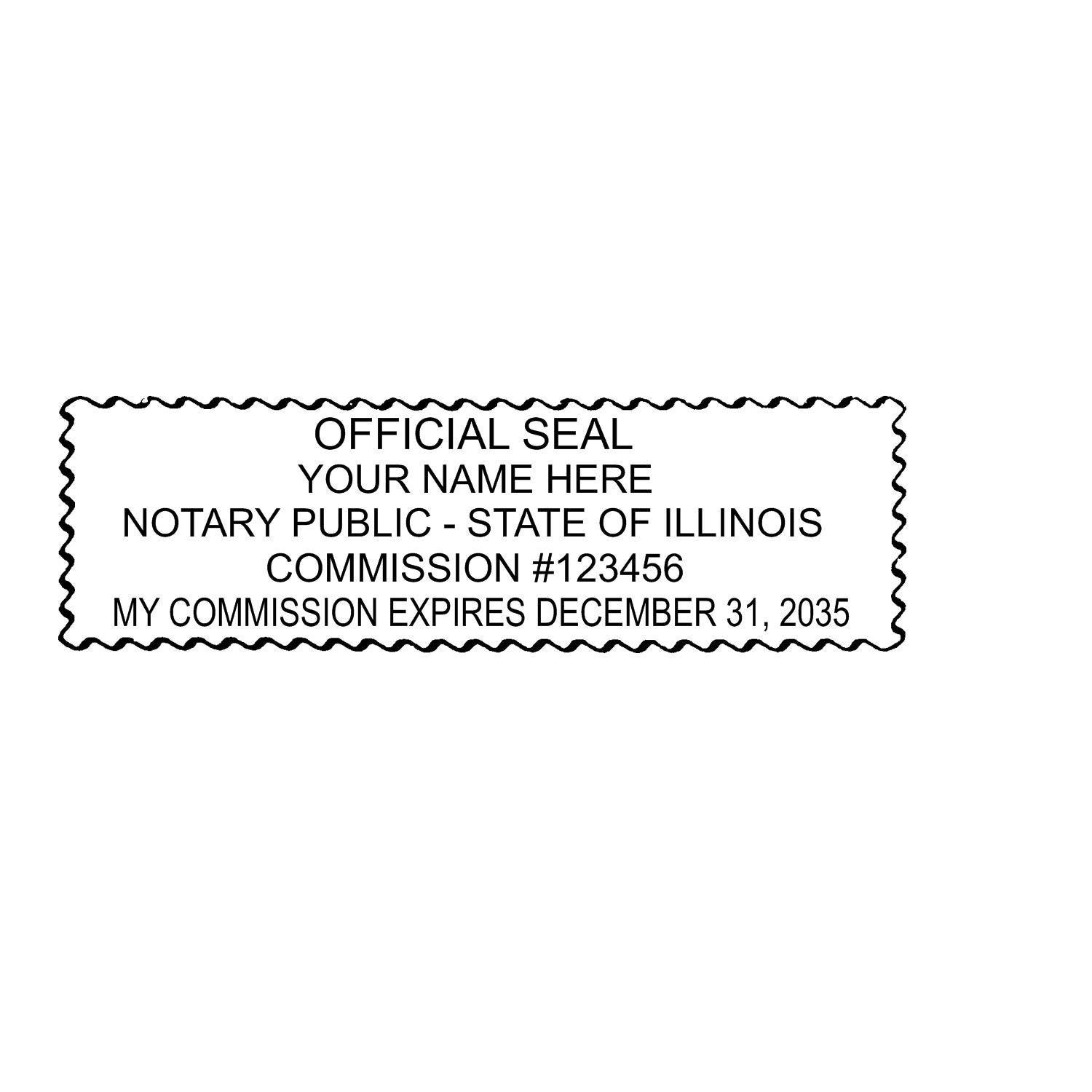
When you first receive your commission, choosing the right Illinois notary public stamp can feel like an overwhelming task. You want a stamp that not only meets the State of Illinois requirements, but also suits your professional style and day-to-day tasks. After all, a reliable stamp is an essential tool for validating official documents and maintaining the trust that comes with your notary role. In this article, you will discover practical tips to help you select a stamp that aligns with Illinois guidelines, offers lasting performance, and reflects your personal preferences. Read on to learn how to make an informed choice that ensures both compliance and convenience for your notarial duties.
Understand State Requirements
Before you begin browsing for your Illinois notary public stamp, familiarize yourself with the basic guidelines and regulations set by the State of Illinois. Specific rules often include the required elements that must appear on the stamp, acceptable design formats, and any restrictions on size or shape. While the state may not dictate every detail, you should always meet or exceed the standards to guarantee official acceptance of your notarizations.
Check Mandatory Elements
- Commissioned Name: The stamp must display your legal name as it appears on your notary commission.
- Commission Expiration: Illinois often requires a clear reference to the date your commission ends.
- “Notary Public – State of Illinois”: Ensure that the stamp includes the necessary text identifying the state and your role.
- Legibility: Every letter, number, and date should be easy to read to avoid confusion during official document verification.
Why Compliance Matters
Following state rules helps you avoid legal complications and prevents your documents from being rejected. Even small oversights—like an incomplete or partially visible date—can cause major headaches, delays, or even conflicts of interest down the line. By sticking to the regulations from day one, you maintain credibility and protect the integrity of the documents you notarize.
Compare Stamp Styles
Once you understand the legal basics, you can explore the wide variety of stamp styles available for your Illinois notary public stamp. Though all stamps serve the same core function—providing a clear mark on a document—they differ in operation, ink distribution, and portability. Selecting the format that best fits your workflow can save you time and frustration.
Self-Inking Stamps
Self-inking stamps house an internal ink pad that re-inks the surface with every impression. This is a popular choice because:
- They quickly re-ink, providing consistent impressions without manually reapplying ink.
- They are relatively compact compared to separate ink-pad-and-stamp setups.
- They minimize ink mess, making them a neat option for busy professionals.
Pre-Inked Stamps
Pre-inked models contain ink within the stamping surface itself, often producing a crisp, high-quality impression. You might benefit from this style if:
- You want consistently sharp images and precise lines.
- You prefer a quieter stamping process—pre-inked options typically produce less noise than self-inking versions.
- You are willing to spend a bit more for the advantage of smoother operation.
Traditional Rubber Stamps
Although less common for notary work nowadays, traditional rubber stamps with separate ink pads still exist. They can be cost-effective initially, but:
- They require additional steps—like manually inking the stamp—for each impression.
- They are more prone to ink smudges if you are in a hurry.
- They can be bulky if you need to carry the stamp and ink pad for mobile services.
Choose The Right Ink Colors
After considering your stamp style, think about ink colors. The color can influence the legibility and overall appearance of your imprint. Although black is most commonly used, some professionals prefer alternative options based on their personal branding or document requirements.
Standard Black Ink
Black is a smart default because it is universally accepted for official documents and photocopies clearly. If you are unsure which color is best, you can rarely go wrong with standard black.
Blue Ink
Blue ink can help distinguish original documents from photocopies—an advantage when verifying authenticity. Some offices or clients appreciate the visual difference, so it might be worth considering if you want a slightly more noticeable imprint.
Other Color Options
Occasionally, you might see green, purple, or red notary stamps. While these can stand out, first check whether they are acceptable for official documents in Illinois. Some institutions prefer only black or blue to keep everything uniform and simple to verify.
Look For Quality And Durability
Since your notary commission can last for several years before renewal, you want a stamp that will stay in top shape throughout that period. Choosing a durable product not only saves you money in the long run but also ensures consistent impressions.
Materials And Construction
- Solid Plastic or Metal Housing: Heavier materials lend stability and longevity. Plastic is lightweight and cost-effective, while metal frames can handle heavier workloads.
- Engraved vs. Laser-Cut Dies: Laser-cut dies usually provide sharper, cleaner edges, and they can be more durable than older engraving methods.
- Quality Ink Pads: When purchasing self-inking or pre-inked stamps, ensure the ink pad or reservoir matches top standards for consistent text clarity.
Performance Under Frequent Use
You may notarize dozens of documents a week, depending on your field. A flimsy stamp might degrade quickly, causing smudges or uneven impressions that reflect poorly on your professionalism. Look for customer reviews or product descriptions that mention the average lifespan or recommended frequency of use. That extra research can ensure you invest wisely.
Personalize Your Notary Stamp
As an Illinois notary public, you can usually personalize certain elements of your stamp beyond the mandatory text. While remaining compliant, you might add subtle design choices that make your stamp distinctive and reduce the likelihood of confusion with another notary’s seal.
Adding Your Personal Touch
- Font Style: Select a professional yet eye-catching typeface that aligns with your brand or personal preference. Just make sure it stays legible.
- Stamp Shape: Rectangular models are common, but some notaries opt for round or oval shapes when permissible.
- Border or Frame: A clean border can enhance the clarity of your imprint. Make sure the border doesn’t obscure required text.
Stand Out While Staying Official
Personalization can help you build a consistent professional image that clients appreciate. Just double-check you are not removing or overshadowing any legally required information. A small yet tasteful design twist can make your stamp both compliant and memorable.
Consider Convenience And Portability
Many Illinois notaries offer mobile services, traveling to clients’ homes, offices, and sometimes hospitals or government buildings. You might also balance your notary duties with other workplace responsibilities, which means convenience is a big consideration in your stamp choice.
Size And Weight
If you often work on the go, select a compact, lightweight stamp. Self-inking or pre-inked models usually fit in a briefcase without too much added bulk. Look at the product dimensions to ensure it fits the bag or pouch you typically carry.
Ease Of Use
A notary stamp should be simple to operate. If your role involves back-to-back notarizations, a reliable, swift stamp action can keep your workflow smooth. A fiddly design might slow you down or result in incomplete impressions, so test your preferred model if possible or read reviews before buying.
Storing Extra Supplies
It is wise to keep a backup ink supply or even a second stamp on hand in case you run out of ink unexpectedly. Consider how easily you can pack these extras along with your primary stamp. Maintaining a streamlined notary kit—stamp, additional ink, small cloth for cleaning—ensures you always look prepared and professional wherever you go.
Rely On A Trusted Supplier
Where you purchase your Illinois notary public stamp can dramatically affect quality, turnaround time, and customer service. Because your stamp is a key part of your professional toolkit, you want a supplier with a solid reputation who stands behind their products. That’s where Acorn Stamps comes in.
Why Choose Acorn Stamps
- Top Supplier Of Illinois Notary Stamps: Specializing in state-specific notary seals, Acorn Stamps has an extensive understanding of Illinois guidelines.
- Stellar Customer Service: Their friendly team answers questions and offers guidance, ensuring you select the best possible stamp or seal.
- Super Fast Turnaround: Tight deadlines are no problem. Acorn Stamps prides itself on quick processing and shipping, so you can start using your new stamp ASAP.
- Family Owned Since 1964: With 60 years of service under their belt, they bring reliable expertise and genuine values to every order.
Making The Final Decision
When you purchase from a trusted supplier, you set yourself up for ongoing support throughout your commission. Whether it is ordering a replacement ink pad or clarifying stamp regulations, excellent customer care can be invaluable to your success as an Illinois notary public. After you settle on style, ink color, and any custom design features, make sure you rely on a company that knows the notary industry inside and out.
FAQs
Below are five frequently asked questions to guide you through the final details and ensure you are fully prepared for your notary responsibilities.
Do I Need To Use A Particular Stamp Shape In Illinois?
You have some flexibility regarding shape as long as all mandatory text is present and legible. Round, rectangular, and oval options are generally acceptable, but double-check with the latest Illinois notary guidelines if you are unsure.
What Is The Difference Between Self-Inking And Pre-Inked Stamps?
Self-inking stamps have an internal pad that re-inks the stamp face after each impression, while pre-inked stamps saturate the stamping surface with ink from within. Both styles offer convenience. Self-inking may be more affordable and produce slightly bolder impressions on standard paper. Pre-inked stamps can deliver exceptionally crisp marks, often without the need to press as firmly.
Can I Use Colored Ink Other Than Black Or Blue?
While black ink is standard and widely accepted, you might consider blue for easy identification of original documents. Some states and institutions restrict or discourage alternative colors. In Illinois, you generally want to stick with black or blue unless you are absolutely certain an institution allows a different hue.
How Long Do Most Notary Stamps Last?
That depends on the stamp type, frequency of use, and overall care. Many notary stamps can stay usable for thousands of impressions. Self-inking and pre-inked varieties often last for several months—even years—before the ink pad or cartridge needs replacing. Choose a reputable brand and keep spare ink on hand to avoid downtime.
What Happens If My Stamp’s Print Fades Over Time?
A fading impression is a sign that your stamp may need a new ink pad or cartridge. If you are using a pre-inked stamp, you might need to add ink or replace certain components. Always test your stamp before each signing to make sure it is producing sharp and legible marks. Keeping backup supplies or a second stamp ensures you are never caught off-guard.
Selecting the perfect Illinois notary public stamp plays an essential role in your day-to-day work as a notary. By understanding state mandates, comparing stamp styles, choosing the right ink color, prioritizing durability, and personalizing your seal within regulatory guidelines, you will be well on your way to a seamless and professional notarization process. Partnering with a reliable supplier—such as Acorn Stamps—for your notary tools further guarantees that your stamp meets official requirements and stands the test of time. Take a moment to review these tips, compare the available options, and feel confident knowing you are making an informed choice for your notary career.