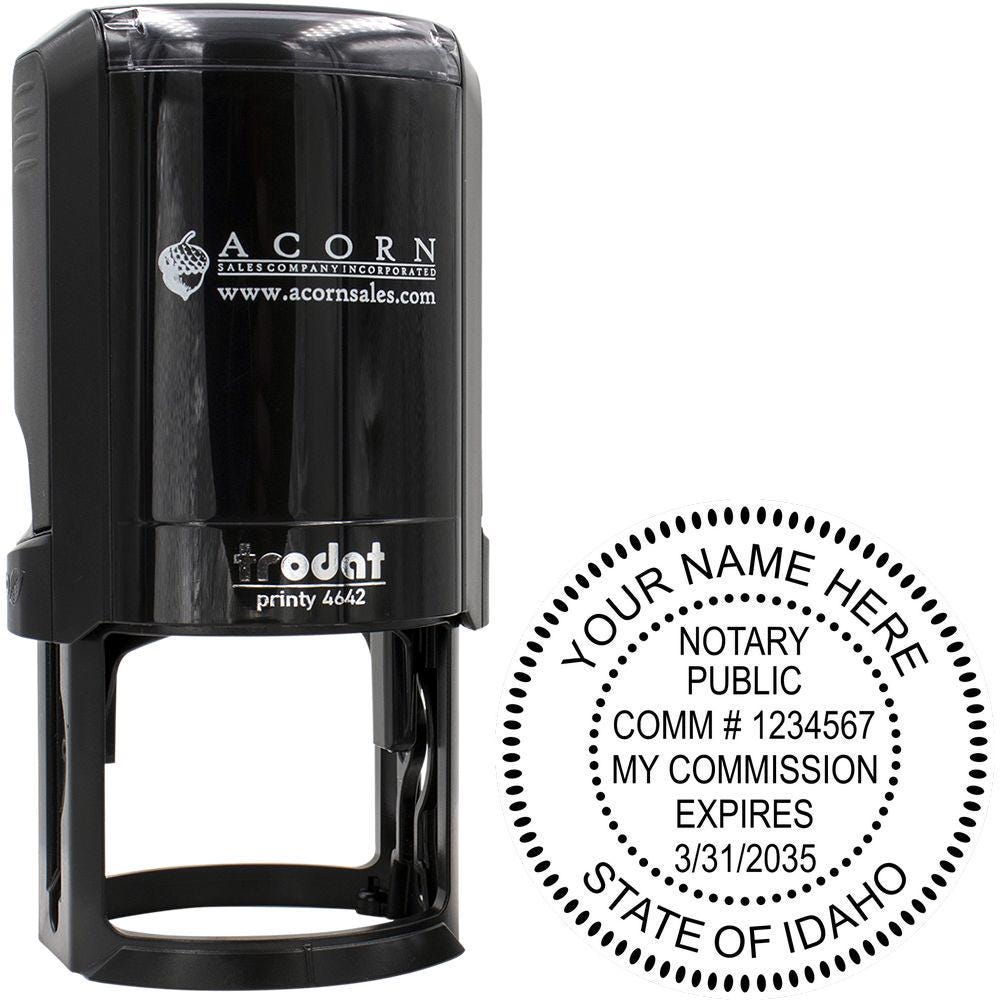
Understand the Importance of an ID Notary Stamp and Seal
When you serve as a notary public in Idaho, your ID notary stamp and seal quickly become two of your most essential tools. They ensure the authenticity of your notarized documents, reinforce your professional reputation, and help you comply with state requirements. More than just a formality, these items are also key to boosting your efficiency and credibility every time you notarize important contracts or affidavits. Whether you are new to the notary world or simply looking to refine your process, understanding how your stamp and seal work can save you from unnecessary hassles in the long run.
In this guide, you will gain insight into Idaho’s notary regulations, discover how stamps and seals protect your clients, and pick up useful tips for keeping these tools in prime condition. You will also find best practices for selecting both an effective stamp kit and a dependable supplier who can support you throughout your commission. Wherever you are in your notary journey, this friendly and informative resource will help you make the most of your notary stamp and seal.
Know Idaho Notary Requirements
Before you purchase or upgrade your notary supplies, it helps to clarify your responsibilities under Idaho law. As an Idaho notary public, you follow guidelines that dictate how you should obtain, handle, and use your stamp or seal. By staying familiar with your state’s requirements, you reduce the risk of unintentional errors that could invalidate notarized paperwork or lead to penalties.
Commission and Renewal
In Idaho, you receive a commission valid for a term designated by the state (commonly six years). During this time, you are authorized to perform acknowledgments, administer oaths, and notarize a range of official documents. To keep your notary status current:
- Monitor Your Expiration Date
Set a reminder well in advance of your commission expiration. This way, you can gather your renewal materials and submit them before time runs out.
- Complete the Renewal Steps
Idaho typically requires you to pay a commission fee and fill out the necessary renewal applications. If training or testing is mandated, be sure to schedule it ahead of your deadline.
- Update Your Stamp and Seal
Once you have renewed your commission, you may need an updated stamp or seal that reflects your renewed expiration date. Verify that the information on your new supplies matches your updated notary credentials.
Authorized Use of Your Stamp and Seal
The state of Idaho clearly specifies how you may use your stamp or seal. You must affix it only to documents that you personally notarize. In other words, letting someone else use your ID notary stamp and seal, or using it in any context outside of an official notarial act, can jeopardize your standing as a notary public. Treat your notary tools with care and respect to maintain the trust and professionalism your position deserves.
Recognize the Role of a Quality Notary Stamp
Selecting a high-quality stamp is crucial because it directly affects the clarity and legality of your notarizations. If your impression smudges or fails to print the state-required details, the document could be rejected by the receiving party. A crisp, legible impression on every document is paramount.
What a Notary Stamp Includes
An Idaho notary stamp typically contains:
- Your Name: Exactly as it appears on your notary commission.
- Your Commission Title: Such as “Notary Public, State of Idaho.”
- Commission Expiration: The month, day, and year your commission ends (if required by state regulations).
Ensure that each required element is clearly visible and spelled correctly. Before finalizing your order, confirm that your stamp meets current Idaho design guidelines.
Reducing Errors and Delays
A well-made stamp helps you avoid everyday problems that could lead to rescheduled appointments or frustration for your clients. Low-ink or poorly constructed stamps often cause faint images and borderline-inaudible text. By choosing reliable equipment, you are far less likely to end up with incomplete notarizations.When you use a high-quality stamp consistently, you minimize the time you spend double-checking impressions and rewriting forms. Your clients will appreciate the efficiency, and your recordkeeping will be more accurate, which is always a benefit if you need to verify details later.
Appreciate the Value of a Well-Crafted Seal
Just like the notary stamp, your Idaho notary seal plays an important role in certifying documents. While some states require just a stamp or an embosser, Idaho law allows greater flexibility. Many experienced notaries keep both a stamp and seal on hand, which can be especially helpful for documents that might demand a more traditional approach.
Embossers and Their Uses
A seal often involves an embosser that crimps the paper with raised lettering or designs. This raised impression adds a tactile layer of authenticity, making it more difficult to tamper with or replicate. Certain notarizations, especially those with a high risk of fraud, can benefit from having an embossed seal in addition to your inked stamp.Using an embosser demonstrates your attention to detail and conveys a sense of professionalism that some clients might expect. If you decide to add an embosser to your toolkit:
- Review Idaho Requirements
Confirm whether you can use an embosser instead of a stamp or if rules require both.
- Learn Proper Technique
Position the document correctly and apply the right amount of pressure to avoid tearing the paper.
- Protect Your Seal
Store it securely to reduce the chance of tampering or misuse, just as you do with your stamp.
Enhancing Legitimacy
When a document bears both a notary stamp and seal, it projects authority you will not achieve by marking documents any other way. Your clients will likely view your notarization as more official. Additionally, some recipients, especially those unfamiliar with current notarial practices, might expect to see a raised seal. Offering both can land you high on the list of notaries who consistently deliver secure, reliable services.
Explore the Benefits of Acorn Stamps
Finding a reputable provider for your ID notary stamp and seal is just as important as understanding how to use them. Since 1964, Acorn Stamps has served notaries like you across Idaho. Family-owned and operated for over 60 years, this brand takes pride in delivering top-quality Idaho notary stamps and seals.
What Makes Acorn Stamps Special
- Stellar Customer Service
When you have an urgent order or a question about your notary supplies, you can count on a friendly, knowledgeable team ready to help. From guiding you through your first notary appointment to advising on the perfect embosser, Acorn Stamps aims to make your shopping experience seamless.
- Super-Fast Turnaround
Acorn Stamps understands that your time is valuable. Their streamlined process speeds up order fulfillment so you can get your stamp or seal into action as soon as possible.
- Commitment to Quality
Every stamp and seal at Acorn Stamps is crafted with enduring materials. This means fewer mistakes, less smudging, and a more professional impression on all your documentation.
- Family-Owned Tradition
Being a family-owned business means you receive time-tested expertise combined with genuine care for your satisfaction. The company’s roots go back to 1964, adding decades of know-how to every product they supply.By choosing Acorn Stamps as your supplier, you align with a trusted, Idaho-focused brand that puts your needs first.
Learn How to Choose a Reliable Stamp and Seal
Selecting the right notary stamp and seal can feel overwhelming, given the many sizes, shapes, and manufacturing styles on the market. A few simple guidelines may help you settle on the perfect fit for your notarial work.
Matching Idaho Regulations
Start by confirming that any product you buy actually fits Idaho’s legal specifications. Check:
- Required Wording
- Proper Dimensions
- Commission Expiration Format
Adhering to these standards ensures that every mark you leave is valid and verifiable.
Practical Size and Shape
Many notaries prefer convenient self-inking stamps for quick, tidier impressions. Others like a pre-inked style for the sharper print. Meanwhile, embossers vary in handle design—some are handheld, while others rest on a desk. Consider:
- Portability: How often will you travel with your stamp or seal?
- Storage: Do you have a dedicated notary bag or drawer?
- Impression Clarity: Which stamp style produces the cleanest results for your workflow?
Durability and Replacements
Since you will use your stamp regularly, it pays to invest in a durable option that can withstand frequent handling. Also, ask about refill ink or replacement embossing plates. Planning ahead for these small details keeps your notary operation running smoothly all year.
Store and Maintain Your Tools
Organizing your ID notary stamp and seal is not just about tidiness—it is also about security and preserving your professional credentials. Here is how you can keep your tools in excellent shape while preventing any misuse.
Safe Storage Recommendations
- Use a Lockable Case
When you are not notarizing documents, store your stamp and seal in a lockable case or drawer. Only you should have access to this space, preventing unauthorized use.
- Separate from Personal Items
Keep your notary tools in a designated place instead of mixing them with everyday belongings. This approach prevents accidental damage or misplacement.
- Control the Environment
If exposed to extreme heat or moisture, ink can dry up or your embosser might warp. A cool, dry environment extends the life of both stamps and seals.
Cleaning and Upkeep
Regular cleaning prevents ink buildup and ensures the impressions from your stamp or seal remain crisp.
- Stamps: Gently wipe off excess ink from the surface with a dry cloth. Avoid harsh chemicals that might damage the rubber or pre-inked material.
- Embossers: Occasionally check the metal plates for debris, and wipe them with a soft, clean cloth. Make sure the hinge and handle mechanism stay corrosion-free.
Strengthen Your Professional Image
Your notary stamp and seal are more than tools. They also symbolize the professional image you present to clients, colleagues, and the general public. By using your stamp and seal correctly, you reinforce confidence in the integrity of each signed document. That can translate into more referrals, repeat clients, and a solid standing in your community.
Steps to Ensure Professionalism
- Always Double-Check Details
Before stamping or sealing, confirm the document’s accuracy. Pay attention to the signer’s name, the date, and the type of notarial act you are performing.
- Stick to Your Legal Boundaries
Reject any request that crosses the line of your authorized notarial duties. Guard your stamp and seal from potential misuse, including forging signatures or notarizing incomplete documents.
- Consistent Recordkeeping
Whether Idaho law requires you to maintain a notary journal or you choose to do so for liability reasons, keep meticulous records of your signings and stamp usage. This habit boosts your credibility and helps you quickly resolve disputes.
Building Trust With Clients
The trust placed in you as a notary public hinges on your adherence to legal protocols. The more knowledge, integrity, and precision you bring to the table, the more valued your services become. By using a secure, properly maintained stamp and seal, you validate your commitment to safeguarding the public.
Use Best Practices in Special Scenarios
Notarial tasks can vary widely, and sometimes you might come across unusual circumstances that call for extra care. In these situations, your stamp or seal can reinforce the legitimacy of the process, but you also need to follow best practices to avoid inadvertently invalidating the document.
Handling Remote Notarizations
Recent innovations and emergency regulations in some states allow for remote or online notarizations under specific guidelines. If Idaho permits remote notarizations, you should:
- Verify that you still follow Idaho’s technical requirements.
- Use the correct electronic notary seal if mandated.
- Confirm that you accurately record the details in your official journal or e-notary system.
Managing Foreign Language Documents
When dealing with documents in languages you do not speak fluently, it is often best to direct clients to a translator. You can still perform the notarization in Idaho as long as you confirm the signer’s identity and willingness to sign. Your ID notary stamp and seal will serve the same purpose, but use your notarial certificate in English unless state rules say otherwise.
Frequently Asked Questions
Below, you will find answers to five common questions that Idaho notaries often ask about their ID notary stamp and seal.
What Information Must an Idaho Notary Stamp Contain?
Your Idaho notary stamp typically must display your name (exactly as it appears on your commission), the words “Notary Public” and “State of Idaho,” plus details about your commission expiration if the law requires it. Be sure to confirm current state rules before finalizing your stamp design.
How Do I Renew My Notary Supplies?
When you renew your commission, you will usually need to replace your stamp or seal if the expiration date and other details have changed. Once you have completed your state renewal, order updated supplies from a trusted provider like Acorn Stamps so you can seamlessly transition to your new commission term.
Can I Let Someone Else Use My Stamp and Seal?
No. You are the only person authorized to use the stamp and seal issued in your name. Lending them out, even briefly, places you at risk of civil or criminal penalties. If you suspect misuse, contact the appropriate authorities and follow Idaho’s guidelines on reporting fraudulent notarial acts.
Do I Need Both a Stamp and an Embosser?
Idaho law typically focuses on an official ink stamp. However, an embosser is an excellent addition if you want your notarization to look more traditional or to provide an extra layer of security. Confirm that your notarial certificate includes all the legally required details, whether you use just a stamp or both a stamp and embosser.
How Do I Keep My Stamp and Seal Clean?
Regularly wipe away ink residue or dust with a soft, lint-free cloth. Avoid submerging your stamp or seal in water or using harsh chemicals that could degrade the materials. Paying attention to cleaning not only preserves crisp impressions but also lengthens the life of your notary supplies.
Embrace Professionalism in Your Notary Practice
Carrying out your duties as an Idaho notary rests on diligence, knowledge, and trustworthy resources. By carefully managing your ID notary stamp and seal, you safeguard your professional standing and protect your clients from fraudulent or invalid transactions. Acorn Stamps remains a go-to supplier for reliable Idaho notary stamps and seals, offering you the peace of mind that comes with durable materials, clear impressions, and exceptional customer support.
Remember that your focus on detail will shape your reputation. Each time you place that official stamp or seal on a document, consider it an assurance of accuracy and compliance. As you thrive in your notary career, let these tools guide you toward a more efficient, confident, and respected practice. By embracing the value of premium notary supplies and following Idaho’s notarial guidelines, you set yourself up for success at every turn.