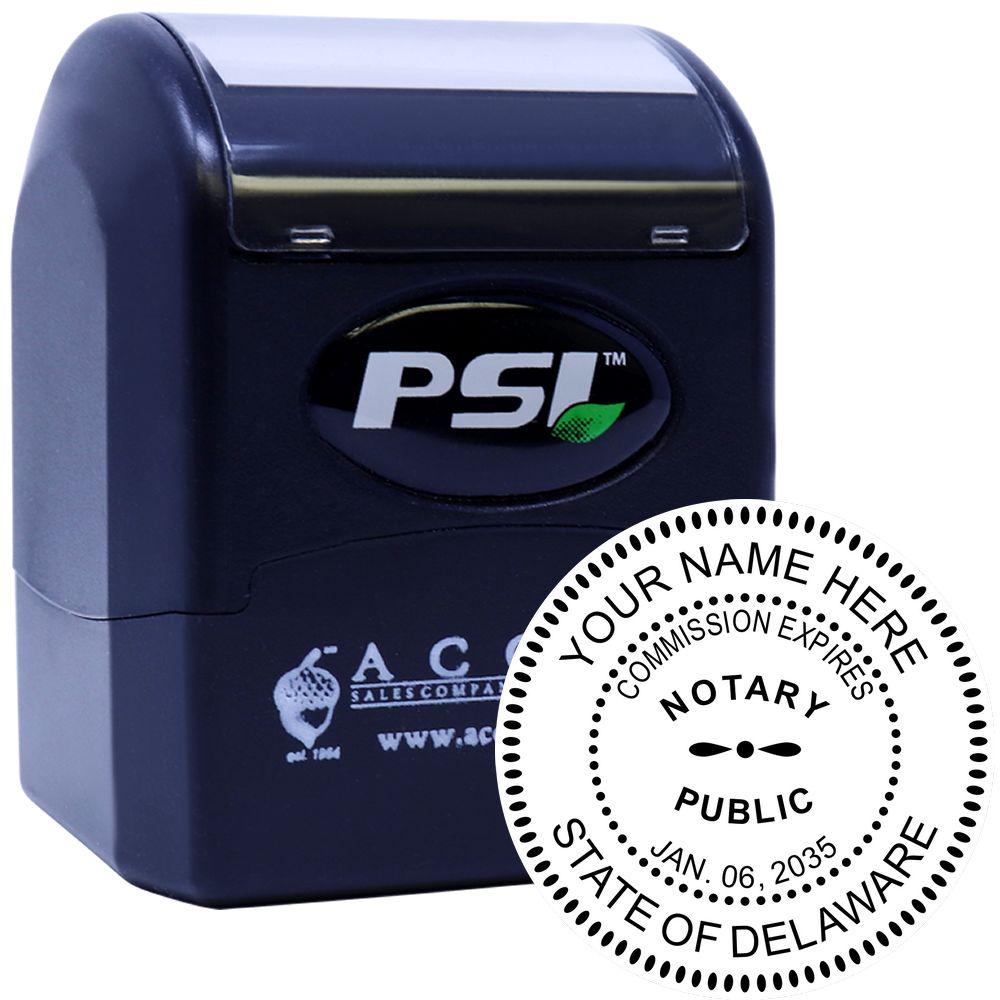
Understand the DE Notary Stamp and Seal
If you are a Delaware Notary Public, you know how essential a DE notary stamp and seal can be for your day-to-day duties. These tools confirm the authenticity of your notarial acts and reassure everyone involved that the documents are accurately verified. A properly used notary stamp and seal not only reflect your professionalism, but they also protect the public against fraud and potential legal disputes.
In Delaware, possessing a suitable notary stamp and seal is more than just a formality. You are required to use these items whenever you notarize documents, and the state outlines specific criteria to ensure clarity and reliability. Becoming familiar with how your stamp and seal should look, how you should use them, and how to maintain them helps you carry out your responsibilities with confidence. Whether you are just starting your notary journey or looking to refresh your tools, understanding the basics is crucial for providing the best possible service to your clients.
Explore Delaware Requirements
Before you order your DE notary stamp and seal, it is helpful to understand what the Delaware state guidelines expect from you. Delaware law stipulates certain elements your stamp or seal must contain so that your official acts remain valid. While you might feel overwhelmed by legal jargon, you do not need to stress. If you keep a few guidelines in mind and choose a reliable supplier, you can easily meet the requirements.
What the Stamp or Seal Must Include
When you apply your notary stamp or seal, you are expected to ensure it contains:
- Your full name exactly as it appears on your notary commission
- The words “Notary Public”
- The word “Delaware” or an abbreviation of the state’s name
While the state does not specify a particular shape or size, the imprint must be clear and legible for recordkeeping. Many notaries in Delaware find a round design attractive and easy to read, but you can decide on a rectangular one if you prefer. The key is to include the mandatory details and produce a crisp, distinct image every time.
Legal and Ethical Implications
Failing to follow Delaware’s notary guidelines can lead to complications, including rejected documents, potential lawsuits, or disciplinary actions against your commission. If someone questions the authenticity of your stamp or seal, you want to be sure that your credentials stand up to scrutiny. Keeping your stamp current and in good condition prevents smudges and incomplete imprints, which, in turn, safeguards your reputation and helps you maintain trust in your community.
Choose the Right Type of Notary Tool
When it comes time to decide which DE notary stamp and seal type fits you best, it helps to know the differences. Typically, you will see self-inking stamps, pre-inked stamps, and embossing seals as the most common options. Each variety offers unique benefits based on your workflow and preferences.
Self-Inking Stamps
A self-inking stamp has a built-in ink pad, giving you a swift and clean impression every time you press down on a document. You can easily replace or refill the ink pad when it starts to fade, making these stamps cost-effective. Because they tend to be fast and uncomplicated to use, self-inking stamps are popular among notaries who complete a high volume of notarizations. If you frequently travel to client appointments or community events, you will appreciate the convenience of having the ink pad self-contained and ready to go.
Pre-Inked Stamps
A pre-inked stamp arrives soaked with a special ink that seeps through the stamp’s surface to create crisp, dark impressions. These stamps often deliver highly detailed images while requiring less pressure to operate. As a result, you can stamp multiple documents with minimal strain on your wrist and hand. Pre-inked stamps may cost a bit more than self-inking models, but they last longer between refills and produce superior clarity. If you want a professional look that highlights your notarial name and credentials, a pre-inked stamp can be an excellent choice.
Embossing Seals
Embossing seals create a raised impression on paper by using a handheld or desktop press. While they might look more traditional, modern versions are easy to handle. An embossed seal can add a layer of formality, which some clients or offices appreciate. However, you will often want to pair it with an inked impression to ensure clear photocopying. In Delaware, an embossing seal alone might not be sufficient, especially if an official record necessitates a stamp’s inked imprint. Still, many notaries use both an embossing seal and an ink stamp to cover all documentation scenarios.
Use and Maintain Your Stamp and Seal Properly
Once you have settled on the right type of DE notary stamp and seal, you will want to ensure you are using and maintaining it correctly. By establishing a few simple habits, you can extend the life of your notary tools and ensure you always produce a professional outcome.
Proper Stamping Technique
- Always confirm the document is on a flat surface before you stamp. This helps you get a clear and legible imprint.
- Place your stamp at a slight angle, then press firmly and evenly across the entire surface. A gentle and balanced press avoids blurry edges or partial images.
- If you use an embossing seal, make sure the paper is fully inserted and aligned correctly before you squeeze down on the handle. The pressure should be firm enough to create a crisp, raised design.
Storage and Care
- Keep your stamp or seal in a protective case, or wrap it in a soft cloth when not in use. This ensures dust and debris do not clog the ink pad or embossing plate.
- Store your notary tools away from direct sunlight to prevent the ink from drying out.
- Reink or refill your stamp when the impressions begin to fade, and consider ordering your ink or replacement pads ahead of time so you do not run out unexpectedly.
If you follow these guidelines, you will find that your stamp and seal stay in good condition through countless notarizations. By making sure your imprint looks crisp and readable, you reflect the same care and attention to detail you bring to every notarial act.
Avoid Common Mistakes
A few potential missteps in using your DE notary stamp and seal can cause bigger problems, from delayed document processing to legal repercussions. Fortunately, most mistakes stem from small oversights that you can easily address:
Not Verifying Identity ProperlyMany new notaries focus so much on selecting and applying their stamp that they forget the basics: always verify the signer’s identity first. Failing to do so can invalidate the entire notarization, regardless of how good your stamp looks.
Stamping Over TextIt is tempting to fit your seal into any available space. However, stamping over text can make it illegible, potentially voiding the document. Leave a clean, blank area for your seal to keep the imprint clear. Using Incorrect or Outdated InformationIf your commission name or expiration date changes, you must update your stamp or obtain a new seal. Using an outdated stamp can lead to questions about the validity of your notarial acts. Forgetting a Journal EntryDelaware does not always require notaries to keep a journal, but it is strongly recommended to track notarial acts. Even if it is not mandated, a journal provides additional protection for you if future disputes arise. Allowing Others AccessNever let someone else stamp or seal a document on your behalf. You alone are responsible for the accuracy and legality of your notarizations. Store your notary tools securely, so nobody can misuse them. By proactively addressing these oversights, you can keep your reputation clean and maintain a successful notarial practice. After all, your role as a notary is a public trust, and every stamp or seal you apply reflects on your commitment to integrity.
Find a Trusted Supplier
Securing high-quality tools for your DE notary stamp and seal is a central part of providing reliable notarial services. A finely crafted stamp ensures clearer imprints, and a sturdy seal lasts for years without wearing out. You also want to feel confident that your order meets state guidelines and arrives quickly, especially if your commission date is coming up or your old supplies are failing.
This is where Acorn Stamps can make your life easier. As a family owned and operated company since 1964, Acorn Stamps has delivered 60 years of exceptional service to notaries in Delaware and beyond. With a commitment to stellar customer service and super fast turnaround, Acorn Stamps has earned a reputation for being a top supplier of Delaware notary stamps and Delaware notary seals. You will find self-inking and pre-inked stamp options, along with embossing seals that align with Delaware requirements. Plus, if you ever have questions, their friendly team is there to guide you in selecting the right product for your needs. By choosing a reputable supplier, you are not only getting a functional tool, you are also ensuring your equipment meets state standards and remains dependable over time. This peace of mind allows you to focus on what really matters: delivering professional notarial services to your clients.
Frequently Asked Questions
Below are five common questions about Delaware notary stamps and seals. These answers can help you avoid confusion, provide clarity, and keep your notarizations running smoothly.
Am I required to use both a stamp and an embosser for Delaware notarial acts?
Delaware law generally requires a notary stamp for official notarizations. An embosser is often used for added security or aesthetics, but it is not always mandatory. Some documents might specify an embossed seal, so having both options is beneficial. Check the instructions for the document or consult relevant guidelines to ensure you use the correct tool.
How often should I replace my notary stamp or seal?
You do not necessarily need to replace your stamp or seal unless your commission information changes. However, if you notice the stamp impression is fading or the embossed design is no longer crisp, you may need to refresh the ink pad or have the seal press looked at. Keeping a backup stamp can also be wise if you perform notarial acts frequently.
What happens if my stamp impression is illegible?
An illegible impression can invalidate the notarization, or at the very least prompt someone to question its legitimacy. If you notice that the imprint looks weak or smudged, you should re-stamp the document on a clean section (if permissible), or complete a fresh notarization before the signer leaves. Make sure your stamp is always producing a clear image to avoid any complications.
Can I let my assistant or colleague use my notary tools?
No. You must not allow anyone else to use your DE notary stamp and seal. Since you are personally responsible for notarizations performed using your credentials, relinquishing control of your stamp and seal can lead to serious legal and ethical issues. Always keep your tools in a secure place, and be aware of who has access to them.
Where can I find the latest Delaware notary regulations?
It is a good idea to visit official state websites or consult with Delaware’s Department of State for the most current laws and guidance. Occasionally, changes in legislation or updated rules might affect how you notarize documents or what information must appear on your seal. Staying informed enables you to adapt quickly and maintain your professional status.By clarifying these common questions, you can approach your responsibilities with assurance. Keeping your knowledge up to date, properly maintaining your DE notary stamp and seal, and strictly following Delaware’s legal requirements will help you fulfill your notarial duties confidently.
When you combine these best practices with the expert guidance and high-quality products offered by Acorn Stamps, you have a solid foundation for long-term success as a notary in Delaware. Whether you are renewing your commission or beginning your first term, remember that reliable tools and a commitment to integrity are key to safeguarding the trust the public places in you. You have the power to empower your clients, your community, and your own professional standing every time you apply your notary stamp and seal.