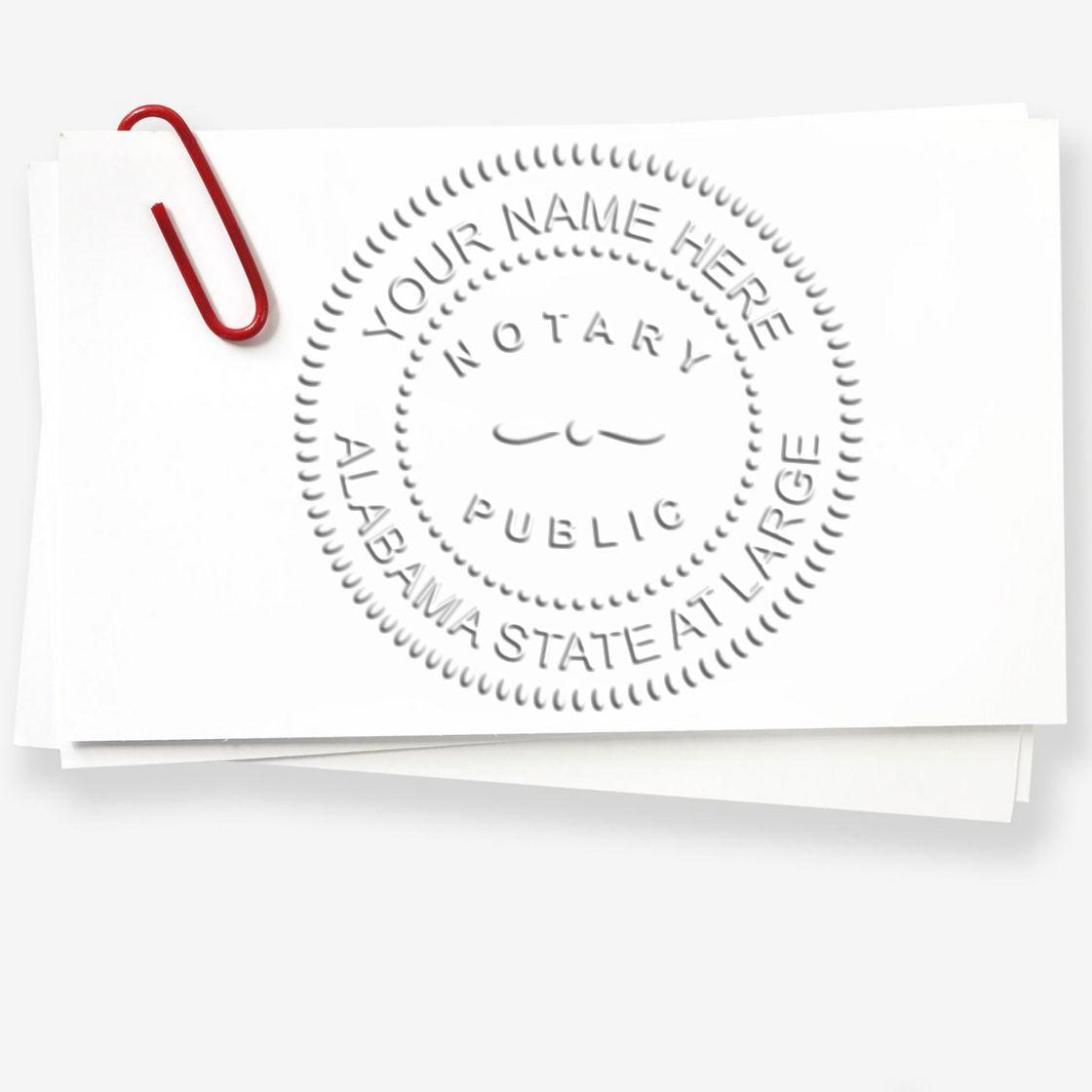
Understand the Alabama Notary Seal Embosser
If you are an Alabama notary public searching for the right tool to authenticate your documents, an Alabama notary seal embosser can be a terrific choice. Unlike ordinary stamps that rely on ink to leave an impression, a notary embosser creates a raised, tactile imprint on the page. This embossed impression is often considered more difficult to tamper with, adding an extra layer of security to your notarial acts. Whether you are just getting started as a newly commissioned notary or looking to upgrade your current setup, understanding what an embosser does and why it matters is an important first step.
Why an Embosser Is Important
You may wonder why some notaries choose to use embossers instead of, or in addition to, a regular stamp. The answer often comes down to preference and perceived security:
- Embossed seals are more challenging to copy or forge because they create a unique raised impression.
- They lend a professional look to documents, which can instill greater confidence in signers and recipients.
- Embossers can be used on various paper types without worrying about ink smudging or running out of ink unexpectedly.
However, you want to be sure that your embosser meets specific Alabama requirements. Not every embosser style is appropriate or fully compliant, which is why it is wise to learn these rules before buying.
Follow Alabama Notary Requirements
Alabama sets standards for notary seals to ensure the authenticity and legality of your notarial acts. While the state does not specify the exact design for every embosser, you do need to include the following core information:
- Your name as it appears on your notary commission.
- The words “Notary Public” or a similar official designation.
- The word “Alabama” (to show that you are commissioned in the state).
Before finalizing your Alabama notary seal embosser, confirm your commission name and double-check that these essential elements are spelled correctly. Any error on your seal could invalidate the notarial act, leaving you exposed to liability or regulatory issues. You will also want to keep an eye on your commission expiration date because you must promptly renew your commission to continue operating as a notary.
Double-Check Local Regulations
Although there are state-level guidelines, local practices might vary, and certain businesses or government offices might have additional requirements for documents. By clarifying local rules or common expectations, you can avoid signing or embossing documents that are later rejected. Always stay informed of updates to notary law in Alabama to maintain a seal that meets all current regulations.
Explore Different Notary Embossers
Choosing an embosser is not a one-size-fits-all decision. Different design factors, handle sizes, and ergonomic features can make a difference in how comfortable the tool is to use and how crisp the seal turns out. Here are three common embosser varieties you might consider: Handheld Embossers
- Compact and portable design, great if you frequently travel or participate in mobile notary work.
- Generally easy to store in a desk drawer, briefcase, or purse.
- Requires a bit more manual pressure to create a clear impression.
Desk Embossers
- Larger and heavier, offering sturdy leverage for crisp and consistent impressions with less effort.
- Often customizable with decorative or professional-looking frames.
- Takes up more space on your desk and is less portable than handheld types.
Long-Reach Embossers
- Feature extended arms that allow you to place the seal deeper into the page.
- Useful if you frequently work with larger documents or need to emboss in unconventional locations on the paper.
- Typically desk-mounted for stability.
Choose the Style That Fits Your Workflow
Ask yourself: Do you typically notarize documents at your own office or do you travel to clients’ locations? If you mainly work from a stationary spot, a desk embosser might offer greater comfort and consistent impressions. If you are a traveling notary, a handheld embosser is more convenient. Consider how you will store and protect your embosser so it is secure from unauthorized use.
Check Quality Factors Before You Buy
Since your seal usage could be daily or even multiple times per day, you want to invest in a notary embosser that will stand up to routine wear and tear. Look for these quality indicators to ensure that your embosser serves you well: Metal vs. Plastic ComponentsMetal embossers typically last longer since they have sturdier construction. Completely plastic versions might wear down faster or produce fuzzy impressions over time.
Clear and Precise EngravingMake sure the personalized parts of the embosser—such as your name and commission—are deeply and accurately engraved. This helps produce readable, professional-looking raised seals, even on thicker paper. Smooth OperationReliable embossers have handles that move smoothly and require moderate pressure to emboss. If the handle is stiff or the mechanism feels loose, it may not produce consistent seals. Warranty and SupportA warranty can protect your purchase in case of defects. Companies that offer direct customer support can also answer any questions you have and address potential issues quickly.
Use Your Embosser Correctly
Once you have purchased your Alabama notary seal embosser, it is crucial to know how to use it properly. In Alabama, the notary manual typically advises that you place your seal near or around your signature, but not over text or signatures that would obscure their legibility.
Steps for a Clear Impression
- Align the document: Position the embosser so that the text in the die will align where you want it on the paper.
- Apply steady pressure: Press the handles together smoothly and firmly. If your embosser has a guide, use it to position the paper correctly.
- Inspect the seal: Verify that the impression is crisp and legible. If you see smudging or partial letters, try re-embossing on a new area or updating your technique.
Seal Care and Storage
Proper care ensures that your embosser lasts longer and consistently produces a high-quality imprint:
- Wipe your embosser with a soft, dry cloth to remove dust or debris.
- Store the embosser in a protective pouch or case if you are traveling, which prevents it from getting banged around in a bag.
- Keep it in a locked drawer or safe when not in use to prevent unauthorized access.
Choose Acorn Stamps for Your Embosser
Finding the perfect Alabama notary seal embosser can feel daunting, but you do not have to navigate the choices alone. At Acorn Stamps, you will discover a wide range of high-quality embossers, all individually engraved to meet Alabama’s exact standards. Here is why you can trust Acorn Stamps as your one-stop shop: Family Legacy Since 1964Acorn Stamps has been family owned and operated since 1964, so you are partnering with a team that brings 60 years of expertise and dedication to notary products. Custom Engraving for AccuracyEvery detail is carefully engraved according to your Alabama notary commission. You do not have to worry about spelling or design flaws that could compromise the validity of your documents. Stellar Customer ServiceQuick questions, custom requests, or returns—we support you at every stage. Our friendly and knowledgeable service team is here to guide you from your initial search to long after you have made your purchase. Super Fast TurnaroundEven if your current seal is about to expire, our swift manufacturing and shipping can get a new embosser into your hands well before your next notarial appointment. High-Quality MaterialsWe offer metal-core embossers designed for durability, ensuring each imprint remains crisp and easy to read. When you opt for an Alabama notary seal embosser from Acorn Stamps, you receive a product crafted with precision and backed by decades of experience. You can focus on serving your clients and maintaining a professional notarial practice, knowing you have chosen a reliable partner for your notary supplies.
Learn Helpful Tips for a Better Experience
Beyond simply buying a new embosser, you can refine how you use it for a more streamlined process. Consider integrating these best practices so every notarization is quick, clear, and compliant:Practice On Spare PaperBefore using your embosser on an official document, grab a spare sheet and test your technique. Practicing will help you avoid crooked or incomplete impressions. Keep an Inked Stamp HandyHaving both a notary stamp and an embosser can give you extra versatility. Some documents might request a raised seal, while others prefer an inked stamp. You can accommodate any request with ease. Review State UpdatesNotary laws and regulations can shift over time. Regularly review announcements from the Alabama Secretary of State to ensure that your seal requirements remain valid. Maintain a Consistent LookAlign each seal in a consistent spot for a clean, professional appearance. This strengthens your credibility and can make it easier for officials to locate and validate your seal. Share Knowledge With ClientsWhen signers notice you using an embosser, they might be curious about how it works. Explaining the difference between a raised seal and a stamp can help them trust the process and appreciate your professionalism.
See Frequently Asked Questions
Many Alabama notaries have questions about ordering, using, and maintaining their seal embossers. Here are five commonly asked questions that might help you as well:
Do I Need a Different Seal if I Change My Name?
Yes. If you legally change your name after receiving your notary commission, you must update your notary seal to reflect that new name. Always contact the Alabama Secretary of State’s Office or relevant county officials for precise requirements.
Is an Embossed Seal Enough by Itself?
In some cases, certain authorities prefer the added clarity of an inked impression. It is recommended that you keep both a notary stamp and an embosser available. Always check document requirements to ensure full compliance.
How Deep Should the Embossed Impression Be?
It should be clear enough to feel and read by touch. However, you do not want to press so hard that it tears or warps the paper. Practicing on scrap paper helps you find the right balance.
Can I Use a Seal Embosser for Electronic Documents?
Electronic notarization rules in Alabama typically require specialized technology. An embosser is for traditional physical documents, so if you move into the e-notary space, research the appropriate digital seals and processes required by Alabama law.
How Often Should I Replace My Embosser?
If the impression becomes difficult to read or if the mechanism no longer works smoothly, it might be time for a new one. Many notaries replace their embosser when renewing their commission for a seamless transition. By understanding these common concerns and solutions, you can enhance your professional services while staying fully compliant with Alabama law. An Alabama notary seal embosser is an excellent way to add precision, security, and professionalism to your documents. Before you finalize your purchase, consider the right style for your workflow, confirm it meets Alabama’s regulatory guidelines, and choose a trusted supplier like Acorn Stamps. By doing so, you can carry out your duties confidently—knowing every seal you emboss is crisp, valid, and easy to verify. Whether you are a brand-new notary or a seasoned professional looking to upgrade, investing in a high-quality embosser is one more step toward providing top-notch service for your clients.