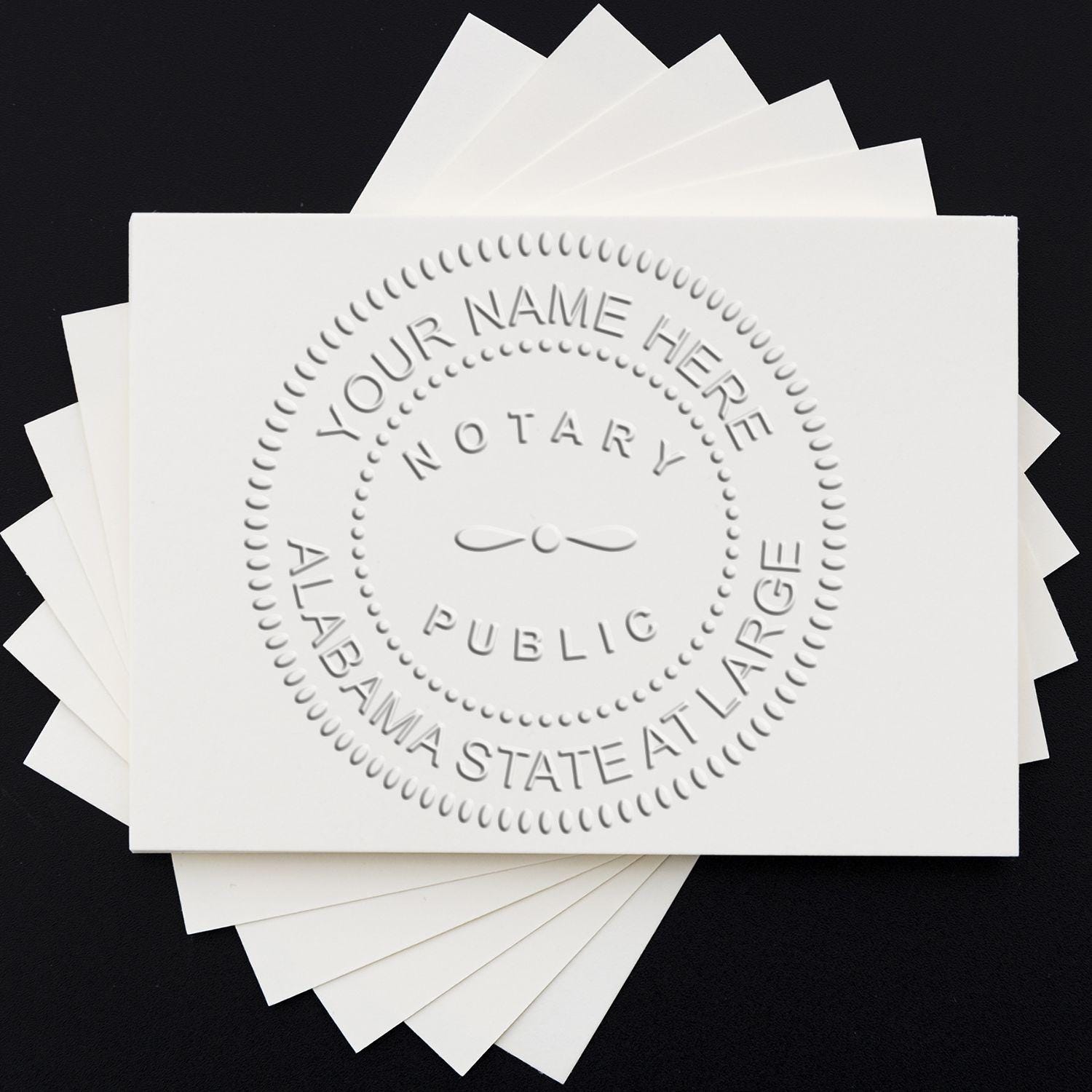
Navigating Alabama notary seal requirements can feel overwhelming at first, but understanding them is essential for your success as an Alabama Notary Public. Your seal or stamp represents your authority, ensures document validity, and helps protect you and the public from fraud. Below, you’ll find a practical guide that simplifies these requirements so you can fulfill your duties with confidence.
Understand the Legal Basics
Before you order or use a notary seal, it’s important to know the core rules that govern Alabama notary offices. These guidelines outline everything from required seal elements to proper use. By grasping the legal framework up front, you can avoid common pitfalls and focus on serving your clients.
Check Relevant Regulations
- Alabama Code Section 36-20-72: This section explains the notary seal requirements, such as the inclusion of your name, the words “Notary Public,” and the state of Alabama.
- Additional Local Rules: Some counties or municipalities have extra guidelines you should review, from document formatting to electronic seal conditions.
Confirm Current Requirements
Although notary laws are fairly stable, small adjustments may occur. Be sure you check official state resources for updates. Staying informed about any legislative changes ensures your seal remains valid.
Gather Your Required Tools
Once you know precisely what’s expected according to Alabama notary seal requirements, your next step is securing the right supplies. A high-quality seal or stamp helps you create a legible, professional imprint every time. Additionally, you may need a combination of other tools to handle day-to-day tasks efficiently.
Alabama Notary Stamp and Seal
You want your seal or stamp to meet all legal mandates:
- Name and Commission Details: The seal typically includes your name exactly as it appears on your commission.
- Official Wording: The seal must clearly state “Notary Public” and “State of Alabama.”
- Legibility: Each impression should be crisp, readable, and durable enough to reproduce properly on official documents.
It’s often best to purchase your seal from a reputable supplier known for meeting Alabama notary seal requirements. Acorn Stamps, for example, specializes in Alabama notary stamps and seals, offering consistent reliability that aligns with state guidelines.
Notary Journal and Accessories
While Alabama law does not universally require you to maintain a journal, keeping one is a helpful practice for record-keeping and legal protection. Some notaries also keep extra ink or seal inserts to ensure the impression is always clear. As you develop a consistent routine, you’ll discover which accessories best support your workflow.
Create a Compliant Imprint
Nothing is more critical than a legible, valid imprint on every notarized document. Once you have your seal, it’s time to master the technique for a clear impression. This step focuses on placement, pressure, and clarity.
Document Placement
Positioning is key. Typically, you want to place your seal near the notary certificate block or next to your signature. Always follow the specific instructions of the document you’re notarizing if they specify a spot for the seal. If no clear area is indicated, choose a space that doesn’t obscure text or conflict with existing marks.
Pressure and Angle
If you’re using a hand-stamp or embossing seal, consistent pressure is essential. Not enough pressure can lead to faint or incomplete imprints. Too much pressure can tear thin paper or cause a messy impression. A few practice runs on scrap paper will help you get comfortable.
Double-Check Every Imprint
After stamping, check for clarity:
- Is your name easy to read?
- Can you confirm the words “Notary Public,” “State of Alabama,” and your commission details?
- Is the seal fully contained on the page without cutoff edges?
If any part of the seal is missing or illegible, you should re-stamp on the same page (if space allows) or attach a notarial certificate page to correct the issue.
Maintain Professional Standards
As a notary, you serve a critical role in preventing fraud and verifying identities. Beyond creating a clear seal impression, there are several professional and ethical standards to uphold. Observing these standards helps preserve your reputation and protects the integrity of your documents.
Verify Signer Identity
Ask for government-issued photo identification whenever you perform a notarization. Double-check that the name on the ID matches the name on the document. Never notarize a document for someone unless you’re absolutely certain of their identity.
Keep Accurate Records
Even if your jurisdiction doesn’t strictly require a journal, tracking your notarizations is beneficial for:
- Time and date references
- Document type and description
- Signer’s name and address
- Any additional notes (like clarifications or unusual circumstances)
Having a well-documented history of your transactions can help you resolve disputes or inquiries. Keeping a systematic record builds trust between you and your clients.
Comply with Expiration Rules
Your notary commission isn’t indefinite. You might need to renew your commission every few years, depending on state regulations. Always check your expiration date to ensure you apply for renewal well before your commission lapses. That way, your seal remains valid and you avoid last-minute issues that can disrupt your business.
Avoid Conflicts of Interest
If a document involves you or close family members, it’s safer to let another notary handle the transaction. Ensuring impartial service helps you maintain integrity and prevents any appearance of bias.
Benefit From Acorn Stamps
Choosing the right supplier can make all the difference in simplifying your Alabama notary seal requirements. Acorn Stamps has been family owned and operated since 1964—that’s 60 years of service dedicated to helping notaries like you find the perfect stamping solution.
Stellar Customer Service
When you have questions or special requests, you can rely on Acorn Stamps’ quick responses and personalized attention. If you aren’t sure which style of seal is best suited to your notarial tasks—self-inking, pre-inked, or traditional embossing—friendly and knowledgeable representatives are just a call or message away.
Super Fast Turnaround
Time matters. Every day you spend waiting on supplies can mean a delay for your own clients. That’s why Acorn Stamps prioritizes rapid order processing and shipping. You’ll receive your new Alabama notary stamp and seal swiftly, so you can start serving clients or replace a worn-out seal without worrying about downtime.
Quality You Can Trust
Because of their longstanding experience, Acorn Stamps has perfected the art of producing durable, accurate stamps and embossers. You can count on their products to meet Alabama’s legal requirements and consistently produce a crisp imprint. Plus, their focus on quality control means fewer issues for you in the long run.
Frequently Asked Questions
Below you’ll find answers to some of the most common queries notaries in Alabama ask when clarifying requirements for stamps, seals, and maintaining proper procedures.
What Must Be Included on an Alabama Notary Seal?
Your seal should clearly show your name (as it appears on your commission), the words “Notary Public,” and “State of Alabama.” The seal imprint must be legible on all notarized documents.
Is a Notary Journal Required in Alabama?
Alabama law does not mandate a journal in every circumstance. However, it’s strongly recommended to keep one for your own records and legal protection.
Can I Use an Embosser Instead of an Inked Stamp?
Yes. Alabama law allows you to use an embosser or a rubber stamp. Whichever option you choose, ensure the details are easy to read. An embosser can provide a subtle raised seal, while an inked stamp creates a clear visual impression.
How Soon Should I Renew My Commission Before It Expires?
It’s advisable to start the renewal process a few months before your commission expiration date. Give yourself enough time to complete paperwork and receive your new commission so there’s no gap in your notarial authority.
What If My Seal Impression Is Faint or Partial?
If the stamp or embossed image is missing information, you can re-stamp near the first impression on the same page, if space allows. Make sure your second impression is fully legible. If that doesn’t work, attach a separate notarial certificate page, referencing the document clearly.Simplifying Alabama notary seal requirements begins with understanding the rules, assembling the right tools, and following best practices for professional conduct. From verifying someone’s identity to making sure every stamp or embossment on a document is crystal clear, each step safeguards your legal standing and the reliability of documents in your care. Remember, a quality seal is critical, so entrusting a reliable supplier like Acorn Stamps—family owned and operated for six decades—can ensure you meet the state’s requirements with as little hassle as possible.With clear knowledge of these requirements and the right tools in hand, you’ll create a smoother experience for yourself and anyone relying on your notary services. Not only will you meet the state’s expectations, but you’ll also earn a reputation for professionalism and efficiency in every notarization you complete.