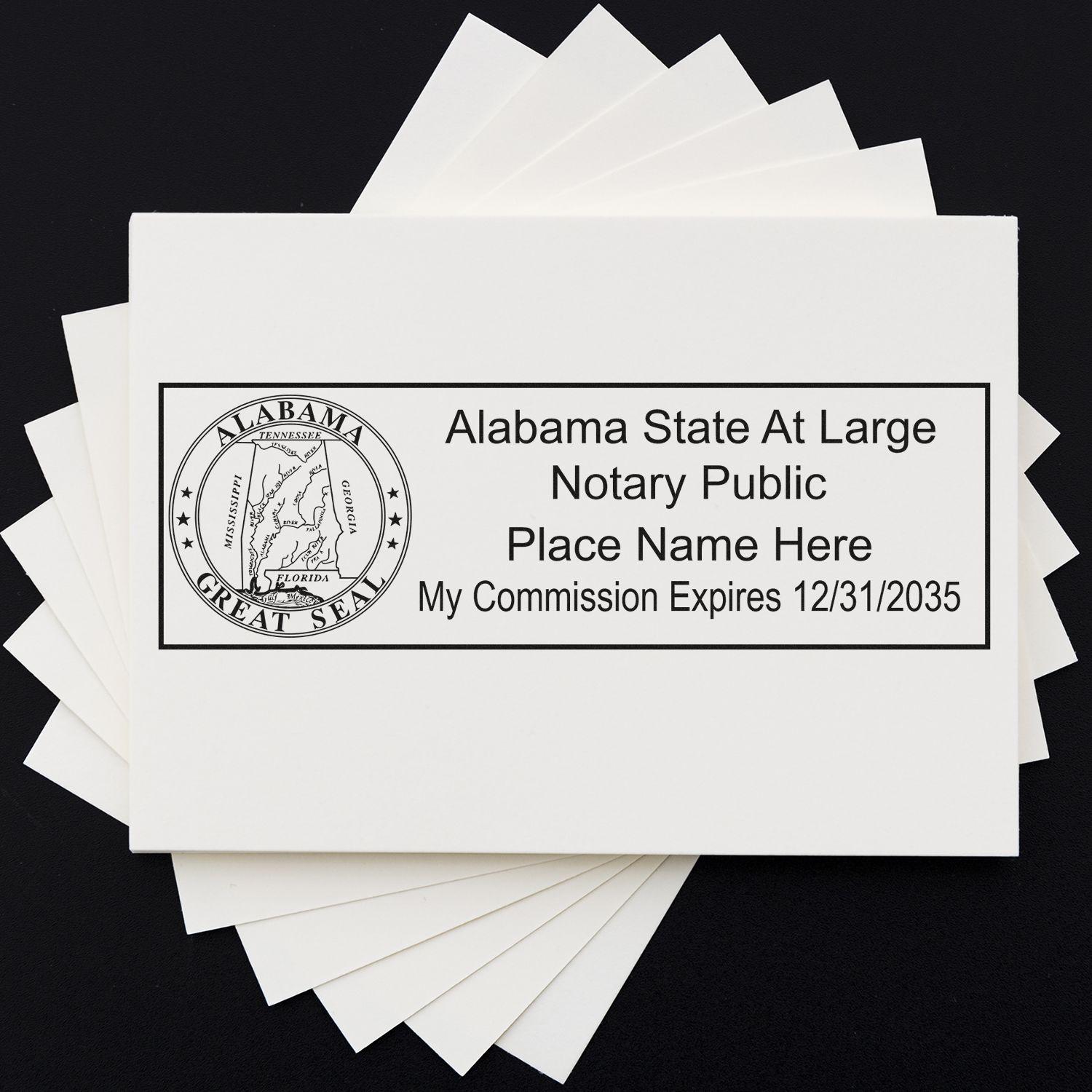
When you become an Alabama Notary Public, one of your most important tools is your AL notary seal. Having a reliable, clearly readable seal assures both you and the parties you serve that official documents are properly notarized. In this guide, you will find everything you need to know about selecting, using, and caring for your notary seal, so you can make confident choices as you fulfill your vital notarial duties.
Understand the AL Notary Seal
Before you choose a stamp or embosser, it is crucial to understand what your AL notary seal represents and why it matters. Your seal affirms the authenticity of documents and protects all involved by indicating when and where the notarial act took place. This small tool also helps deter fraud, making it a cornerstone of your everyday notary tasks.
Purpose of the Notary Seal
- Certifies that you verified the signer’s identity.
- Confirms the date and location of the notarization.
- Establishes that you are authorized by the state of Alabama to perform notarial acts.
Common Elements on the Seal
- Your name (as it appears on your commission).
- The words “Notary Public” and “State of Alabama.”
- Commission expiration date, if required by law.
- A border or design that meets Alabama state guidelines.
Choose the Right Materials
Notary seals typically come in two main forms: stamp or embosser. While both styles are acceptable, your choice should reflect your personal preference, the visibility needs of your clients, and any legal requirements in your jurisdiction. Alabama law allows various formats, but clarity is essential. If your seal is smudging or too faint, your notarized document may be rejected.
Rubber Stamp vs. Self-Inking Stamp
- Rubber Stamp: Requires a separate ink pad. You have control over the ink color and can easily replace the pad. However, you might risk smudges if the ink pad is too wet or if you press unevenly.
- Self-Inking Stamp: Contains a built-in ink pad. This option is convenient and helps ensure clean, crisp impressions. It tends to be faster to use and can last through many impressions before needing a refill.
Embosser Benefits
- Creates a raised imprint on the page.
- Often used in conjunction with an inked seal for better visibility on photocopies or scans.
- Enhances the professional appearance of your forms.
- Can be more durable over time, especially if made with sturdy metal parts.
Explore Commission Requirements
Although Alabama offers some flexibility, you need to follow state guidelines to stay compliant. Being fully aware of these rules keeps your notarial acts valid and upholds the integrity of the notary office. While details may vary, certain universal steps help ensure your seal meets legal standards.
Verify State Specifications
- Layout: Confirm whether your seal must include your full legal name or specific wording.
- Size: Alabama may not strictly limit seal dimensions, but aim for a readable impression.
- Ink Color: Black or blue is generally acceptable, but verify if your county has specific preferences.
Keep Your Commission Current
- Update your seal when you renew your notary commission.
- Replace or remodel your seal if you change your legal name.
- Stay updated on any evolving regulations by checking official state resources.
Consider Different Stamp Types
Shopping for an AL notary seal can feel overwhelming if you are not sure which style fits you best. Balancing portability, longevity, and impression clarity will help you decide. Below are four popular stamp types you might encounter.
- Pre-Inked Stamps
- Offer very sharp imprints.
- Typically cost a bit more but can be worth the clarity.
- Self-Inking Stamps
- Feature a built-in ink pad for quicker use.
- Usually last for thousands of impressions before needing a refill.
- Traditional Rubber Stamps
- Often the most affordable option.
- Require you to carry a separate ink pad.
- Desktop Embossers
- May not always be recognized in photocopies unless you also apply ink.
- Reliable choice for an official, classic look.
Use Your Seal Properly
Even the best seal cannot achieve valid results if used incorrectly. Proper use involves more than just pressing it onto a document. You want your seal impression to be sharp, placed in the right location, and accompanied by your signature in compliance with Alabama rules.
Placement Guidelines
- Keep enough space near the signature line for your seal impression.
- Avoid placing the seal over text, signatures, or important details.
- For embossers, ensure the paper is thick enough to handle a raised impression without tearing.
Best Practices for Clarity
- Practice making impressions on scrap paper until you are confident.
- If you see a faint or uneven mark, try re-inking or applying consistent pressure.
- Keep your stamp clean to prevent ink buildup that can cause smudging.
Order From Acorn Stamps
Finding a trusted supplier is key to getting a high-quality AL notary seal that holds up under regular use. At Acorn Stamps, you will find Alabama notary stamps and seals designed to meet state requirements, all while delivering crisp, professional imprints.
Why Choose Acorn Stamps
- Family Owned Since 1964: Benefit from over 60 years of expertise passed down through generations.
- Exceptional Customer Service: Expect personalized guidance from real people who care about your order.
- Super Fast Turnaround: With efficient production processes, get your new stamp or seal quickly.
- Quality Materials: Explore stamps and embossers that stand up to repeated use and provide crystal-clear impressions.
Customizing Your Seal
- Provide your legal name exactly as it appears on official documents.
- Choose a stamp or embosser style that suits your preferences.
- Confirm whether you want your commission expiration date included.
- If you have any questions, Acorn Stamps staff will help you pick the perfect option.
FAQ About AL Notary Seal
Here are five frequently asked questions about the Alabama notary seal to help clear up common concerns.
How Do I Decide Between a Self-Inking Stamp and an Embosser?
Answer: It depends on your typical usage. If you notarize many documents daily, a self-inking stamp saves time and ensures clear marks. If you prefer a traditional look or need a raised imprint for authentication, go for an embosser. Many notaries carry both for maximum flexibility.
Can I Customize the Color of My Ink?
Answer: Yes, you can often choose your ink color. Black and blue are common because they scan and copy well. Always check with Alabama guidelines and your county’s recommendations before using alternative colors.
What if My Seal Impression Fades or Smudges?
Answer: Fading or smudging typically indicates it is time to re-ink your stamp, replace the ink pad, or apply consistent pressure. Practice on non-official paper until you achieve clear impressions. If you continue to have issues, contact your stamp provider for advice.
Do I Need a Specific Size for My AL Notary Seal?
Answer: Alabama does not strictly mandate a particular size, but it must be readable and contain the required wording. Most recommended sizes range between one and two inches in diameter for round seals or a similar area for rectangular stamps.
How Long Do AL Notary Stamps Typically Last?
Answer: Lifespan depends on frequency of use and stamp type. Self-inking and pre-inked stamps usually last for thousands of impressions before needing a refill, while embossers can last even longer with proper care. Always store your stamp or embosser in a clean, dry place.By choosing an AL notary seal that meets Alabama’s requirements and fits your personal workflow, you can efficiently manage your official duties and create a trustworthy, professional presence. When it comes to finding the right supplier, consider Acorn Stamps for high-quality, accurate notary seals with rapid production times and a level of customer support only a family-owned company can offer.Taking the time now to learn about the different seal types, usage techniques, and guidelines will help you feel secure and confident in your role. No matter the situation, you and your clients can rely on a properly executed notary seal to validate crucial documents and ensure every signature is backed by a standard of excellence.