Navigating California notary requirements can sometimes feel overwhelming, especially if you are new to the world of notarization. Yet, these guidelines exist to protect the integrity of official documents and ensure that your signings are valid in the eyes of the law. By familiarizing yourself with a few fundamental regulations, you set the stage for a successful notary practice in the Golden State.California notary requirements generally cover everything from your initial application and mandatory education to your responsibilities once commissioned. Understanding each requirement not only helps you follow the letter of the law but also establishes your accountability as a trusted public official. In addition, standing on a solid foundation of knowledge boosts your confidence when you start performing notarizations for your community.Below, you will find an overview of how to become a notary public in California, the critical supplies you need, and ways to carry out your duties effectively. Whether you are eager to grow a part-time side gig or build a professional notary practice, each step will guide you toward meeting the state’s standards.
Follow the Commissioning Steps
To become a California notary public, you will go through a formal process of qualifying, applying, and passing an exam. Think of it as a checklist that ensures you are fully prepared for the responsibilities ahead.
Meet Basic Eligibility Standards
California has simple yet strict prerequisites. You must be at least 18 years old, a legal resident of California, and you cannot have any disqualifying criminal convictions. The state expects notaries to uphold high ethical standards, so you will undergo a background check later in the process. Verifying your eligibility from the start saves effort and helps you avoid disappointment after investing time or money in the next steps.
Complete Mandatory Education
Next, you are required to complete a six-hour training course that is approved by the Secretary of State. This course covers relevant laws about the notary’s role, ensuring that you are familiar with the forms, actions, and legal boundaries you will face in everyday practice. While a six-hour course might sound intensive, you will come away feeling more confident about your ability to handle notarizations correctly.
Pass the State Exam
Once you finish the mandated training, you must pass the state-administered notary exam. The exam tests your understanding of California notary requirements, including the specifics of proper identification, journal-keeping, and legal procedures. Scheduling the exam early and reviewing study guides thoroughly can set you up for success. Although test anxiety is normal, rest assured that focused preparation can help you pass with flying colors.
Undergo Fingerprinting and Background Check
California also mandates fingerprinting and a background check for notary applicants. The information you provide during these steps confirms you are fit to serve in an official role. Make sure you schedule your Live Scan fingerprinting promptly—delays in this part of the application can postpone your commission. Once you clear the background check, you are one step closer to officially becoming a notary public.
Submit Your Completed Application
Finally, you will submit your commissioned application package to the Secretary of State. This includes proof of completing the education course, your exam results, your application form, and fingerprinting documentation. Keep track of deadlines and instructions provided by the state to avoid processing delays.
Equip Yourself With Proper Supplies
Securing the right notary supplies is critical once you have been approved as a California notary. Your notary stamp or seal, journal, and other tools will play vital roles in how smoothly you carry out your daily responsibilities.
Understand California Notary Stamp Requirements
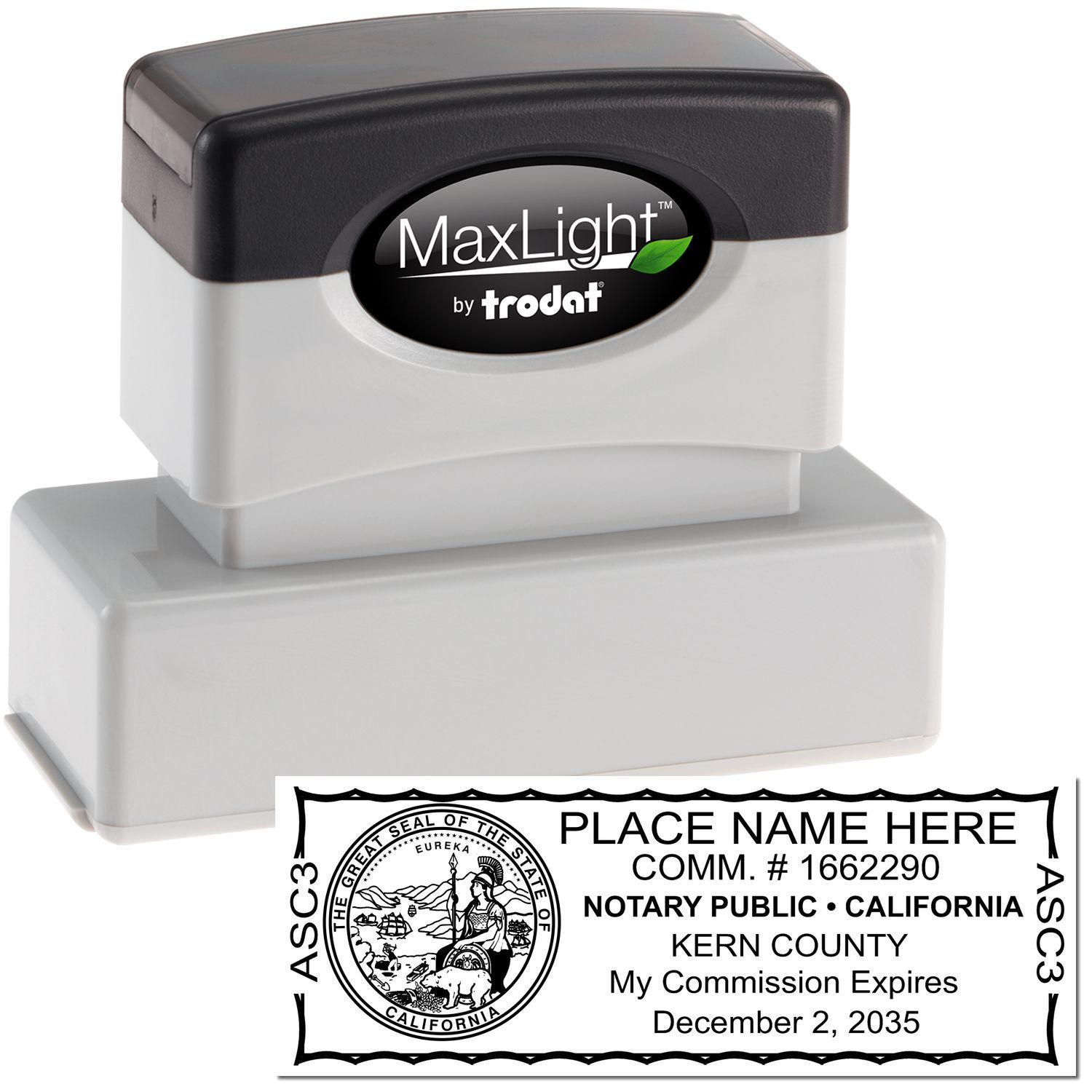
In California, you must use a rubber stamp to authenticate any document you notarize. This stamp, also called a “seal,” typically displays your name, commission number, and commission expiration date. Because the state has detailed guidelines for stamp design, it is crucial to get your seal from a trusted provider who knows California notary requirements inside and out.One detail to remember is that your notary stamp must contain “Notary Public – State of California” and include a border. Failing to meet the exact specifications can lead to rejections when you submit notarized documents. To avoid any hassle, always work with stamp suppliers who tailor their products to the strict state code.
Rely on a Dedicated Notary Journal
California law requires you to keep a detailed journal of all notarial acts. This record protects you and your clients by providing a transparent account of each transaction. A properly maintained journal includes the date and time of notarization, a description of the document, the signer’s identification details, and the corresponding thumbprint for certain documents—particularly those involving real property or power of attorney.Staying consistent with your journal entries is essential. Inaccurate or incomplete journal logs could lead to legal complications down the line. Many notaries find it helpful to keep their journal in a secure location and establish a routine for making entries. Some choose to update as soon as each signing is complete, ensuring that no detail slips through the cracks.
Other Handy Notary Tools
Beyond a stamp and journal, you may also need a separate embossing seal. While an inked seal is mandatory, some notaries add a seal embosser as an extra measure of security and authenticity for sensitive documents. You will also want to have reliable photo identification references on hand. Keep a quick reference guide to acceptable forms of ID—like driver’s licenses, passports, and military IDs—so you can determine validity quickly. A thorough reference guide can be an asset, especially when you are faced with unique or out-of-state IDs.
Conduct Your Duties Properly
Taking your oath as a California notary public signifies your dedication to maintaining the highest legal and ethical standards. Adopting best practices in every transaction not only meets California notary requirements, but also boosts your credibility with clients.
Verify Identification With Care
Verifying a signer’s identity is a foundational step in any notarization. In California, you must rely on a state-approved ID document such as a driver’s license, passport, or other government-issued photo ID. Pay close attention to any expiration dates and other details. If the ID is declined or questionable, a credible witness could also be used in specific circumstances. However, those witnesses must meet stringent guidelines to be acceptable.
Keep Confidentiality in Mind
As part of your role, you will frequently handle sensitive records—everything from real estate deeds to financial statements. Treat each transaction with discretion. Store your journal securely, and never share personal details found in your log with unauthorized individuals. Maintaining confidentiality not only aligns with state law, but also builds trust with the people you serve.
Follow Proper Document Procedures
When it comes time to notarize, confirm you have an original document, or at least confirm the regulations on notarizing copies if the situation applies. Always ensure the person signing is doing so voluntarily and is of sound mind. Remember, you cannot provide legal advice regarding a document’s content. Your role involves verifying identity and witnessing a signature, not interpreting contractual language.If the document lacks the correct notarial wording, you might need to attach a notarial certificate that meets California standards. This method is often used when documents from other states or countries do not align with California’s mandatory content. Including the proper certificate helps you maintain compliance and ensures your notarization is recognized.
Avoid Common Pitfalls
Even with thorough preparation, it’s easy to make mistakes that can delay or invalidate the notarization process. By watching for common errors, you can keep your appointments running smoothly and your legal standing in good shape.
Missing or Incorrect Stamp Information
A misaligned or partially inked stamp can render your notarization unusable. Double-check your notary seal before each appointment to ensure the ink is sufficient and the text is legible. Keep a spare ink pad or seal on hand, especially if you conduct a high volume of notarizations.
Failing to Collect Signer Thumbprints
In California, you need a thumbprint for certain documents—including deeds of trust and power of attorney forms. Forgetting this step may cause the document to be rejected or create complications if the legal validity comes into question later. Review the state’s guidelines about when thumbprints are mandatory to ensure you remain compliant.
Skipping Journal Details
Accurate recordkeeping is a cornerstone of California notary requirements. If you rush and omit a signer’s address or identification type, you not only break the state’s rules but also compromise the completeness and authenticity of your journal. Consistency is the key—take a moment to fill in each field thoroughly, even when you feel pressed for time.
Consider Acorn Stamps for Supplies
Choosing the right supplier matters when you need a complete set of California notary materials. Acorn Stamps has been a family-owned and operated business since 1964, serving notaries in California for over 60 years with stellar customer service and a super fast turnaround. By working with a trusted brand, you will feel confident that your stamps, seals, and other notary supplies align exactly with California notary requirements.Acorn Stamps stands out as a top supplier of California notary stamps and seals because each product is carefully crafted to meet the state’s stringent policies. Whether you are brand-new to notarization or seeking to upgrade your tools, the selection covers everything from inked stamps to stylish embossers. You will also find supportive customer service ready to guide you through any questions you might have. With decades of experience in the industry, Acorn Stamps understands what you need to carry out your notarial duties well.
Strengthen Your Career as a Notary
Once you have met your California notary requirements, you can expand your notary practice in ways that suit your goals. Some notaries specialize in loan signings for mortgage or title companies, while others build a mobile notary service to assist seniors, businesses, or hospitals. Acting as a traveling notary can be particularly rewarding, offering you the flexibility to set meetings by appointment at a client’s location.You might also layer additional services onto your notary work, such as language interpretation if you are bilingual, or offer document translation for international clients. Regardless of how you decide to evolve your notary practice, keep reviewing California’s regulatory updates so you remain in good standing.Staying expanded in scope also requires that you renew your commission timely. A California notary commission lasts four years, and to renew, you must retake the exam and submit additional paperwork. By planning ahead and keeping tabs on your expiration date, you can continue offering notary services without interruption.
Leverage Your Confidence
Armed with knowledge, proper tools, and respect for California notary requirements, you will be well on your way to serving your community. Notarization is more than just a stamp on a document. It is a public trust that requires integrity and attention to detail.If you ever run into unusual notarial scenarios—like documents in foreign languages or requests for out-of-state forms—don’t hesitate to consult professional references or guidelines from the California Secretary of State. True confidence often comes from knowing you have a reliable support system and the resources to find accurate answers.Finally, remember that your responsibilities do not end with verifying a signature. By staying on top of best practices, you will remain a valued professional who people can rely on for important legal transactions.
Frequently Asked Questions
How Long Does It Take to Become a California Notary Public?
Your timeline to become a California notary can vary depending on when you complete each step. After your six-hour course, you should schedule your state exam. Passing the exam, completing the background check, and waiting for the application approval might take several weeks or more. Planning ahead ensures the process goes smoothly.
Can I Notarize Documents Outside of California?
As a California notary, you only have the authority to notarize within the state’s boundaries. If you often travel or plan to handle transactions in other states, you will need separate commissions or must guide those clients to a local notary. Always confirm the correct jurisdiction before finalizing any notarization.
Can I Use an Embosser Instead of an Inked Stamp?
No. In California, you must use an inked notary stamp that conforms to state guidelines. While you can add an embosser for extra flair or security, the seal that legally verifies your transaction must be an inked stamp reflecting your name, commission number, and expiration date.
What If My Commission Expires Before I Renew?
If your commission expires before you renew it, you cannot perform notarizations until you have fully completed the renewal process and received a new commission certificate. It’s wise to start renewal steps a few months before your expiration date to avoid any lapse in service.
Why Should I Buy My Notary Supplies From Acorn Stamps?
Acorn Stamps has provided consistent quality, prompt turnaround, and customer-focused service for more than six decades. Every stamp and seal meets California notary requirements, so you can begin notarizing with peace of mind. As a family-owned and operated company since 1964, they understand the nuances of notary regulations, making it easy for you to get the tools you need.By following these guidelines and tips, you can navigate California notary requirements with greater confidence. Equip yourself with the right knowledge, stock up on the most reliable supplies, and let your journey as a California notary public unfold smoothly. Good luck, and enjoy the rewarding experience that comes from serving your community!