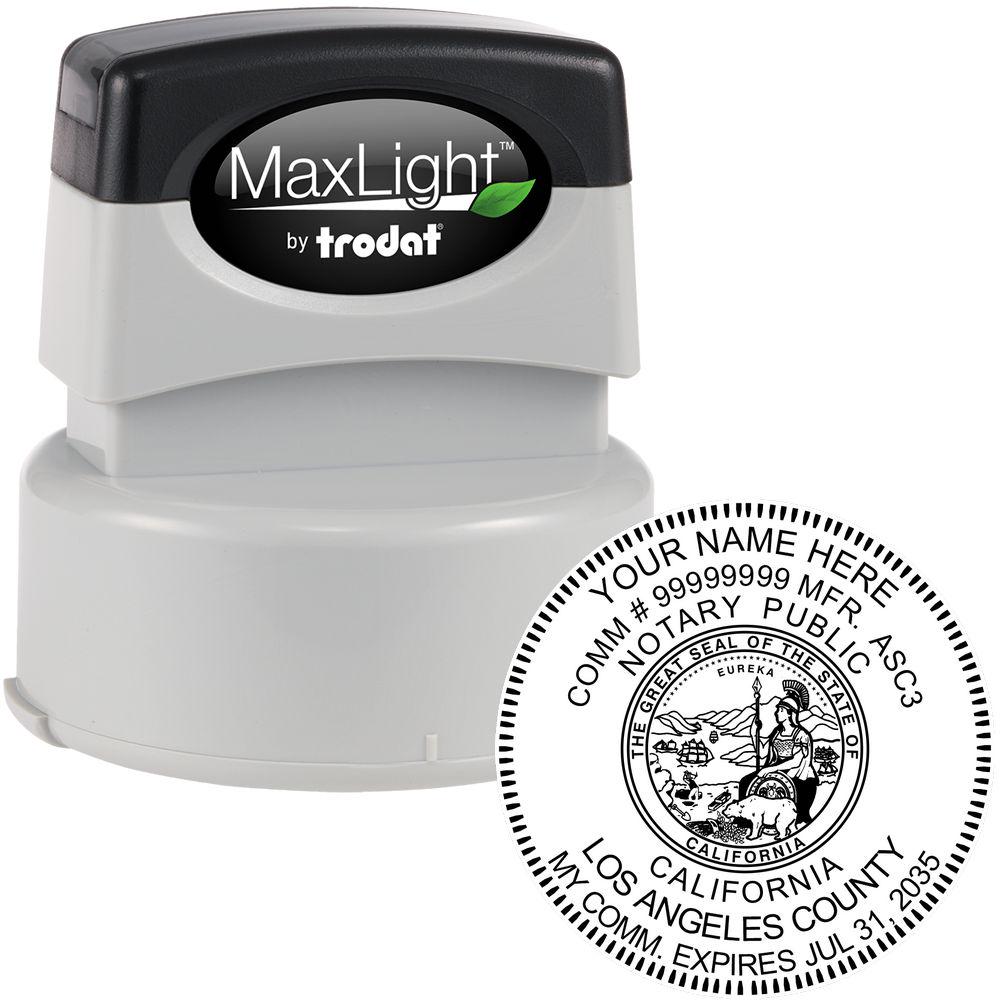
Ordering a California notary stamp does more than just fulfill a legal requirement. It simplifies your daily notary needs, ensures compliance with state regulations, and gives you a professional edge you can feel proud of. Whether you are a new notary public or simply looking to update your existing equipment, understanding each step of the process will help you get a stamp that meets California standards and suits your personal preferences. Below, you will find tips and guidelines on how to order a California notary stamp, what to look for in a supplier, and why it is such an essential part of your role as a California Notary Public.
Why You Need a California Notary Stamp
A California notary stamp is more than a piece of rubber and ink. It represents the authority vested in you by the state to witness and validate legal signatures. State law requires notaries to use specific wording and formats on every official notarized document, which is why your stamp is a must-have. It helps you:
- Prove your status: The stamp includes details that confirm your commission, ensuring easy verification.
- Authenticate documents: The stamped imprint adds legal weight to each signature, so signers have confidence in your services.
- Stay efficient: Clear stamps reduce the risk of errors or rejected documents, saving you time and energy.
Having the correct stamp not only supports you in performing your notarial acts correctly but also simplifies your workflow so you can serve clients more effectively.
Key Elements of a California Notary Stamp
A typical California notary stamp indicates several key elements required by the state. You will usually see:
- Your name: The name on the stamp must match the name on your commission exactly.
- The words “Notary Public” and “State of California”: These give instant clarity about your authority and jurisdiction.
- Your commission expiration date: This ensures anyone reading the document knows your commission is active and valid.
- Your commission number: A unique identifier that ties the notarization back to your official records.
Importance of Consistency
California’s Secretary of State sets strict guidelines for notary stamp information. This consistency across all authorized notaries means documents are less likely to be questioned or refused. When you order a California notary stamp, you want to double-check that:
- Your personal information is accurate.
- The layout meets California’s size and shape guidelines (usually rectangular or circular with a certain bounding size).
- The stamp manufacturer is authorized to produce California-compliant stamps.
By following these steps, you reduce the risk of having your notarial acts deemed invalid.
Understanding the Requirements for a California Notary Stamp
Before you place an order, it is crucial to review the fundamental requirements that govern obtaining and using your notary stamp in California. Being familiar with these specifics ensures your stamp serves as an asset and not an obstacle.
Commission Details
You only become eligible to purchase a stamp once you have officially completed the state’s commissioning process. That includes:
- Filling out a notary application and passing a required exam.
- Submitting background check materials.
- Receiving approval from the Secretary of State and taking the oath of office.
Once your commissioning is complete, the Secretary of State will issue your commission number, which is a critical component of your stamp. Without it, you cannot place a valid order.
Placement on Documents
California law mandates that your seal or stamp appear near your signature on every notarized document. This stamp verifies that you have notarized the document officially, and it must be legible for the notarization to be valid. As you perform each notarization:
- Check that you have the correct signers present.
- Make sure you are applying your stamp on documents the state allows.
- Keep the imprint clean and crisp so that every element of the stamp is easily visible in copies or scans.
By carefully placing your stamp, you help ensure that the documents you notarize meet California’s legal standards.
Tips for Ordering a California Notary Stamp Online
Ordering a California notary stamp online should be a straightforward process once you know what to look for. This approach can save you time and often presents a broader range of choices in terms of designs, handle materials, and ink colors (where allowed). Follow these practical tips to streamline your order.Gather Your Commission Details
- Before browsing, make sure you have your official documentation handy. You will need:
- Full legal name as it appears on your commission.
- Commission number.
- Commission expiration date.
- Having these details at your fingertips helps you fill out order forms accurately.
Verify the Supplier’s Credentials
- When you visit an online store, look for clear indications that they are experienced in producing California-compliant stamps. Legitimate suppliers typically display a disclaimer or note that they have updated designs in line with the Secretary of State’s rules.
Choose the Right Stamp Style
- In California, rectangular stamps are common, but you may prefer a circular stamp. Either option is valid if it meets the correct size and content requirements. Think about how often you will be using your stamp and whether you prefer a self-inking or pre-inked model.
Check Production and Shipping Times
- Time is often a factor. Give yourself enough buffer to receive and test your stamp before you begin actively accepting notarial assignments. Confirm shipping times, and where possible, choose a supplier known for quick turnaround.
Request a Proof if Possible
- Some suppliers will send you a proof of your stamp for verification before they finalize production. Taking an extra minute to confirm all details are correct can help you avoid costly reprints.
Why Choose Acorn Stamps
When you decide to order a California notary stamp, partnering with a reputable brand can make a world of difference. Acorn Stamps has maintained a reputation as a top supplier of California notary stamps and seals for decades. You get:
- Family-Owned Passion: Acorn Stamps has been operated by the same family since 1964, meaning you benefit from 60 years of personalized service and industry know-how.
- Stellar Customer Service: You can expect friendly, responsive support, with quick answers to any questions you have about stamp designs, shipping, or regulations.
- Super Fast Turnaround: Acorn Stamps understands that you need your stamp as soon as possible. They pride themselves on an efficient process that gets the product to your door promptly.
- Commitment to Quality: With a deep understanding of state requirements, Acorn Stamps ensures every notary stamp meets California’s strict standards.
By choosing a dependable supplier, you minimize the risk of having to reorder or incurring delays in your notarial work. You also have the comfort of working with a company that values your time and budget.
Maintaining Your Notary Stamp
Once you finally have your California notary stamp in hand, you will want to preserve it for a long, productive service life. Proper care can help keep your impressions crisp and easy to read, as well as protect you from missing out on important details in your day-to-day notarizations.
Storing Your Stamp
Without proper storage, your stamp can suffer wear and tear that degrades its clarity. Here are some actionable ideas:
- Keep It in a Case: If you have a self-inking or pre-inked stamp, store it in its locked position so the ink pad remains covered.
- Use a Dry, Cool Place: Humidity and excessive heat can affect the ink, leaving you with blotchy or faint imprints.
- Avoid Direct Sunlight: Prolonged sun exposure might cause the rubber to crack or the ink to dry prematurely.
Re-Inking or Replacing Pads
Most self-inking and pre-inked stamps allow you to add new ink when the impression starts to fade. If you use your stamp frequently, you may need to re-ink as often as every few months. Be sure to:
- Use the correct ink type recommended by the manufacturer.
- Follow the steps carefully to avoid damaging the internal mechanism.
- Test the stamp on scrap paper before notarizing a critical document.
If you notice permanent damage to the rubber plate, it is time for a replacement. Using a damaged stamp can lead to incomplete or illegible impressions, putting your notarized documents at risk.
Additional Supplies to Consider
While the notary stamp itself is essential, you might also want to explore other notary supplies that make your daily tasks smoother. Whether you deal with a few notarizations per month or dozens per day, these tools can benefit you.
- Notary Journal: California law requires that you maintain a notary journal of all official acts. Look for an option with durable pages and clear space to record signatures and thumbprints, if needed.
- Embossing Seal (Optional): Some notaries like the added formality, though the stamp is typically sufficient. If you use one, make sure its layout also complies with California guidelines.
- Inkless Thumbprint Pad: Certain documents, such as real estate deeds, may require thumbprints in the notary journal. An inkless pad is often more convenient and cleaner than traditional inks.
- Security Storage Bag: Consider a small, lockable or secure messenger bag for transporting your notary supplies on home visits or mobile appointments.
Staying prepared with the proper tools not only streamlines your process but also enhances your professional image.
Streamlining Your Notary Duties
Balancing your daily responsibilities as a notary public can feel overwhelming at times. Between verifying document authenticity, confirming identities, and maintaining your records, every action requires diligence. Fortunately, there are strategies you can adopt to make your role more manageable:
- Create a Workflow: Plan out each step of the notarization process, from greeting your signer and verifying ID to making your stamp impression and logging the act in your journal.
- Stay Updated: Regulations can shift in response to new state laws or policies. Join professional notary associations or follow official announcements from the Secretary of State’s office to keep your knowledge current.
- Invest in Reliable Tools: One quality stamp from Acorn Stamps can be more valuable than multiple low-quality alternatives. Accuracy and consistency are worth the investment.
- Schedule Regular Maintenance Checks: Periodically review your stamp impression quality and the condition of your ink pad or plastic handles. A quick check can save you from errors.
With an organized approach, your notarial tasks become less repetitive, and you have more confidence in the documents you handle each day.
Frequently Asked Questions (FAQs)
Below are some common questions California notaries often have when it comes to ordering and using their notary stamp.
How Soon After I Receive My Commission Should I Order My Stamp?
You should order your stamp as soon as you have your commission number and expiration date. Doing so ensures you can start notarizing documents immediately without delays.
Can I Use a Self-Inking Stamp, or Do I Need a Traditional Rubber Stamp?
Both options are acceptable in California, as long as they contain the necessary information. Self-inking stamps are popular for their convenience and cleaner impressions.
What Happens If My Stamp Impression Is Faint or Incomplete?
If your impression is faint, re-ink your stamp or check for damage. Always confirm that the impression is legible on your documents. If it is incomplete, redo the stamping on the same page without obstructing other text.
Do I Need a Special Manual or Guide for California Stamp Rules?
While there is no single, official manual for notary stamps, the Secretary of State guidelines outline everything you need to know. You can also consult your notary training materials or professional associations for clarification.
Is It Necessary to Update My Stamp if My Name Changes During My Commission Term?
Yes. If your legal name changes, you must officially change your notary commission information. You need a correctly updated stamp matching your new commission name to ensure your notarizations remain valid.By knowing the fundamentals of ordering a California notary stamp and maintaining it for peak performance, you set yourself up for success as a notary public. From verifying your commission details to ensuring you partner with a reliable supplier like Acorn Stamps, each decision is an investment in the professionalism and trustworthiness of your notarial acts. This careful approach not only helps you stay compliant but also ensures peace of mind for anyone depending on your services.