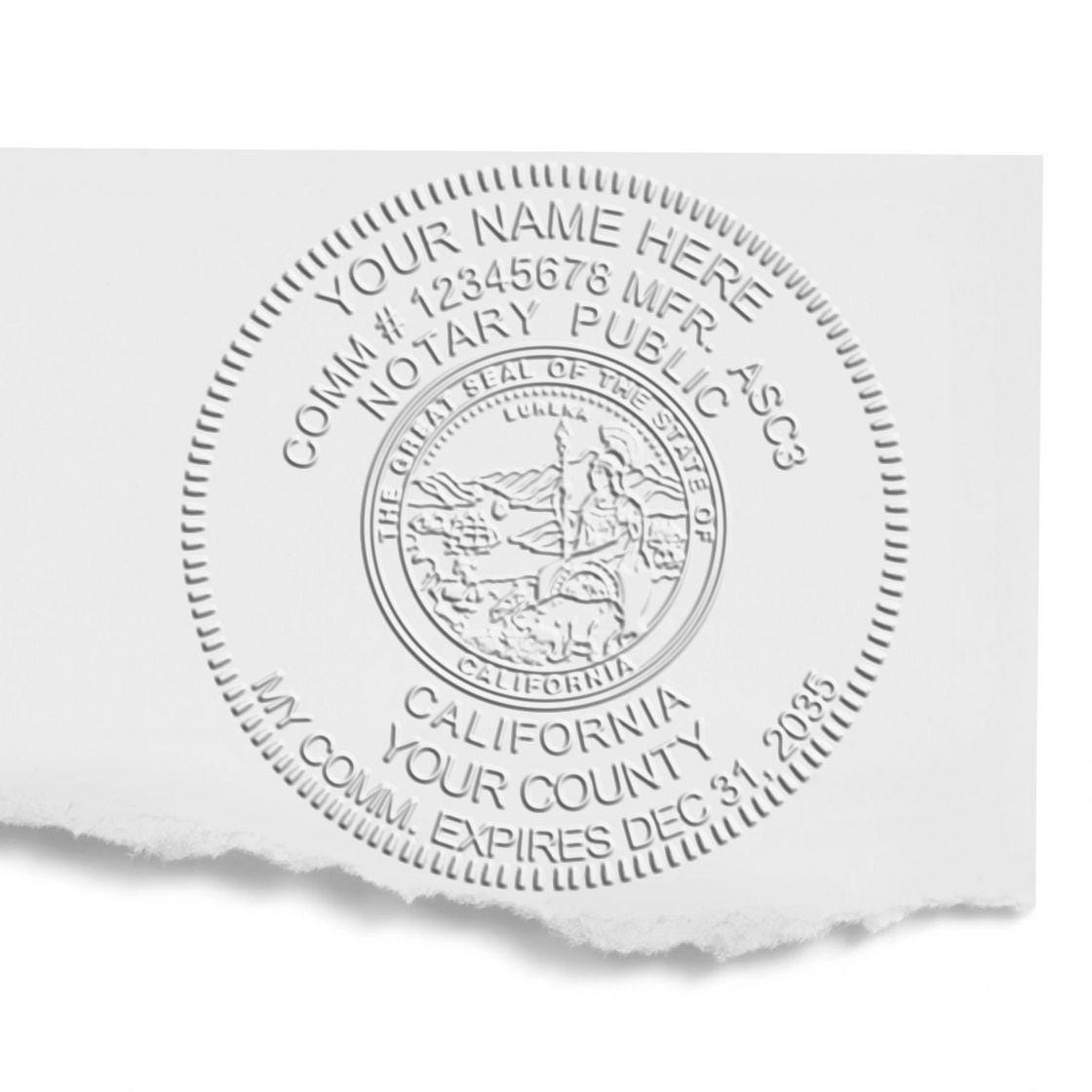
Are you about to embark on your journey as a California Notary Public and need the right CA notary stamp and seal? The stamp and seal are not just symbolic elements of your notarial duties. They are essential tools that authenticate the documents you handle and reinforce your professional standing. Whether you are preparing for your first commission or refreshing your supplies, choosing the perfect stamp and seal is a vital step in setting yourself up for success.You will find countless options on the market, each claiming to be the best fit. It can feel overwhelming to sift through different shapes, sizes, and ink types, especially if you are unsure what the state of California specifically requires. By understanding the basics of CA notary stamps and seals, you can fulfill your commission obligations while presenting a professional, trustworthy image to your clients.Below, you will discover why CA notary stamps and seals matter, what types you can select from, and how to choose the right one. You will also learn ways to keep everything compliant with California regulations. By the end, you will feel empowered to finalize your purchase confidently—hopefully with the friendly experts at Acorn Stamps, a family-owned and operated supplier that has proudly served notaries for 60 years and counting.
Why CA Notary Stamps & Seals Matter
Your CA notary stamp and seal serve as unwavering proof of your authority. When you emboss or stamp a document, you create an official imprint that indicates you have verified the relevant identity or signature. This verification helps deter fraud and ensures that signed documents stand up to legal scrutiny.
- Establish Legitimacy: People depend on notaries to confirm identities and witness critical transactions. A crystal-clear stamp impression or seal signifies that you took the proper steps and adhered to legal guidelines.
- Protect Against Fraud: A properly formulated stamp or seal is difficult to copy. It has details like your commission name and number, which both attest to the authenticity of your notarial act and help keep fraudulent activities at bay.
- Comply With State Laws: California law requires a unique notary seal containing specific elements, including your name, commission number, and the term “Notary Public.” By keeping your stamp up to date, you avoid fines and help ensure your seal is recognized in all valid proceedings.
Before you can confidently authenticate documents, it is crucial to ensure that your seal (embosser) and stamp meet both California’s guidelines and your own professional needs. If you have ever wondered whether the notary stamp design, size, or ink color matter, the answer is a resounding yes—each detail is an integral part of your role as a notary.
Explore Different Stamp Types
When you set out to purchase a CA notary stamp, you will notice three main categories: traditional rubber stamps, self-inking stamps, and pre-inked stamps. All three produce legally acceptable impressions, but they differ in durability, ease of use, and overall cost.
Traditional Rubber Stamps
Traditional rubber stamps are the classic option for notaries who prefer the simplicity of an ink pad. You dip the stamp surface into the pad, then press down on the document to leave your notary impression. This approach may seem old-fashioned, but it remains a proven method for many professionals.In terms of everyday practicality, traditional stamps tend to cost less upfront compared to their self-inking or pre-inked counterparts. However, you do need to carry a separate ink pad and regularly replenish the pad’s ink to keep your imprint clear and consistent. If you plan on a low to moderate volume of notarizations, you may find that traditional rubber stamps do the job just fine without breaking the bank.One consideration is the potential for ink smudges. If you are rushing to complete a file, it is easy to press the stamp too quickly or unevenly, leading to blurred edges on your imprint. You can usually avoid that issue by being methodical: simply apply the stamp with a firm, even pressure. With a bit of practice, you can produce professional results consistently.
Self-Inking Stamps
Self-inking stamps have an internal ink pad. Each time you press down, the die meets the ink inside the unit, then leaves a crisp impression on your document. This built-in pad is designed to last for several thousand impressions before needing a refill. For notaries who handle frequent signings, self-inking stamps offer speed and convenience.You do not have to carry a separate ink pad, which means fewer pieces to manage in your bag or briefcase. The stamping procedure is quicker—just line it up, press down, and the job is done. Also, many manufacturers allow you to choose ink colors, such as black or blue, which can help your stamp stand out on official documents. Keep in mind that clarity and consistency often remain high throughout the life of the unit.One potential downside is that, over time, the internal pad will wear out. You will then need to replace or refill it. Fortunately, modern self-inking designs make replacing the ink pad relatively straightforward. Once you handle a refill or two, you will likely be a pro at the quick swap.
Pre-Inked Stamps
Pre-inked stamps are the newest technology in the notary realm. Instead of relying on a separate ink pad, the ink is integrated directly into the stamp’s rubber surface. Each impression tends to be exceptionally sharp and consistent, making pre-inked stamps a favorite among notaries who require a large volume of notarizations with little downtime.Because the ink is built into the stamp, there is almost no chance of smudging or uneven coating. Additionally, pre-inked stamps are known for producing thousands of identical impressions before the ink reservoir needs replenishing. These features often come at a slightly higher cost than traditional or self-inking stamps. Nonetheless, if efficiency and quality are your top concerns, you may find that a pre-inked stamp is worth the investment.Another perk is the compact design. Pre-inked stamps tend to be smaller and lighter than self-inking stamps, meaning they fit more discreetly into your notarial kit. Factor that in if portability is a priority. The main drawback is that once they run low on ink, you must follow the specific refill steps carefully to avoid ink leaks or inferior prints.
Choose The Right Notary Seal
In California, a notary seal refers to an embosser or rubber stamp that includes essential information such as the words “Notary Public,” your name, your commission number, the county where your oath of office is on file, and the commission expiration date. While some states allow embossers alone, California typically requires an inked seal for records. However, you might still use an embosser in conjunction with ink stamping to add an extra layer of authenticity.When selecting your seal, consider the following:
- Shape And Size: California notary seals are often rectangular or circular, with exact dimension requirements set by the state. Make sure you opt for a design that fits comfortably on standard documents so all information remains legible.
- Cost And Quality: Look for a durable seal made from sturdy materials that can handle repetitive use without degrading. Cheaper seals might wear down faster, leading to partial or faded marks on your important documents.
- Clarity Of Impression: If you choose an embosser, consider visibility. Raised text is elegant, yet it might be difficult to photocopy. That is why an inked seal typically remains more practical for everyday transactions.
Be prepared to provide official documentation and information about your commission when ordering a seal. Reputable suppliers like Acorn Stamps will need these details to create your seal in compliance with California law.
Stay Compliant In California
As a California notary public, you must adhere to a range of established regulations, from how you handle your seal to how you keep your journal. Although it may seem cumbersome at first, staying compliant becomes second nature once you have integrated these steps into your daily notarial routine.
- Protect Your Stamp And Seal: Only you are authorized to use your stamp and seal. Keep them locked in a secure place, and never share them with others—even a trusted colleague. If they are ever stolen or lost, report it immediately to the appropriate authorities.
- Update Your Commission: Your commission has a set expiration date. Before that date approaches, you will need to renew it. When you receive your new commission, you will also require an updated seal that reflects any changes in your commission number or expiration date.
- Follow California’s Requirements: Remember that each state has its own notarial regulations. In California, you must use an inked stamp for most duties, and the rectangular shape is most common. If you are uncertain about any aspect of compliance, consult guidance from the California Secretary of State or a reputable notary association.
It is worth noting that failing to comply can lead to fines, commission suspension, or even revocation. Overall, understanding the legal nuances of using a CA notary stamp and seal is just as important as selecting the best product for your local business or mobile notary practice.
Care For Your Stamp & Seal
Proper maintenance helps you avoid blurred edges, inconsistent ink levels, and other quality issues that could send the wrong message to your clients. Since your stamp and seal are investments in your professional brand, it pays to give them the attention they deserve.
- Store Them Securely: Ensure your stamp and seal stay away from direct sunlight or extreme temperatures. Heat can wear down rubber components and cause ink to dry out prematurely. Cold conditions may cause stiff movement in the mechanisms.
- Clean And Inspect Regularly: If you have a pre-inked or self-inking stamp, gently wipe the stamping surface occasionally to remove any debris or residue. For a traditional stamp, keep the rubber surface free of dried ink by using a soft cloth dampened with a small bit of water or stamp cleaner.
- Monitor Ink Levels: For self-inking or pre-inked stamps, keep an eye on the output. If impressions start looking pale, refill before you run out altogether. If you rely on a traditional stamp, refill or replace the external ink pad to maintain crisp results.
In addition to ensuring neat, consistent impressions on documents, good maintenance can extend the life of your stamping tools, saving you money in the long run.
Top Reasons To Choose Acorn Stamps
When you are deciding on a CA notary stamp and seal, shopping with a knowledgeable, reliable supplier can be the difference between uncertain guesswork and confident selection. Acorn Stamps, family owned and operated since 1964, offers decades of expertise with a focus on California notary stamps and seals. Here are a few reasons why you might consider turning to Acorn Stamps for your needs:
- Specialty In California Notary Supplies: Not all stamp providers understand the intricacies of California’s notary requirements. At Acorn Stamps, you get a team that knows exactly what is needed on your seal and offers high-quality designs that meet the state’s standards.
- Stellar Customer Service: Whether it is your first commission or you have notarized thousands of documents, Acorn Stamps is ready to guide you. Friendly, knowledgeable staff can walk you through choosing your perfect stamp or seal and offer tips on keeping it compliant.
- Super Fast Turnaround: Sometimes, you need a new stamp or seal in a pinch. Acorn Stamps takes pride in rapid production and promptly shipping your order so you can move forward with your notarial duties.
- Family Values And Heritage: With 60 years of experience, Acorn Stamps has built a reputation for personalized service and community trust. That longevity reflects in the quality of their products and their commitment to your satisfaction.
If you are stuck between a self-inking or pre-inked stamp, or if you wonder which seal shape is right for you, Acorn Stamps’ wide range of options can help you find just the right fit. You can rest easy knowing you are getting products made by a team with decades of dedication to notaries just like you.
FAQs About CA Notary Stamp & Seal
Below, you will find answers to common questions many California notaries have. If you keep these insights in mind, you can enhance your day-to-day efficiency and professionalism.
How Soon Can I Get My CA Notary Stamp And Seal After My Commission Is Approved?
Once you have your commission information, you can typically order and receive your stamp and seal within a few business days. Turnaround depends on your supplier, but companies like Acorn Stamps pride themselves on quick shipping to ensure you can start your notarial work as soon as possible.
Do I Need To Use Both A Stamp And An Embosser In California?
California primarily requires an inked stamp for official notarizations, but an embosser can accompany your stamp for an added layer of authenticity. Some notaries prefer the elegant, raised impression of an embosser, though it is not required by law. Always include the proper information in the seal to comply with state guidelines.
Can I Customize The Ink Color On My Stamp?
Yes. Most suppliers allow you to choose from several ink colors, such as black or blue. California law only states that the stamp impression should be legible and photographically reproducible, so choose a color that will stand out clearly on the documents you notarize. Black is most common, but blue is also popular for easy identification.
How Do I Replace Or Refill My Stamp If The Imprints Begin To Fade?
A: It depends on which type of stamp you use. For a self-inking stamp, you can replace the internal ink pad. Pre-inked stamps require adding ink directly into the reservoir. Traditional stamps need a fresh external ink pad. Consult your supplier’s guidelines or ask for assistance if you are unsure.
What Should I Do If My Stamp Or Seal Is Lost Or Stolen?
A: Report the loss immediately to the California Secretary of State and local authorities. You should also note the incident in your notary journal, including the date you discovered the loss. These steps help protect you from liability in case someone attempts to misuse your stamp or seal.Selecting and caring for a CA notary stamp and seal are vital aspects of your notarial role. By remaining attentive to compliance guidelines, you safeguard your reputation and maintain the trust of your clients. With a reliable supplier like Acorn Stamps, you can feel confident that you have the right tools to perform every notarization with ease and professionalism.If you keep these insights in mind, you will be better prepared to manage your responsibilities as a California notary public. Your stamp and seal may seem like small touches, but they play a crucial part in every transaction you oversee. Aim high in quality from the beginning, and you will be well on your way to a more efficient and trusted notary practice.