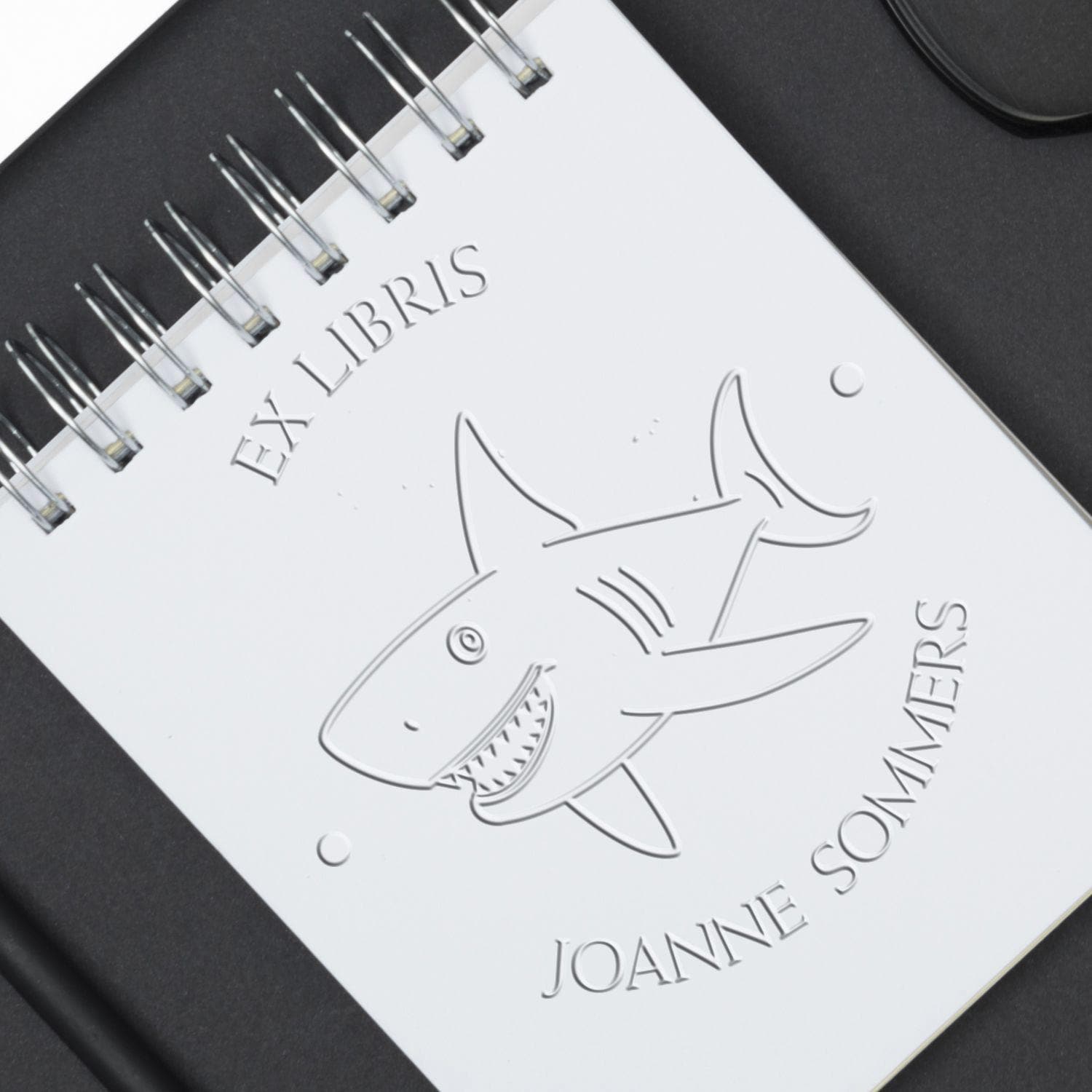
Whether you consider yourself a casual reader or an avid collector, a custom bookplate stamp is a wonderful way to give your books a personalized flourish. By adding a simple stamp to each volume, you transform a basic inscription into a thoughtful piece of art that represents your taste and identity. Below, you will find insights on why a custom bookplate stamp stands out, how to choose or design one, and tips for caring for it. You will also learn about additional creative uses—beyond just books—plus answers to common questions. Enjoy exploring the world of personalized stamping and discover how it can elevate your library.
Why A Custom Bookplate Stamp Matters
Your personal library is an extension of who you are. It holds the stories and information that captivate your imagination and shape your thinking. While it is common to jot a quick inscription inside a book—perhaps your name or a short message—a custom bookplate stamp transforms that simple note into a polished, memorable detail. A library stamp or personalized ex libris stamp indicates ownership, but it also serves as a creative signature. Imagine lending a novel to a friend and having them instantly know it is yours because of a unique, stylish mark on the inside cover. It bridges practicality with personalization, giving each book a visually engaging identity.
By opting for a custom bookplate stamp, you gain:
- A neatly consistent way to mark your entire collection
- A quick method of personalizing gifts for fellow book lovers
- The chance to express your personality through fonts, motifs, and imagery that resonate with you
In a world of mass-produced items and digital reading devices, a custom bookplate stamp stands out by giving tangible warmth to your beloved paperbacks or hardcovers. Whether you prefer a traditional ex libris style or a more modern silhouette, the stamp ensures each book is recognized as part of your personal library.
How To Choose The Right Custom Bookplate Stamp
When exploring the idea of creating a custom bookplate stamp, it is essential to consider several factors that influence the final outcome. From visual style to functional details like size and stamp type, your decisions will shape both the appearance and usability of your stamp. Here are some pointers to guide you:
- Determine Stamp Format
There are different types of stamps, including self-inking, pre-inked, and traditional wooden or rubber stamps that require a separate ink pad. A self-inking stamp offers convenience and a quick impression. However, if you want ultimate control over color or ink qualities, a wooden stamp with a separate ink pad might be a better choice.
- Consider Size And Shape
Think about the average dimensions of your books. A very large stamp might overwhelm a compact paperback, while a tiny stamp could get lost on a big hardcover. Aim for a neat, balanced size—something noticeable yet not intrusive.
- Pick A Style That Reflects You
If you love vintage aesthetics, opt for a Victorian frame or an antique typeface. For a clean, modern look, you might try minimalist lines and simple typography. The style you select can match the vibe of your home library or even reflect your favorite literary genre.
- Mind The Practical Details
Consider how many books you plan to stamp. If you have a large collection to personalize, look for a durable, high-quality stamp that can stand up to repeated use. Materials matter—both the handle and the stamp plate should be sturdy enough to ensure consistent impressions over time.
- Decide On Wording
Many people incorporate “ex libris” (Latin for “from the library of”) or “this book belongs to.” You can also do something more playful, like a witty phrase or your own signature catchphrase. The words can be in big, bold letters or woven seamlessly into a decorative design. Choosing the right custom bookplate stamp does not have to be complicated. With a clear sense of what you want—style, size, functionality—you will be well on your way to owning a distinctive stamp that you will love to use again and again.
Design Tips For A Unique Look
Designing a custom bookplate stamp is an exciting creative challenge. You can brainstorm everything from regal flourishes to sleek modern typefaces. The key is striking a successful balance between visual appeal and readable clarity. Here are some suggestions to help you develop your design:
Choose The Right Typography
Typography is central to any stamp design. A classic serif font can evoke tradition and literary heritage, while a sans-serif style might signal contemporary flair. If your name is quite long, consider a font that is easy to read in smaller sizes, so each letter remains crisp.
Incorporate Fitting Imagery
A custom bookplate stamp can feature more than just text. You might include small illustrations or icons that reflect your interests. Some suggestions:
- A stack of books
- Quill pens or fountain pens
- Nature motifs such as leaves or branches
- A personal crest or monogram
When choosing an icon or illustration, keep in mind that stamps look best when the design is not overcrowded. Simplify any detailed artwork so that it translates well onto the stamp surface.
Balance Space And Details
Give your text and imagery some breathing room. Avoid cramming every corner with design elements. A good layout typically centers or balances the visual elements so that the eye can travel easily around the stamp. If you include a border, make sure it frames the main content gracefully, without dominating the design.
Proof And Test
Before finalizing your design, print a rough version on regular paper or make a sample stamp impression if you can. This confirms that everything is clear at the intended size. If a particular line is too small or a decorative flourish is too complicated, it may blur during stamping. Adjust as needed to ensure a crisp, elegant impression. A well-thought-out design can transform a generic “This book belongs to” statement into a piece of art you will love stamping inside every volume. The more your design reflects your personality, the more satisfying it is to mark each book in your collection.
Types Of Ink And Materials
When it comes to using your custom bookplate stamp, ink is the unsung hero. The right ink ensures a crisp, clean impression that will not fade or bleed through pages. Similarly, the materials used for the stamp itself—wood, rubber, or other synthetic compounds—also play a crucial role in delivering consistent results.
Understanding Ink Varieties
- Water-Based Ink
Ideal for most book pages because it is less likely to bleed through. Also dries relatively quickly, ensuring no smudges when you flip the page soon after stamping.
- Dye-Based Ink
Often vibrant and quick to dry, yet it can soak into certain papers if pressed too firmly. If you prefer bright colors, though, dye-based ink can make your stamp pop.
- Pigment Ink
Rich and opaque, pigment ink takes a bit longer to dry, but its longevity is impressive. If you have heavier paper stock—like certain art or specialty books—pigment ink can yield a beautiful, enduring impression.
Self-Inking Vs. Separate Ink Pad
- Self-Inking Stamps
Convenient since the ink reservoir is built in, eliminating the need for a separate ink pad. These stamps often use water-based ink that can be refilled once depleted. Great for quick, repetitive use.
- Traditional Wooden Or Rubber Stamps
Require a separate ink pad, which allows you to easily switch ink colors. This flexibility is perfect if you want a range of hues for different themes or occasions.
Material Matters
A durable, precise stamp plate is crucial. Many custom stamps feature a rubber or polymer plate that holds the design. The handle might be wood or plastic. Wood handles often have a more nostalgic, classic appeal, while plastic handles can be ergonomic and lightweight.Understanding the basics of ink and stamp materials helps guarantee that your impressions look sharp and last for years. Choosing the right combination can significantly enhance the beauty and functionality of your custom bookplate stamp.
Application Techniques For Professional Results
A custom bookplate stamp is only as good as the impression it makes on the page. Technique matters—aiming for a clean stamp on the first try can be easier than you think if you follow a few simple steps.
- Prep Your Workspace
Select a flat, stable surface that supports even pressure. Working on a soft or uneven area can result in partial impressions or blurred lines.
- Test On Scrap Paper
Before you stamp your book directly, do a couple of test presses on a scrap piece of paper. This lets you gauge the amount of pressure needed and confirm that your ink color and saturation look good.
- Press Evenly
Place the stamp onto the page with firm, even pressure. Try not to rock or tilt it, which can cause smudges. If your stamp is large, press down across all corners to ensure the entire design transfers.
- Lift Straight Up
Once you have pressed the stamp firmly, lift it straight up in a smooth, controlled motion. This prevents smearing from side-to-side movement.
- Let It Dry
Depending on your ink type, give the design at least a few seconds to settle. If you use a pigment-based ink, you might allow a minute or so for complete drying.
- Mind The Page Edges
If you stamp near the binding or edge of a page, be careful not to press too close to the hardcover spine. A flat stamping surface is always crucial for a crisp impression. Following these steps can transform a simple stamping session into a near-professional outcome. By prepping well and pressing carefully, you get beautiful, consistent designs every time.
Creative Uses Beyond Personal Libraries
A custom bookplate stamp is not just for personal libraries. Its adaptability can add flair to various projects and items in your everyday life. Consider these innovative ideas to make the most of your stamp:
- Personalized Gifts: When you give someone a book, stamp the inside cover. Add a quick note next to the impression, such as “Happy Reading!” or “Enjoy Your New Favorite Book.”
- Wedding Or Event Invitations: Use a subtle version of your custom design to give your invitations a timeless, bookish touch.
- Book-Themed Party Favors: Hosting a literary gathering or book club meeting? Stamp small notebooks, bookmarks, or favor bags to tie the theme together.
- Journals And Sketchbooks: If you use personal journals or sketchpads, mark them with a custom stamp to define them as yours. This also helps if you misplace them.
- Stationery: You can stamp envelopes or writing paper to lend a distinctive, personal feel to your letters.
No matter how you use it, your custom bookplate stamp adds an element of originality. You are free to experiment—try stamping your greeting cards, notepads, or even shipping boxes for a creative statement that sets you apart.
Caring For Your Custom Bookplate Stamp
Like any well-loved tool, your custom bookplate stamp deserves proper care so that it stays in prime condition for repeated use. Maintenance is relatively straightforward, and taking a few simple steps can extend the life of both your stamp and any accessories.
- Clean Gently
If you use water-based or dye-based inks, a quick wipe with a damp cloth or gentle cleaning solution can remove leftover ink. For more stubborn ink—like pigment ink—try a mild stamp cleaner or soap and water. Avoid harsh chemicals that can degrade rubber or polymer.
- Avoid Excessive Scrubbing
A soft cloth or sponge is usually enough to clean the surface. Vigorous scrubbing might distort fine design elements, especially if your stamp design includes delicate details or lines.
- Store It Properly
Keep your stamp away from heat, direct sunlight, and moisture. Extreme temperatures can warp the rubber or wood. Some people store their stamps in dedicated containers or small boxes to protect them from dust and accidental knocks.
- Maintain The Handle
If you own a wooden stamp, occasionally check for splinters. A light sanding and a dab of polish can help preserve its smooth finish. For plastic handles, wipe them clean with a dry cloth to remove any residue.
- Re-Ink Properly
For self-inking stamps, monitor the ink levels. Refill before the ink fully runs out to ensure consistent color and imprint quality. Follow the manufacturer’s instructions for applying the correct refill ink. With straightforward cleaning and proper storage, your stamp can last for countless impressions and maintain its precise design. By treating it well, you ensure that every time you mark a book or personalize another item, the stamp impression remains crisp and vibrant.
Why Choose Acorn Stamps
When you decide to create a custom bookplate stamp, it pays to partner with a provider that understands both craftsmanship and customer satisfaction. Acorn Stamps has been a family-owned and operated business since 1964, providing high-quality personalized stamps for over 60 years. Here is why so many stamp enthusiasts trust Acorn Stamps:
- Top Supplier Of Custom Made Stamps: With decades of expertise, Acorn Stamps has the knowledge and experience to craft designs that deliver sharp, beautiful impressions.
- Personalized Service: Your stamp is unique to your personality or brand. At Acorn Stamps, you work with a team that’s committed to capturing your vision accurately and accommodating any special requests.
- Stellar Customer Service: From answering initial inquiries to guiding you through design adjustments, you will find helpful staff ready to ensure your satisfaction. This high level of support can make all the difference, especially if you are new to custom stamping.
- Super Fast Turnaround: Sometimes you need your stamps sooner rather than later. Thanks to a streamlined production process, Acorn Stamps delivers on time, so you can start marking your books with minimal delay.
- 60 Years Of Service: Having spent decades honing craft and technique, Acorn Stamps is not just another newcomer. The heritage and understanding built over the years translate into reliable products made with care.
Whether you are picking your very first custom bookplate stamp or enhancing an existing collection, Acorn Stamps can help you create something truly special. Your library, small or large, deserves a timeless signature that reflects its owner.
Frequently Asked Questions (FAQs)
Below are answers to some of the questions people often ask about creating, using, and caring for a custom bookplate stamp.
How Do I Design My Stamp?
You can choose from various templates or work with a designer to customize fonts and imagery. Many people start with their name or initials plus a small icon that represents their personality. At Acorn Stamps, you can request guidance to fine-tune your artwork or tweak existing templates to suit your taste.
Which Ink Works Best On Different Paper Types?
Thinner or standard book pages usually do well with water-based ink because it dries quickly and does not typically bleed through. Heavier cardstock or art paper can handle pigment-based inks that deliver richer, more opaque impressions. Testing on similar scrap paper beforehand will help you decide the best option.
How Long Will My Stamp Last?
A high-quality stamp, like those from Acorn Stamps, can last for many years if cared for properly. Regular cleaning, proper storage, and following usage instructions makes a huge difference. If you maintain the rubber or polymer stamp plate, it can serve you for thousands of impressions.
Are There Different Size Options?
Yes. You can get a stamp as small as a half-inch icon or as large as a few inches wide. The best size depends on your preferred design and the typical dimensions of your books. It is crucial to measure your books or test mock-ups to confirm you are happy with the proportions before finalizing your order.
How Quickly Will I Receive My Order?
At Acorn Stamps, you can expect a super fast turnaround. Production times vary depending on the complexity of your design and current demand, but you can generally anticipate receiving your custom stamp within a matter of days or a couple of weeks at most. Expedited options may also be available if you need your stamp right away. A custom bookplate stamp is more than a piece of rubber or polymer. It symbolizes your unique reading journey and infuses your collection with character. By choosing the right design, ink, and materials—and caring for your stamp diligently—you preserve its quality for countless impressions. Whether you prefer a traditional ex libris design or a modern take on personalized stamping, you can bring a stylish note to every book you own. And when you work with a trusted supplier like Acorn Stamps, you get the added bonus of expert craftsmanship, stellar customer service, and a legacy that spans nearly six decades. Happy stamping!