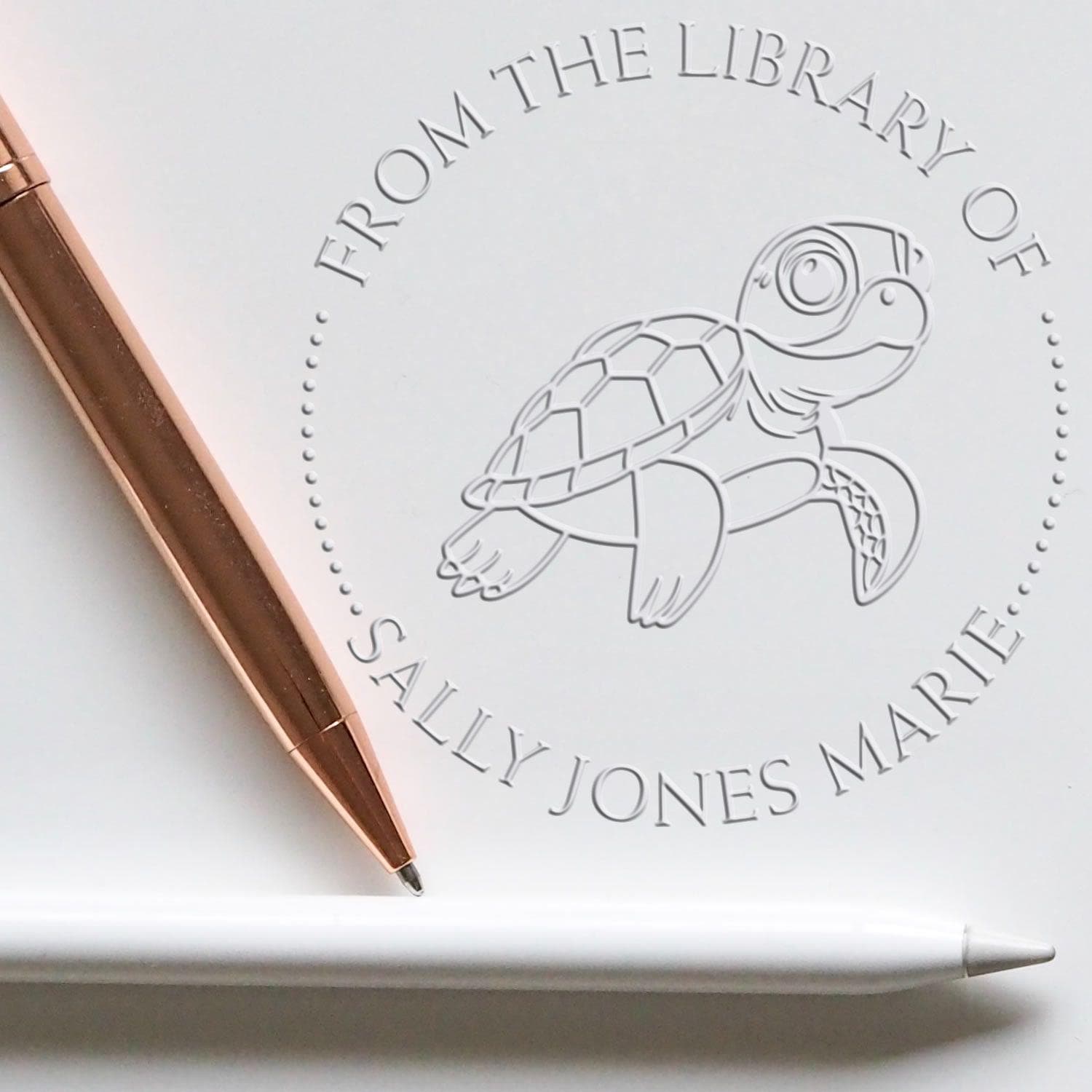
Embrace the Joy of a Personalized Library
If you love collecting books and want a creative way to show they belong in your personal collection, an ex libris rubber stamp can be your new favorite accessory. From classic libraries lined with leather-bound volumes to a cozy corner shelf filled with paperbacks, adding a personalized stamp to each book ensures your treasured reads are unmistakably yours. In this friendly and informative guide, you will discover everything you need to know about ex libris rubber stamps—from their origins and benefits to tips on designing one that reflects your personal style.
What Is an Ex Libris Rubber Stamp?
“Ex libris” is a Latin phrase meaning “from the books of,” and it has historically been used as a sign of book ownership. Traditionally, bibliophiles would paste beautifully illustrated bookplates inside the front covers of their volumes to proudly display a unique design and the owner’s name. Today, the concept continues but takes a delightful twist with ex libris rubber stamps. Instead of pasting paper plates, you can simply ink a custom stamp and mark each volume you acquire. Whether you have a small personal library or an impressive collection of rare titles, a stamped ex libris conveys a sense of pride in ownership while adding an extra layer of creativity to your reading experience.
Why You Need an Ex Libris Rubber Stamp
An ex libris rubber stamp offers practical benefits and a dash of fun. Here are some compelling reasons why adding one to your bookish arsenal is worth considering:
Preservation of Your Collection
One of the main reasons to use an ex libris rubber stamp is to keep close track of your beloved books. If you often lend out your novels or are part of a neighborhood book exchange, a personalized ownership mark helps ensure your copies make their way back to you. Over time, you can rest easy knowing that your treasured editions will be less likely to wander off for good.
Distinctive Design Options
Ex libris rubber stamps come in all shapes, sizes, and aesthetics. You can opt for a simplistic layout that simply states “This Book Belongs To…” or a more elaborate design that incorporates artwork like floral motifs, whimsical characters, or even your favorite quote. Instead of scribbling your name on the inside cover with a pen, a stylish stamped image elevates the look and feel of your collection. It also gives your library a uniform identity, which is surprisingly satisfying to see on a shelf.
A Connection to Book Lovers Past and Present
By using an ex libris rubber stamp, you tap into a long bibliophilic tradition that dates back centuries. Historically, readers took book ownership so seriously that they commissioned artists and engravers to create intricate bookplates. As you add your own stamp to modern paperbacks or vintage finds, you become part of this lineage of book enthusiasts. It’s a fun way to honor the bookish community of both the past and present.
How to Choose the Perfect Stamp
When you decide to purchase an ex libris rubber stamp, consider a few factors to ensure it suits your style and feels comfortable to use for years to come.
Size and Layout
First, think about the space available in your book’s front pages or endpapers. A very large stamp can be overwhelming in a small paperback, while a tiny stamp may get lost in a larger volume. Visualize how you want your stamp to look on the page, and measure your typical book size if necessary. A circular stamp might look great in the center of a vintage novel, whereas a rectangular stamp could fit neatly along the edge or corner of the page.
Material and Style
When shopping, you’ll notice options for both wooden-handled rubber stamps and self-inking models. Wooden-handled stamps require a separate ink pad, while self-inking stamps come pre-loaded with ink. If you love mixing and matching different ink colors, you might prefer a separate ink pad, while a self-inking stamp is convenient for speed and tidiness. Either way, the final design will look similar once stamped, so it often comes down to personal preference.
Designing Your Ex Libris Rubber Stamp
Creating the perfect ex libris stamp allows you to showcase your personality and tastes. Here are some tips on crafting a design that resonates with you
.
Selecting Artwork and Motifs
To find inspiration for your artwork, consider any personal interests or themes that run through your life. Maybe you are drawn to nature imagery such as trees, flowers, or birds. Perhaps you fancy minimalist line art of an open book with subtle flourishes. Or you might choose more whimsical options like a vintage teacup, a quill pen, or a friendly feline silhouette. Think about what will still feel fresh and representative of you years from now.
Incorporating Fonts and Text
Just as important as the artwork is the text. Since ex libris is often accompanied by a name or an ownership statement, pick a readable font style that suits your desired aesthetic. You can opt for a bold script if you want something elegant or a playful font for a more casual vibe. The simplest approach might be “Ex Libris” followed by your full name. Another creative angle is using phrases like “From the Library of [Name]” or “This Book Belongs to [Name].” The key is to ensure the text complements the artwork without overpowering it.
Using Your Ex Libris Rubber Stamp
Once you have your stamp in hand, you’ll want to master stamping techniques so you can avoid smudged ink or incomplete impressions.
Preparing Your Workspace
Before you begin stamping, clear away any clutter and gather the materials you need. This includes:
- Your ex libris rubber stamp
- An ink pad (if using a wooden-handled rubber stamp)
- A scrap sheet of paper to test your stamps
- A soft cloth or wipes for cleaning up ink
Make sure you have a flat, stable surface with good lighting so you can see each impression clearly.
Application Tips
- Do a Test Run: Always test your stamp on a spare sheet of paper before stamping directly into your book. This helps you gauge how much ink to use and the amount of pressure required.
- Inking Your Stamp: If you are using a separate ink pad, gently press the stamp into the ink pad in a rolling motion to ensure full coverage. Avoid saturating the stamp, as excess ink can lead to smudging.
- Firm, Even Pressure: When you press the stamp onto your book page, apply gentle but even pressure for a few seconds. Lifting the stamp too quickly can cause an incomplete or blurry image.
- Let It Dry: Ink can take a few seconds to dry, depending on the type you use. Avoid stacking or closing your book immediately to prevent transferring wet ink to the facing page.
Preventing Ink Smudges
Some inks dry faster than others. If you’re in a hurry, opt for a quick-drying ink formulated for paper. Consider gently lifting the stamped page away from other sheets or placing a sheet of scrap paper underneath it to prevent smearing. If you do happen to smudge the stamp, simply let it dry and use corrective measures like a small piece of decorative washi tape to cover the area, making it look intentional and stylish.
Tips for Caring for Your Stamp
Proper care ensures that your ex libris rubber stamp continues to produce crisp impressions for years to come.
Cleaning Your Stamp
After each stamping session, gently wipe your rubber stamp with a lint-free cloth or paper towel. If the ink has dried, you might need a stamp-cleaning solution. Avoid harsh chemicals that can degrade the rubber. A quick and mild clean keeps the image crisp and helps the stamp stay in great condition.
Proper Ink Types
Water-based inks are commonly used for ex libris stamps, especially if you want vibrant colors and easy cleanup. Pigment inks can produce rich, luscious colors but might require a little extra drying time. If you’re stamping on specialty papers—like coated or glossy pages—be sure to choose an ink that adheres well and won’t smear. Some book collectors enjoy experimenting with archival inks that are fade-resistant, ensuring their ownership stamps last through generations.
Storage Best Practices
When the stamp is not in use, store it in a cool, dry place, away from direct sunlight. Prolonged exposure to heat or moisture can damage the rubber. If possible, keep your stamp in a small container or box to minimize dust and accidental contact with other items.
Fun and Creative Ways to Stamp Your Collection
While marking your name on the inside cover of a book is the most common approach, there are plenty of other inventive ways to use an ex libris rubber stamp.
Bookplates and Book Cards
You can use the stamp on blank bookplates or adhesive labels that you stick into books. This allows for a cleaner finish without stamping directly onto delicate paper. Alternatively, create your own old-fashioned lending cards or library cards. Stamp each card with your ex libris design, making your personal library feel all the more official.
Special Editions and Gifts
Ex libris stamps aren’t just for your own library. If you frequently give books as gifts, consider adding a custom stamp on the inside cover. Pair it with a thoughtful inscription, and you’ve turned a simple book into a keepsake that carries your personal touch. Some people even choose a different stamp design just for gifts, making it easy to distinguish which books were presents.
Acorn Stamps: The Trusted Choice
When it comes to selecting or designing an ex libris rubber stamp, quality and service truly matter. Acorn Stamps, a family-owned business since 1964, has been helping book-lovers and stamp enthusiasts for 60 years by offering custom-made stamps and personalized designs to suit any preference.
Family-Owned Since 1964
Being a family-owned operation gives Acorn Stamps a distinctive charm. You’re not just dealing with a faceless corporation—you’re working with a team that genuinely cares about your satisfaction and the legacy of creating personalized stamps. Their extensive experience ensures each stamp is crafted with attention to detail, reflecting the time-honored tradition of ex libris design.
Stellar Customer Service
Acorn Stamps sees you as a fellow creative soul looking for the perfect finishing touch to your beloved book collection. Customer queries are handled with patience and enthusiasm. If you have any questions regarding stamp design, ink selection, or want advice on how to achieve the best print quality, you can expect friendly and prompt help.
Fast Turnaround and Quality
Whether you need just one stamp for your personal library or a batch for a special event, Acorn Stamps prides itself on speedy delivery times without sacrificing craftsmanship. Each rubber stamp is carefully produced to ensure crisp, lasting impressions, letting you fall in love with your stamp the moment it arrives.
FAQs About Ex Libris Rubber Stamps
Below are some frequently asked questions to help you learn more and confidently embark on your journey to stamping your books.
What Does “Ex Libris” Actually Mean?
“Ex libris” is a Latin phrase meaning “from the library of” or “from the books of.” It traditionally indicates ownership, dating back centuries when book collectors used elaborate bookplates to mark their prized volumes.
Can I Use Different Ink Colors for My Ex Libris Stamp?
Absolutely. If you’re using a wooden-handled rubber stamp, you’re free to explore any ink pads you like. Self-inking stamps usually come with one color, but you can refill or switch to different color cartridges if the model allows.
Will a Stamp Damage My Books Over Time?
Properly used, an ex libris rubber stamp will not harm your books. Choose acid-free or archival ink if you want to be extra careful with delicate paper or collectible editions. Always work on a clean, flat surface and do a quick test run.
How Big Should My Ex Libris Stamp Be?
That depends on your preference and the size of your books. Many people choose a design that fits comfortably in the blank space just inside the cover or on a front endpaper. Consider your typical book size and leave some margin around the edges for an elegant look.
Is It Difficult to Design My Own Stamp?
Not at all. Many suppliers, including Acorn Stamps, offer simple design tools or will work with you to create a custom image. You can share your own artwork or ideas, and they’ll handle the technical aspects of turning it into a high-quality rubber stamp.
By incorporating an ex libris rubber stamp into your personal library, you can celebrate your passion for reading in a delightful and meaningful way. Whether you’re building a modest shelf of favorite paperbacks or you’re an avid collector of rare books, stamping a creative ownership mark adds an air of authenticity that’s both timeless and fun. And with friendly suppliers like Acorn Stamps ensuring stellar customer service and quality craftsmanship, you can start stamping your way to a more personalized (and proudly owned) book collection without worry. From selecting motifs that resonate with your personality to using the right ink and caring for your new stamp, the process is straightforward and enjoyable. Even in today’s digital age, nothing quite compares to opening a physical book and glimpsing that small but significant ex libris mark—a nod to your ongoing love affair with reading. If you’re ready to make your collection truly your own, why not give an ex libris rubber stamp a try? Your shelves, and any future borrower of your books, will thank you.