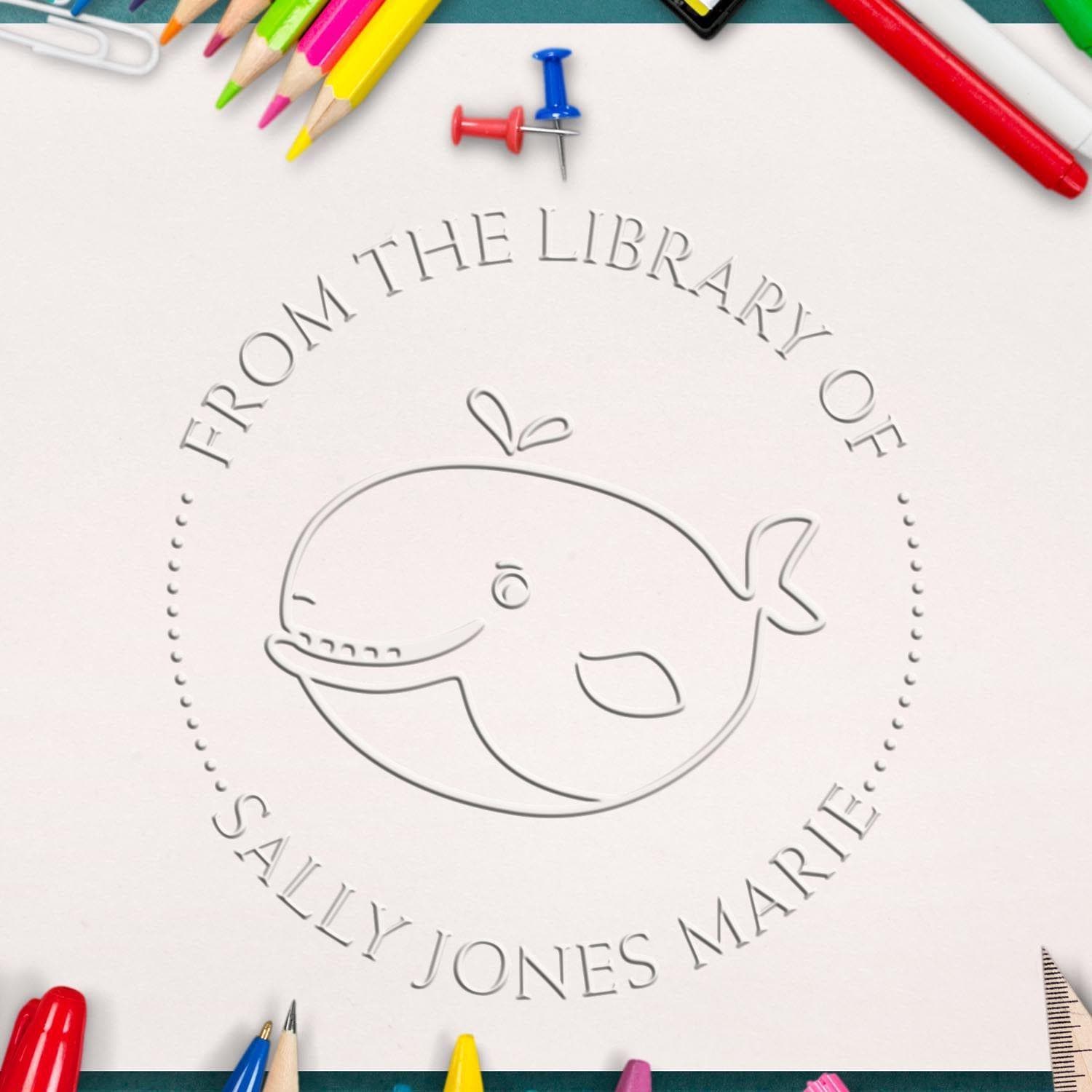
When you want to show true ownership of the books in your collection, a self-inking book stamp can quickly become your best friend. It offers the perfect blend of personalization and convenience for marking everything from first editions to that brand-new bestseller. By simply pressing down, you instantly create a neat, consistent imprint that identifies your book as belonging to you. No messy ink pads required. Whether you have a massive collection at home or manage a community library corner, a self-inking book stamp helps you make a lasting impression on every page.
Explore Self-Inking Book Stamps
Self-inking book stamps are charming tools that let you personalize your books without fuss. Instead of juggling a separate ink pad, you have an integrated system that applies ink evenly each time you stamp. This simplicity is especially helpful if you enjoy marking numerous books within a short time or simply prefer the neatness of a single device. Additionally, self-inking options are made with durability in mind — they’re built to last through thousands of impressions. From organizing a personal library to giving a touch of hospitality to your book club materials, these stamps make each marking session straightforward and reliable.
What Is a Self-Inking Book Stamp?
A self-inking book stamp combines two main components in one portable unit: the rubber plate (which holds your personalized text or design) and the ink reservoir, designed to coat the rubber evenly. Each time you press down, the internal mechanism flips the rubber plate onto the page and then returns it onto the ink pad. This cycle means the stamp is always ready for the next impression. By eliminating a separate ink pad, you reduce the chances of spills or smudges. You also avoid the necessity of re-inking manually every couple of stamps. Because the ink pad is refillable, you can manage hundreds — or even thousands — of impressions before you swap out or refill your ink.
Why Personalize Your Library?
Adding your own mark to books creates a strong sense of ownership. Imagine searching your shelf and catching a glimpse of a crisp logo or monogram that represents your family name or your reading tastes. More than a simple label, it’s a statement: These books belong to you, and they reflect your personality. A personalized mark also provides a safeguard against book mix-ups if you regularly lend books to friends. You can easily spot your rightful volumes once you see that well-placed custom stamp on the inside cover. This personal touch makes sharing literature simpler, especially for group study settings or book club gatherings where multiple copies might be floating around.
Understand the Benefits
There’s a reason so many readers and collectors turn to self-inking stamps for their libraries. The benefits go beyond convenience — they also provide consistent, high-quality impressions that look professional on every page. If you’ve ever dabbled with traditional stamps and separate ink pads, you know how messy and time-consuming it can get. Meanwhile, a self-inking book stamp simplifies and streamlines the entire process.
Time-Saving Convenience
One of the greatest advantages is how fast you can stamp multiple books. Whether you’re labeling a dozen classics or an entire shelf of textbooks, you simply align the stamp, press down, then move on. Because the “re-inking” step is entirely automatic, you don’t have to pause between uses. This benefit is especially pronounced if you frequently lend out books or run a community library project where labeling is required on dozens of items at a time. Additionally, a self-inking book stamp can be kept in a small space, such as a desk drawer or a side table, without worrying about storing messy ink pads. The all-in-one design also makes it highly portable. If you attend book swaps or help organize reading events, you can slip the stamp into your bag and easily label items on the fly.
Consistent and Clean Impressions
Traditional stamps depend on your manual effort to ink them evenly. Uneven inking often leads to blurred lines and half-printed designs. Self-inking models eliminate this risk by keeping the ink supply enclosed. Every press aims to produce a crisp design with the same thickness and depth of color, so you avoid the patchy or smudged look.
This consistency is critical when you’re stamping fragile or rare books. You don’t want to fumble around with an external pad, risking drips on the edges of your cherished pages. With the self-inking approach, you concentrate more on placement and less on the practicalities of finding the right ink coverage.
Select the Perfect Design
Your self-inking book stamp should reflect your individual style and needs. It’s not only about legible text — it’s also about flair. After all, you’re personalizing your books, so you want your stamp to be as unique as the collection itself. You might pick a logo, a simple monogram, or even an ornate border that frames your name perfectly.
Popular Stamp Styles
- Monogram Stamps: If you prefer a minimalist approach, a monogram stamp is an elegant, classic choice. You can use your initials or even a stylized family name. These designs often feature decorative fonts or geometric patterns, giving you an eye-catching mark on your book pages without clutter.
- Name and Contact Info: For those who frequently lend out books, consider including a phone number or email address in addition to your name. This approach means you’ll know where to find the book if someone else spots it on a coffee table later.
- Fun or Thematic Designs: Love cats, coffee, or whimsical patterns? If the theme of your library is broad — spanning from mysteries to cookbooks — you might choose a playful motif that suits your personality. These more adventurous designs can spark conversation whenever someone borrows a book from you.
Tips for Choosing Colors
While black is the standard ink color for a self-inking book stamp, it’s by no means your only choice. Some people prefer a rich navy or deep forest green for a more personal touch. If you want your mark to stand out prominently, a vibrant red might be more your style. However, bold colors can sometimes overshadow delicate text, so be sure to choose a hue that complements your stamp design. Consider:
- Matching the Stamp Color to Your Book Theme: If you have a collection of children’s books, a lively purple or playful pink could capture that sense of fun.
- Using Neutral Shades for Everyday Collections: Browns, blacks, or grays blend well with traditional hardcovers and lend a classic feel.
- Testing on Different Paper Types: Thicker, textured paper may hold ink differently than smooth, glossy pages. If possible, do a quick test stamp on similar paper before committing to your final choice.
Use and Maintenance
Once you have chosen your design, it’s time to put your self-inking book stamp to work. While self-inking models are generally quite straightforward, a few preparation and maintenance tips will help you avoid smudges, maintain top ink quality, and ensure you get dependable results each time.
Preparing Your Stamp
Before placing your new self-inking book stamp on your cherished classics, test it on a scrap piece of paper. Adequate testing ensures you’ve positioned the text or logo correctly and that the ink flows evenly. Pay attention to any:
- Alignment Issues: If your name appears tilted or the design isn’t centered, adjust how you hold the stamp. Some stamps come with guidelines or a transparent bottom to assist with precise positioning.
- Ink Saturation: If the first impression appears faint, gently press the stamp a few times on scrap paper to activate the ink distribution mechanism. If it’s too dark or smudged, press a bit more lightly and hold firmly for just a second or two.
Place a piece of cardboard or heavy paper beneath the page you’re stamping. This extra support helps prevent indentation marks or ink bleeding through to the next page. It also serves as a safety layer in case of an accidental slip, ensuring you don’t inadvertently stamp your desk or table surface.
Stamping Techniques
Aim for a firm, straight press of the stamp onto the page. Quickly rocking or twisting the stamp can lead to double lines or blurred edges. Instead, maintain even pressure as you press down, then lift the stamp back up without shifting side to side. If you’re stamping a large stack of books all at once, keep a steady rhythm:
- Position the stamp on the intended spot.
- Apply consistent downward force.
- Lift the stamp cleanly.
- Move on to the next book.
Doing this in a single session can be a time-saver. You can also spread out this process over a few days, especially if you have a particularly large library.
Hardcover vs PaperbackHardcover books typically provide a sturdier surface to press against, so stamping them is often simpler. With paperback covers, be mindful — these can flex or wrinkle if you press too vigorously. Whenever possible, open a paperback and stamp the inside cover or a blank page. By placing a firm backing (like a piece of cardboard) behind that page, you reduce the risk of bending or indenting the cover below. Some paperback books may have thinner pages, so keep an eye out for ink bleed-through. If you notice excessive ink creeping onto the opposite side of the page, consider using a lighter pressure or switching to a slightly lighter ink color. This is also where a high-quality, fast-drying ink can be beneficial, minimizing smudges as you move along with your project.
Proper Storage
Self-inking stamps are relatively low-maintenance, but proper storage helps keep the ink fresh for longer. Always close the stamp or lock it in its upright position as recommended by the manufacturer. This practice keeps the ink pad from drying out and reduces the risk of accidental pressing that could waste ink or stain your belongings.
If you’re not going to use your stamp for a while, store it in a cool, dry place out of direct sunlight. Extreme heat could cause the ink to evaporate faster, while direct sunlight might fade color intensity. Keeping the stamp in a drawer or on a sheltered shelf is usually enough to ensure maximum longevity.
Try Creative Ideas
While labeling your personal library is the main goal, a self-inking book stamp can be surprisingly versatile. You can incorporate it into special projects, share the stamp during group meetups, or even branch out into new traditions that celebrate your love of reading.
Mark Special Occasions
- Wedding Guest Books: Personalize your wedding guest book by stamping a custom monogram on each page or on the cover’s inside. It provides a visual element that ties the entire guest book theme together.
- Baby Showers or Birthdays: If you receive a baby book gift, consider stamping the inside cover with the baby’s name or a small pattern that matches the nursery theme. The same goes for older children’s birthdays, especially if they’re budding readers.
- Professional Events: If you or a coworker are celebrating a milestone at work or publishing a professional manual, stamping each copy with a company logo or a date can add a celebratory flourish.
Personal Library Organization
- Collection Categories: Some readers like to separate their romance novels from their sci-fi adventures. You can create multiple self-inking stamps with category labels or short initials that correspond to each genre.
- Reading Journals: Along with your name, add a short line mentioning when you finished reading the book or a fun quote that resonates with the novel’s theme. This transforms each stamping session into a mini reflection of your reading experience.
- Book Club Meetups: For book clubs, consider using a shared stamp that includes the group’s name or slogan. Each member can stamp the books they’re currently discussing, making the club’s reading material instantly recognizable.
Acorn Stamps Advantage
If you’re searching for a trusted partner to bring your self-inking book stamp ideas to life, look no further than Acorn Stamps. We’ve enjoyed over 60 years of service, priding ourselves on helping customers find the perfect custom stamp to match their style, personality, and library collection. Our family owned and operated business has been around since 1964, which has given us deep expertise in designing personalized stamps that last.
Family Tradition Since 1964
Because we’re family owned and operated, we hold ourselves accountable to a legacy of craftsmanship. Over multiple generations, we’ve specialized in creating stamps for every occasion — from wedding invites and party invitations to the unique self-inking book stamps that bibliophiles love. That sense of heritage informs the care we put into each design, ensuring you get a final product that you’re proud to press into your favorite books. Our long history has taught us that personalization isn’t just about handing over a template — it’s about understanding your preferences, your reading habits, and the kind of statement you want to make in your home library. We blend that knowledge with modern manufacturing techniques so that each Acorn Stamps product remains both timeless and contemporary.
Stellar Customer Service
At Acorn Stamps, we know that prompt communication and attention to detail go a long way. We aim to make your experience seamless from start to finish, whether you’re requesting a straightforward name stamp or a detailed custom design with intricate patterns. We also pride ourselves on a super fast turnaround. You shouldn’t have to wait ages to emboss your childhood favorites or brand-new arrivals. Once you place your order, we work diligently to craft and ship your stamp. Need help selecting the right ink color or finalizing the placement of a monogram? We have a friendly, knowledgeable support team ready to guide you. Feel free to share your ideas, so we can translate them into a meaningful design that will continue to delight you book after book.
Frequently Asked Questions (FAQs)
Below are five common questions people have before finalizing their self-inking book stamp.
Do I Need Special Ink for My Self-Inking Book Stamp?
Most self-inking stamps come equipped with an ink pad formulated to produce clean, lasting impressions on standard paper. You don’t typically need a specialized ink, but if you plan to stamp glossy or coated surfaces, you may need a fast-drying or quick-absorb ink. Check the product description or consult our team at Acorn Stamps for guidance on particular surfaces.
How Many Impressions Will I Get Before Refilling the Ink Pad?
Each brand and model provides different estimates, but high-quality self-inking stamps often give thousands of impressions before you have to refill your ink pad. Many variables play a role, including how heavily you press and how often you use the stamp. When you notice a fade in color or partial impressions, it’s time to add a few drops of compatible stamp ink or replace the ink pad entirely.
Will the Stamp Ink Bleed Through the Page?
In most cases, the ink is formulated for a crisp imprint without seeping through standard book paper. If you’re dealing with extremely thin pages — especially in older paperback editions — you may see faint shadows on the opposite side. When stamping delicate or rare books, always test on a back page or scrap paper. Adjust your pressing pressure or opt for a slightly lighter ink if you’re worried about bleeding or ghosting.
Can I Customize the Font and Artwork of My Stamp?
Absolutely. At Acorn Stamps, you can choose from a range of fonts, images, and layouts. We also welcome custom artwork if you already have a design in mind. Simply provide the artwork details or discuss your concept with our team, and we’ll help you tailor every element. From clean, modern fonts to timeless script, you can create a stamp that perfectly suits your reading style.
Will My Stamp Replace Bookplates or Other Labeling Methods?
Many people still enjoy decorative bookplates, but a self-inking book stamp offers more flexibility, fewer materials to manage, and often a lower long-term cost. Because you’re not sticking or printing individual labels for each new book, you just need your stamp and a refillable ink pad. It’s a quick, space-saving solution that many find more visually appealing. However, if you enjoy variety, you can always mix and match both methods in your library. Whether you’re starting a new collection, reorganizing old favorites, or looking to leave a memorable imprint on borrowed books, a self-inking book stamp is a practical and stylish choice. With Acorn Stamps’ family tradition, high-quality craftsmanship, stellar customer service, and super fast turnaround, you can look forward to a custom solution that aligns with your personal aesthetic — all while helping you and your books stand out in the best way possible.