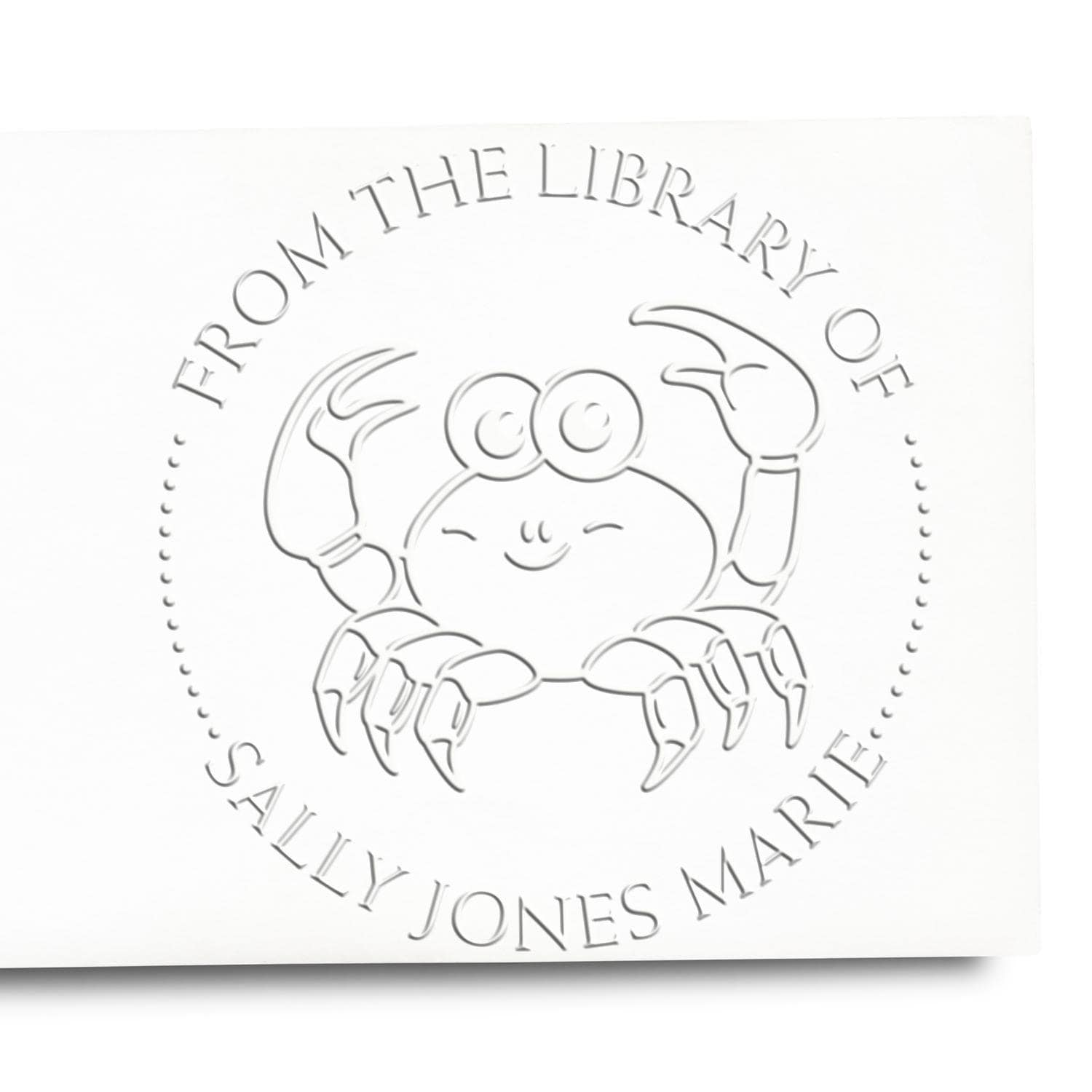
Understand Initial Book Stamps
If you love personalizing your books or want a memorable way to mark your personal collection, an initial book stamp can be exactly what you need. By stamping the first letter of your name—or your full initials—on each book, you create a cohesive and stylish library. This small but distinctive detail not only reflects your personal style but also helps protect your collection from getting mixed up with someone else’s. An initial book stamp typically features a single letter (or a short combination, like three-letter initials) in an attractive, often ornamental design. You can choose from classic, vintage motifs to sleek, modern styles, ensuring your stamp suits both your taste and the overall feel of your home library. And since these stamps are highly customizable, you can easily incorporate unique fonts, border elements, or even subtle artwork around the letter. At Acorn Stamps, we specialize in crafting custom made stamps that match your vision. As a family-owned and operated business since 1964—proudly serving customers for 60 years—you can feel confident knowing we bring decades of experience to each and every piece we create. Our stellar customer service and super fast turnaround times mean you spend less time waiting and more time enjoying the look and feel of your newly stamped books.
Identify Your Style Preferences
The beauty of an initial book stamp lies in its ability to capture your personality. You have full control over the design, from selecting the font to determining the shape and border. This process is your chance to create something that resonates with you and the impression you want to leave on your books.
Font Choice
- Serif Fonts: These traditional typefaces have small decorative strokes, often projecting an elegant, time-honored appearance. Serif fonts work especially well if you aim for a classic look that pairs nicely with hardcover collections or antique volumes.
- Sans Serif Fonts: Clean, crisp, and modern. Sans serif typefaces skip the decorative edges to create a minimalistic feel that suits contemporary or young-adult libraries.
- Script Fonts: For a more ornate finish, script fonts mimic handwriting or calligraphy. These add a sense of sophistication and flourish, especially if you love design elements reminiscent of old-world charm.
Border and Embellishments
While the letter itself is the star of your stamp, borders and embellishments can refine or highlight that focal point. Some popular choices include wreaths, laurel leaves, simple geometric shapes, or scrollwork. You might opt to keep the frame minimal or go bold with intricate swirls. If your book collection spans various genres and themes, a neutral yet classy border can work across all titles.
Balancing Simplicity and Artistry
You want your stamp to stand out without overwhelming the page. Sometimes, subtlety is the key—like a lowercase letter in a sans serif font with a sleek circle border. Other times, you might prefer something more elaborate if you have a flair for ornate designs. Ultimately, remember that the stamp should complement your books and feel cohesive with the rest of your collection.
Choose the Right Stamp Materials
Picking the right materials for your initial book stamp influences its longevity, ease of use, and the final appearance on your page. The most common options include wood-mounted stamps, self-inking stamps, and pre-inked stamps. Each has its pros and cons, so consider how frequently you’ll use your stamp and where you’ll be storing it.
Wood-Mounted Stamps
Wood-mounted stamps have a sturdy wooden block that’s permanently attached to the rubber die with your design. Many love the vintage appeal of a classic wood stamp—plus, it’s easy to grasp while stamping. Since you must use a separate ink pad, you have the freedom to switch colors or brands of ink at any time. This flexibility is especially handy if you like experimenting with different hues or textures. However, it can be a bit messier compared to self-inking models, and you’ll need extra space to store the stamp along with ink pads.
Self-Inking Stamps
Self-inking stamps come with a built-in ink pad that automatically re-inks the stamp surface between impressions. They’re convenient and can save time if you plan to stamp large numbers of books in one sitting. The all-in-one design also helps keep your workspace neat—ideal if you have limited space or prefer minimal fuss. Keep in mind, though, that the built-in pad must be re-inked or eventually replaced, so you’ll want to keep track of your usage. The design can sometimes appear less “artsy” than a wood-mounted stamp’s impression, but brands like Acorn Stamps offer high-quality self-inking options that deliver consistent, crisp results.
Pre-Inked Stamps
Pre-inked stamps differ slightly from self-inking stamps. They use a special reservoir of ink inside the stamp die, delivering sharp, clean impressions. These are typically quieter to use—no click or rotating mechanism—and are often made of durable materials. If you’re stamping especially fine lines or elaborate lettering, a pre-inked stamp can capture delicate details more accurately than some other options. Their main drawback is the higher initial cost, though you can often refill them multiple times. If you expect to use your stamp heavily and want consistent, high-detail impressions, a pre-inked option might be worth it.
Explore Ink Colors and Paper Compatibility
Choosing the right ink color is part functionality and part creativity. You need an ink that won’t bleed, smudge, or fade quickly on your pages. At the same time, your color choice should emphasize your design and complement your books’ interior.
Ink Color Choices
- Classic Black: A favorite for its clarity, black ink is your safest bet. Your initials will stand out against typical off-white or yellowed pages without overshadowing text.
- Subtle Grays and Browns: These softer tones add a gentle, refined look to your stamp. They work particularly well if your library includes vintage or antique books.
- Bold Colors: Red, navy, or emerald green can make a strong statement if you want your stamp to catch the eye. Just be sure to test how these colors look on your specific paper stock before diving in.
- Metallic Shades: For special occasions or heirloom editions, metallic inks like gold or silver can look striking. Be certain the ink is designed to adhere well and dry sufficiently on your book pages.
Considering Paper Weight and Texture
Books come in all shapes and sizes, using varied paper stocks and finishes. Heavier, smoother pages often accommodate a range of inks without bleeding. In contrast, lighter or more porous paper might soak up too much ink, causing smudging or fuzzy edges. To avoid unwanted surprises, test your selected ink on a page near the back or use a bookmark insert to see how the impression holds.
Drying Times
While you might be eager to stamp your entire collection in one go, different inks have different drying times. Pigment-based inks, for example, can yield vibrant colors but need more time to set. Dye-based inks tend to dry faster. If you’re short on time or patience, consider a fast-drying option—just make sure your final results remain crisp and won’t smear once you turn the page.
Plan the Stamp Placement
Where you place your initial book stamp can enhance the look and function of your library. Some individuals prefer an unassuming spot to keep the focus on the book’s content, while others enjoy making a statement right on the title page. Either way, consistent positioning helps you develop a neat routine every time you add a new book to your collection.
Common Placement Options
- Inside Front Cover: Placing your stamp at the top or center of the inside cover is a popular choice. This spot is easy to locate and keeps your stamp away from the main text.
- Title Page: If your initial book stamp is especially artistic, stamping on the title page can seamlessly blend your design with the book’s visuals.
- Front Flyleaf or Endpaper: These blank pages often serve as a convenient canvas for personal markings, whether it’s a note, a dedication, or your initials.
Balancing Visibility and Preservation
Although you want your badge of ownership to be seen, you also want to preserve the readability of the text. Steer clear of overlapping words, images, or important introductory pages unless you’re sure it doesn’t interrupt significant content. You can also vary your placement based on the style of each book. For example, a limited-edition art book might look best with a subtle imprint in a back corner, while a well-worn paperback could benefit from a bolder stamping right at the front.
Practical Tips
- Before stamping, double-check you’re opening the book to the correct page.
- Practice on a separate paper sheet that’s similar in texture to make sure you’re pressing evenly.
- If you plan on stamping a large number of books in one sitting, keep a clean cloth or paper towel nearby for quick smudge cleanups.
Order and Turnaround Tips
Now that you have an idea of your desired style, materials, ink color, and placement preferences, it’s time to order your initial book stamp. Knowing a few key factors can help you feel confident before submitting your design.
What to Prepare Before Ordering
- Finalized Design Elements: Having a clear concept of the font, border, and lettering style ensures you’ll get the stamp you want.
- Preferred Stamp Type: Be ready to specify whether you prefer a wood-mounted, self-inking, or pre-inked model.
- Ink Explained: If you select a self-inking or pre-inked model, decide whether you want additional refills or multiple color cartridges.
- Budget and Timeline: Determine how much you’re willing to spend and how soon you need the stamp to arrive.
Reasons to Choose Acorn Stamps
At Acorn Stamps, our family-owned business tradition extends over six decades. We combine outstanding craftsmanship with stellar customer service so you have the smoothest experience possible. We also pride ourselves on super fast turnaround times, meaning you’ll have your new stamp in hand as soon as possible—perfect if you’re eager to begin marking your growing collection or planning to give an initial stamp set during the holidays. Our team’s goal is to help you realize your vision. If you’re unsure about some design details or need suggestions, don’t hesitate to reach out. Feedback is part of our collaborative process, ensuring your stamp reflects exactly what you pictured.
Maintain Your Initial Book Stamp
Even the finest stamps need occasional care to ensure they function properly and continue giving clean, crisp impressions. Basic maintenance saves you money in the long run by preventing the need for frequent replacements or repairs.
Cleaning and Storage
- Light Cleaning: After a session of heavy stamping—especially if you switched inks—gently blot the surface with a slightly damp sponge or soft cloth to remove any residue.
- Deep Cleaning: For stubborn ink buildup, use a stamp cleaning solution recommended for your specific stamp type. Wood-mounted stamps should be dried thoroughly before storage to prevent the wood from warping.
- Proper Storage: Keep your stamp (and any separate ink pads) in a cool, dry place. Avoid direct sunlight or excessive heat, as this can dry out your ink or warp rubber over time.
Re-Inking and Refilling
- Self-Inking Stamps: Most brands provide instructions on adding fresh ink, typically by lifting the ink pad out of the casing or flipping it to the reverse side. Always use ink compatible with your stamp’s brand.
- Pre-Inked Stamps: Look for a small fill port on the stamp body. Adding the correct type of refill ink helps maintain crisp impressions.
- Wood-Mounted Stamps: No re-inking is needed for the stamp itself, but you have to maintain the ink pad. Choose a pad that’s the right size, so you can coat the entire design evenly.
Common Pitfalls to Avoid
- Over-Inking: Pressing too hard on an ink pad or applying ink too frequently can blur fine details of your design.
- Leaving Ink on the Stamp: Dried ink can accumulate, making your letters appear patchy. Regular cleaning is your best defense.
- Skipping Storage Precautions: Tossing your stamp into a drawer with other items can lead to accidental damage. Create a dedicated space so your stamp remains in pristine shape.
Frequently Asked Questions
Can I Use an Initial Book Stamp on Different Paper Types?
Yes. Although most standard book pages work well, it’s always wise to do a quick test on a similar paper scrap or hidden page. This helps you confirm whether the ink bleeds, smudges, or fails to hold detail.
Is a Self-Inking Stamp or a Traditional Stamp Better for Detailed Designs?
Pre-inked or self-inking stamps are often preferred for detailed designs, because they maintain consistent ink coverage. Wood-mounted stamps can still capture fine detail—just make sure you use a high-quality rubber die and the right ink.
How Many Impressions Will I Get Before Needing to Re-Ink?
This depends on the stamp type, size of the design, and how frequently you use it. Self-inking stamps commonly yield thousands of impressions before needing new ink, while pre-inked stamps can go even longer. Wood-mounted stamps depend solely on the condition of your separate ink pad.
Can I Customize the Stamp Size to Fit Small Paperbacks?
Absolutely. You can choose a smaller die size to fit your paperbacks or signature pages. With Acorn Stamps, you can specify the exact dimensions you want so you’re happy with how the letters look on the page.
Will Metallic Inks Damage or Warp Book Pages?
If used correctly, metallic inks won’t damage or warp standard book paper. However, metallic inks may take longer to dry. Be sure to give them a little extra time before you close the book or stack it with others. By planning your design before ordering, choosing the best materials for your needs, and handling your stamp with care, you can enjoy crisp impressions for years to come. Whether you want something minimal or ornate, an initial book stamp proudly showcases your name—and your style—throughout your growing library. With Acorn Stamps, you’ll also enjoy friendly guidance, exceptional craftsmanship, and a quick turnaround so you can get back to what matters most: celebrating the books you love.