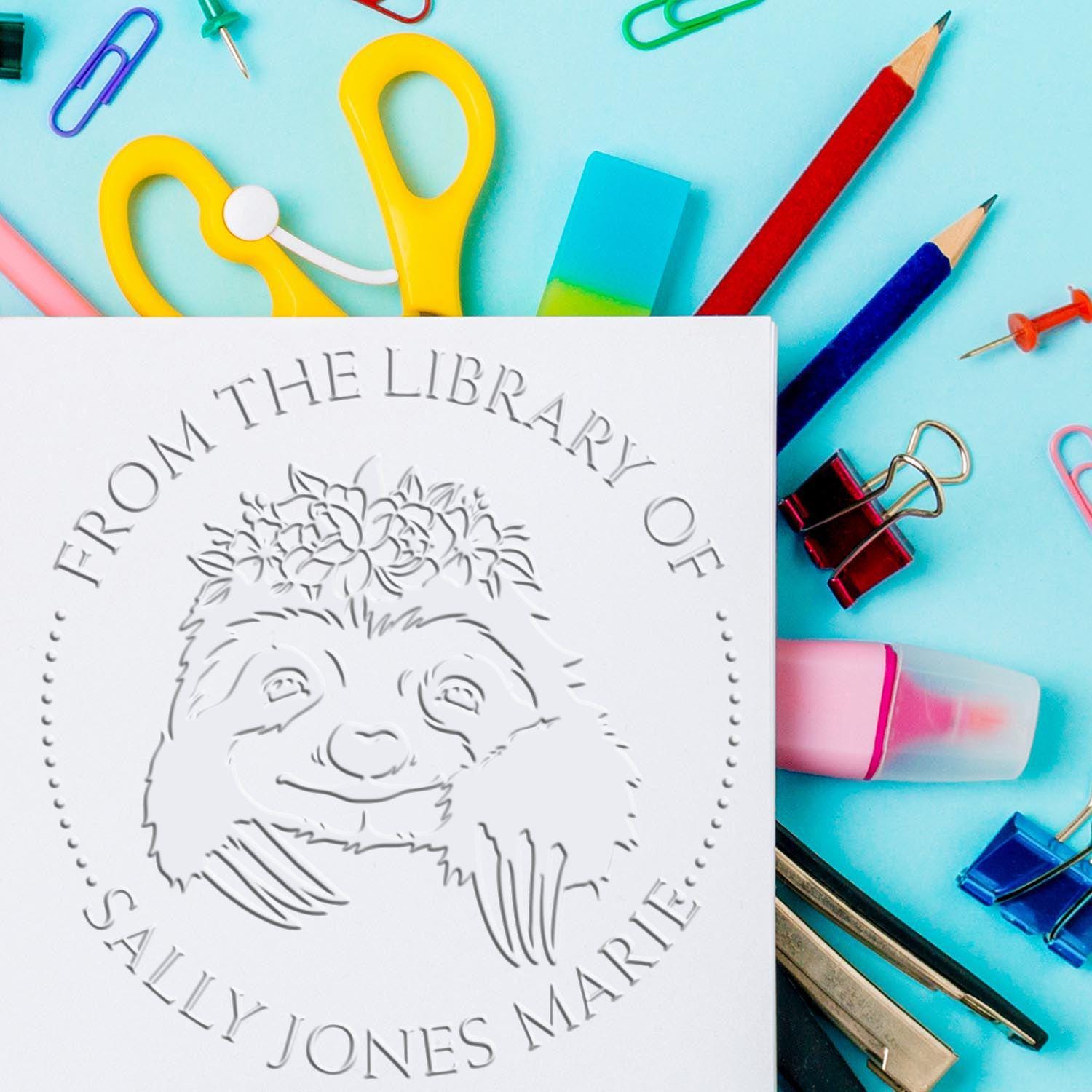
Experience the Joy of a Customized Book Stamper
A customized book stamper is more than just a simple tool. It is an expression of your identity as a book collector, an effective way to mark your territory in the literary world, and a delightful addition to your daily reading ritual. Whether you have a basic bookshelf or an extensive library, your own personalized stamp can transform each volume into a cherished keepsake. You do not have to worry about losing your beloved novels, textbooks, or journals to forgetful friends again. With a gentle press of ink, you can declare: “This book belongs to me.” If you are debating whether a customized book stamper is right for you, consider how it simplifies the process of personalizing your collection. Instead of scribbling your name on the inside cover with a pen, a stamp adds consistent style and flair. In many ways, the stamp becomes part of your book’s identity—just as important as the title page or the table of contents. Whether you love vintage aesthetics or modern minimalism, you can find designs to suit your tastes.
Throughout this post, you will discover why book lovers from all walks of life have embraced the beauty and practicality of custom stamps. You will also learn how to design or select the best style to reflect your personality. And if you are looking for a trusted source, remember Acorn Stamps, a family owned and operated business since 1964. With 60 years of service, they are widely recognized as a top supplier of custom made stamps and personalized stamps, all backed by stellar customer service and super fast turnaround. By the end of this article, you will have the inspiration and know-how to order a stamper that is truly your own.
Understand Why You Need One
You might wonder: Why invest in a customized book stamper instead of writing your name by hand? After all, you could simply sign each cover with a pen. But stamping provides practicality, consistency, and a little something extra—character.
- Stand-Out Personalization
A hand-signed name can get lost in a stack of borrowed books. A thoughtfully designed stamp, on the other hand, lends a certain charm that cannot be matched by a rough doodle. Your stamp can even reflect your personal interests, like floral motifs, monograms, or silhouettes of favorite animals.
- Simplify the Process
Personalizing an entire library by hand can be time-consuming. Once your stamp is ready, marking dozens—or even hundreds—of books becomes a quick task. If you ever lend volumes to friends, you can stamp them quickly before handing them out, ensuring your books eventually make their way back.
- Preserve the Integrity of Books
Penciled notes or scribbles with permanent markers may bleed through pages and potentially degrade your books over time. A clean, ink-based imprint is less likely to damage delicate paper or make the text unreadable.
- Create a Cohesive Collection
By using the same design across all your volumes, you create a visual unity in your library. Think of it like branding your personal collection. This sense of uniformity highlights that your library is curated by a true enthusiast.
- Leave a Lasting Touch
Books often become family heirlooms. When you use a customized book stamper, you leave a lasting impression that can be passed down through generations. Imagine your grandchildren opening a vintage volume, only to discover your stamp inside—proof you were there, reading and cherishing those pages.
With these core benefits in mind, you might already feel eager to pick out or design a custom stamp. Just remember to weigh your aesthetic preferences against practical considerations such as size, layout, and ink type. Keep reading for a closer look at what makes a stamper stand out and how to choose the perfect match for your library.
Explore the Creative Possibilities
One of the greatest joys of using a customized book stamper is the creative freedom it grants you. This tiny tool can capture your personal style in intriguing ways. From fancy typography to whimsical illustrations, you can tailor the design to celebrate your unique tastes. Here are a few avenues for creative exploration:
Play with Fonts and Monograms
Typography plays a huge role in setting the tone of your stamp. If you prefer something classic and elegant, you might choose a script font or a monogram that weaves your initials into a timeless shape. For a more modern look, try simple sans-serif fonts that feel clean and contemporary. Experiment with line thickness and letter spacing to complement the overall motif you envision.
Incorporate Symbols and Artwork
Your stamp can feature more than just text. Perhaps you have a recurring symbol that represents your passion for reading: a stack of books, an open novel, or a quill pen. Alternatively, you might gravitate toward floral borders, geometric shapes, or silhouettes of butterflies. Some people love to include a shape or silhouette of a beloved pet. Feel free to experiment—the possibilities are near-endless when it comes to personal flair.
Blend Color into Your Design
Most people picture a traditional black ink stamp, but do not restrict your imagination. Colored ink can bring your design to life. You could custom order your stamper with vibrant options like deep blue, forest green, or bright red. If you want a minimalistic look, you can always revert to classic black or gray. The choice of ink color can reflect your personal flair while still offering the functionality you need.
Experiment with Different Shapes
Stamps can be produced in various shapes, not just rectangles. Rounded corners, circular stamps, or ornaments with decorative edges all add visual interest. If your design features a monogram in the center, a circular shape can beautifully frame the letters. Meanwhile, if your design is more text-based, you might prefer a clean rectangular layout for clarity.
Seasonal or Themed Stamps
Some avid readers own multiple stamps, switching them up for different seasons or themes. You could have a special holiday-themed stamp for winter reading or an autumnal design featuring crisp leaves. It all depends on how you want to celebrate the time of year within your book collection. Your creativity can extend beyond a single, static design.
As you play with these imaginative ideas, remember that the best custom stamp is the one that captures your personal style. The entire process, from brainstorming to final design, should feel rewarding and fun. Next, let’s talk about choosing the right materials and ensuring your stamper meets your standards for both form and function.
Shop Smart for the Right Materials
Your customized book stamper might look like an adorable accessory, but it is ultimately a tool that needs to perform reliably. So, before you settle on a design, be sure to consider crucial factors such as durability, ink compatibility, and ease of use. By shopping smart, you can ensure your stamper lasts for years and keeps your books looking fantastic.
Material Matters
When it comes to the stamp itself, you have a few material possibilities:
- Rubber: Traditional rubber stamps are popular for their longevity and consistent imprint. If a stamp is well-made, you can rely on it for thousands of impressions without wearing down. Keep in mind that you will likely need a separate ink pad.
- Self-Inking: If convenience is a priority, look for a self-inking stamp that contains a built-in ink pad. This design can be especially handy if you stamp a large number of books in one sitting. However, you might encounter more limited color choices unless you refill or replace the pad with custom ink.
- Pre-Inked: Pre-inked stamps can produce incredibly crisp, detailed designs with minimal pressure. They tend to be very user-friendly but require specific ink refills. They may also tell you when an ink refill is needed by imprinting very lightly.
The Right Ink Type
Choosing ink is not only about color. It should also be compatible with the paper you plan to stamp. Lightly coated or glossy paper might not absorb traditional water-based inks well, potentially causing smudging. If you are marking glossy or coated pages, look for a fast-drying, oil- or solvent-based ink that adheres quickly. For purely uncoated pages, water- or gel-based inks typically do a fine job.
Consider Stamp Size
It is essential to determine how much space inside your covers you want the design to occupy. A stamp that is too large may overwhelm a small paperback’s interior page, while a tiny stamp might get lost on a coffee table book. Visualize the intended imprint size before committing.
Quality Assurance
Not all stamp manufacturers are created equal. Seek out companies known for high-quality craftsmanship and durable materials. Acorn Stamps, for example, prides itself on producing custom made and personalized stamps that align with your design vision. With 60 years of service in the industry and a reputation for stellar customer support, they can guide you from concept to finished product with ease.
Additional Accessories
Beyond the stamp itself, you may want to invest in:
- Ink Pads in Multiple Colors: Switching colors occasionally adds variety to your collection.
- Storage Case or Protective Box: Helps keep your stamp dust-free and prevents damage.
- Refillable Ink Bottles: If you are an avid stamper, having extra ink means you never run out at inconvenient times.
Shopping wisely will make every stamping moment a joy. You will be confident your customized book stamper is built to last, and you will avoid the hassle of a flimsy product that yields subpar results.
Personalization Options to Consider
Once you are acquainted with the fundamental mechanics of picking a reliable stamp, it is time to zero in on how to style your design. Personalization is where your creativity takes center stage—no two individuals have the same taste, and that is the beauty of custom stamps.
Name and Initials
Naturally, the simplest way to mark your books is with your name or initials. You could keep it straightforward with your full name in a decorative font, or select a fancy monogram that merges your initials into a cohesive design. If it matters to you that your name stands out, try a bold font or embed your name into a banner or shield.
Tagline or Quote
A short personal motto, reading-themed pun, or classic literary quote provides a nice twist. For instance, you might add “From the Library of,” “Ex Libris,” or “Book Lover Extraordinaire” above or below your name. You could also incorporate lines from your favorite poems or authors, as long as they fit comfortably in the stamp layout. Just be mindful of size constraints so that text remains legible.
Stylized Graphics
Small graphics can bring your design to life. Popular choices include:
- Floral Motifs: Roses, daisies, vines, or wreaths.
- Geometric Patterns: Triangles, circles, squares arranged in intriguing patterns.
- Books or Book Stacks: Obvious but beloved imagery for the dedicated book collector.
- Animals: Cats reading books, whimsical owl motifs, or any creature that resonates with you.
Family Crests or Symbols
If you want to pass your books down through the generations, you might consider incorporating a family crest or a specially designed symbol that represents your family’s legacy. This approach can add a depth of tradition, marking each volume as an integral part of your family’s literary heritage.
Seasonal Variations
If you love to tailor your living space to the season, you might commission multiple stamps—one for each season or holiday. For instance, a winter-themed design with snowflakes, a spring motif with flowers, a summer stamp with sunbeams, and an autumn stamp with leaves. You can rotate your stamp usage throughout the year to keep it fresh and fun.
Adding Colorful Flourishes
Who says you need to stick to a standard black or gray ink pad? If you expect to stamp a large number of books, you might consider ordering multiple pads in different colors. Using different inks for certain themes—for example, pink for romance novels and blue for science fiction—could become a quirky organizational system.
However you choose to personalize, remember to keep things balanced. A stamp overloaded with details or text can appear cluttered and difficult to read, defeating the purpose of a clear, stylish imprint. Aim for a design that merges aesthetics with readability, resulting in a perfect reflection of your personality.
Step-by-Step Guide to Using a Customized Book Stamper
Once your stamper arrives, there is something thrilling about the moment you press it into an ink pad and imprint your mark on a fresh, blank page. To ensure you get the best outcome every time, follow these simple steps:
- Prepare a Workspace
Clear a flat, stable surface. Lay out some scrap paper or an old newspaper to catch any stray ink.
- Prime the Stamper
If you are using a separate ink pad, lightly tap the stamp surface onto the pad. Check to see if the surface is uniformly coated with ink but not oversaturated. If you have a self-inking design, press it once on scrap paper to test it.
- Align Your Page
Open your book to the page where you want the stamp. Often, people choose the inside cover or the first blank page. Ensure the page is flat, and that you have enough space to press down without the book shifting.
- Press Firmly and Evenly
Apply even pressure—do not rock the stamper side to side. A firm, direct press usually yields a crisp, clean imprint. If your design is especially detailed, you may need a slightly longer press.
- Lift Carefully
Gently lift the stamper straight up to avoid smudging the fresh ink.
- Check for Quality
Evaluate your imprint. If parts look faint, you can re-ink and try again on scrap paper to perfect your technique. Remember that every book’s paper is different, so your approach might vary slightly from book to book.
- Allow Time to Dry
This step is crucial. Ink can smear easily if you close your book right after stamping. Give it a minute to dry fully. Thin paper might require extra care, so consider placing a blotting sheet or piece of scrap paper between pages to be safe.
Following these steps ensures a consistent, professional-looking stamp every time. If you plan on stamping an entire collection in one sitting, be sure to re-ink regularly if you notice the imprint losing definition. Once you settle into a routine, the process becomes quick, fun, and incredibly satisfying.
Maintaining and Storing Your Stamper
Proper maintenance will help your customized book stamper last for years, so you can keep marking your library with pride. When cared for correctly, a rubber or pre-inked stamp can provide thousands of crisp imprints.
Clean the Surface
Residual ink buildup can cause muddled images. After a stamping session, lightly press the stamp onto a damp (but not soaking wet) paper towel until most of the excess ink is removed. Then, use a dry cloth to remove any moisture. Self-inking stamps may be more enclosed, so follow the manufacturer’s instructions for cleaning.
Store It Properly
Make sure to store your stamp in a cool, dry place, away from direct sunlight. UV rays can damage rubber components over time, making them brittle. Having a case or box for your stamp shields it from dust and accidental contact with objects that may damage the surface.
Refill Ink Carefully
If you have a self-inking or pre-inked model, be sure to use the appropriate ink type from the manufacturer. Applying the wrong ink can clog the stamp or prevent it from producing a clear mark. Refill slowly to avoid drips or spills. Let the ink settle evenly before you start stamping again.
Avoid Excessive Heat or Cold
Extreme temperatures can dry out the rubber or stiffen it, reducing the quality of your impressions. Keep your stamper in an area where the temperature remains moderate.
Inspect for Wear
Even the highest-quality stamps eventually show signs of wear, especially if you use them frequently. Examine the rubber or stamping surface periodically for cracks, warping, or uneven spots. If you notice significant issues, it might be time for a replacement or a fresh design.With these simple maintenance tips, you can trust your customized book stamper to remain a faithful companion for countless imprints. Keeping it in top shape preserves your ability to make a statement on every new book you add to your collection.
Tips for Building a Personal Home Library
Once you start stamping your books and admiring your library, you might get hooked on collecting more. A thoughtfully curated library is not only a reflection of your reading interests, but also a cozy retreat for you and your family. Here are some ways to build a welcoming library that showcases your stamped volumes in style:
- Organize by Genre or Theme
Sort your books by genre—fiction, non-fiction, mystery, romance, science, etc. If you have very diverse interests, you could group them by theme or even by color if you enjoy a visually striking setup. Your stamped collection will stand out as a cohesive set.
- Display Your Favorites Prominently
If you have a shelf for your most cherished reads, feature a few opened books so guests can admire both the covers and your personalized stamps. This arrangement doubles as decor while also showcasing your personal style.
- Incorporate Cozy Seating
Reading is more enjoyable in a comfortable environment. Add a plush chair or window seat near a good light source. Keep a small side table nearby for your cup of tea or coffee. It is these little touches that transform your reading nook into a personal sanctuary.
- Use Floating Shelves or Bookcases
Depending on the space constraints of your home, floating shelves can help you show off special collections. Bookcases with glass doors might preserve especially valuable works from dust. Adapt your storage to the size and scope of your collection.
- Pop of Color
Stamping your books adds a nice personal touch to each interior. You can also bring continuity to the entire library with a color palette that speaks to your design style. Perhaps paint the back panel of your bookcase a subtle shade that complements the spines on display.
- Small Accents and Decor
Install picture frames or small sculptures between rows of books to break up the repetition. You might also include a small desk for writing notes or journaling about your recent reads.
- Regular Decluttering
Periodically remove books you no longer want or need. Donate them to a local charity, shelter, or school. This keeps your collection manageable, visible, and filled with titles that genuinely interest you.
These tips can help you create an inviting space that encourages you to pick up a new novella, biography, or classic daily. Every time you open a stamped book, you will be reminded of the thought and care you put into building your library.
Get More From Acorn Stamps
When you invest in a customized book stamper, you want a trustworthy partner who understands the craftsmanship involved. That is where Acorn Stamps comes in. Family owned and operated since 1964, this company has an impressive 60 years of service in producing top-quality, custom made stamps. Over the decades, Acorn Stamps has built a reputation for being a top supplier of personalized stamps with:
- Stellar Customer Service
If you have questions about the design process, ink selection, or stamp format, the friendly team at Acorn Stamps is there to help. You can expect prompt communication and genuine advice tailored to your needs.
- Super Fast Turnaround
When you are excited to start stamping your books, you do not want to wait for ages. Acorn Stamps is known for working swiftly, so you can have your custom creation in hand before you know it.
- Craftsmanship and Durability
From the materials used to the final imprint, Acorn Stamps focuses on quality. They take pride in delivering a product that meets high standards of reliability and detail. Each impression conveys your personal style clearly and crisply.
- Variety of Styles
Whether you prefer self-inking, pre-inked, or traditional rubber stamps, Acorn Stamps offers numerous options to suit your lifestyle. Their wide array of designs ensures you can find exactly what you need—or have them create something truly unique.
- Personalized Guidance
The Acorn Stamps team can assist in nailing down just the right look. Whether you need help refining a monogram, color choices, or wording, their expertise makes the process a breeze.
By partnering with Acorn Stamps, you gain more than a product—you gain a creative ally. They understand that each stamped volume represents your passion for reading, collecting, and self-expression, and they work diligently to deliver an end result that meets or exceeds your expectations.
FAQs
Below are five frequently asked questions about customized book stampers to help clarify any remaining curiosities you might have.
Can I Change the Ink Color on My Custom Stamper?
Yes. If you are using a traditional rubber or self-inking stamp, you can choose a different ink pad or refill. Be sure to use the correct type of ink recommended by your stamp provider. Changing colors often is a simple way to keep your stamping routine fresh and interesting.
Do I Need a Specific Type of Paper for the Stamp?
In most cases, common book paper works perfectly well with water-based or fast-drying ink. However, if you have books with glossy or highly coated pages, you might need an ink formulated to dry quickly on non-porous surfaces. A quick test on a scrap page will show how well the ink takes.
How Do I Provide My Custom Artwork or Logo?
Many stamp makers, including Acorn Stamps, allow you to upload a digital file. High-resolution images or vector graphics produce the best results. If you have a hand-drawn design, you can scan it in a clear resolution. Feel free to consult with customer support for any specific guidelines they have on file formats or resolution.
Will a Self-Inking Stamp Last as Long as a Wooden One?
Self-inking stamps can endure thousands of impressions before needing a replacement pad. However, all stamps eventually wear out. A well-crafted wooden or rubber stamp can also offer years of use, especially when cared for properly. The longevity often depends on the frequency and technique of use.
Is There a Limit to How Detailed My Stamp Design Can Be?
The level of detail depends on the stamping technology and the size of the design. In general, finer details require precise manufacturing. With modern laser-engraving techniques, you can achieve highly detailed designs—but it is always wise to keep readability in mind. A design that is too intricate can end up looking muddy when stamped, especially if it is small.
By now, you have all the essential information to create a memorable stamping experience that reflects your individuality and care for books. From selecting the right materials to maintaining your stamper, every step ensures your personal library grows not only in number but in character. Embrace the magic of a customized book stamper, and elevate your reading journey for years to come. Your books, marked with your personal flourish, will tell a richer story—of your tastes, your history, and your creative spirit. And whenever you are ready to transform your ideas into reality, Acorn Stamps stands ready to help you make that perfect, personalized imprint.