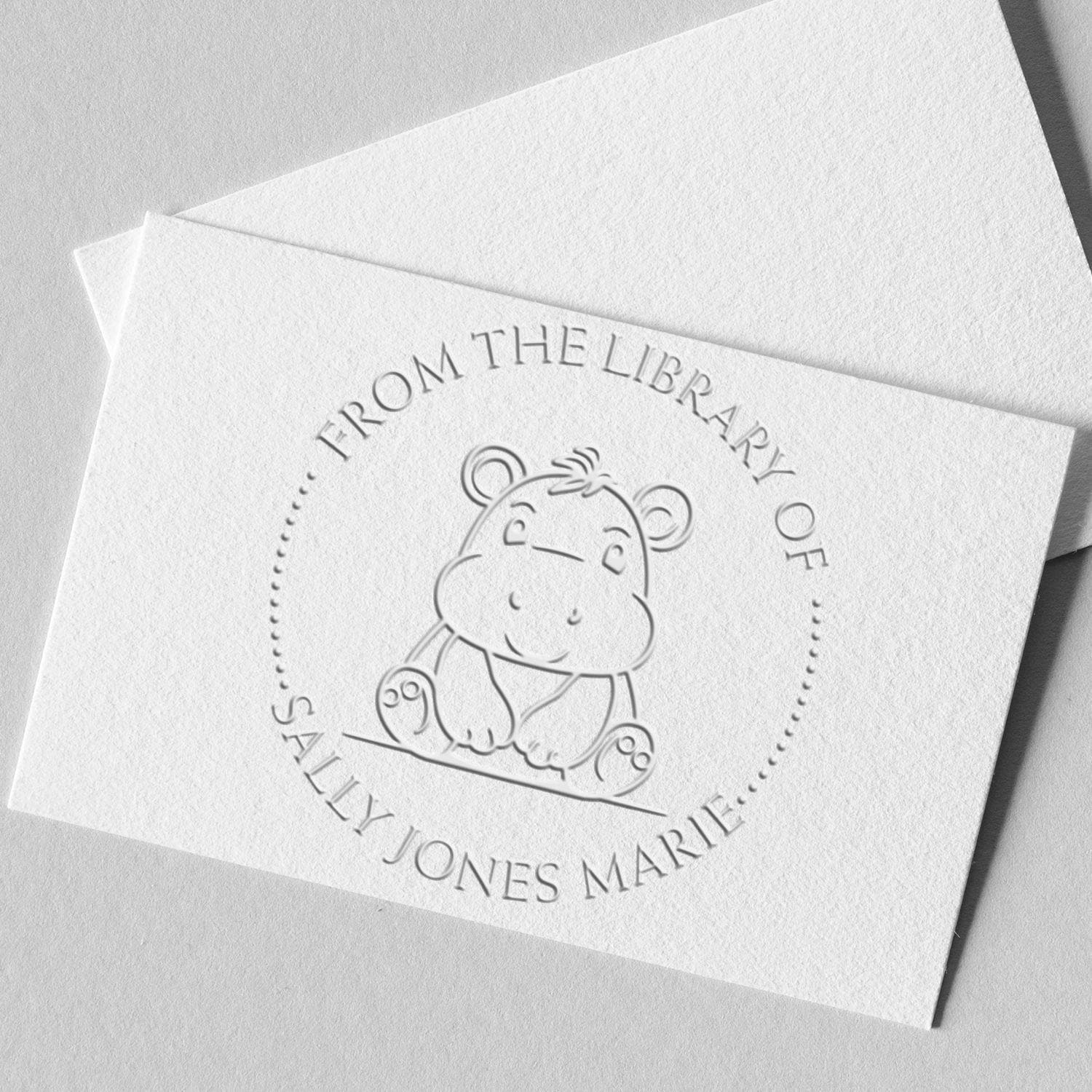
Understand the Purpose of a Return to Library of Stamp
If you love collecting books or you simply own a small set of personal favorites, you’ve probably grappled with the idea of labeling those books in a way that feels both practical and special. That’s where a return to library of stamp comes in. This handy tool imprints a simple message — usually something like “From the Library of [Your Name]” or “Return to [Your Name]” — on the inside cover or title page of your book. When friends or family borrow a book, they’ll see your personalized mark right away. It’s a delightful, low-cost way to remind people to return your cherished items without writing on pages by hand or sticking on labels that might peel off.
Choosing to invest in a return to library of stamp can also satisfy your desire to add a touch of personality to your collection. While it may be a small item, it carries a big impact. It’s a clear indicator to others that the books they’re holding are important to you — and that you hope to see them back on your shelf soon. Best of all, you can customize the design to match your style and preferences. Everything from the font to the graphic elements can reflect who you are as a reader and collector.
Below, you’ll explore the benefits of owning a return to library of stamp, how to choose or design one that suits you perfectly, and how to care for your stamp so it will last for years. You’ll also discover tips for using your stamp effectively, ensuring it’s neat, smudge-free, and just as stylish as the rest of your library.
Recognize the Value of a Personalized Book Stamp
Having a return to library of stamp for your books offers more than a simple label. It elevates your entire book collection and can even help you organize your personal library. Whether you have a few beloved novels or an impressive set of rare volumes, a personalized stamp brings certain key benefits:
- Prevents Book Loss
If you frequently lend books to friends or host gatherings where your collection is in high demand, a personalized stamp reminds borrowers where that book needs to go when they’re done. It’s like a subtle call-out that says, “Don’t forget, this belongs to me.” That small imprint can increase the odds of your book making its way home.
- Adds Professional Flair
Think of your stamp as a signature that sets your collection apart. It can look professional and stylish, especially if you choose a classic font or a fashionable design. People who see your stamped books may assume you’re a serious collector, because you’ve taken the time to personalize your library in a neat, consistent way.
- Preserves Your Handwriting
You might be someone who prefers to simply scribble your name in a book, but over time, handwriting can fade or become illegible if you loan out a book multiple times. Using a return to library of stamp with high-quality ink gives you a crisp, clearly readable identifier. Plus, you don’t have to worry about your writing style changing or looking messy.
- Makes Gifting Easier
A beautiful stamp can turn any book into an extra-personal gift. If you’re giving someone a book from your shelf (or even a brand-new title), stamping the inside cover sends a wonderful message. You’re effectively saying: “This is from my personal library. I’d love for it to find a home with you now, but remember its origins — and feel free to return it if it’s just a loan!”
- Represents Your Personal Touch
You get to decide the design, the size, the message, and where to place it. This level of customization ensures your library is truly your own. You might include your name, a small graphic, or even a short motto that expresses your attitude toward reading.
Explore the Many Uses of a Return to Library of Stamp
When people think of library stamps, they often imagine a plain rectangle with static text. These days, however, you have countless options. A high-quality return to library of stamp can be used for:
- Personal Collections
Mark your novels, textbooks, cookbooks, and any other reading materials you tend to lend (or want to keep track of).
- Classroom Books
If you’re a teacher, you might use a personalized stamp for textbooks, shared reading materials, or reference guides. It helps you keep track of certain classroom items that mustn’t wander too far.
- Home Office Libraries
For professional or technical books, a return to library of stamp proves handy. You’ll instantly know which resources belong to you and which might be a colleague’s.
- Community or Charity Events
If you organize book clubs, garage sales, or charity fundraisers that involve books, your personalized stamp creates a clear record of donated or lent items. This ensures you can sort out which volumes belong to whom once events wrap up.
- Gift-Giving
Stamp gift books with a simple “From the Library of [Your Name]” to show the heartfelt consideration you put into that present. It’s a small detail that truly sets a gift apart from the typical name tag or store sticker.
Design Your Ideal Return to Library of Stamp
One of the most exciting aspects of personalizing your stamp is deciding exactly how you want it to look. Whether you choose a simple, minimal style or go all out with elaborate, detailed artwork, the design process can be as creative as you want. Below are some considerations to help you find the perfect match:
Consider the Shape and Size
- Round vs. Rectangular: Round stamps can look sleek and modern, while rectangular stamps fit more text or a longer name.
- Compact vs. Larger Imprint: A small stamp can fit neatly on any page without overwhelming the text. A bigger stamp, however, makes a bolder statement and is easy to spot.
Brainstorm the Wording
- Traditional Approach: “Return to the Library of [Your Name]” or “Ex Libris [Your Name].”
- Casual Option: “This Book Belongs to [Your Name].”
- Playful Variation: “If Found, Return to [Your Name] — or Prepare to Face My Wrath!”
Choose wording that conveys your personality and comfort level. A formal collector might go for “Ex Libris,” while someone with a more relaxed approach might choose a witty line.
Add Graphics and Artistic Elements
- Monograms: A stylish letter monogram reflecting the first letter(s) of your name.
- Bookish Icons: Open books, quill pens, or small reading glasses to reinforce your love for reading.
- Nature Themes: Leaf patterns or floral borders can add softness and an earthy feel.
- Whimsical Art: Animals, cartoonish characters, or even minimal silhouettes.
You can go as subtle or eye-catching as you want. Just be sure it’s something you’ll still appreciate years from now.
Select High-Quality Materials
- Rubber: Durable and ideal for crisp, consistent impressions.
- Self-Inking: Convenient for quick stamping and often refillable.
- Wood Handle: Classic aesthetic that’s easy to grip and can be replaced if damaged.
Look for a stamp maker known for professionalism, precision, and longevity. Acorn Stamps, for example, is a family-owned and operated business that has been around for more than 60 years. They take pride in their stellar customer service, so if you want to customize your stamp with unique text or art, they’ll work with you step by step.
Identify the Best Ink Options
When selecting a return to library of stamp, another key choice is the type of ink. The right ink will ensure your imprint looks as neat in five years as it does on the day you first use your stamp. Here are some pointers:
- Archival-Grade Ink: Resists fading and is acid-free, so it won’t degrade the paper over time.
- Quick-Drying Ink: Minimizes smudging, especially if you like to stamp books in bulk.
- Refillable Ink Pads: If you opt for a self-inking stamp, make sure you can buy refill cartridges or ink easily. This ensures you won’t need to replace the entire stamp once it runs low.
Remember to confirm whether the ink is safe for the type of pages you’re stamping. Some vintage or delicate books might require a more gentle approach, but for most modern pages, standard archival ink works wonders.
Master the Technique of Stamping Books
It might seem straightforward to open a book and press your stamp onto a page. But if you want consistent, high-quality imprints, there’s some technique involved. Pay attention to the following best practices:
- Choose the Right Page
Some readers stamp the inside cover, while others prefer stamping a title page or a blank back page. In general, aim for a page that’s thick enough to absorb ink without bleed-through. Check how the paper handles a test impression on an old or unimportant page.
- Position Your Stamp Correctly
Before pressing down, line up the stamp so the imprint is centered. Consider using light pencil guidelines that you can erase later, ensuring your stamp remains perfectly aligned.
- Apply Even Pressure
If you’re using a rubber stamp with a handle, grip it firmly and press it onto the paper with moderate pressure. Avoid rocking the stamp from side to side, as that may cause a blurred or doubled image. A firm, confident downward press is best.
- Allow Drying Time
Give the ink a few seconds (or minutes, depending on the ink type) before closing or turning the page. This prevents any freshly stamped ink from smearing onto the adjacent page.
Troubleshooting Stamp Impressions
- Uneven Ink: Lightly tap your stamp on the ink pad multiple times and check coverage. Be careful not to oversaturate, as too much ink can cause smudges.
- Faint Prints: Your ink pad might be drying out. Try re-inking if possible, or purchase a new ink pad with fresh ink.
- Shifted Design: Be sure not to move the stamp while pressing down. Practice a couple of times on scrap paper to perfect your technique.
Enhance Your Library’s Organization
A return to library of stamp does more than help ensure books come back to you. It can play a pivotal role in organizing your collection. Here are a few clever ways you can harness the full potential of your stamp in tandem with other organizational tricks:
- Color-Coded Sections
Combine your stamped label with color-coded bookmarks or spine labels to categorize different genres, subjects, or authors. This way, you can glance at your shelf and know exactly where everything belongs.
- Stamped Index Cards
If you’re old-school and keep a card catalog for your personal library, consider stamping the index cards as well. This approach ensures each card stays with the book it describes, creating a uniform look across your system.
- Loan Tracker
Keep a small notebook or spreadsheet that lists who borrowed each book and when. Next to the title, you can note that it’s stamped (and the design used), so there’s no confusion about ownership.
- Grouping Themes
A certain design might work best for your children’s books, while a more sophisticated style suits your classic literature. You could order multiple stamps for these different collections. If you enjoy categorizing variety in your library, it’s a fun way to differentiate each section.
Care for Your Return to Library of Stamp
When you’ve invested in a customization you love, it’s important to keep it looking its best for many years. Proper care is surprisingly simple:
- Clean Your Stamp Gently
After each session, gently wipe off any excess ink — especially if you’re switching ink colors. Use a damp cloth and mild soap if necessary, but avoid soaking the rubber.
- Store It Safely
Keep your stamp in a cool, dry area, away from direct sunlight that could warp or degrade the rubber. Storing it handle-down in a small container or pouch can protect it from dust.
- Maintain Your Ink Pad
If you’re using a separate ink pad, store it upside down when not in use. This keeps the ink near the surface, so you’ll have a well-inked pad for your next stamping session. For self-inking stamps, check the instructions on when and how to refill.
- Check for Damage
Inspect your stamp periodically. If you notice any cracks or tears in the rubber, it might be time for a new one, or you may want to consult the company you purchased it from. A well-made stamp can hold up for thousands of impressions, but it never hurts to keep an eye on wear and tear.
Find Your Ideal Supplier
Because a return to library of stamp is such a personal piece, finding a supplier you trust is essential. You want a company that offers a range of designs, high-quality materials, and the option to work with you on fully customized stamps. You can also look for attributes like:
- Stellar Customer Service
If you have questions or want a specialized design, a friendly and knowledgeable team makes a big difference. Acorn Stamps is proud to be family owned and operated since 1964, providing more than 60 years of service. They’re known for working one-on-one with customers to help you finalize your ideal design.
- Super Fast Turnaround
When you’ve finally decided on a specific design or phrase, you want that stamp in your hands as soon as possible. Check how quickly a company can produce and ship your stamp. Quick delivery can be a lifesaver if you’re preparing for an upcoming event or gift-giving occasion.
- Clear Pricing and Policies
Look for a business that lists prices clearly and offers easy-to-understand etching or rubber costs. Some companies may provide discounts or loyalty deals if you end up wanting multiple stamps.
- Positive Reputation
Seek out testimonials, user photos, or people’s real-life experiences. A company that has been operating for decades often knows how to satisfy a range of needs, from small decorative requests to large-scale professional orders.
Incorporate Your Stamp into Everyday Life
Once you have your return to library of stamp in hand, you may find it does more than mark your books. Here are some creative ways to integrate stamping into your daily routine:
- Book Club Session
At your next book club, bring your stamp along. Everyone can see how you manage your personal library. It might even inspire others to get a stamp of their own.
- Correspondence
If you send letters or cards, consider adding your personalized stamp to the envelope’s back flap or inside your greeting. It’s a way to subtly let people know about your love for books — and it can serve as a marker for them to return something if you’re sending or lending out a book.
- Daily Journals or Notebooks
Stamp the inside cover of your journals, planners, or sketchbooks that you might occasionally share or lend. It’s a small detail that can make your journals feel more significant and secure.
- Local Library Donations
If you donate books to a local library (or little neighborhood libraries), stamping inside might help others see where those books originally came from. This can also be an interesting conversation starter when you’re dropping off donations.
Avoid Common Pitfalls
Stamping your books is a fun and rewarding hobby, but a few mistakes can derail the process. Here’s how to keep things running smoothly:
- Rushing the Drying Process
Ink can smudge if you close the book too soon. Particularly when stamping multiple pages in a row, allow each impression to fully dry before you stack or move your books around.
- Over-Inking
Too much ink can lead to blotchy prints. Learn to tap the stamp lightly on the ink pad a few times rather than grinding it into the pad. The sweet spot is a fully loaded stamp with no excess pooling.
- Skipping Test Runs
If you’re stamping an important or irreplaceable book, always test the stamp on a piece of scrap paper. This helps you check the ink level, ensure the design is properly aligned, and avoid surprises.
- Using the Wrong Ink for Vintage Books
Antique papers can be fragile or sensitive to certain ink formulas. When in doubt, do a test or look for an ink designed for archival purposes.
- Forgetting to Refill
If you use a self-inking stamp, it can suddenly give faint impressions when the pad runs dry. Keep refills on hand, so your stamping is never interrupted.
Frequently Asked Questions
Can I Change the Design of My Return to Library of Stamp Later?
Absolutely. You can order a new custom stamp whenever you want. For instance, you might start off with a simple text-only design and decide later to add an image or upgrade to a more elaborate style. Many places, including Acorn Stamps, allow you to create multiple designs and reorder easily.
Will the Stamp Ink Bleed Through the Page?
In general, standard book pages handle typical stamping inks well, especially quick-drying or archival inks. If you’re concerned about thinner pages, do a quick test on a hidden corner to see if there’s any bleed-through.
How Often Should I Clean My Stamp?
It’s good practice to clean it gently after each session, especially if you stamp in bulk. A quick wipe with a damp cloth not only improves future impressions but also helps your stamp last longer.
What If I Want to Change the Ink Color Later?
When you switch ink colors, you’ll need to clean the stamp thoroughly to remove any residual color. If you’re using a self-inking stamp, you may need a separate ink cartridge or pad for the new color. Some people like to keep multiple stamps on hand for different colors, especially if they like variety in their collection.
Is a Return to Library of Stamp Only for Large Book Collections?
Not at all. Even if you have just a dozen books that you treasure, a personalized stamp can be a perfect way to identify them. Think of it as a personal signature. It lends a sense of pride and protection to any collection, large or small.
A return to library of stamp is a simple yet significant addition to your life as a booklover. It keeps your volumes organized, encourages friends to return borrowed items, and adds a stylish flourish to every title you own. It might seem like a small detail, but it can help preserve the integrity of your library for years to come. Plus, when you work with a trusted provider such as Acorn Stamps, you get access to expertise, customization, and top-tier service — all grounded in 60 years of family-owned tradition.
Now that you’ve seen how beneficial, easy, and fun it can be to use a return to library of stamp, you can decide how to tailor your own design. Maybe you’ll come up with a witty phrase, pick just the right image, or find the perfect ink color to tie it all together. However you choose to personalize your stamp, it will celebrate both your passion for books and your unique sense of style. Happy stamping!