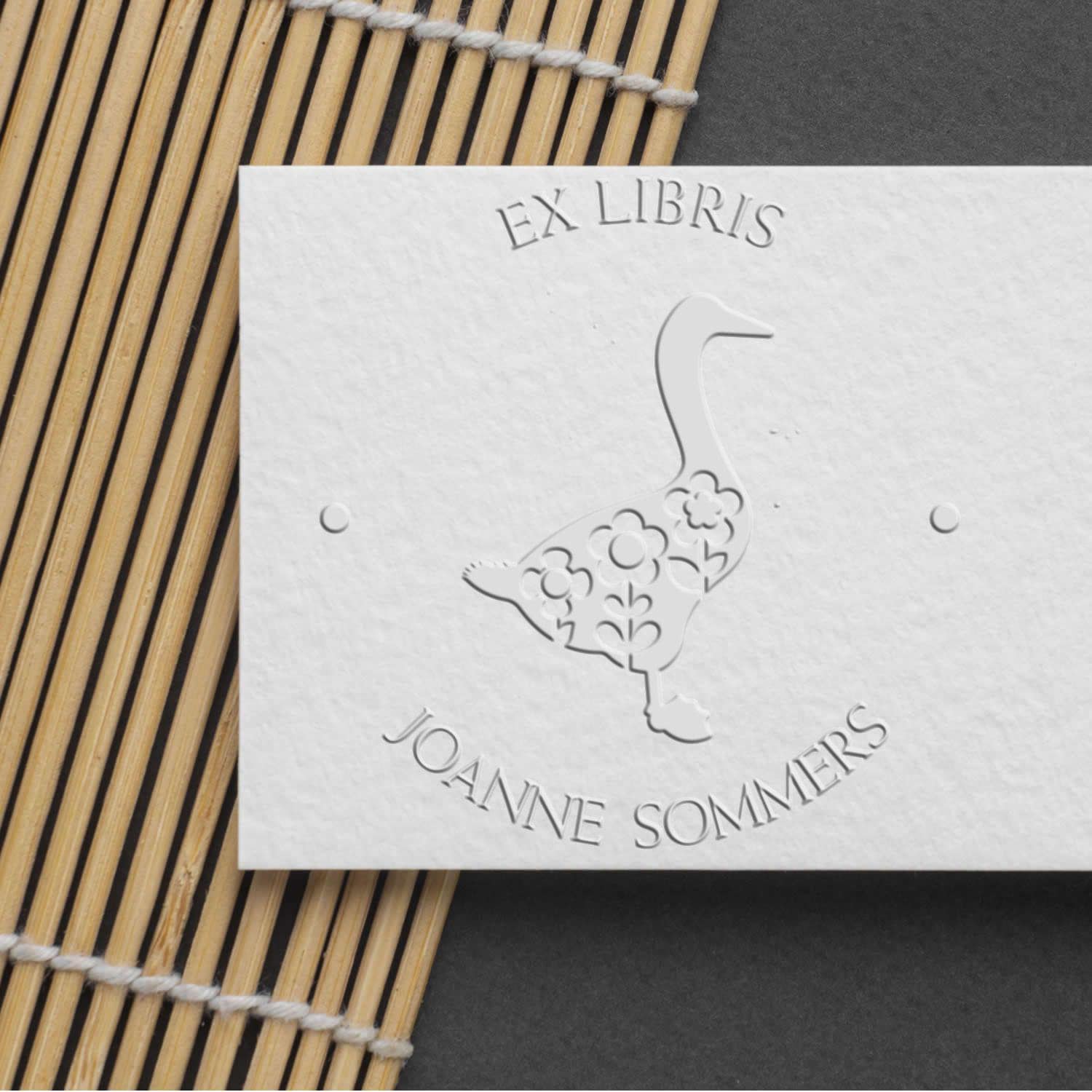
Librarian embosser seals are a delightful way to personalize your collection of books, documents, or gifts for fellow bibliophiles. By pressing an elegant, raised imprint onto paper, these seals blend function and artistry, helping you create a unique, professional-looking mark. Whether you plan to organize your home library or share these custom embossed pages with friends and family, the right librarian embosser seal can add a memorable finishing touch to every piece you own. Choosing the best option may feel overwhelming at first, but once you explore the features, materials, and designs that suit your style, you will discover exactly how transformative this simple tool can be.
Below, you will find a step-by-step guide to help you understand and select the perfect librarian embosser seal. We will walk through the features you should look for, highlight tips for designing a seal that reflects your personality, and explain the best ways to care for it long term. You will also learn why Acorn Stamps, the family-owned and operated company with 60 years of dedicated service, stands out as a top supplier for your stamping needs. By the time you reach the end, you will have a clear perspective on how to get the most out of a librarian embosser seal for both functional and creative purposes.
Understand Librarian Embosser Seals
A librarian embosser seal is both a practical and decorative way to mark your books, documents, and stationery. Unlike simple ink stamps, embossers create a raised impression in the paper itself, adding texture as well as a distinct visual flair. This tool is especially popular among librarians and book enthusiasts who want to label personal libraries, or who simply enjoy bringing an old-fashioned sense of charm to the printed page.
Why They Matter
Before you settle on a librarian embosser seal, you will want to appreciate how it might fit your daily life or gifting needs. Embossers:
- Personalize your books so friends and family can easily recognize borrowed items.
- Convey sophistication in professional settings, such as historical archives or research centers.
- Allow you to share a unique artistic identity, whether you use it on bookmarks, greeting cards, or event invitations.
- Make thoughtful and memorable gifts for book lovers who treasure finely detailed, handcrafted items.
Who Uses Them
You do not have to work at a public library or lead community events to enjoy an embosser. Many enthusiasts use them simply because they love collecting books and want a stylish way to brand their pages. Private collectors, teachers, historians, and even hobby crafters find embosser seals invaluable for adding personal flair. If you are looking for a gift, a librarian embosser seal can be just as rewarding, particularly for anyone who is challenging to buy for but has a deep passion for reading.
Explore Key Features
As you begin browsing librarian embosser seals, you will notice a variety of factors that distinguish one product from another. From impression depth to handle types, each feature plays a role in how your seal will look, feel, and perform.
Impression Depth and Clarity
One of the key hallmarks of a quality librarian embosser seal is the clarity of the raised impression. Shallow or uneven impressions can leave documents looking unprofessional. On the other hand, a deep and consistent impression showcases a crisp design that is instantly recognizable. Factors affecting impression depth:
- The quality of the metal die used in manufacturing.
- The amount of force applied when pressing the seal.
- Paper substrate thickness or texture (thicker cardstock may need a heavier press).
Choosing an embosser with a robust mechanism and precisely etched dies ensures each page you stamp looks perfectly embossed.
Ergonomic Handle
If you plan on embossing many items, perhaps labeling every book in your private library, you want a handle design that fits comfortably in your hand. Ergonomic handles are easier to squeeze and typically cause less strain. Look for a mechanism with a nice balance so you can press consistently without excessive hand fatigue.
If you have mobility or strength concerns, consider testing different handle types or selecting a desk-style embosser instead of a handheld one. Desk embossers rest on a flat surface, which helps you apply more force with less effort.
Durability and Longevity
You deserve a tool that will stand the test of time. Some embossers feature rugged, die-cast metal that resists bending or breaking after repeated use. Others might use plastic components that reduce cost but wear out more quickly. A well-crafted embosser can last for decades, making it a valuable investment if you enjoy collecting books or want a family heirloom of sorts.
Customization Options
A defining feature of a librarian embosser seal is the level of customization available. You might wish to include your name, initials, or even a simple logo. Seek out suppliers who offer multiple font styles, design motifs, and layout options. This variety can ensure that your finished product matches both your personal taste and your library’s aesthetic.
Design Your Custom Seal
Designing your librarian embosser seal is often the most exciting part of this process. It is your chance to be creative and personalize the impression so it stands out. By considering layout, text, and visual elements, you can transform a standard seal into one that is uniquely yours.
Layout Basics
A typical seal design consists of a circular or rectangular impression with text wrapping around the edges and possibly a small icon or monogram in the center. Some popular layout styles include:
- Circular Border With Center Icon
- Simple Text-Only Layout
- Stacked Typography With Minimal Graphics
- Ornate Filigree or Decorative Swirls
You can also request a custom layout that blends your personal artwork or unique fonts for a one-of-a-kind design.
Selecting Text
Because embossing imprints letters onto paper, choosing the right words or phrases is essential. You can keep it simple with your name and a phrase like “From the Library of,” or you can include additional wording such as:
- “Ex Libris” (Latin for “from the books of”).
- A meaningful quote or motto.
- Special event or occasion references (e.g., wedding date, retirement year).
Keep in mind that shorter text often produces a cleaner result because the design won’t be cramped. However, if you prefer more detail, work with a supplier who can size the fonts and space them properly to ensure a clear impression.
Font and Typography Choices
Your chosen font affects both readability and style. Some fonts are clean and modern, while others evoke a classic, Old World feel. Consider selecting a typeface that represents your library’s theme or even the genre of books you most enjoy. If you love Victorian literature, for example, an elegant script might suit your seal perfectly. If your collection leans toward contemporary works, a sharp sans serif might be the better fit.
Graphics and Monograms
Inserting a graphic, monogram, or small illustration can elevate your seal’s overall look. Popular options include:
- Initials arranged in a monogram style.
- Simple icons (e.g., open book, quill pen, magnifying glass).
- Minimalist logos for home-based business libraries.
Whatever graphic you choose, make sure it will translate well into an embossed impression. Highly detailed images might lose clarity once pressed into paper. Typically, bold, clean shapes work best.
Choose Quality Materials
Not all librarian embosser seals are made the same, and the type of material used in the production can drastically impact its performance and durability. Paying close attention to component quality ensures you will own a tool that lasts for years.
Metal vs. Plastic Components
When exploring your embosser options, you will primarily find models that are made from metal, plastic, or a combination of both.
- Metal Dies: These create crisp, long-lasting impressions, often used by professional services such as notaries. They are heavier but can withstand more usage.
- Plastic Dies: Usually cheaper to produce but can wear out or warp under pressure, resulting in inconsistent impressions over time.
If you emboss frequently, investing in a metal die is likely the best route.
Handle Material
Just as crucial as the die quality is the construction of the handle or casing. Some models feature lightweight plastic handles that are comfortable but not always durable. Others boast metal handles that feel sturdy and can bear the pressure of continuous use. Try to find a balanced option: if you choose a metal handle, ensure the grip is not so slippery or heavy that it becomes cumbersome after multiple embosses.
Desk vs. Handheld
Materials can also differ based on whether the embosser is designed for handheld or desk mounting. Desk mounts:
- Often feature heavier base materials for stability.
- Can apply pressure more evenly, allowing for deeper impressions.
- Suit people who want a permanent stamping station rather than having to hold the embosser in mid-air.
Handheld models:
- Are lighter and more portable, so you can easily carry them around.
- Typically requires you to grip firmly with your hand and squeeze.
If mobility is important to you, a handheld embosser can be a great choice. If consistent results and ease of use matter most, a desk embossing machine may serve you better over the long term.
Master Usage and Maintenance
Once you find the perfect librarian embosser seal, you will want to ensure it continues to deliver crisp, attractive impressions. Using and maintaining your seal properly not only preserves its utility but also extends its life.
Proper Alignment
Positioning your seal is critical for a clear impression. If you align it crookedly, you might end up with a skewed design that partially cuts off text. For the best outcome:
- Mark the desired embossing spot lightly with a pencil on the backside of the page, or align the edge of your embosser with a reference point on your desk.
- Hold the paper firmly in place, whether you are using a handheld or desk embosser.
- Apply consistent pressure with a firm squeeze until you feel the paper mold to the die.
Paper Considerations
Embossers can work on various types of paper, from lightweight copy sheets to heavier cardstock:
- Thin Paper: Easier to emboss, but the design might show through on the reverse side.
- Cardstock: Requires more pressure for a good impression but produces a clean and professional look.
- Textured Paper: May present challenges, as ridges or patterns can interfere with clean lines.
Experiment with small samples to identify the perfect combination of pressure and paper thickness.
Cleaning and Storage
Keeping your embosser clean helps maintain sharp impressions. Dust, stray paper fibers, or dirt can collect over time, dulling the details on the die. Periodically wipe down your seal with a soft cloth. Avoid harsh chemicals, they can damage the surface or internal parts. Store your embosser in a cool, dry location, preferably in its original case or box, to protect it from bumps and scratches.
Troubleshooting Common Issues
If you notice uneven impressions or suspect the die might be misaligned, do not force the handle. Instead:
- Inspect the die surface for debris or wear.
- Verify that no obstructions in the hinge or handle mechanism are causing limited range of motion.
- If problems persist, contact an expert or the manufacturer for guidance.
Select Acorn Stamps
If you are searching for a reliable place to purchase your librarian embosser seal, Acorn Stamps stands out for several reasons. Family owned and operated since 1964, the company offers six decades of expertise in providing high-quality custom made seals and personalized embossers. Patrons praise Acorn Stamps for super fast turnaround times and attentive customer care, which are essential when you need your embosser for a special event or want to ensure the design is just right.
Why Acorn Stamps Shines
- Stellar Customer Service: As a customer, you want reassurance that your vision and concerns will be heard. Acorn Stamps’ friendly support team will guide you through the process, from choosing your design to finalizing the best materials.
- Fast Turnaround: If you are in a rush to get your embosser for an upcoming wedding, graduation ceremony, or holiday season, you can trust Acorn Stamps to deliver promptly without sacrificing quality.
- Wide Range of Designs: Whether you want a minimalistic logo or a classic literary motif, Acorn Stamps can accommodate your ideas.
- Family Legacy: Their 60 years in business speaks to a commitment to quality and tradition you can rely on for consistently exceptional results.
Crafting Your Ideal Embosser
At Acorn Stamps, you can explore a variety of customization options. Work with their design teams to choose:
- Different die sizes and shapes.
- Text styles, fonts, and icon choices.
- The perfect handle type, desk or handheld, to match your embossing habits.
Because the company prioritizes both form and function, you will receive a well-constructed, visually appealing embosser that truly embodies your library’s spirit.
Review Common FAQs
By now, you likely have a clear idea of what to look for in a librarian embosser seal. However, a few extra details often come up during the selection or ownership process. Below, you will find answers to five frequently asked questions.
How do I choose between a handheld and desk embosser?
It depends on your personal preference and usage style. A handheld embosser is more portable and ideal if you want to take your seal to different locations or store it easily. A desk embosser, on the other hand, provides added stability and produces very consistent results with minimum effort.
Will embossing damage thin pages?
Embossing typically does not damage standard book pages, but it can leave impressions visible on the reverse side. If your pages are exceptionally thin or delicate, you can test a sample or reduce the pressure to achieve a gentler imprint.
Can I change the die on my embosser later?
Some models feature removable die plates, allowing you to update your design whenever you wish. Check with the manufacturer or retailer—like Acorn Stamps—to see if they offer replacement or additional die plates compatible with your chosen embosser.
How long does an embosser typically last?
A well-made embosser can last for decades, especially if you keep it clean, store it properly, and avoid forcing the mechanism if an issue arises. Metal dies typically last longer than plastic ones and maintain crisper impressions over time.
Is an embosser a good gift for a book lover?
Absolutely. A librarian embosser seal makes a thoughtful and personal present for anyone who cherishes their library. It adds a unique, artistic charm to every page embossed, turning an ordinary book collection into a treasure trove of personalized volumes.In the end, a librarian embosser seal is more than just a functional accessory. It lets you express your individuality, organize your personal books, and make a lasting impression in every sense. By focusing on key features like impression depth, design flexibility, and material durability, you will be well on your way to selecting a timeless stamp that brings elegance and order to your collection.
And if you want a reliable partner in creating the ideal embosser, Acorn Stamps proudly stands ready to help. Whether you are a veteran bibliophile looking to refresh your home library or searching for that perfect gift, you can trust their six decades of expertise, stellar customer support, and fast turnaround times to deliver a truly outstanding experience. With a well-chosen embosser in hand, you will elevate each page to a work of art, making your library, or a loved one’s, feel truly special.