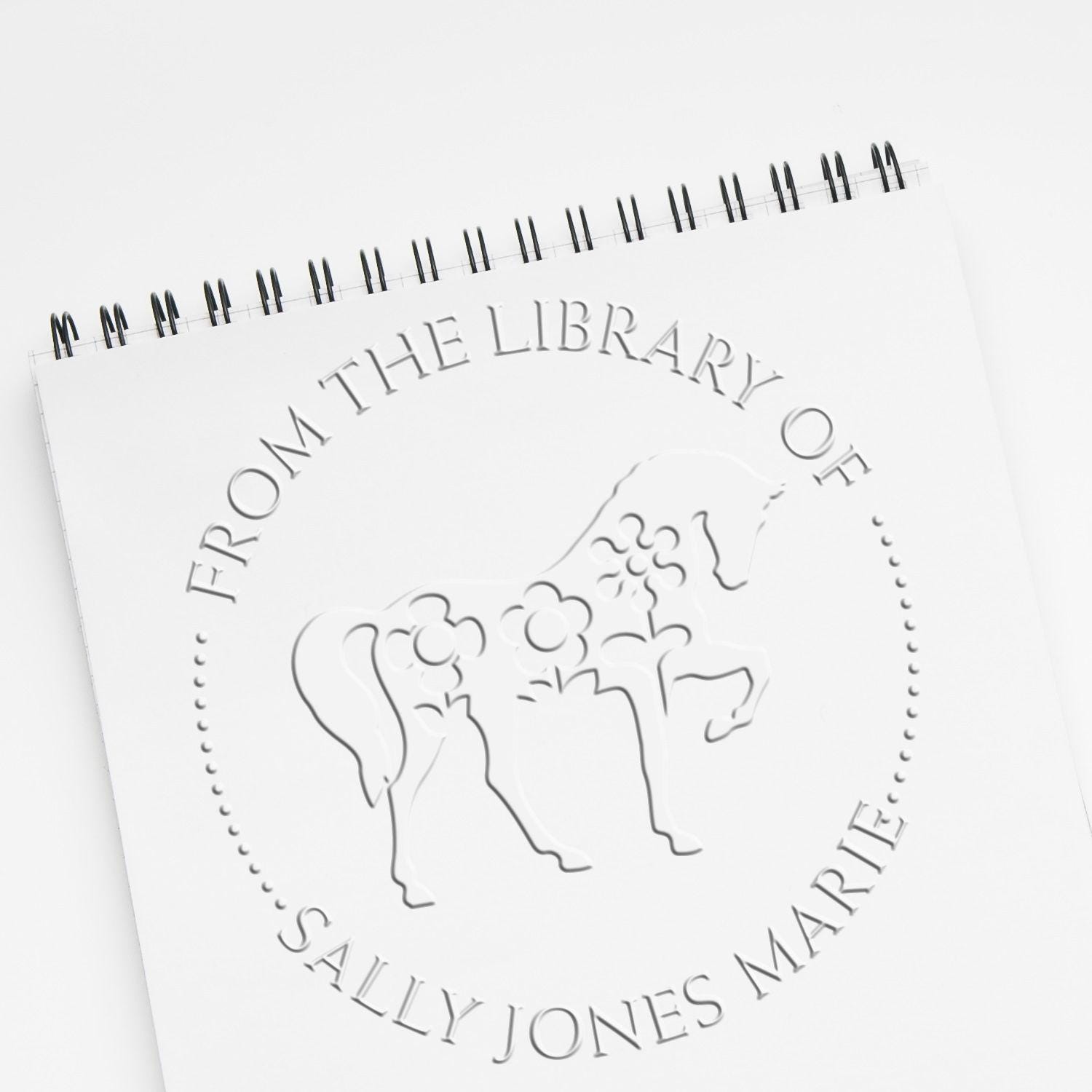
Choosing a library seal embosser can be an incredibly fun way to personalize your treasured books or create a thoughtful gift for a fellow book lover. A high-quality embosser works by pressing a design into paper, leaving a raised impression that exudes elegance and ownership. Whether you have a sprawling collection proudly displayed on shelves or simply enjoy a few favorites, a library seal embosser allows you to make your mark and protect your books from wandering off as “borrowed” items.
In this guide, you will discover the key factors for selecting the right library seal embosser. You will also learn about different design elements, maintenance tips, and how to team up with a reliable supplier like Acorn Stamps, a family-owned company operating since 1964 with a strong reputation for stellar customer service and fast turnaround times.
Understand the Library Seal Embosser
A library seal embosser is a specialized tool that presses an ink-free imprint, often containing a name, monogram, or logo, into paper. Unlike rubber stamps that require ink, an embosser creates a subtle, raised design that conveys sophistication.
What Makes Embossing Unique
- Inkless Impression
Embossing eliminates the need for ink, and the absence of color helps keep your books looking fresh and clean. You won’t have smudges or bleeding ink to worry about.
- Elegant Aesthetic
A raised design catches the eye. This subtle yet distinguished look adds a layer of class to everything from bookmarks to the flyleaf of a treasured hardcover.
- Long-Lasting Results
While ink can fade over time, an embossed design endures. As long as the paper remains intact, your mark stays crisp and visible.
How It Works
You simply place a sheet of paper between the embosser’s plates, align the design with the exact spot you want to mark, and apply pressure. Quality embossers often have an ergonomic handle that allows you to push down smoothly, imprinting the design neatly onto the page. Because each sheet is manually embossed, you have full control over the placement and orientation of each mark.
Identify Your Needs
Before you finalize your decision, it helps to ask yourself how you plan to use your library seal embosser. Are you a passionate bibliophile intent on labeling every novel on your shelves? Or do you want a personal signature seal for a limited-edition collection? Defining your main objectives will guide your design, size, and style preferences.
Personal vs. Professional Use
While home libraries are a popular scenario for library seal embossers, professionals such as lawyers, librarians, or archivists might also leverage embossers in their work. Your usage frequency and the materials you emboss (like thicker paper or special documents) will impact the device’s durability needs.
Gifting Potential
If you are searching for a heartfelt gift for a book-loving friend, a library seal embosser is a meaningful option. Personalize the design with their name, a unique monogram, or a short motto that reflects their style. Not only is it thoughtful, but it also celebrates their passion for reading.
Explore Design Elements
One of the most exciting parts of choosing a library seal embosser is picking a design that speaks to you. The look and feel of your embossed mark is a direct reflection of your personality, or the vibe you want your personal library to exude.
Classic Emblems and Monograms
A timeless choice is a monogram or a classic emblem featuring your initials or family name. This aesthetic works especially well for readers who take a more formal, traditional approach to their collection. It’s also a popular style if you want your seal to match other stationery or personal branding materials.
Modern Shapes and Typography
If you prefer a contemporary edge, consider geometric shapes coupled with sleek typography. Bold lines and minimalist lettering create an eye-catching impression without feeling overly ornate. The crisp look of modern design can work well in creative fields or for readers who favor a more casual vibe.
Bookplate Motifs
Some enthusiasts love the idea of a traditional bookplate-inspired design. A stylized open book icon with space for a name or a witty phrase can add coziness to your imprint. You might include references to favorite reading genres, personal mottos, or symbols that resonate with you.
Custom Illustrations
For a truly unique feel, you could commission or create a small illustration. Think a clever silhouette, whimsical doodle, or even your pet alongside a stack of books. Though it may cost a bit more to have a custom plate made, you will have a one-of-a-kind image that sets your collection apart.
Check the Quality Factors
Not all embossers are created equal. If you want crisp, detailed impressions, it’s valuable to pay close attention to the build, materials, and design of each product. Especially if you plan to use your embosser heavily, quality matters.
Material and Construction
- Metal Construction
Look for an embosser made from sturdy metal components. Such models generally provide smooth, precise pressure and perform well even after repeated use.
- Plastic vs. Metal Parts
Some embossers feature plastic handles or body parts. While this can reduce cost, heavy-duty usage might wear down a plastic embosser faster. Evaluate whether the potential savings justify the shorter lifespan.
Impression Depth and Sharpness
Try to find product descriptions or sample images that demonstrate how deep and clear the final embossed mark appears. You want a design that stands out yet doesn’t tear the paper. A crisp outline and legible text ensure your seal looks professional and polished.
Orientation and Reach
An embosser’s “reach” refers to how far the clamp can extend into a page. If you want to emboss the center of a page in a larger volume, consider a model with a deeper reach. Also check if the embosser design suits your preferred orientation, some are best for bottom embossing (where you pinch from beneath a page), and others handle top embossing more comfortably.
Ergonomics
A user-friendly handle is a must if you plan on embossing large volumes of books or documents. Pay attention to features like a soft grip, balanced weight, or a design that offers solid leverage. This can reduce hand fatigue and make the overall process smoother.
Think About Paper and Placement
Your embosser’s main stage is the paper you plan to personalize. The thickness, size, and positioning of your emboss all determine how your final impression looks.
Paper Thickness
Higher-quality paper, such as thicker cardstock, can elevate the appearance and feel of the embossed mark. However, it also demands a sturdy embosser that can handle the extra thickness without tearing. If you only plan to mark regular book pages, a moderately built embosser should suffice.
Placement Methods
Deciding where you want your seal on each page also impacts your choice of embosser. You might prefer a subtle imprint in the bottom corner, a more prominent placement near the center, or near the top edge. Some readers use the first inside page or the title page for the mark, ensuring it’s immediately visible to anyone who opens the book.
Minimal vs. Bold Positioning
- Subtle Mark
Emboss a small corner of each page with a gentle design, creating an understated signature of ownership.
- Prominent Placement
Use a larger image, perhaps in the center of the page or on a front-page bookplate template, to clearly display your unique branding.
Consider Practical Maintenance
A library seal embosser requires far less maintenance than many other tools, but taking a few steps to keep it in top shape ensures consistent, sharp impressions.
Cleaning and Storage
- Dry Cloth Wipe
Use a soft, dry cloth to wipe off any accumulated dust or small paper fibers from the embossing plates.
- Protective Case
Storing your embosser in a dedicated case or pouch helps prevent scratches. This extends its life and keeps it ready for immediate use whenever inspiration strikes.
Inspecting the Plates
Regularly check the embossing plates to ensure there are no bends or visible damage. Over time, minor dents can affect the quality of your imprints. If you notice any misalignment, consult with your supplier for repair options.
Work With Acorn Stamps
Once you have your design ideas in mind, you want to partner with a supplier you can trust to bring your vision to life. Acorn Stamps has a 60-year history in crafting unique stamps and personalized embossers. Their legacy of family ownership means they take pride in ensuring every customer walks away happy.
Family-Owned Legacy
Having served customers since 1964, Acorn Stamps values tradition, quality, and reliability. With six decades of hands-on experience, their approach emphasizes genuine care and strong attention to detail. You can trust them to guide you through design choices, produce crisp seals, and help you handle any challenges along the way.
Stellar Customer Service
Choosing the right library seal embosser can involve lots of little questions—How big should it be? Are monograms better than full names? What if the design doesn’t align on the page? At Acorn Stamps, you will find a friendly team ready to answer those concerns and offer insights based on real-world experience.
Fast Turnaround
One of the biggest concerns when customizing embossers is time. Whether you have a special event coming up or simply want to start marking your books right away, you don’t want to wait endlessly. Acorn Stamps prides itself on a speedy turnaround without sacrificing quality. This is especially handy if you are in a hurry to finalize a gift.
The Ordering Process
To personalize your library seal embosser, outline your design preferences or share any sketches or ideas you have on hand. From there, they will manage the production of a custom die that meets your specifications. If something doesn’t look right in your proof, you can request adjustments until the design truly feels like yours.
Experiment With Creative Uses
While the primary purpose of a library seal embosser is marking books, you might discover inventive ways to use this tool for multiple projects.
Personalized Stationery
Emboss letters, envelopes, or greeting cards to give your correspondence a formal yet personal flair. A monogram or family crest design can make your letters memorable.
Paper Crafts and Scrapbooking
If you enjoy crafts such as scrapbooking or card-making, an embosser can add that special texture work to your projects. Embossing patterned paper or embellishments can help you maintain a cohesive theme throughout your designs.
Corporate Identification
If you’re part of a professional setting, such as a law office, creative agency, or educational institution, an embosser can help mark official documents or stationery with a logo or seal of authenticity. This signals professionalism and consistency in branding.
Gift Tag Embellishments
When you wrap presents, adding an embossed seal can make your package stand out. You can emboss a small piece of cardstock or tag with a special message or monogram. It’s a small detail that recipients often appreciate since it adds a thoughtful, personal touch.
Budgeting and Cost Considerations
It’s true that library seal embossers can be an investment, but you can find options at various price points. Keep a few budget factors in mind to ensure you feel confident in your choice.
- Initial Investment:
The cost can range from more affordable, basic embossers to premium, heavy-duty metal devices. Think about how often you will use the embosser, if you’re marking hundreds of books, it may be worth opting for a sturdier build.
- Customization Fees:
Depending on the intricacy of your artwork, there might be additional costs for designing and manufacturing the custom plates. Talk to your supplier about the complexity of your chosen design to get an accurate quote.
- Possible Replacement Plates:
If you plan to change your design in the future or need an additional set of plates (for instance, a second design), factor in these expenses. Some brands let you switch out plates without buying an entirely new embosser body.
- Shipping and Handling:
Depending on your location, shipping costs can grow if you select expedited delivery. Reputable suppliers often provide transparent shipping fees, so it’s best to check or confirm any additional charges before finalizing your purchase.
Additional Personalization Tips
Once you choose your library seal embosser, consider incorporating a bit of creativity into how you apply those impressions.
Layering Techniques
Some crafters use multiple embossers to create layered images. For instance, you might emboss an initial first, then lightly emboss a decorative border slightly offset for a visually engaging look.
Pairing With Stamps or Ink
Even though embossers don’t require ink, you might enjoy combining your embossed element with a complementary inked stamp, subtle watercolor wash, or even metallic foil. This mixed-media look can add extra artistry to your pages.
Testing on Scrap Pages
Before committing to a fancy hardcover or a special edition volume, test the tools on scrap paper. This protects your prized books from accidents and helps you refine the technique. Make sure the pressure is right, and confirm the design orientation before moving on to your final piece.
Rotating Favorite Designs
If you’re truly an avid paper lover, consider swapping embossing plates every so often. You could create themed designs, seasonal motifs, or special book club impressions. Think about collecting a few plates to suit various moods or events, this keeps your library labeling fresh and dynamic.
Frequently Asked Questions
How Do I Keep My Embosser Aligned?
You can align the design by visually checking where the die meets the paper. Most embossers have a small guideline to help you hold the paper straight. If you want extra precision, consider drawing faint pencil marks on the page that you can erase later.
Can I Emboss Books with Glossy or Coated Pages?
Yes, though the depth of the impression varies. Glossy or coated pages can be trickier, and you may want a heavier-duty embosser to achieve a clear impression. Test a spare page or the back of a flyer before trying it on a treasured volume.
What If the Embosser Tears the Page?
A torn page usually indicates either excessive pressure or a mismatch between the embosser’s design and the paper thickness. Try reducing the force or switching to a thinner, standard-weight page. If issues persist, consult the supplier, like Acorn Stamps, for adjustments or guidance.
Is There a Limit on How Many Times I Can Use It?
Generally, quality embossers last for thousands of impressions. The metal plates and chassis can handle heavy use, provided you keep them clean and store them carefully. Should you notice deterioration, reach out to the manufacturer for maintenance or possible part replacements.
Can I Include Graphics or a Logo in My Design?
Absolutely. Many suppliers, Acorn Stamps included, can create a custom plate from your own artwork or logo file. This is a great way for businesses, organizations, or anyone who wants a distinct symbol to stand out in their collection or branding efforts.
Take your time selecting the right library seal embosser for your needs. By prioritizing quality construction, aesthetic appeal, and a design that feels true to you, you will enhance your reading experience and enjoy a special bond with your collection. And if you have questions along the way, the team at Acorn Stamps stands ready to help you create the perfect personalized embosser. Happy reading and happy embossing!