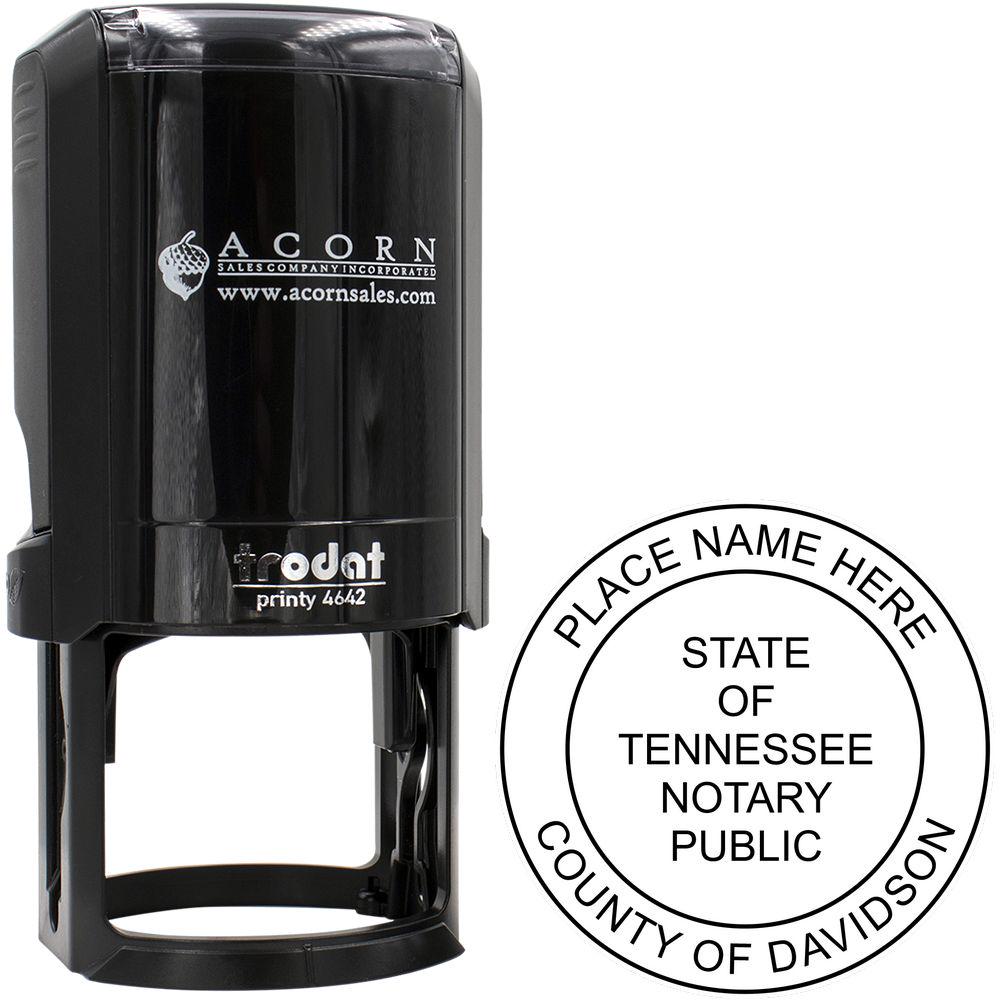
Considering a Tennessee notary embosser for your official duties? If you serve as a Tennessee Notary Public, using this specialized tool can help you affirm the authenticity and professionalism of your notarized documents. From verifying signatures to certifying records, an embosser leaves an unmistakable raised impression that speaks to the document’s validity. Below, you will find everything you need to know about choosing, using, and maintaining a Tennessee notary embosser so you can carry out your responsibilities with confidence.
Understand The Role Of A Tennessee Notary Embosser
A notary embosser is a handheld device that presses an official seal into paper. With each press, you create a raised imprint identifying your commission details. By choosing a Tennessee notary embosser, you make your notarial acts easily verifiable under Tennessee state regulations.
In Tennessee, your official stamp or seal is vital for preventing fraud and ensuring trust in legal documents. Although you can use an inked stamp, many notaries prefer an embosser for its distinctive, professional appearance. That crisp, three-dimensional brand on the page is difficult for scammers to replicate, making it a secure addition to your notarial toolkit.
Why A Tennessee Notary Embosser Matters
Ensuring Authenticity
When documents bear your raised seal, they are more resistant to forgery. Embossing creates a physical texture that cannot be reproduced by a simple photocopier or scanning device. Clients who see the raised impression immediately know their paperwork is properly notarized.
Building Credibility
Anyone receiving a notarized document wants reassurance that everything is above board. The presence of your embossed seal, along with your signature and commission expiration date, reinforces that you have followed the formal procedures required by Tennessee law. The result is that you inspire confidence and peace of mind.
Key Components To Look For
Shopping for a Tennessee notary embosser is easier once you know which features matter most. Keep the following components in mind so you can pick a product that meets your needs.
Plate Material
Embosser plates are typically made of metal. High-quality plates produce sharper impressions that remain clear and legible. While cheaper alloys can wear out faster, a well-crafted set of metal plates delivers crisp embossing for years. Make sure the plate includes all your commission-required details, such as your name, Tennessee county, and commission expiration date.
Ergonomic Handle
Comfort is crucial because you might emboss multiple documents a day. An ergonomic handle design helps you avoid hand strain and makes it easier to line up the paper and press down. Look for a grip that feels stable in your hand and a lever mechanism that does not require excessive force.
Seal Impression Depth
The depth of the raised imprint can vary between embossers. Certain models form a more pronounced impression, which stands out beautifully on official stationery or certificate paper. Deep impressions also provide better security, since they are more challenging to replicate through scanning.
Steps To Use A Tennessee Notary Embosser
If you have never used an embosser before, you may worry about placing the seal incorrectly or causing the paper to tear. Fortunately, the process is straightforward once you get the hang of it. Here is a simple approach to ensure your seal appears clean and official.
Step 1: Document Preparation
Review the document to confirm it meets Tennessee notarial requirements. You will typically sign your name, write your commission number if needed, and double-check that the text is ready for embossing. Note where the seal should be placed. Some documents have a designated space for your seal, while others leave it up to your discretion.
Step 2: Position The Embosser
Slide the document between the embosser’s plates, taking care that it is aligned exactly where you want the raised impression. Lift the lever slightly if you need to adjust positioning. It is a good idea to practice on a blank sheet or a scrap copy of the document, especially if you are new to embossing.
Step 3: Confirming Seal Legibility
Press the handle down firmly so that the plates bite into the paper. Lift the device and examine the imprint. If it is crisp and legible, you have successfully placed your seal. If it looks faint, you might need to apply a bit more pressure or adjust the tension settings (if your embosser offers that feature).
Care And Maintenance Guidelines
Your Tennessee notary embosser is a long-term investment for official notarizations, so preparing a maintenance routine will help extend its lifespan. Proper care also keeps your seal looking professional.
Proper Storage Suggestions
Store your embosser in a clean, dry area, away from direct sunlight or dampness. Many embossers come with a protective pouch or case. If yours does not, you can keep it in a sturdy box lined with soft cloth to shield it from dust.
Regular Plate Inspection
Check the plates frequently for buildup of debris or bent edges. Small bits of paper or dust can accumulate around the metal plates and reduce the clarity of your seal. A gentle wipe with a soft cloth every week helps keep your embosser in top form. If you notice wear or warping, you may need to replace the plates.
Purchasing Tips And Recommendations
Choosing where to purchase your Tennessee notary embosser can make a big difference in quality, turnaround time, and overall satisfaction. While local office supply stores are an option, they may have limited selections and might not understand Tennessee-specific requirements.
Where To Buy
For a dedicated supplier, consider Acorn Stamps. Family owned and operated since 1964, and with nearly 60 years of service, Acorn Stamps specializes in Tennessee notary stamps and Tennessee notary seals. With stellar customer service and super fast turnaround, they are a trusted place to get your embosser. If you have questions about meeting Tennessee’s regulations or you need guidance on design, their team is ready to help.
Customization Options
Many embossers can be customized with your name and commission details, ensuring that each raised impression meets state guidelines. Some suppliers also offer different handle styles and colors, letting you pick a design that feels more personal. You might opt for a desk-style embosser if you handle notarizations in a single location or a pocket embosser if you are often on the go.
Mistakes To Avoid
No matter how experienced you are as a Tennessee notary, these common pitfalls can trip you up if you are not prepared.
- Overlapping The Seal
Sometimes notaries place multiple seals too close to one another, causing an overlap of impressions. This can make the seal hard to read. Space them out to maintain a crisp, legal standard.
- Not Having Proper License
Always confirm your commission is valid and active in Tennessee before embossing documents. Using a seal with outdated or incorrect commission details can invalidate the notarization and cause legal complications.
- Neglecting To Replace Worn Embossing Plates
If you notice that your seal is losing clarity or the edges of your plates look damaged, do not ignore the problem. Promptly replacing the worn plates ensures you can continue producing clear, professional impressions.
- Applying Excessive Pressure
Pressing down too hard can tear thinner paper and lead to a messy final look. Practice pressing just firmly enough for a clear imprint without damaging the document.
- Failing To Follow Document Requirements
Each notarized document may have unique requirements, such as specific signatures or acknowledgments. Make sure you have read the instructions carefully so you know where to place the seal and which additional fields you need to fill.
Frequently Asked Questions
How Do I Know If I Need An Embosser Versus A Regular Notary Stamp?
Tennessee allows both stamps and embossers, but many notaries choose embossers for the raised seal effect. An embosser offers added security and a distinctive look. A regular notary stamp can also be valid, yet some clients prefer a quicker way to verify authenticity, which an embossed seal provides.
Can I Use My Embosser On Any Paper Type?
You can use your Tennessee notary embosser on most standard paper types, including letter-sized office paper, legal documents, and thicker certificate paper. However, extremely thin sheets tend to tear if you press too hard. For very sturdy or glossy paper, you may have to test your embosser for the right angle and pressure to ensure a clear seal.
What Should I Do If My Commission Information Changes?
If you change your legal name, move to a different county, or renew your commission, you will need to update the details on your seal. Check Tennessee's notary laws to confirm whether you can continue using your current embosser until the new commission details are active. You may need to purchase an updated embosser that accurately reflects your new information.
Are There Rules About Where To Place The Embossed Seal On The Document?
Tennessee notary law does not have strict guidelines on seal placement, but many documents include an area specifically designed for the seal. If not, place the seal near your signature, while avoiding any text that might become unreadable once embossed.
Where Can I Get Help If I Have More Questions About My Embosser?
If you need more personalized assistance, contact a reputable supplier like Acorn Stamps. They have extensive experience providing Tennessee notary embossers and can guide you through product details, maintenance inquiries, and any unique requirements for your county.
By selecting a dependable Tennessee notary embosser, caring for it properly, and using it correctly, you will be well-equipped to notarize documents with professionalism and confidence. With a bit of preparation, and a high-quality supplier at your side, your notary work will stand out as both secure and credible. If you ever have questions, do not hesitate to reach out for help. Happy embossing.