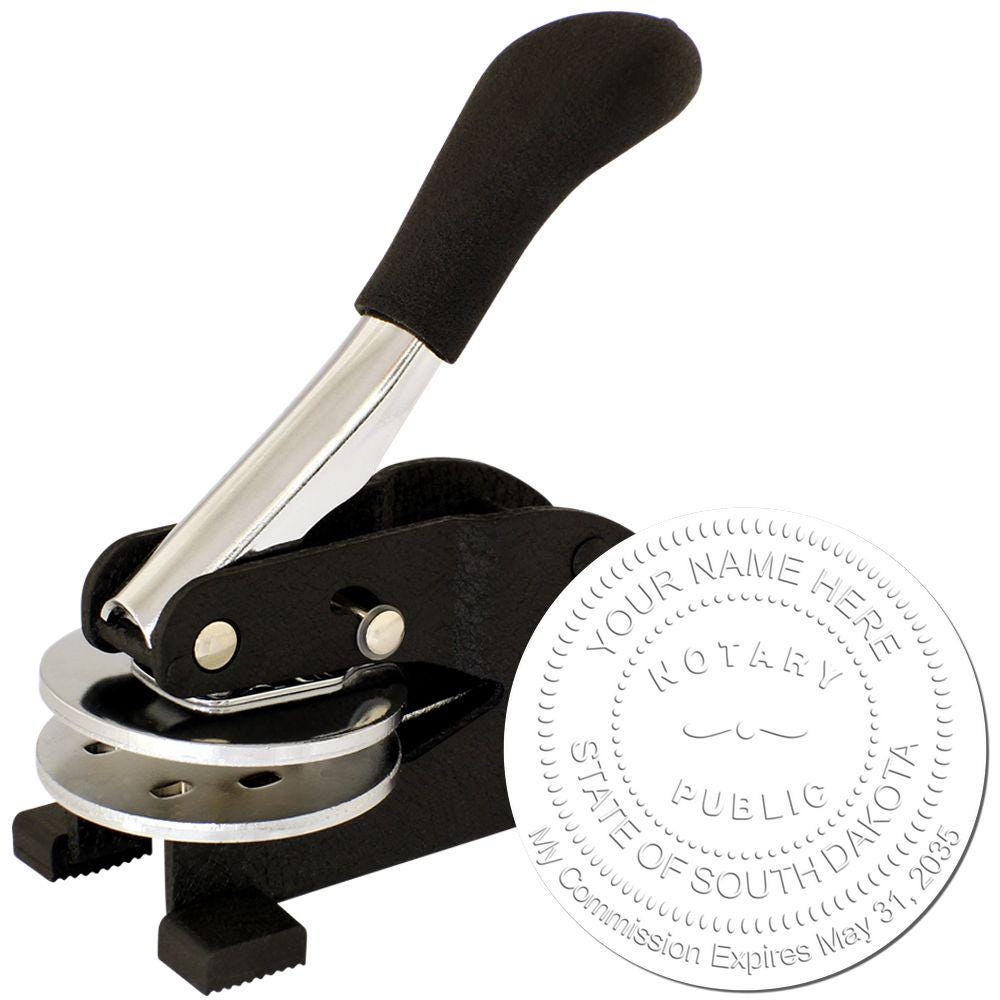
Becoming a notary public in South Dakota hinges on a thorough understanding of your South Dakota notary stamp and seal. These crucial tools help you certify signatures, administer oaths, and uphold the integrity of every notarized document. In this article, you will learn the ins and outs of acquiring, maintaining, and using your notary stamp and seal in the Mount Rushmore State. You will also discover helpful details about caring for your supplies, ensuring security, and meeting legal requirements. By the end, you will have a clear roadmap for fulfilling your notary responsibilities with confidence.
Understand Your Role and Responsibilities
Your notary commission in South Dakota authorizes you to act as an impartial witness and guardian of document authenticity. This position carries real weight in your community and beyond. In many situations, individuals and businesses look to you to validate important deals, records, and agreements. Here are a few key roles you assume:
- Verifying identities for signers
- Confirming willingness and competence of signers
- Ensuring all parties have proper documentation
- Affixing your South Dakota notary stamp and seal accurately to official documents
In essence, you act as a safeguard against fraud. While this distinction is an honor, remember that it comes with legal and ethical responsibilities. Proper use of your stamp or seal is critical for maintaining public trust and upholding your notarial authority.
Why Your Stamp and Seal Matter
A notary stamp or seal authenticates documents that you notarize. It shows you have correctly completed each step in the notarization process. Without this visible mark, the public has no immediate way of knowing whether a notarial act is valid. By carefully placing your South Dakota notary stamp and seal, you ensure that everything is clear and aboveboard.
Meet Legal Requirements in South Dakota
Every state has its own notary regulations, and South Dakota is no exception. Before you order your supplies, make sure you understand what is legally required of your notary stamp and seal. Here is a quick overview:
- The legal name on your commission must appear on your stamp or seal exactly as it is listed on your notary credentials.
- South Dakota law typically requires the words “Notary Public” and “South Dakota” to appear clearly.
- Your commission expiration date might need to be included, though specific design elements can vary.
Failure to include the required elements can invalidate your notarial acts. If you are ever unsure about the format or wording, it is wise to confirm the details with the South Dakota Secretary of State’s office. That way, you will stay on the right side of the law.
Checking Commission Details
Ensure that every character, from your name down to punctuation, matches your notary commission exactly. If your last name, for instance, includes a hyphen or suffix, it must appear that way on your stamp. A minor discrepancy can cause headaches in the long run, so double-check everything before finalizing your order.
Choose the Right Notary Supplies
Finding a dependable vendor for your South Dakota notary stamp and seal is essential. Not all products are created equal, and you want a reliable stamp that consistently leaves clean, readable impressions. This is where Acorn Stamps can help you, and has been helping notaries since 1964.
Acorn Stamps: A Trusted Supplier
Acorn Stamps is a family-owned and operated business, serving notaries for 60 years with stellar customer service and super fast turnaround. Their notary stamps and seals are crafted to meet all legal requirements in South Dakota. You can choose from a variety of designs, including:
- Self-inking stamps
- Pre-inked stamps
- Traditional hand stamps
- Embossing seals
Whether you prefer a handheld embosser or a self-inking model for efficiency, Acorn Stamps can supply exactly what you need. Their team ensures each stamp and seal is made to your commission specifications, so you can confidently notarize documents without error.
What to Look For in a Good Stamp
As you shop around for a new notary stamp, pay attention to a few important features:
- Ink Quality: You need an ink that dries quickly and remains legible.
- Impression Clarity: Crisp edges and legible text minimize confusion.
- Durability: Self-inking and pre-inked options can produce thousands of impressions before needing a refill.
- Comfort and Portability: Notary kit size and weight can matter if you travel to clients’ homes or offices.
Ultimately, you want tools that work smoothly in your daily routine. By investing in top-quality supplies, you can handle any notarization request with ease.
Explore Different Stamp and Seal Options
South Dakota notary stamp and seal products come in various styles, each offering its own set of benefits. Understanding the differences helps you pick the right tools for your workload and setting.
Self-Inking Stamps
Self-inking stamps store ink within the stamp body. Each time you press down, the stamp’s rubber surface contacts the internal ink pad. Once you release pressure, the stamp flips back to re-ink automatically. This style is great for high-volume notary work since it is fast and straightforward. You do not have to worry about carrying a separate ink pad.
Pre-Inked Stamps
Pre-inked stamps hold ink within the stamp body and release it through microscopic pores in the printing surface. The result is a sharp, evenly distributed impression. These stamps often last for thousands of uses before requiring a refill. They are quiet and produce clean prints, which is perfect if you value professionalism and subtlety during signings.
Traditional Hand Stamps
Traditional hand stamps require a separate ink pad. You press the stamp onto the ink pad, then onto the document. While these stamps can be slightly more time-consuming, they often have a lower initial cost. Some notaries appreciate the hands-on approach of applying ink the old-fashioned way, especially when volume is low or you want a classic style.
Embossing Seals
An embossing seal, or embosser, leaves a raised impression on paper rather than a printed ink mark. It can be an excellent visual indicator of a notarial act, though it may be less common for day-to-day signings. South Dakota does allow embossers, as long as your seal meets the required text and design elements. Many notaries keep an embosser on standby for formal documents or situations requiring a more distinguished look.
Maintain Security and Professionalism
To protect the integrity of every notarized document, you must secure your South Dakota notary stamp and seal. If they fall into the wrong hands, it can lead to fraudulent transactions and legal complications. Here are a few simple rules to keep your notary tools safe.
Store Your Stamp and Seal Safely
Always keep your stamp and seal in a locked drawer or cabinet when not in use. This precaution safeguards your tools from theft or accidental misuse. Even in your home office, it is best to treat these items with extra care.
Prevent Unauthorized Use
Never lend your notary seal to colleagues, friends, or family. The only person who should ever use your stamp or seal is you, the commissioned notary. If someone else notarizes a document using your commission, you could face liability issues.
Replace Damaged or Lost Tools
If your stamp becomes damaged or stops producing clear impressions, replace it promptly. Hard-to-read seals can lead to rejection of notarized documents. Additionally, if you lose your stamp or suspect theft, report the incident to the authorities and the South Dakota Secretary of State’s office as soon as possible.
Follow Best Practices During Signings
Your South Dakota notary stamp and seal are central to the signing process. However, it is equally important to ensure that every step meets legal guidelines. The more familiar you are with best practices, the more smoothly your signings will go.
Verify Signer Identity
Before you stamp or seal a document, confirm that each signer has a valid form of identification. Typical forms of ID include a driver’s license, passport, or state-issued photo ID. This is essential for preventing fraudulent activity.
Keep a Notary Journal
While South Dakota does not mandate a notary journal by law, maintaining one is wise. Recording each notarial act provides a helpful paper trail that can protect both you and the signer if questions arise later. Basic details include:
- Date and time of notarization
- Name of signer and type of ID presented
- Document type
- Your notary stamp or seal impression (where possible)
Having a written record increases trust in your notarial acts and can serve as evidence if allegations of irregularities surface.
Confirm Document Readiness
Make sure the document is complete before you put your stamp or seal on it. If there are blank spaces, encourage the signer to fill them or cross them out. Your stamp or seal should come at the very end of the process, after all relevant information is in place.
Renew and Update Your Commission
Notary commissions in South Dakota do expire. In order to continue serving as a notary, you need to renew your commission. During this renewal process, you may also need to update or reorder your notary stamp and seal. Staying on top of deadlines ensures there is no interruption in your services.
Tracking Expiration Dates
It is easy to lose track of your commission expiration date. Mark it in your calendar, set a phone reminder, or keep a sticky note in your notary supply box. Acorn Stamps can create stamps and seals that prominently display your commission expiration date, so you will always have a visual reminder.
When to Order a New Stamp
Once you renew your commission, check if your name or expiration date has changed. If so, your current tools may no longer be valid. Order a new stamp or seal from a reliable supplier such as Acorn Stamps to ensure full compliance with state regulations.
Benefit From Acorn Stamps’ Expertise
Since 1964, Acorn Stamps has remained devoted to crafting high-quality notary stamps for professionals like you. Their family-owned approach and decades of service mean they understand exactly what you need to keep your notarization process seamless. Here are a few reasons to consider Acorn Stamps:
- They know South Dakota’s notary requirements in detail.
- They offer stellar customer service for all notary supply questions.
- They provide super fast turnaround times.
- They have maintained a family-operated business for 60 years.
By working with a dependable supplier, you never have to worry about outdated or noncompliant materials. You will have the peace of mind that your South Dakota notary stamp and seal are aligned with legal guidelines and will produce crisp, clear impressions every time.
Strengthen Your Professional Image
Your stamp and seal are more than just tools, you can view them as an extension of your notarial persona. Clean, bold impressions on documents signal professionalism and reliability. Clients will sense your dedication to detail when you consistently provide a neatly stamped or embossed seal throughout the signing process.
Building Trust With Clients
People often have limited knowledge of notarization. They may rely entirely on you to guide them through the process. Upholding best practices, using a visually authoritative stamp or seal, and handling documents carefully can enhance your credibility.
Presenting a Polished Appearance
If you conduct mobile notary services, consider a well-organized briefcase or tote bag with a dedicated slot for your stamp or seal. This ensures you can quickly locate your tools and produce crisp impressions instead of fumbling for supplies in front of signers.
Common Questions and Answers
Below are five frequently asked questions about obtaining and using a South Dakota notary stamp and seal. These answers will help you sidestep pitfalls and carry out your notarial responsibilities smoothly.
Do I need both a stamp and an embosser in South Dakota?
South Dakota law does not strictly require you to use both. In most cases, a regular ink stamp is sufficient. Some notaries also choose an embosser for a more formal look. Whether you use one device or both, make sure all required elements, such as “Notary Public,” “South Dakota,” your name, and optional expiration date, are clearly visible.}
Can I share my notary stamp with a co-worker?
No. Even if you share office space, only you should use your stamp or seal. It is an extension of your personal commission and must remain in your exclusive control. Lending it out can lead to legal complications and potential invalidation of notarized documents.
What is the best way to store my stamp and seal?
For security, store them in a locked drawer or cabinet, someplace only you can access. This measure helps prevent theft or accidental misuse. When you travel, place them in a secure container or pouch within your notary bag or briefcase.
When should I replace my notary stamp?
Replace your stamp or seal if it starts producing unclear or uneven impressions. This can happen over time, especially with frequent use. If your commission name or expiration date changes after a renewal, you will need to order a new stamp reflecting the correct information.
How do I renew my notary commission in South Dakota?
You will apply through the South Dakota Secretary of State’s office. It is wise to begin this process well before your current commission expires. Once approved, confirm your updated commission details and order a new stamp or seal if necessary.
Put Your Knowledge Into Action
Your South Dakota notary stamp and seal are at the heart of your duties as a commissioned notary. By choosing high-quality supplies from a reputable provider like Acorn Stamps, maintaining proper security, and following clear ethical guidelines, you uphold the professionalism people rely on. Every notarized document represents your commitment to accuracy and honesty. Now that you know what it takes, you can move forward with confidence, ready to provide top-tier notarial services in your community.